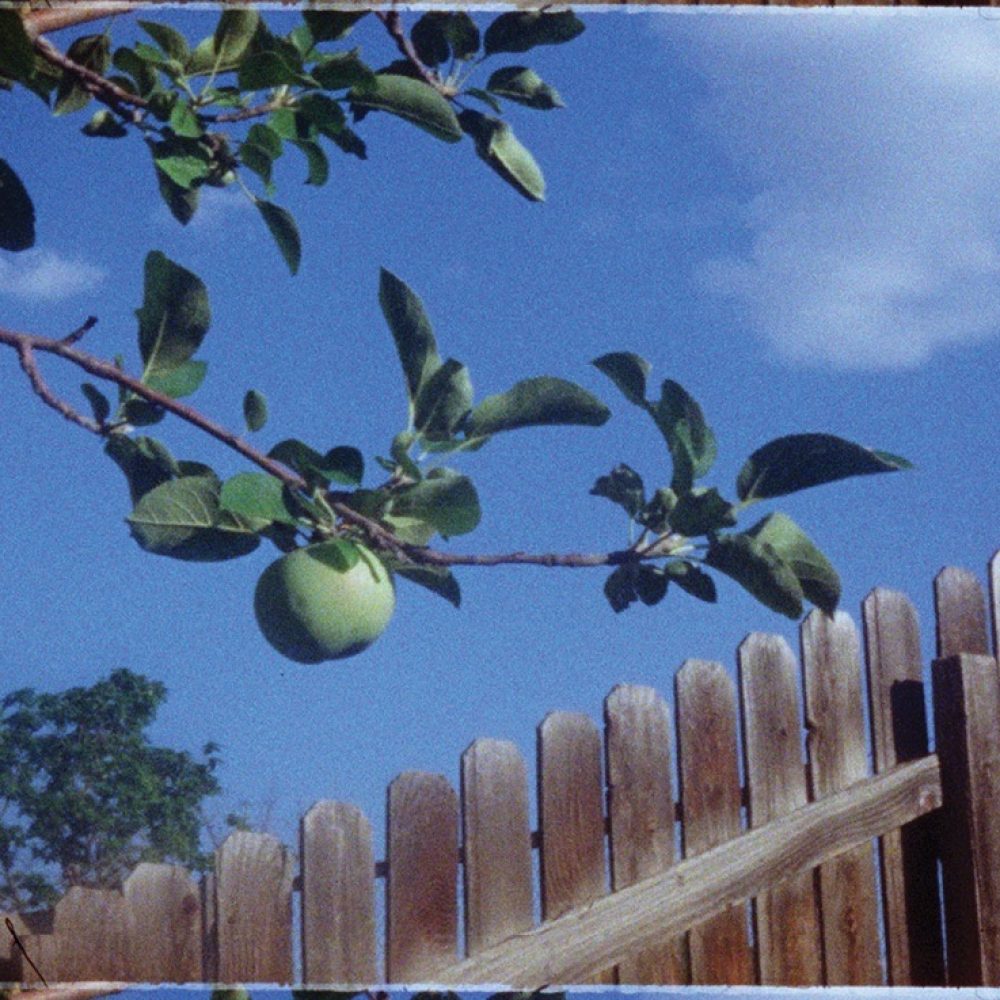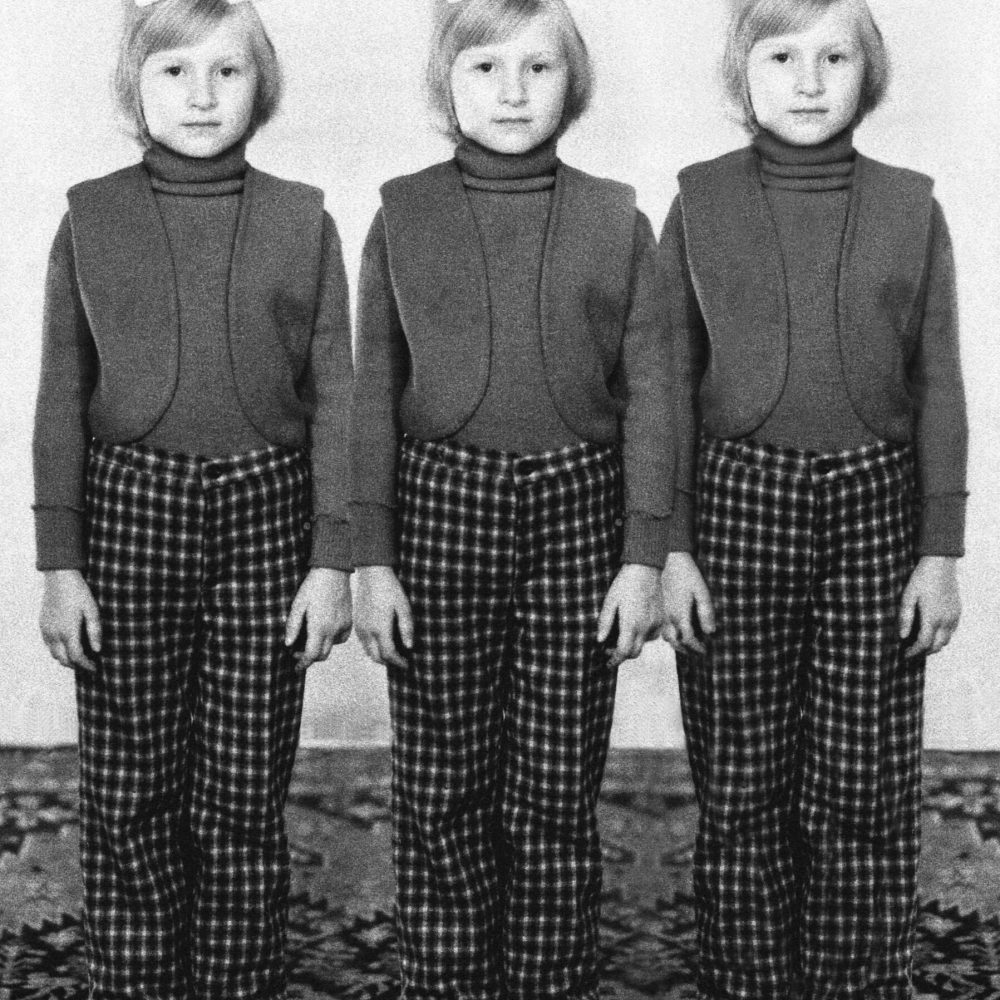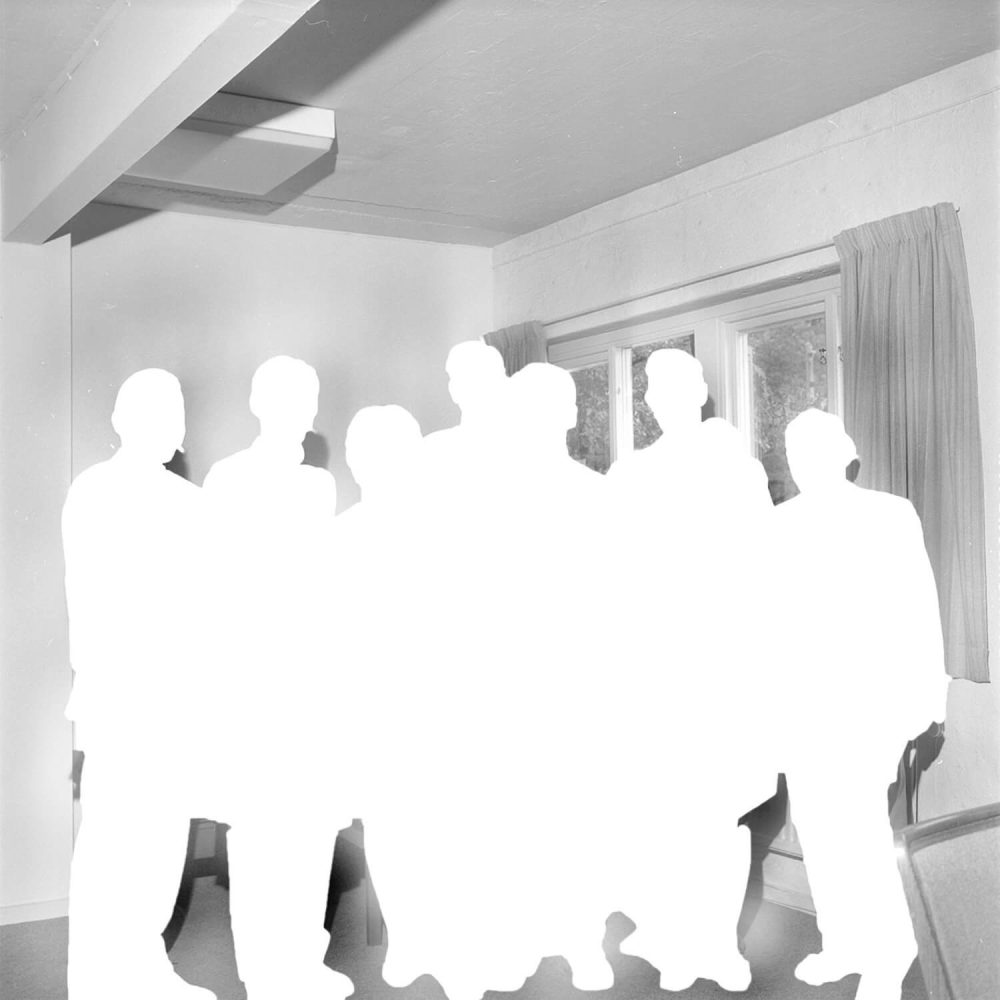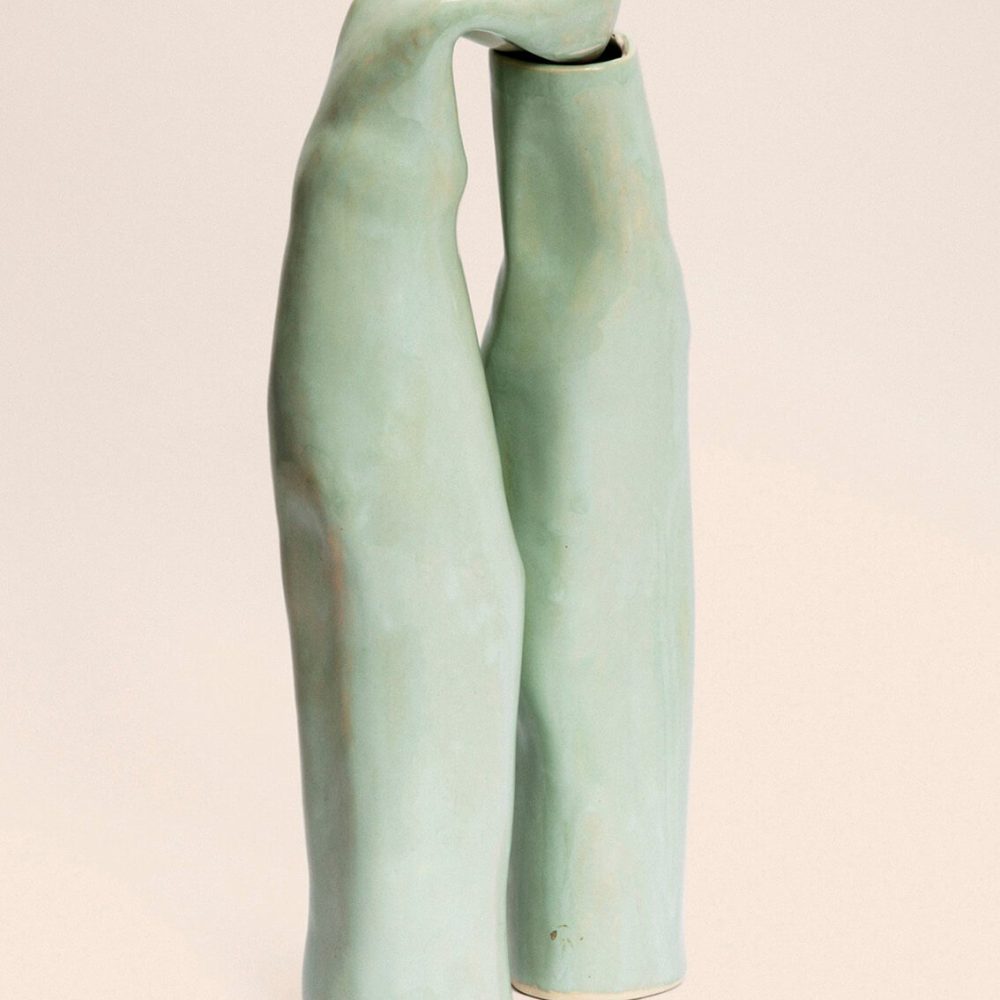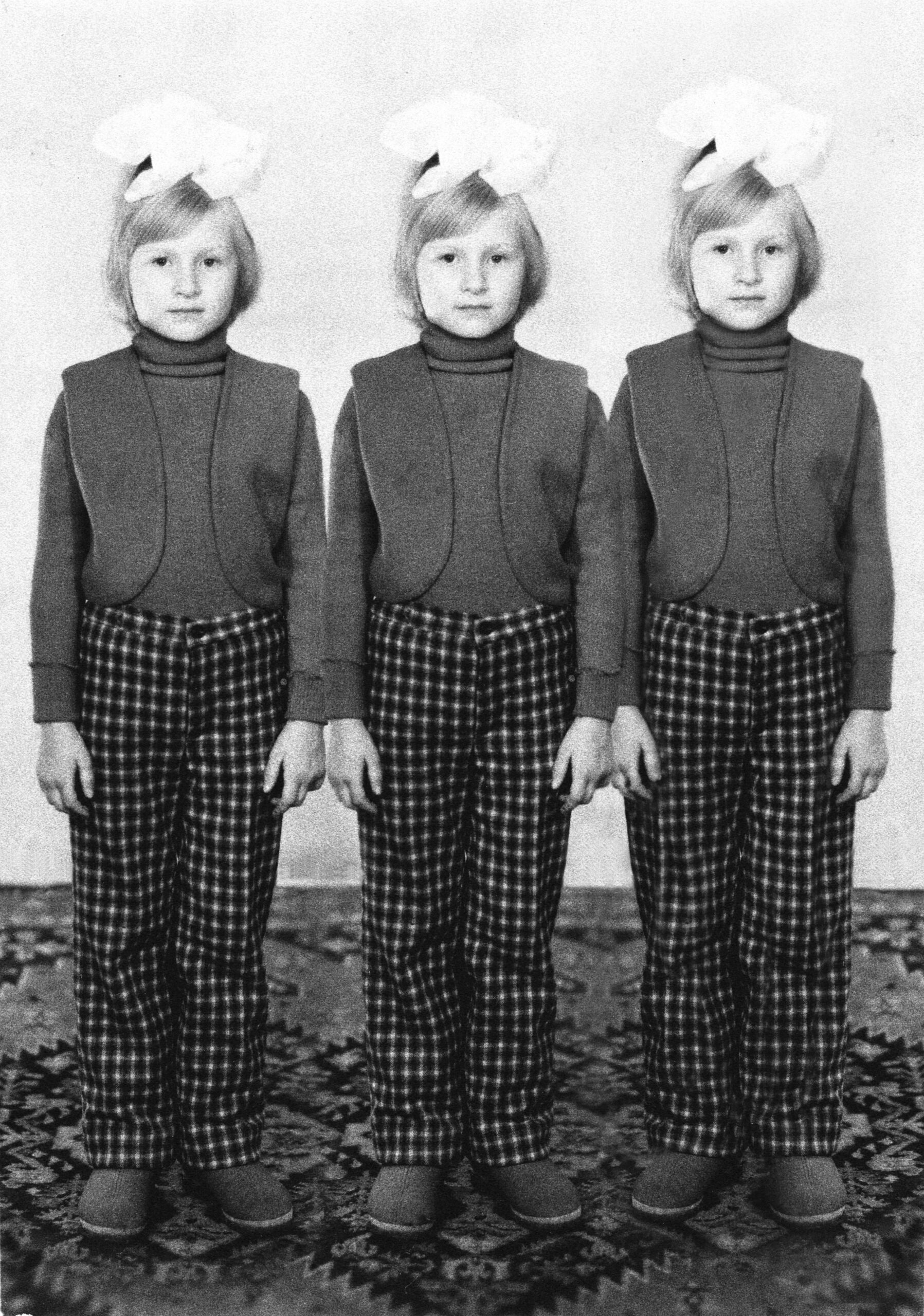
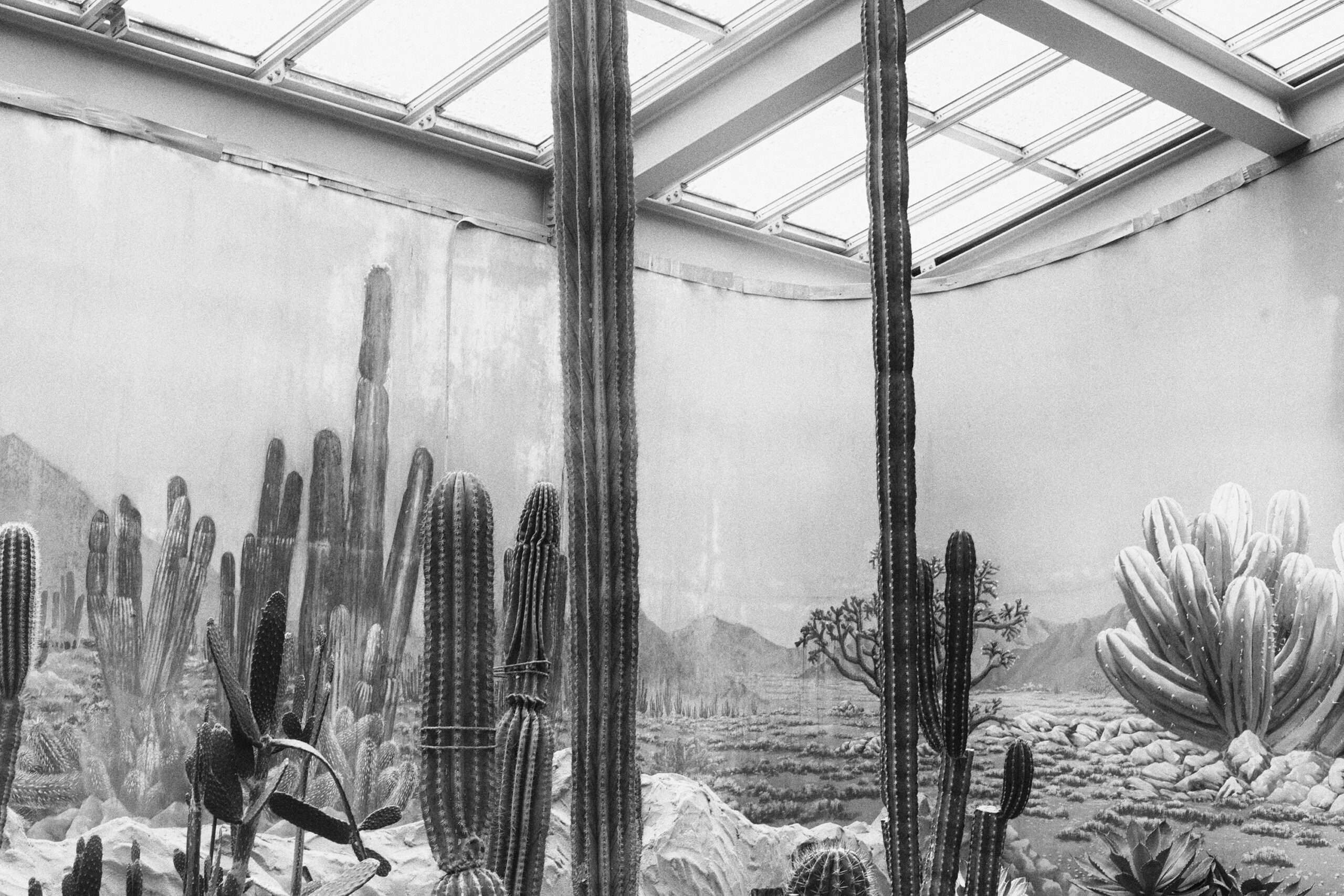
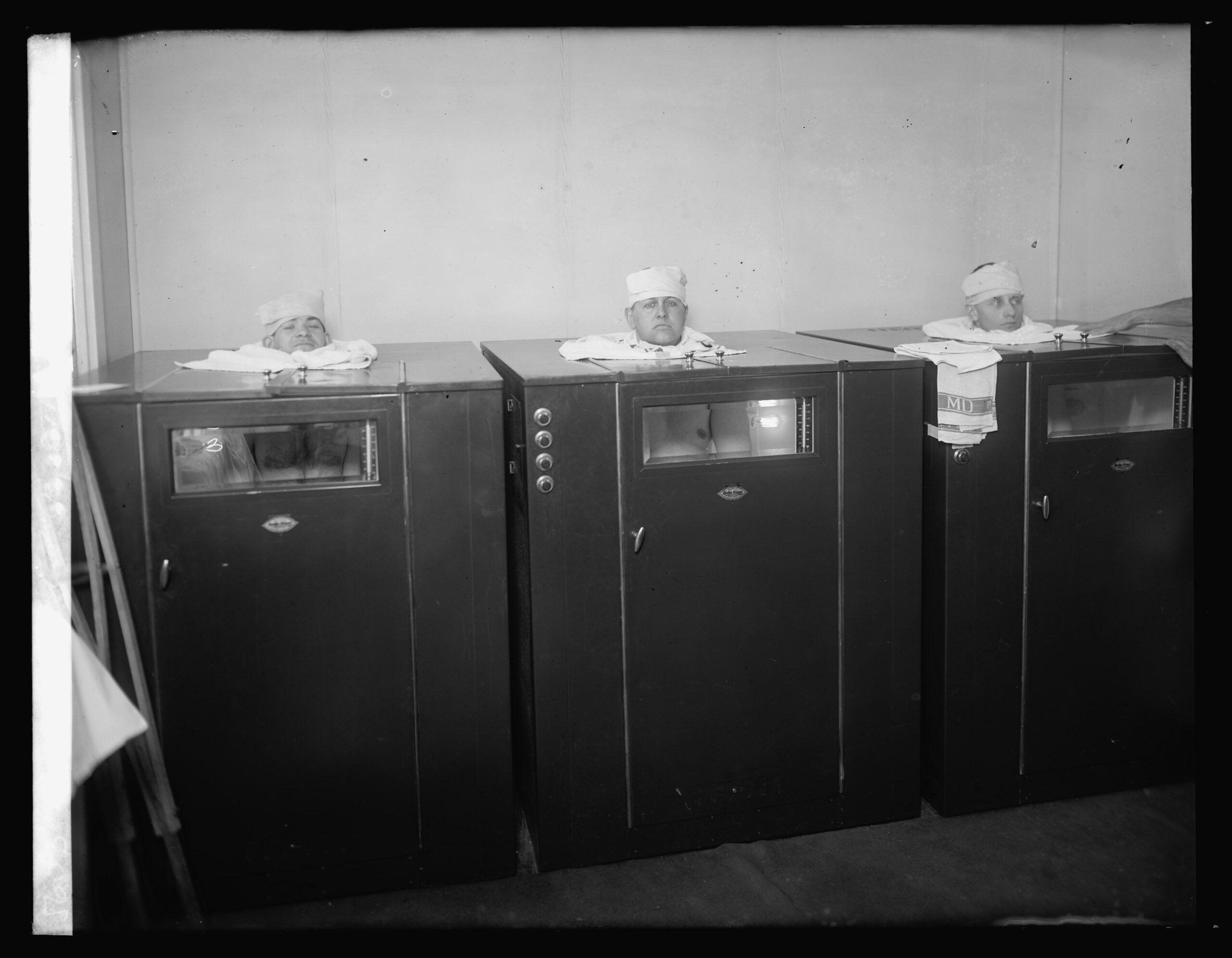

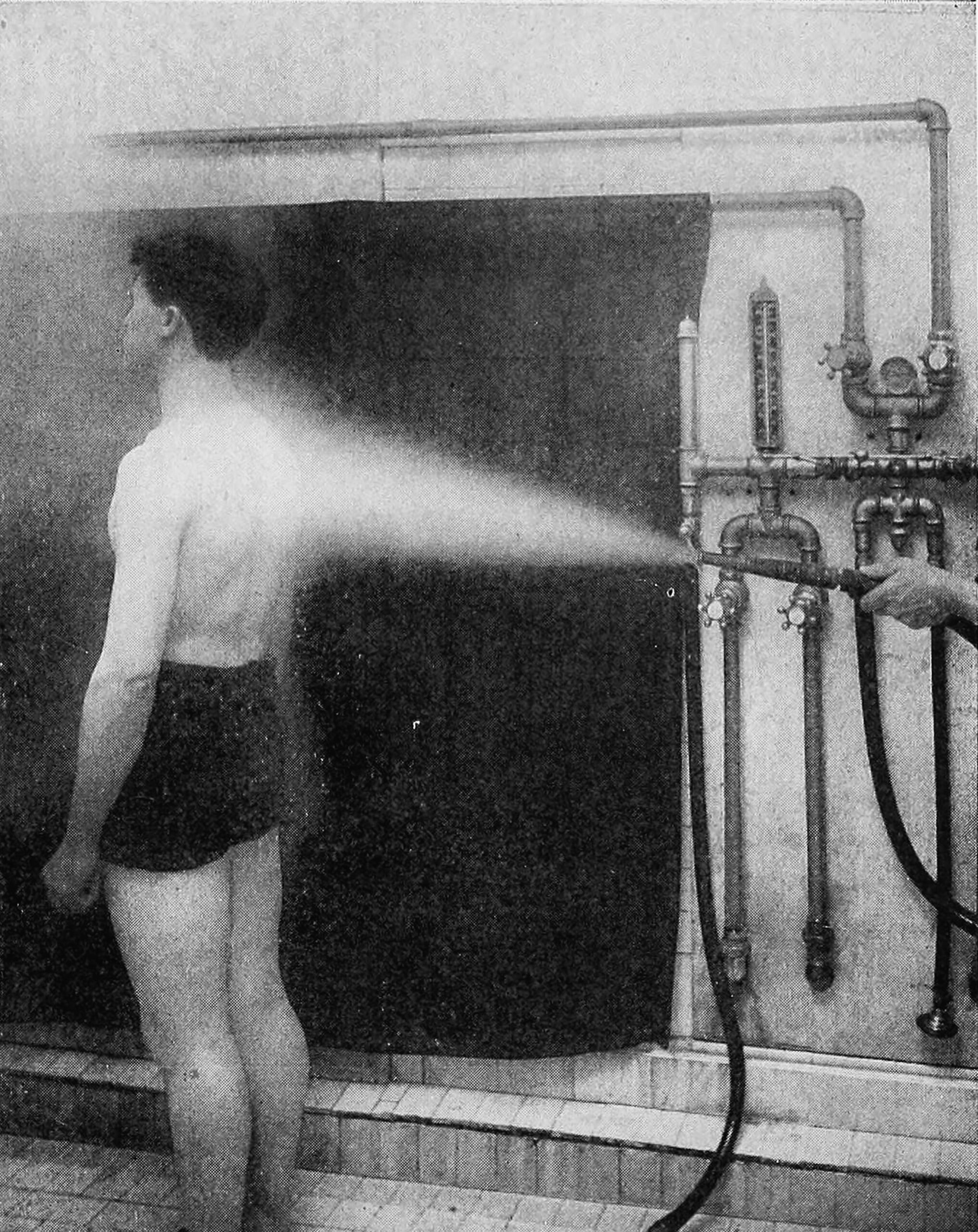
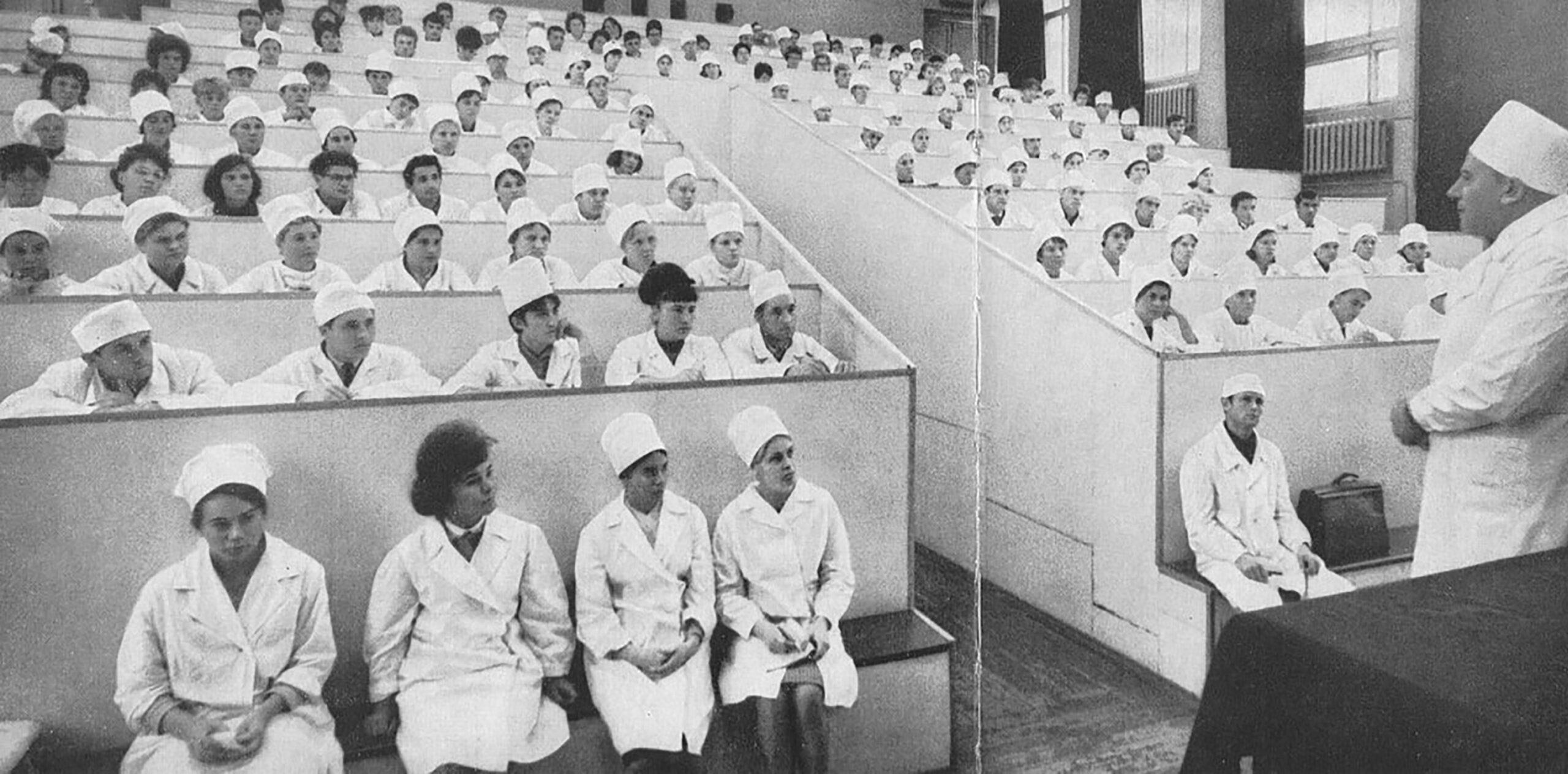
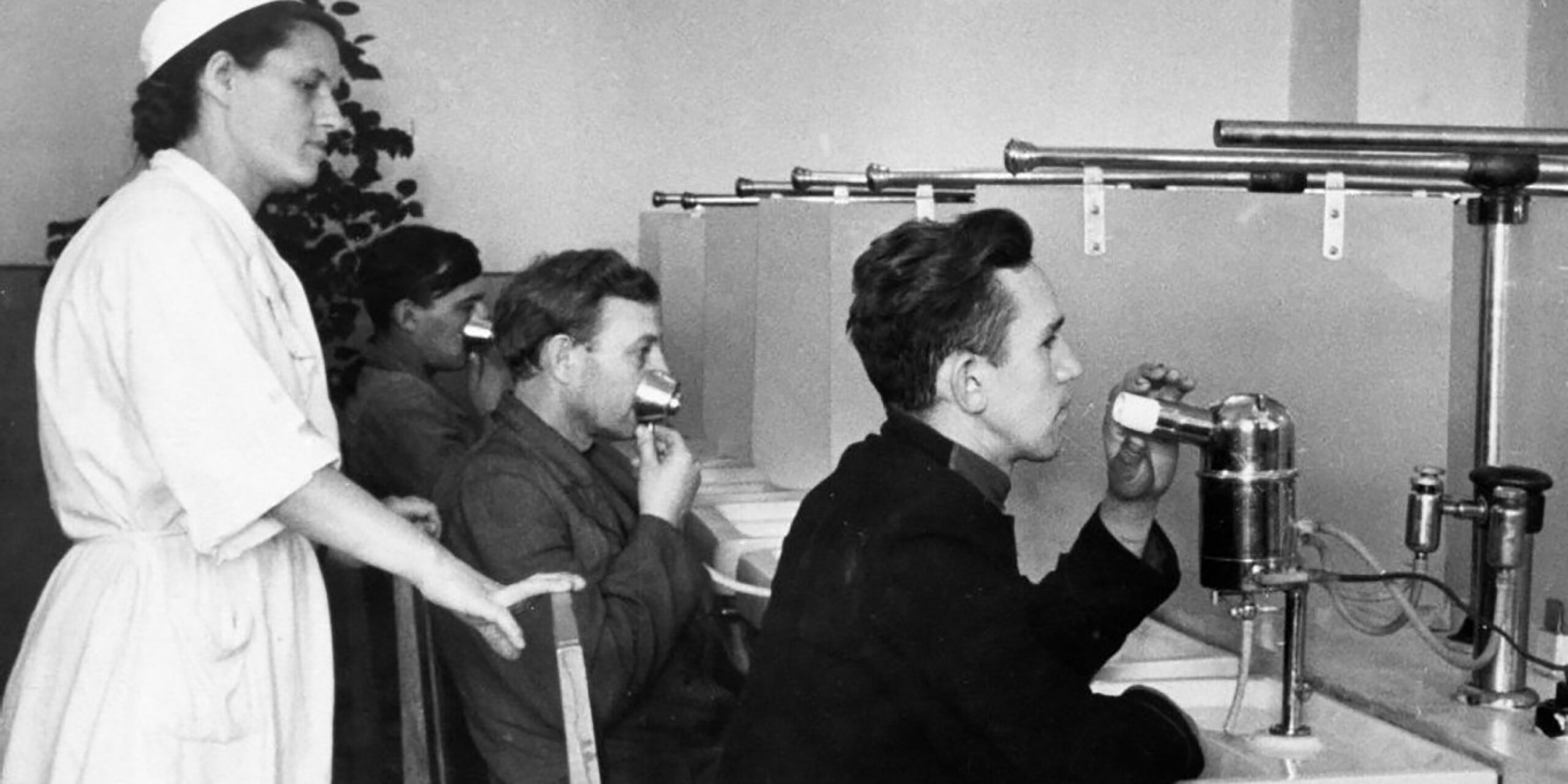

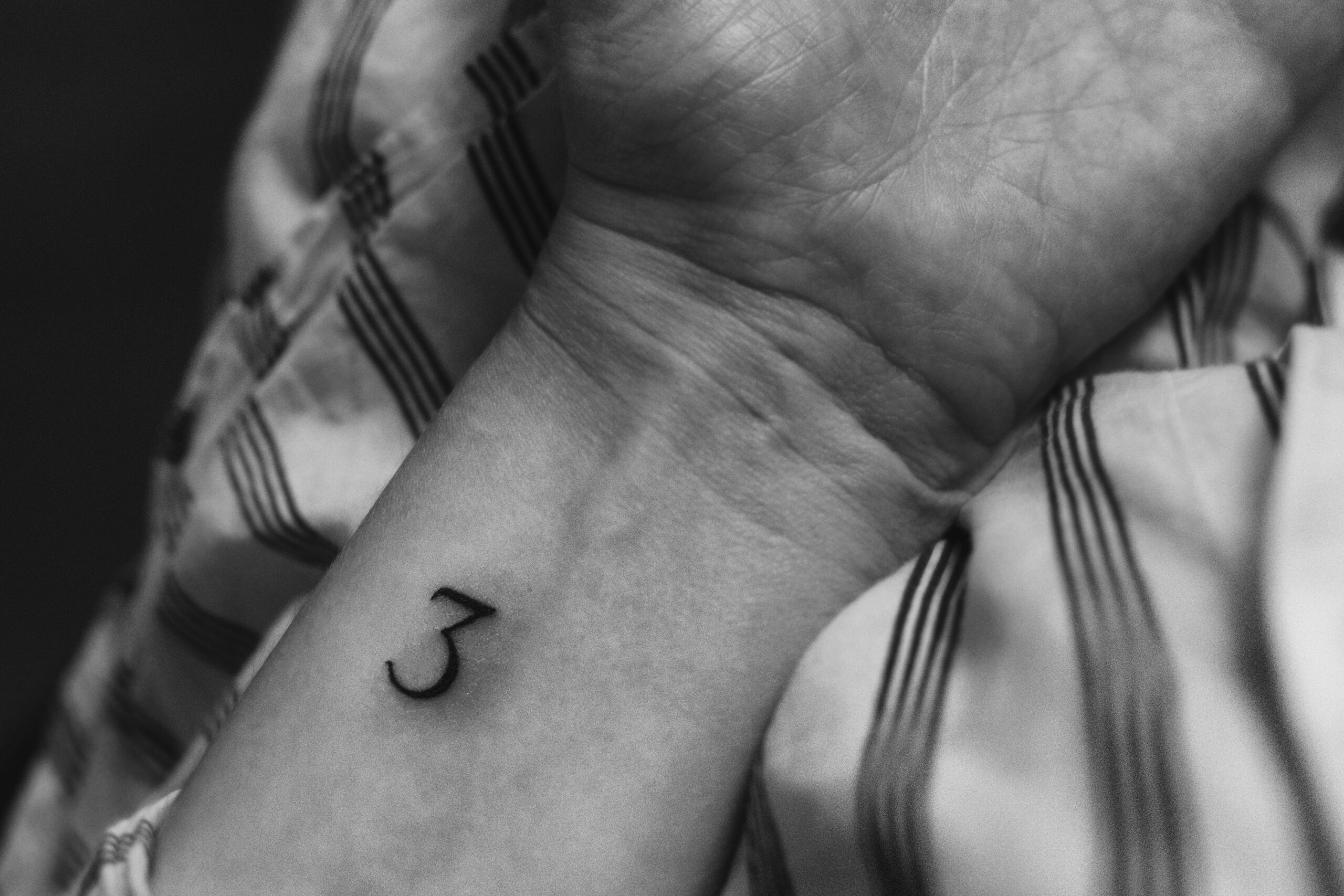
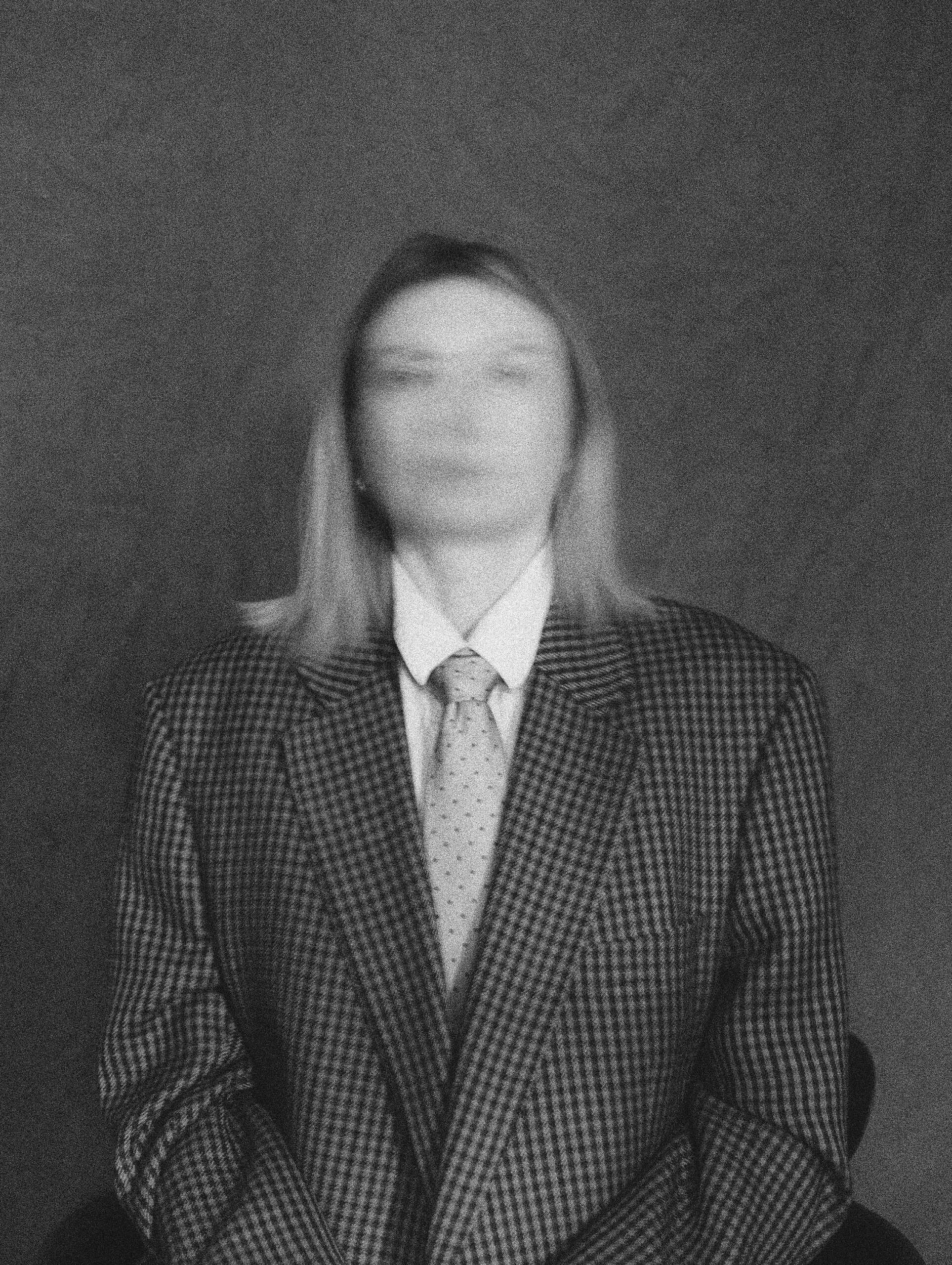
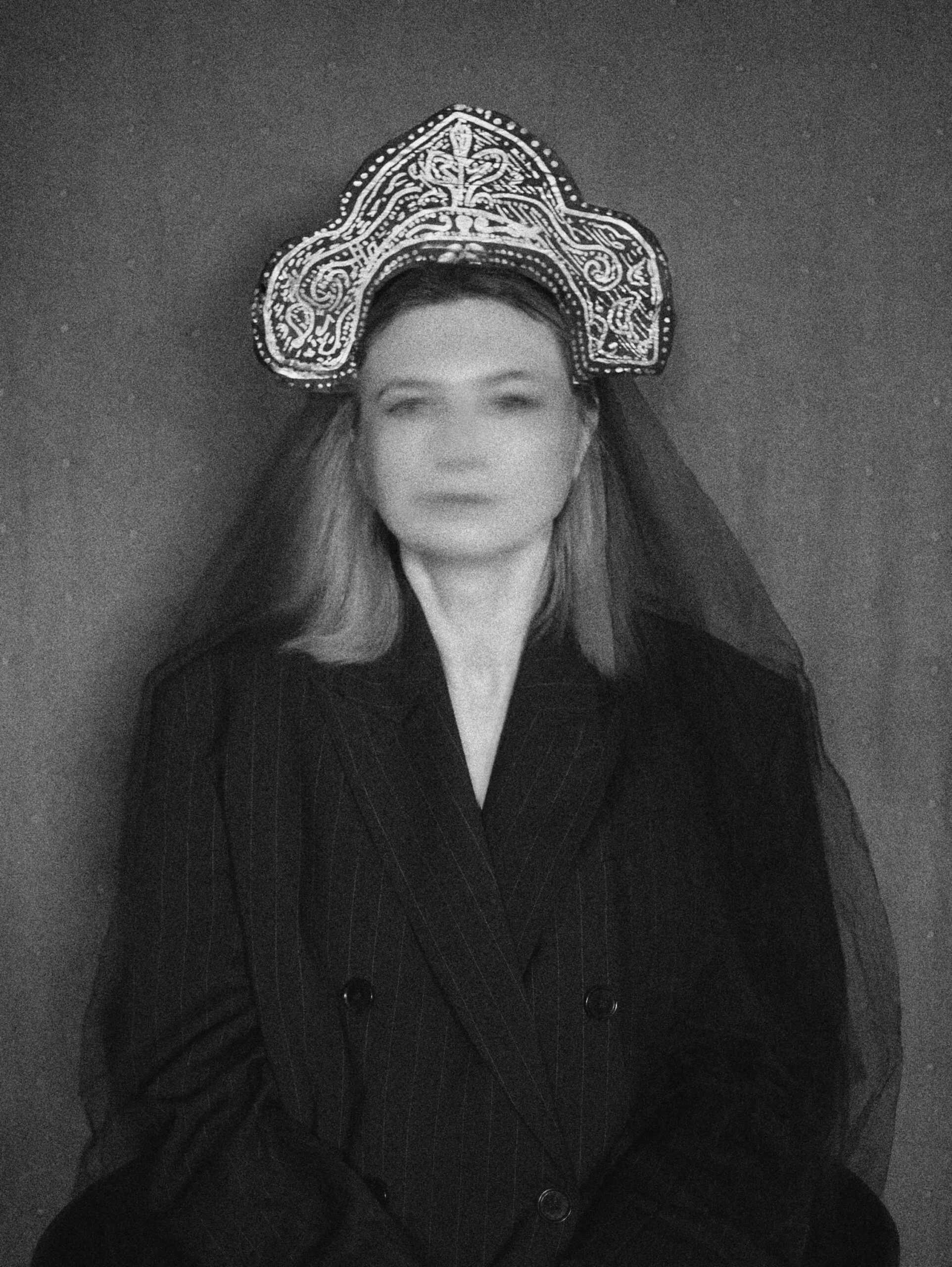
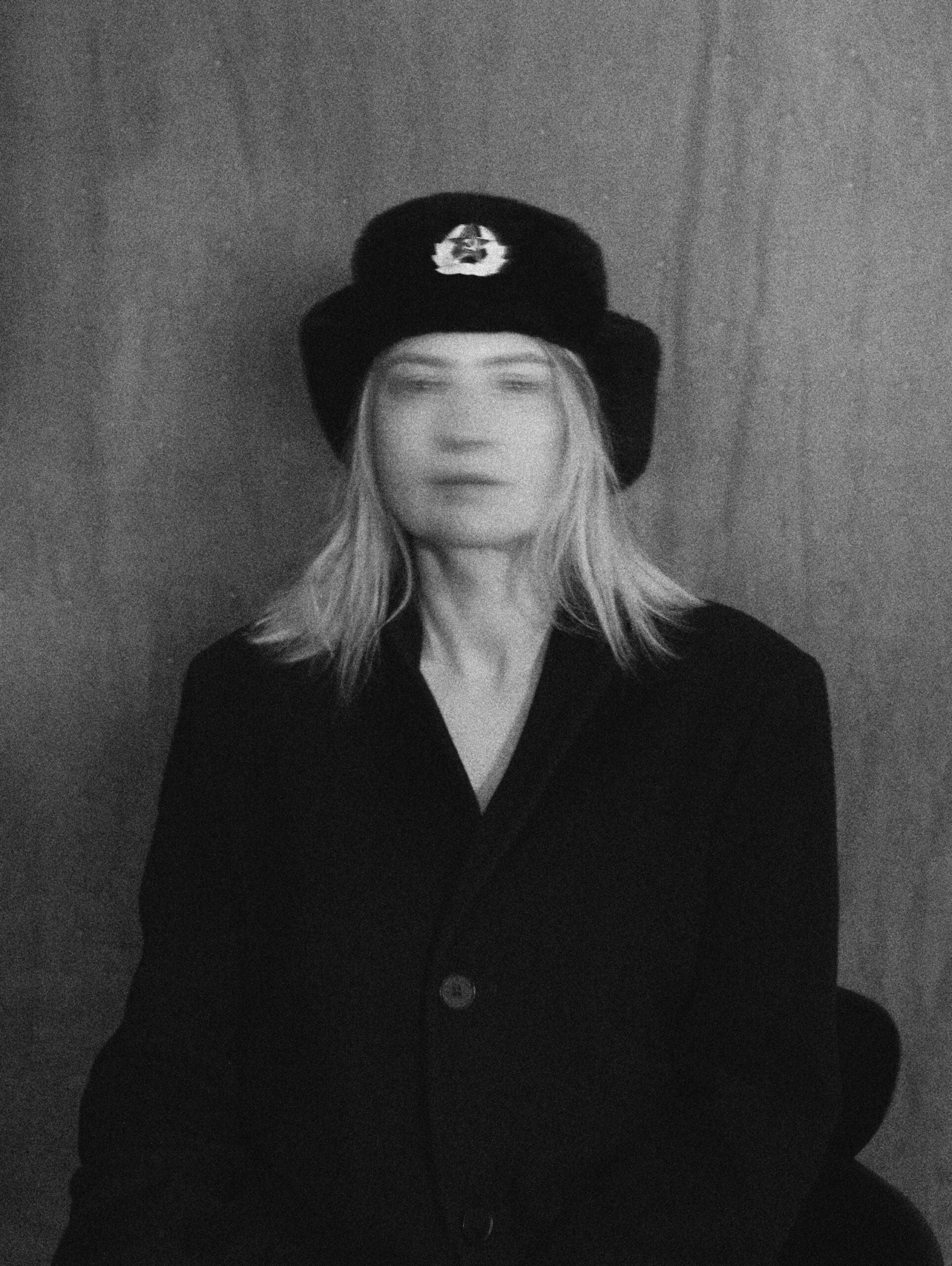
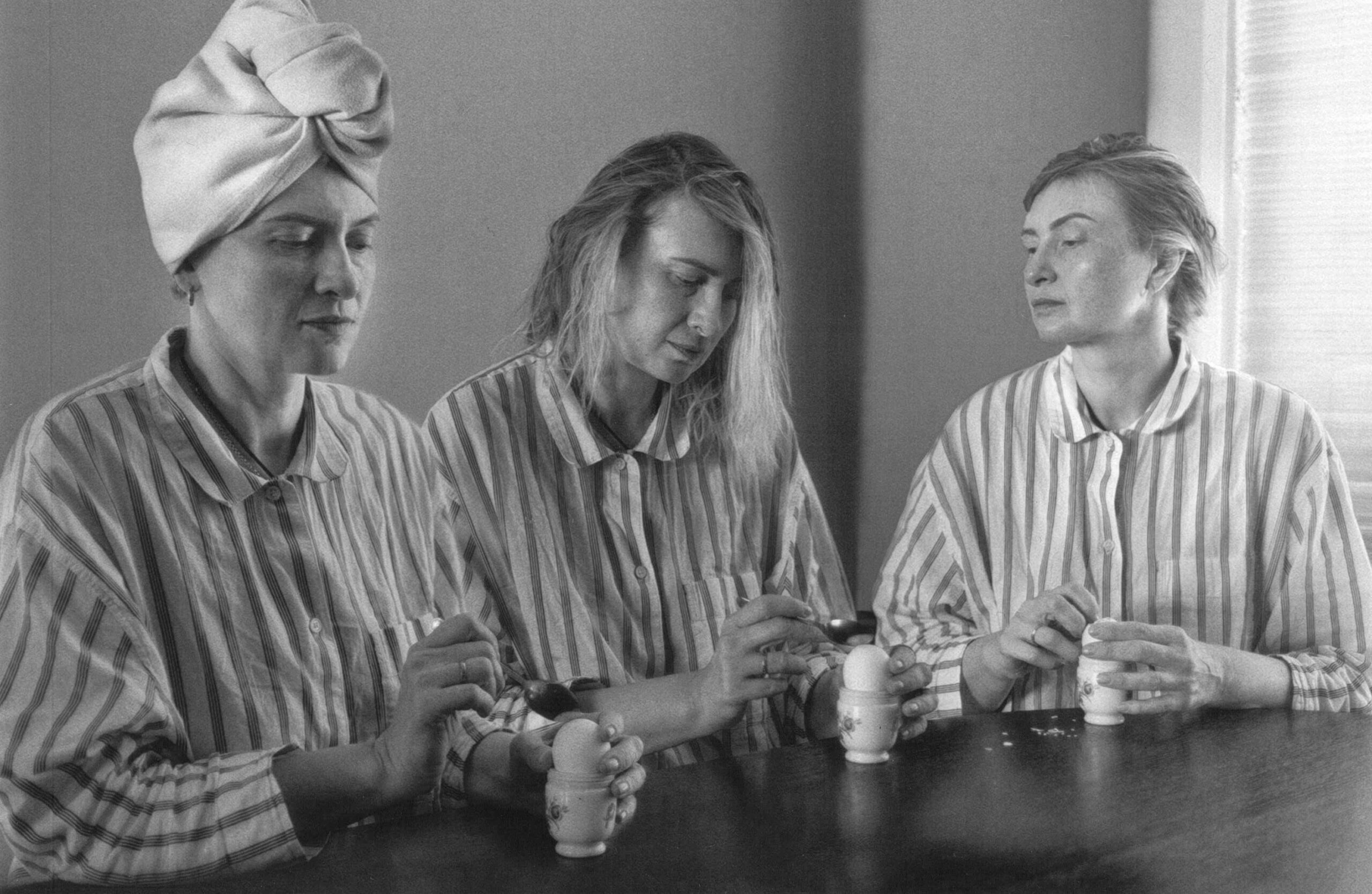
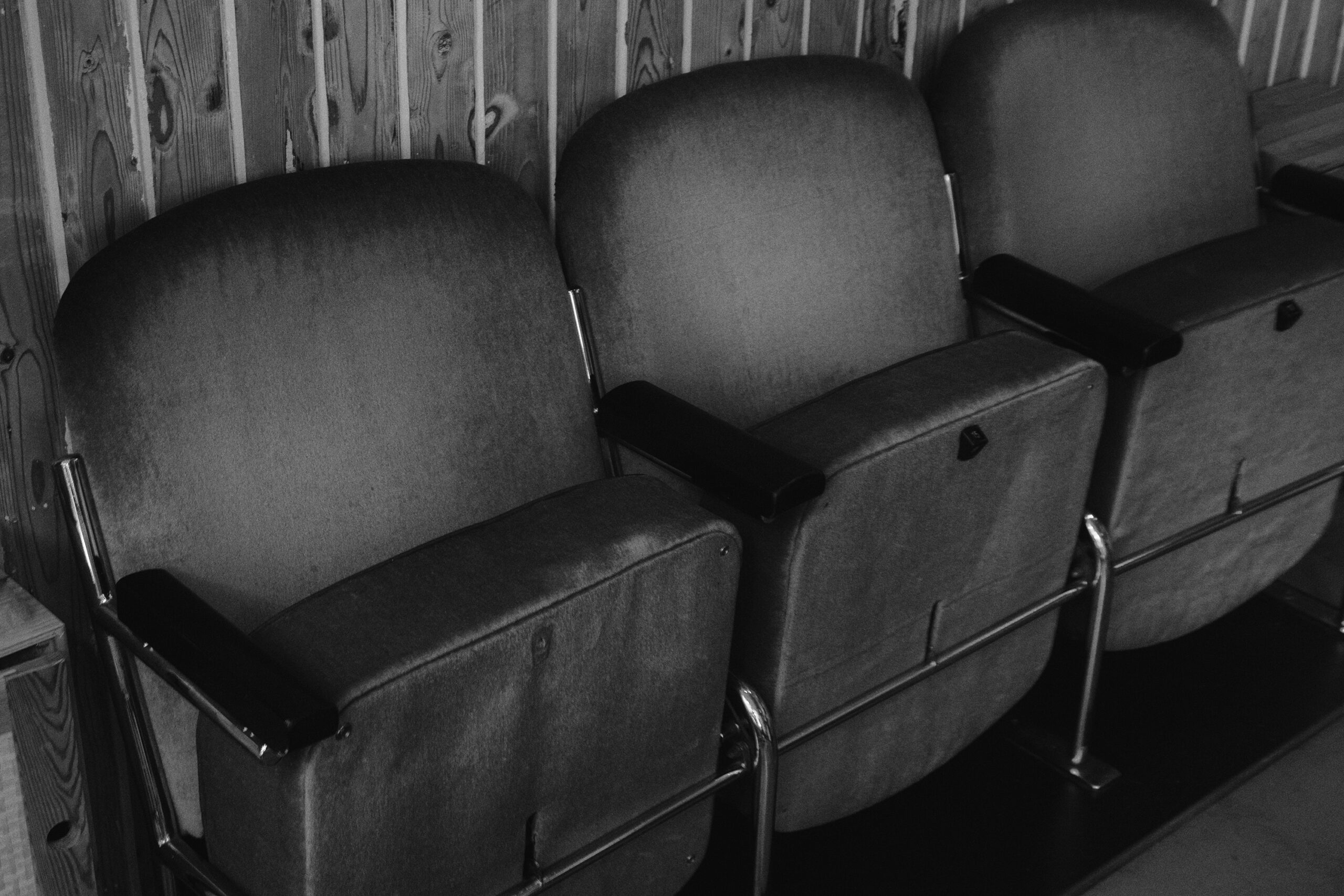
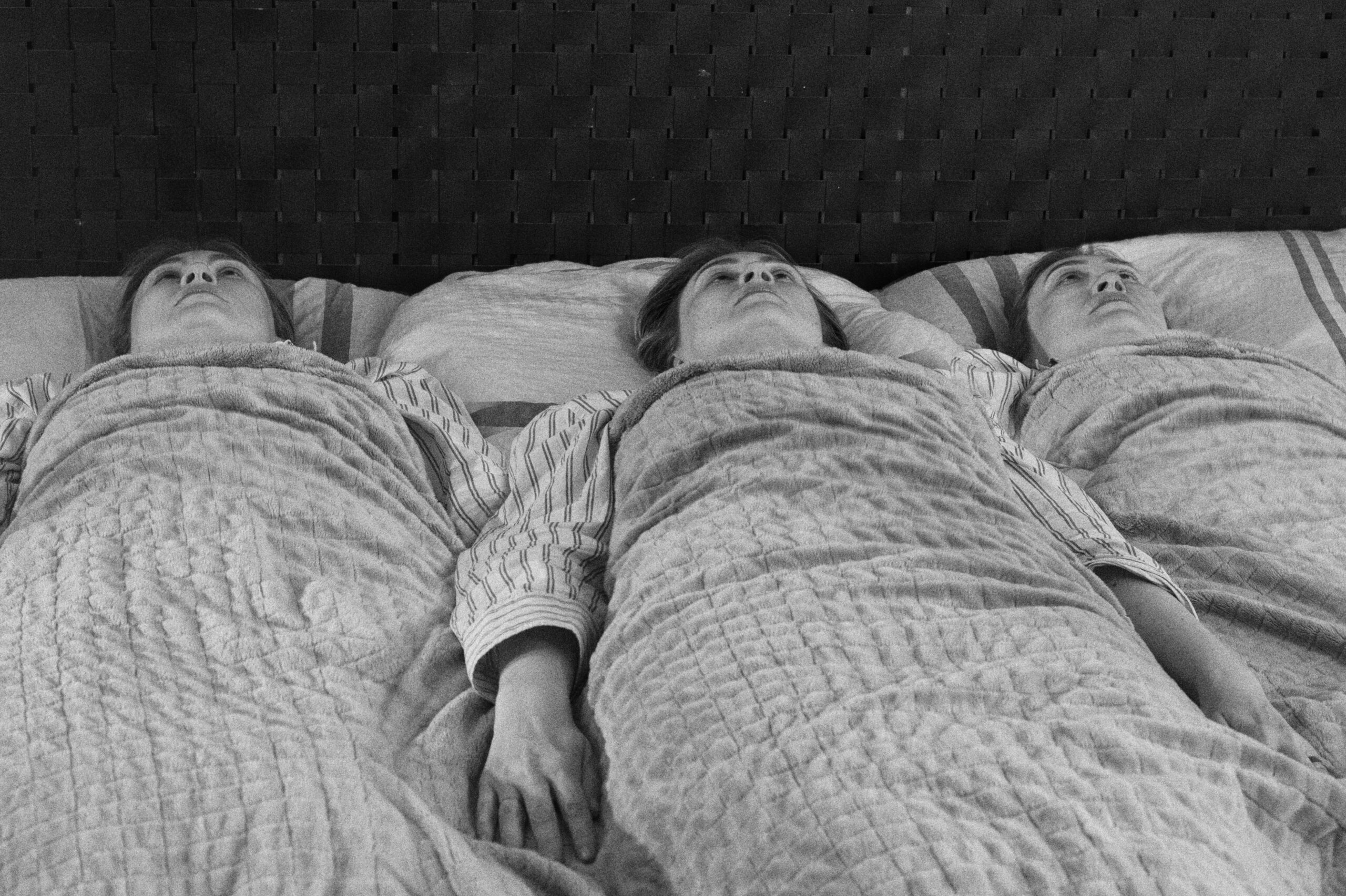
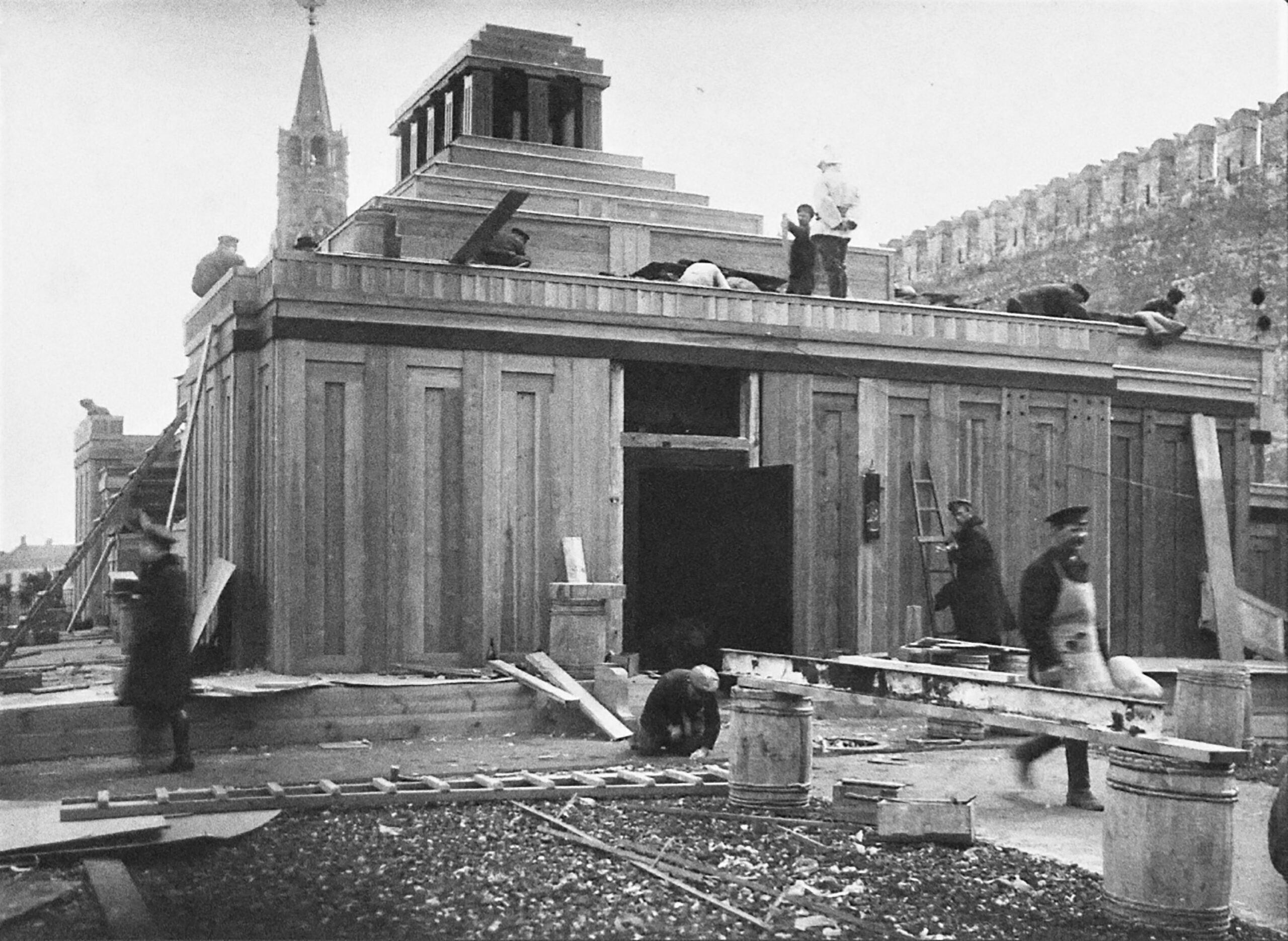
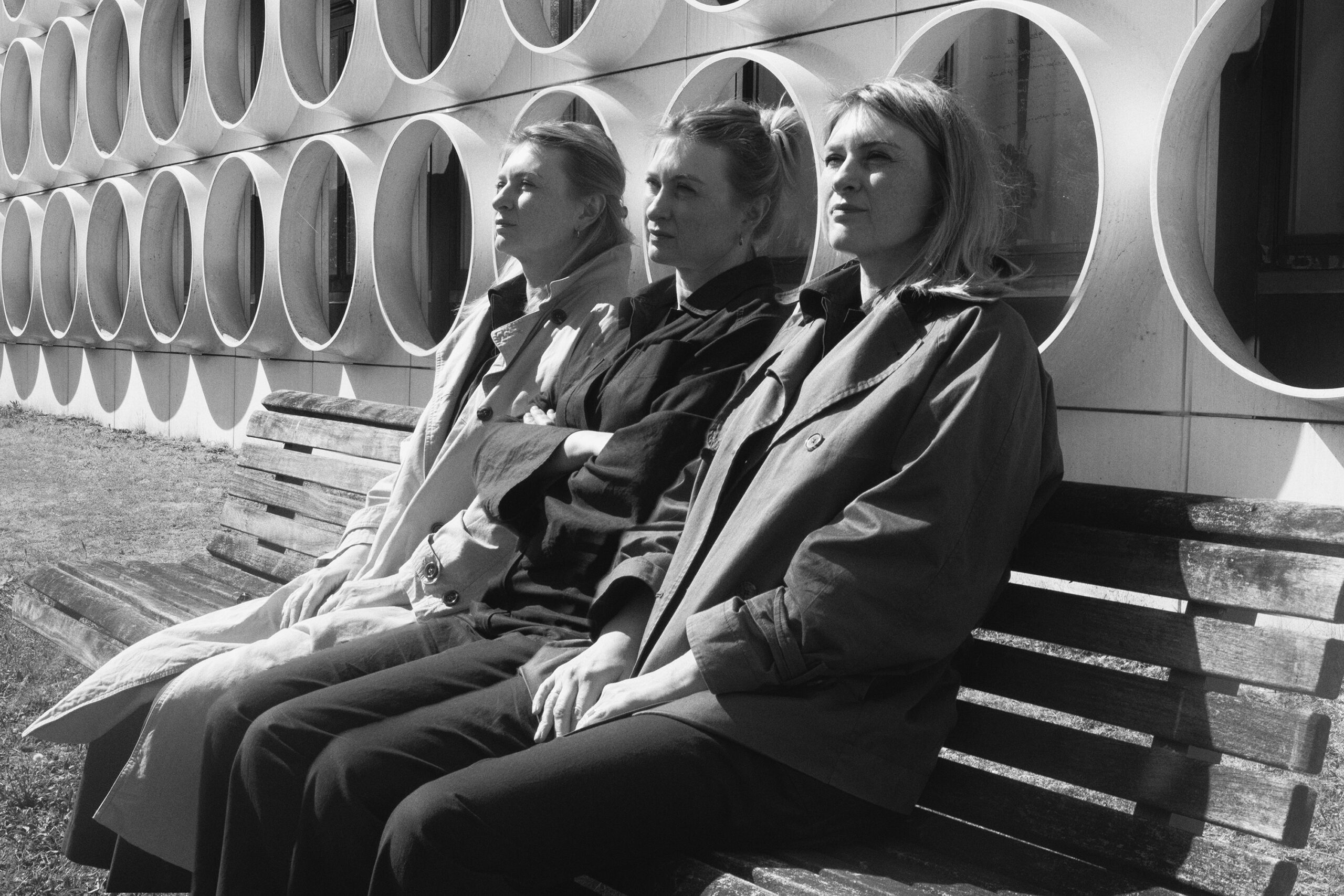
The Three of Us is a mockumentary project that draws on a lesser-known but persistent strand of Russian and Soviet thought: the belief that death can be overcome. From early Soviet experiments and philosophical movements such as cosmism to contemporary practices of cryonic preservation and immortality movements, the desire to extend life — and even resurrect the dead — continues to shape both ideology and technological imagination. It builds on this historical and contemporary material as a foundation for a fictional narrative. At its core is an imagined Soviet experiment aimed at extending life and preparing for the resurrection of Vladimir Lenin. The experiment fails in its intended goal, producing three cloned girls instead. They are not what the system expected. They do not resemble Lenin and cannot be used symbolically or ideologically. Their existence is never fully acknowledged. When the Soviet Union collapses, the program is abandoned, leaving them in a world that was never meant for them. The clones function as both narrative protagonists and conceptual figures. Through them, the work explores questions of identity, displacement, and the long-term effects of political and ideological systems on individual lives. Their condition — being produced by a system that no longer exists — becomes a way to think about identities shaped by histories that continue to operate even after their apparent end. The work is also rooted in the artist’s biography — born in the USSR, shaped by its collapse, and later redefined through migration. The figures of the clones allow for a displacement of the autobiographical voice, creating a space where personal experience can be approached indirectly through fiction. Formally, it is constructed as a multi-layered visual and textual narrative, bringing together appropriated archival photographs, reworked personal archives, newly produced conceptual images, and Soviet propaganda materials. These elements are combined and recontextualized to create a tension between document and fiction. Alongside the visuals, the project includes an autofictional text told from the perspective of the three clones. This text extends the visual world, giving voice to the characters and grounding the narrative in a subjective, embodied experience. Rather than presenting a linear story, The Three of Us operates through accumulation and layering, allowing different temporalities and perspectives to coexist — reflecting a condition in which identity is no longer singular, but shaped by overlapping systems, histories, and imaginaries.