The Gay Space Agency
by Mackenzie Calle
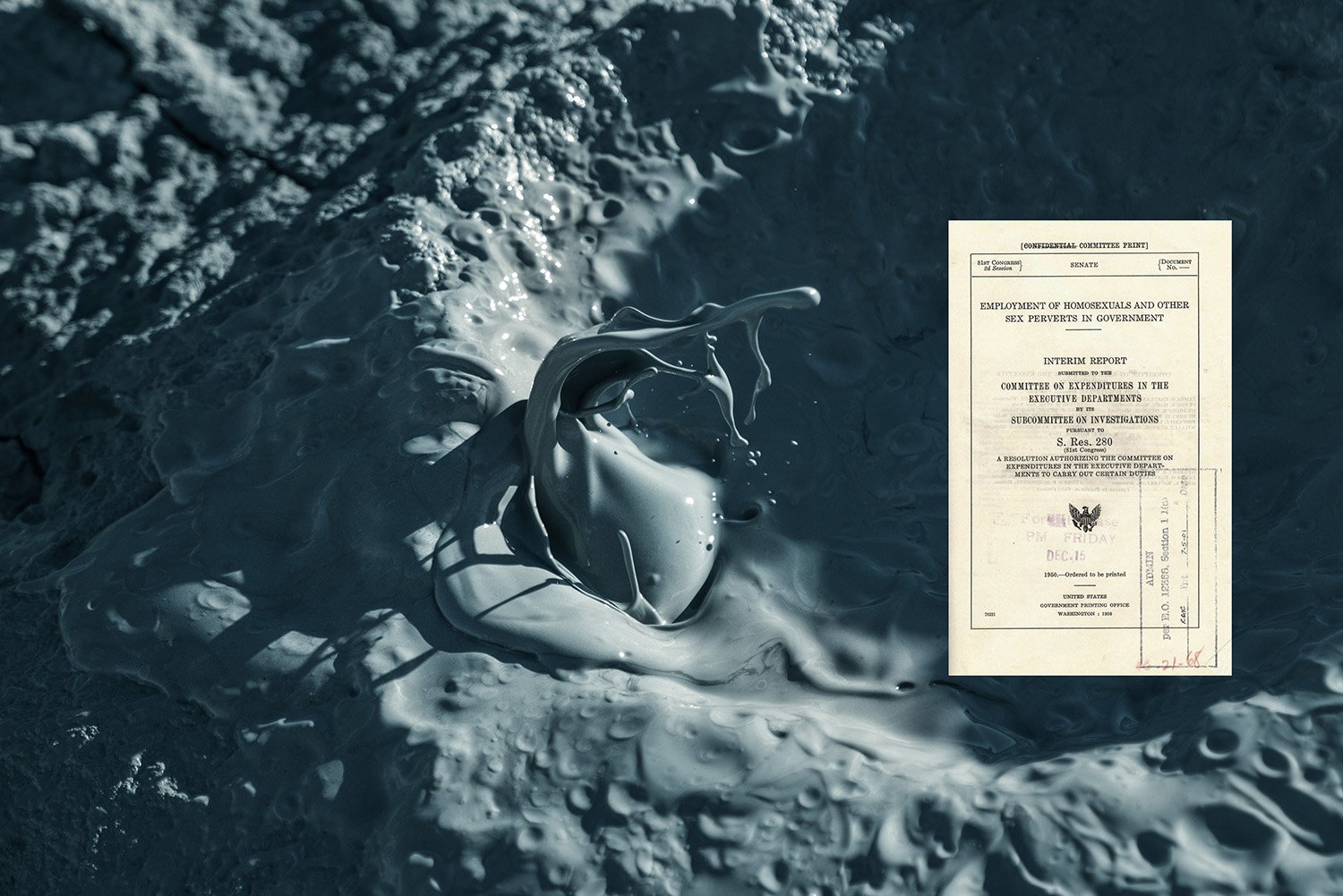
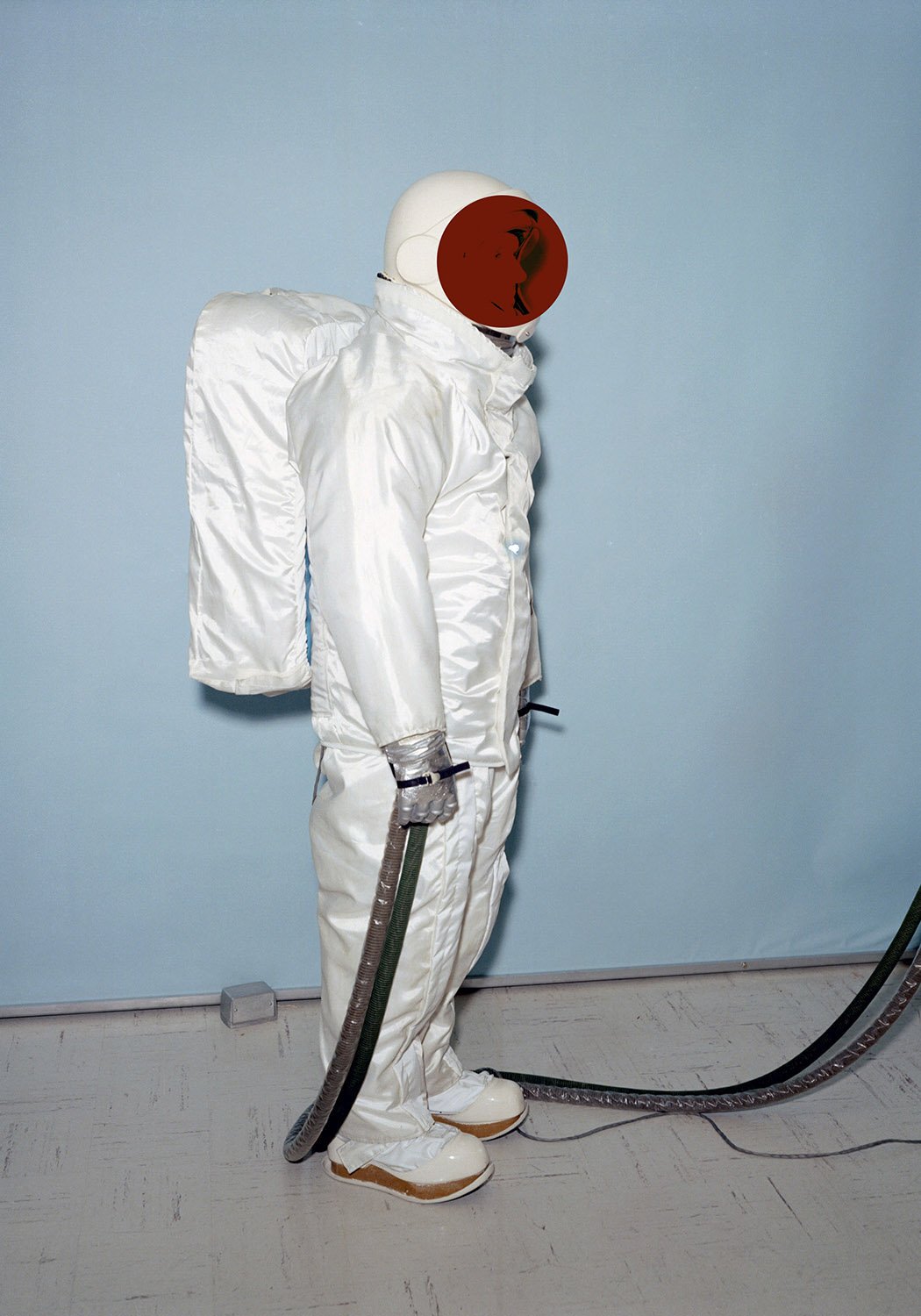

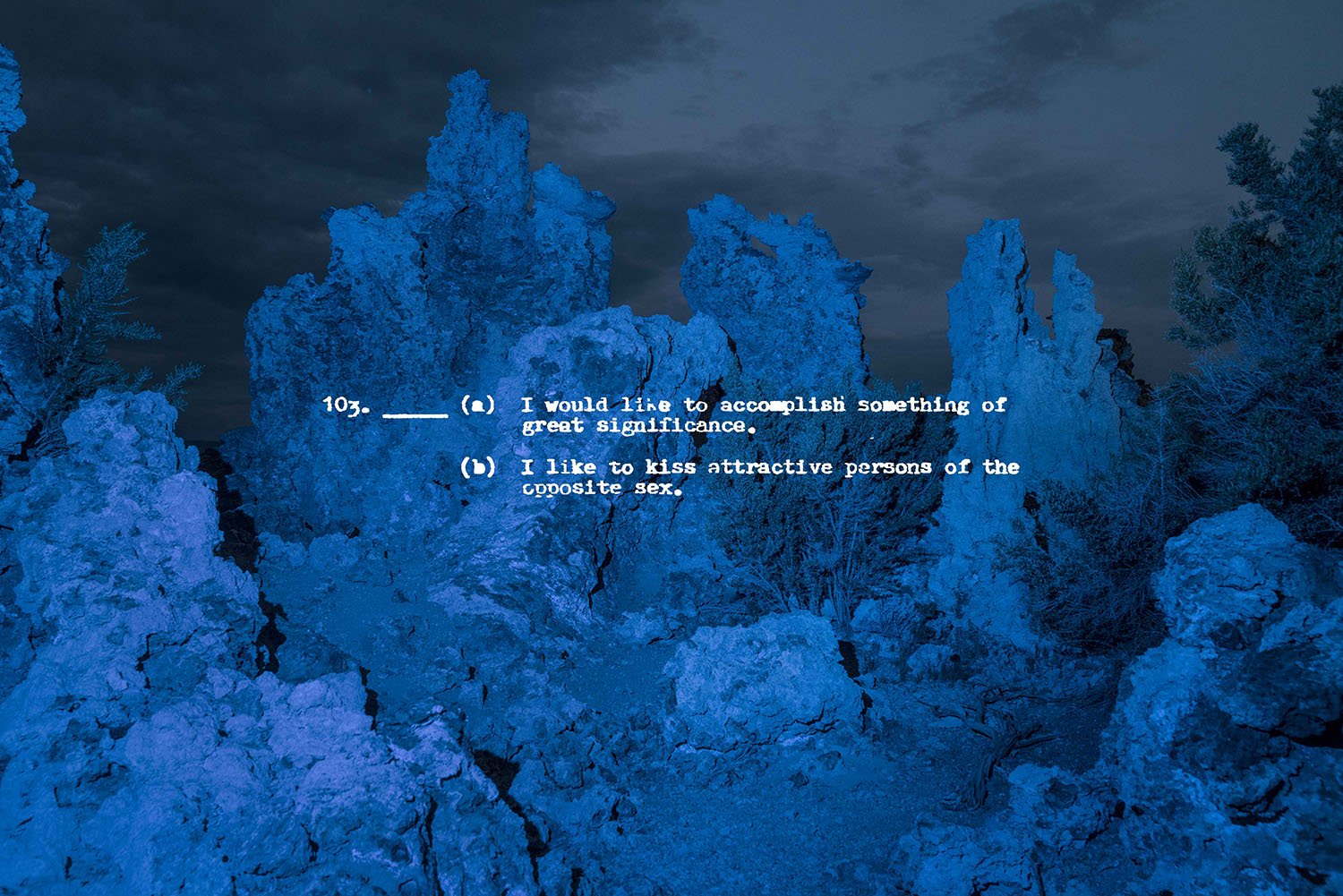
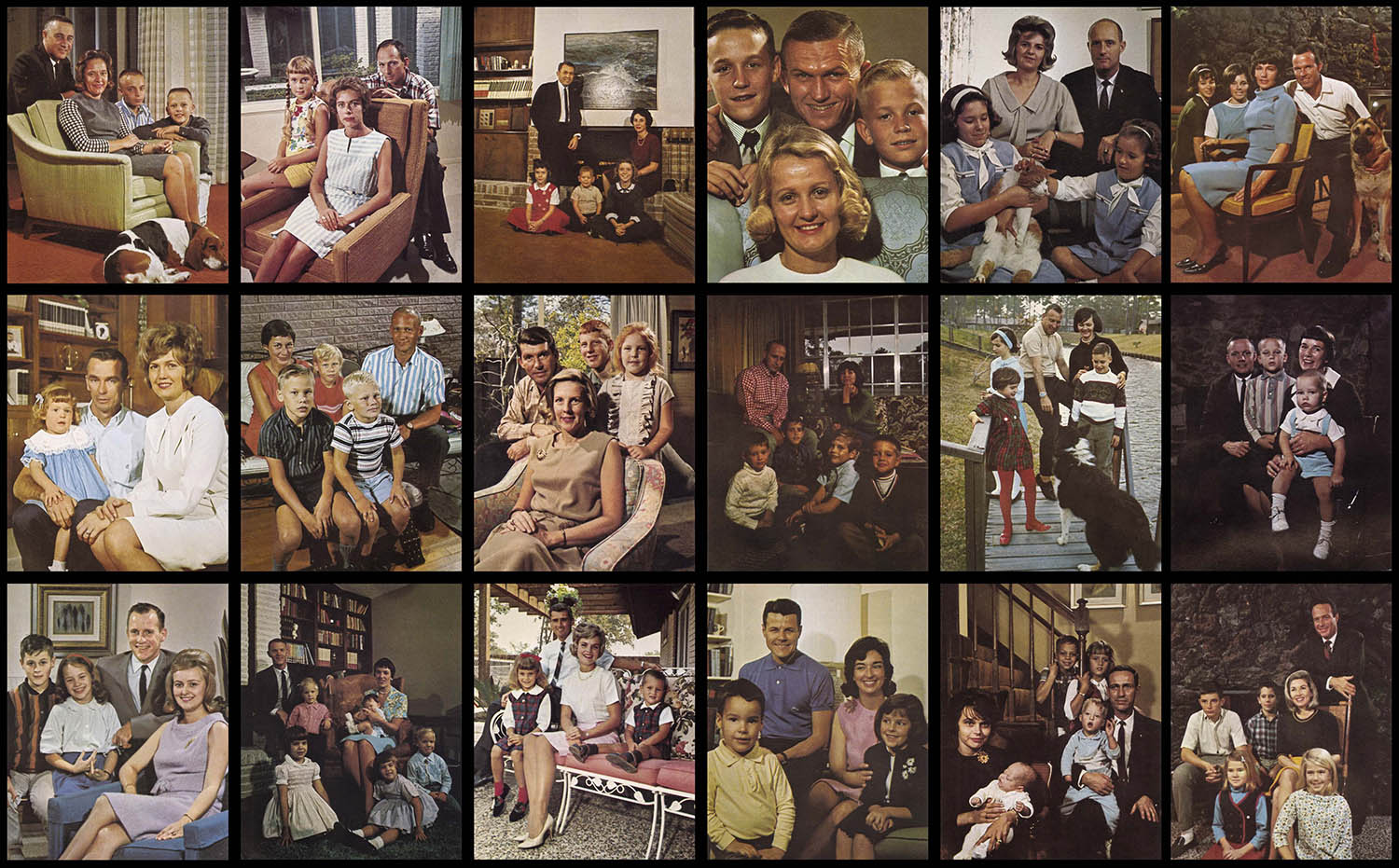
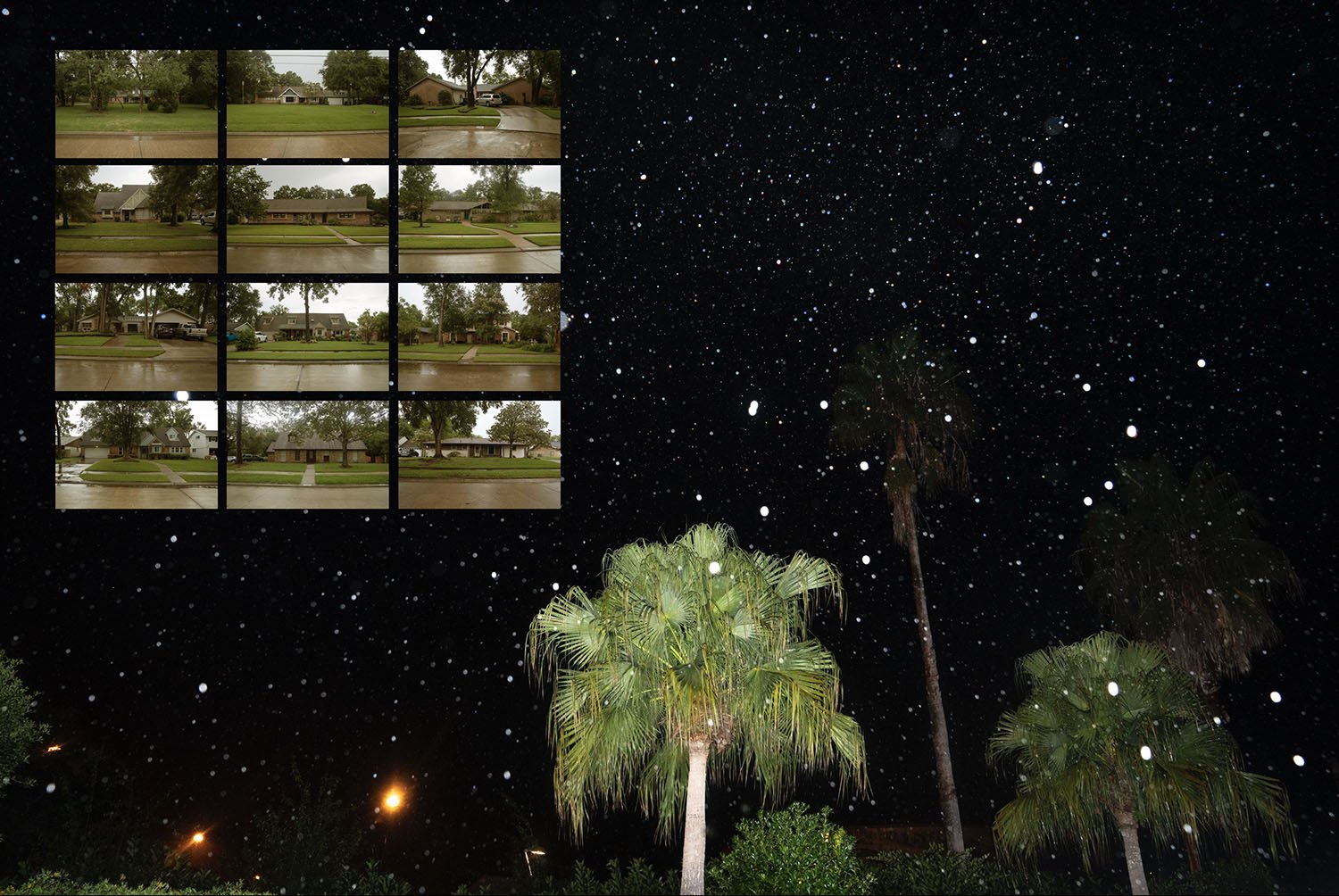
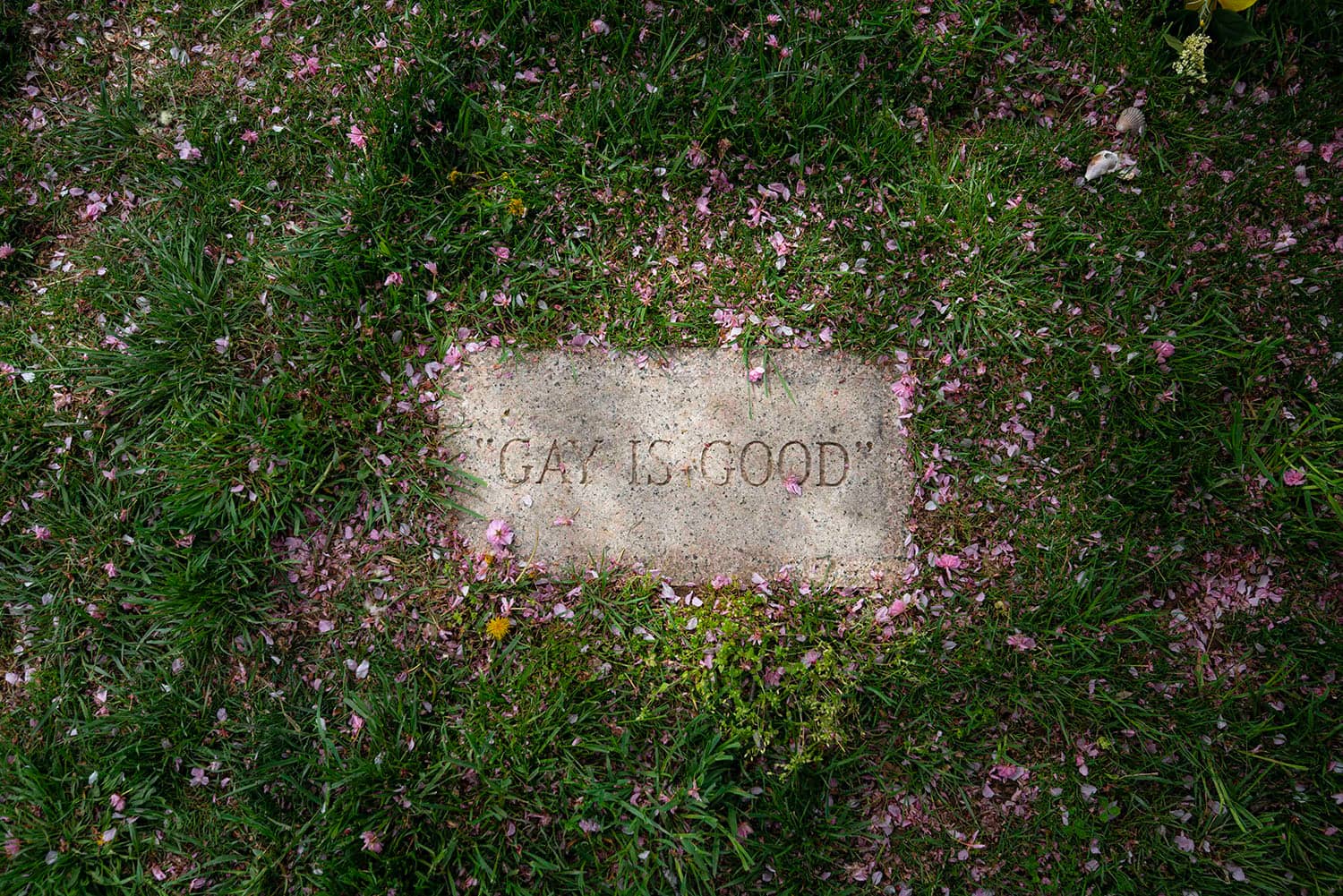
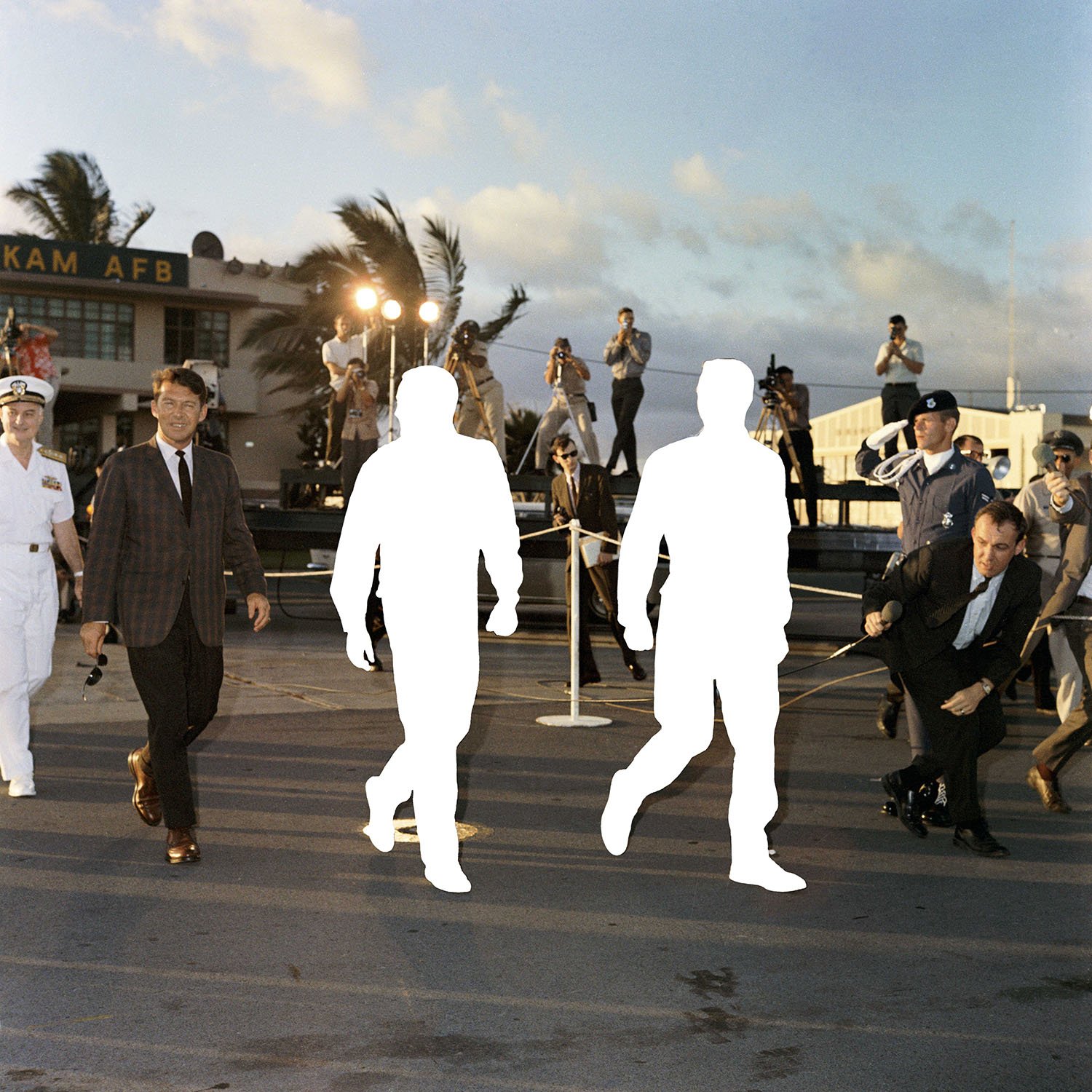
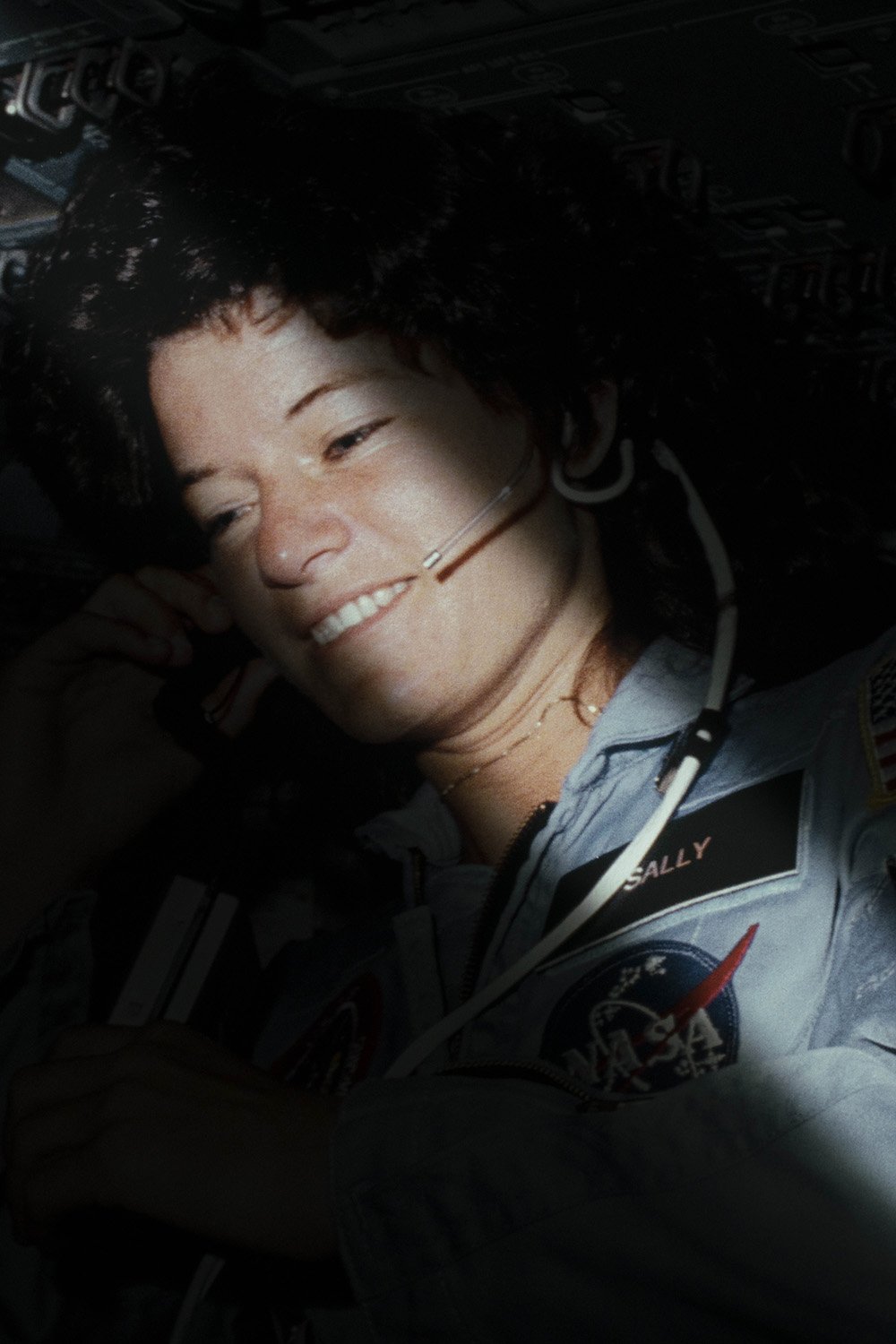
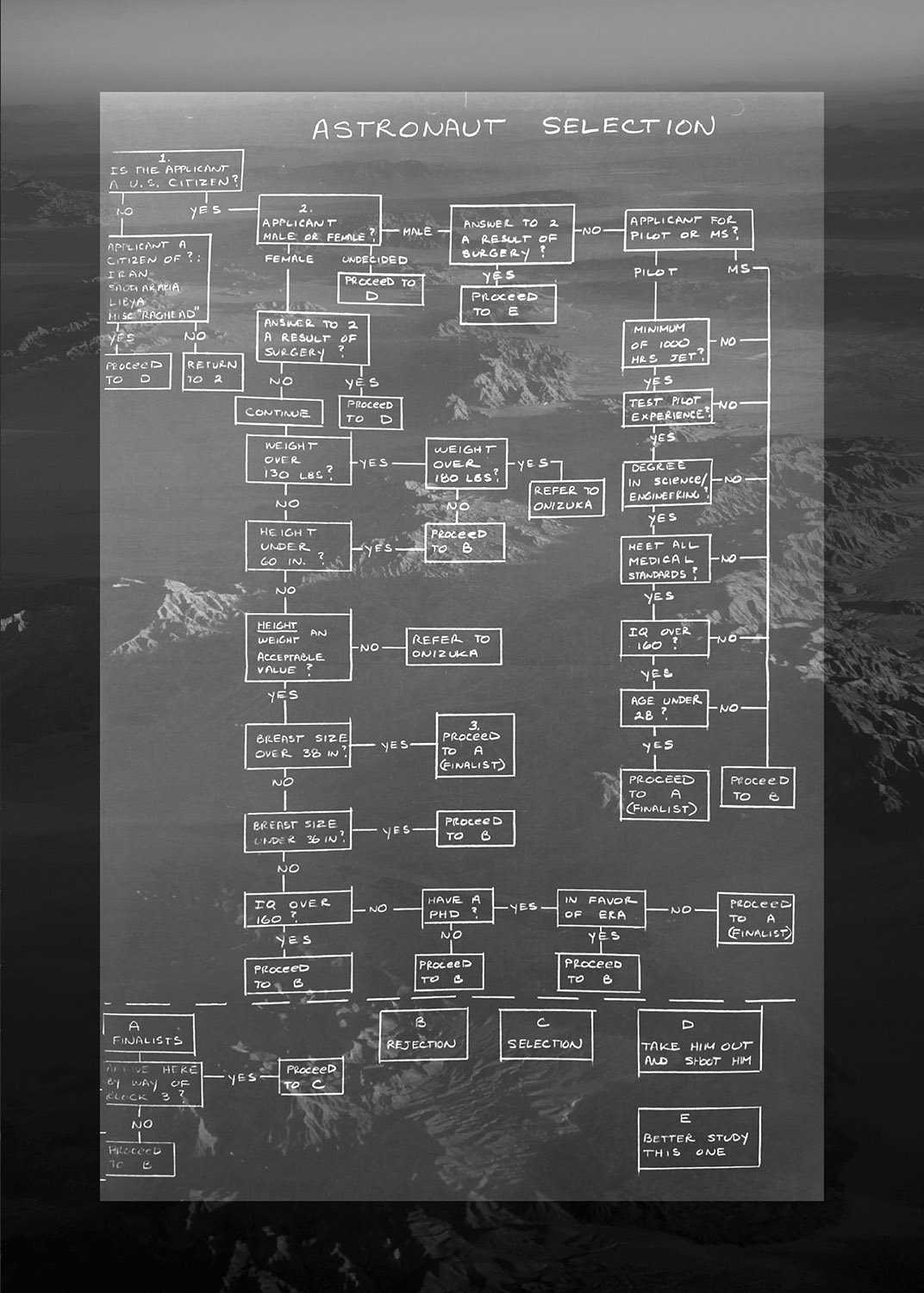
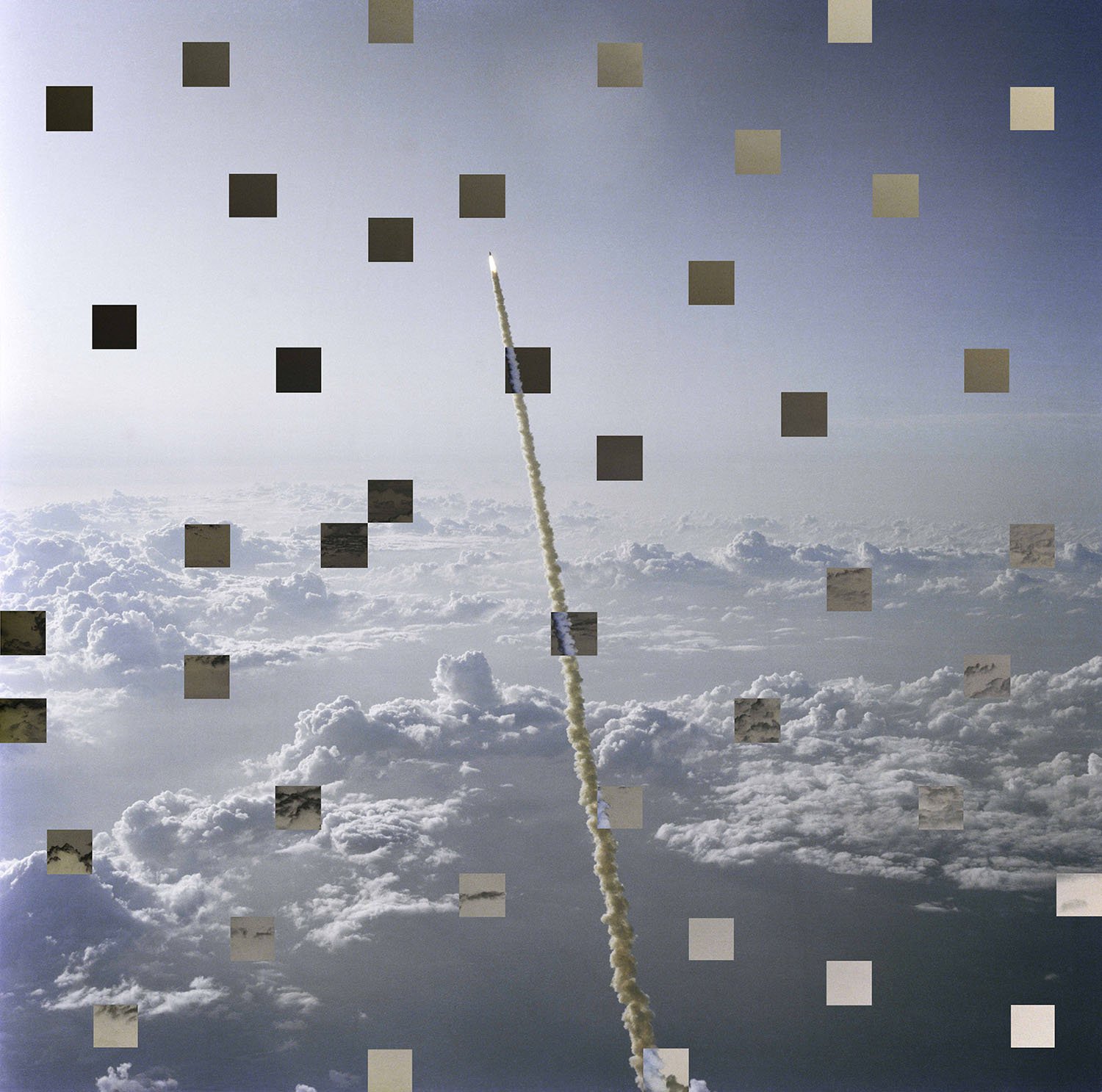

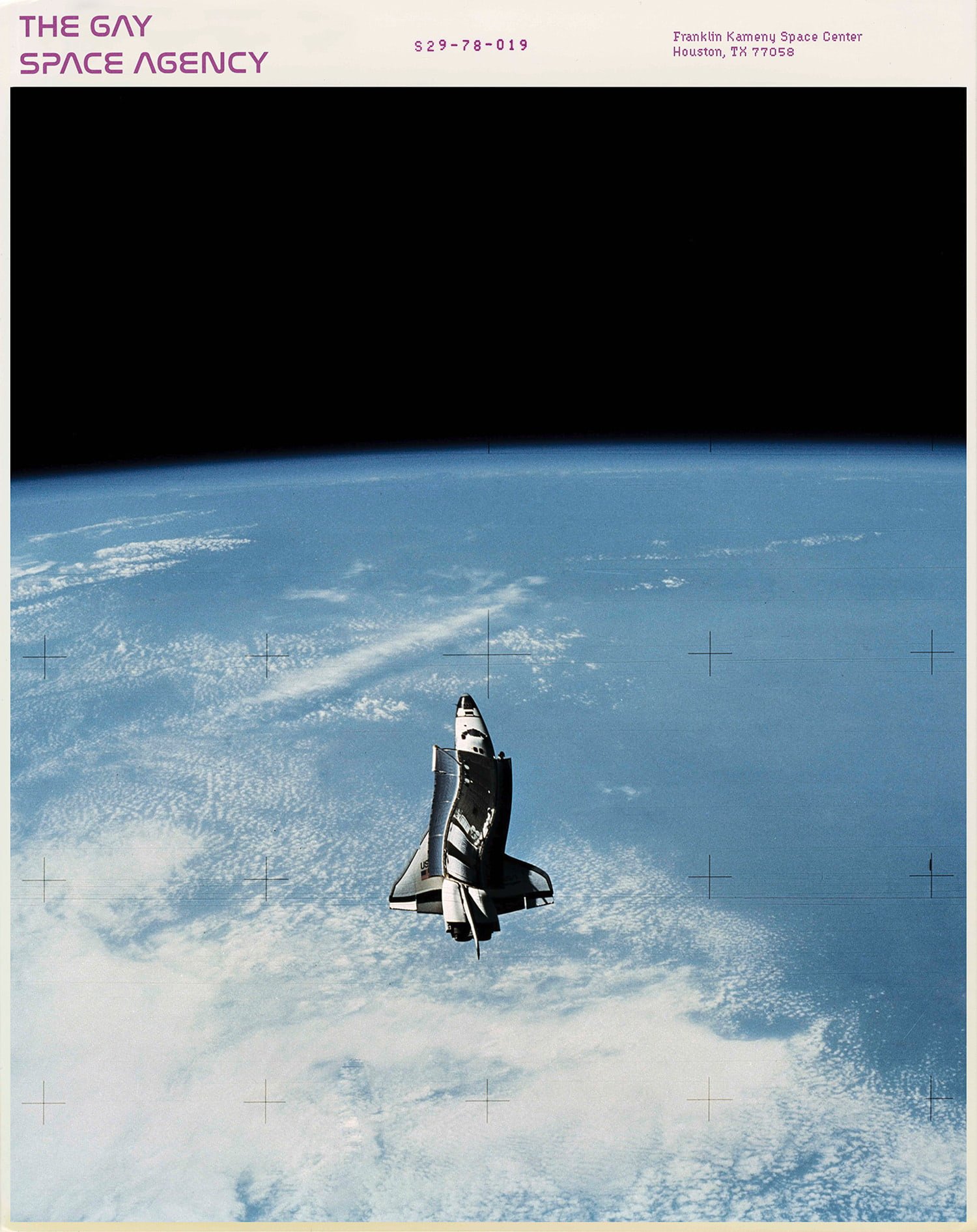
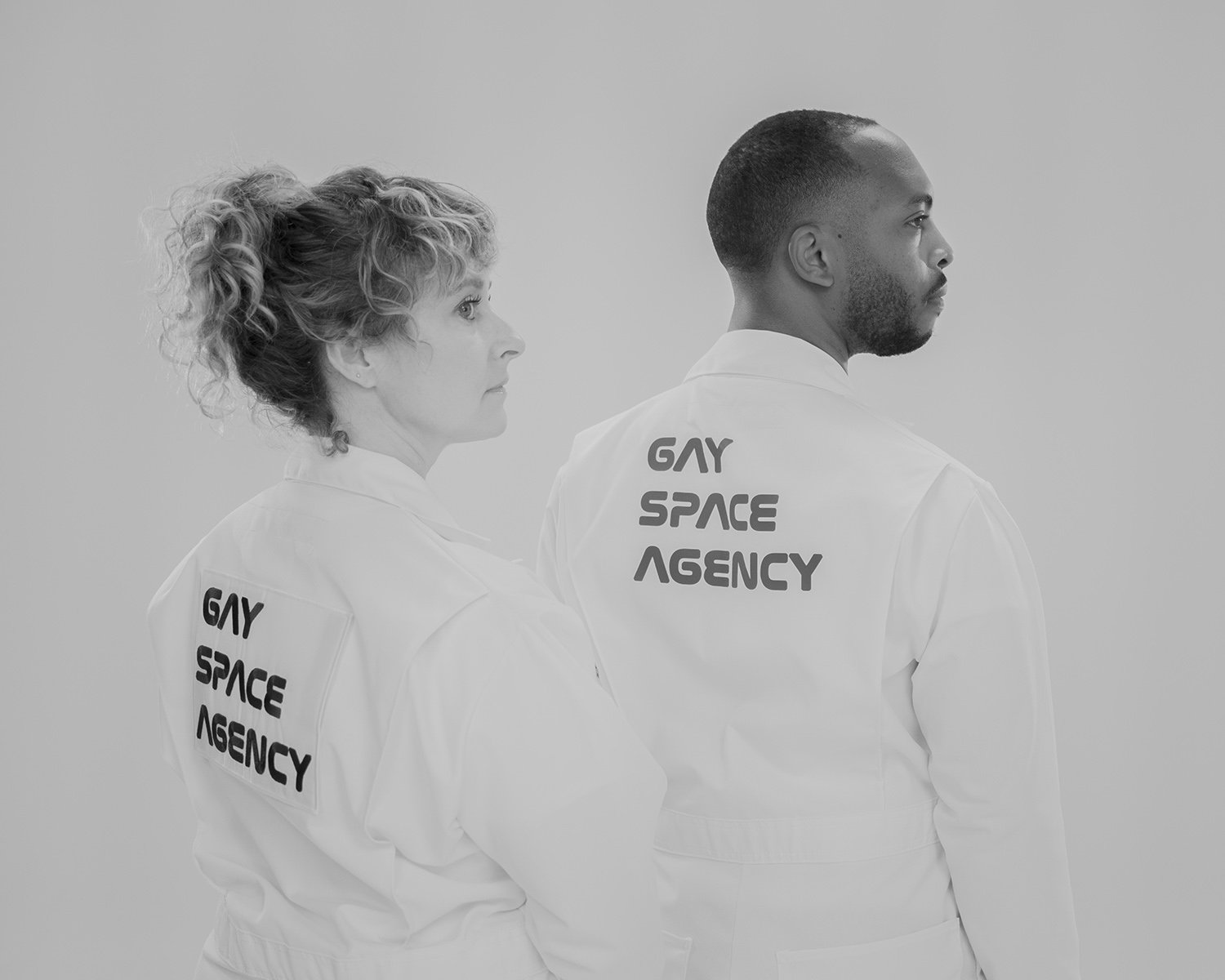


From 1959 to 1972, NASA’s Mercury, Gemini, and Apollo astronaut candidates were required to take two heterosexuality tests. In 1994, NASA asked flight surgeon Dr. Patricia Santy “to include homosexuality as a psychiatrically disqualifying condition” for astronauts. The psychiatric team protested, but NASA insisted. A 2022 study found that LGBTQ+ astronauts “perceived that being out may ‘hurt their chances of getting a [Space Shuttle] flight.'” While three astronauts’ queer sexualities became public after their missions to space, to date, NASA has never selected an openly LGBTQ+ astronaut.
Space has always been a place of inspiration. Where we have so few answers there are limitless possibilities. So why has the sky been the limit?
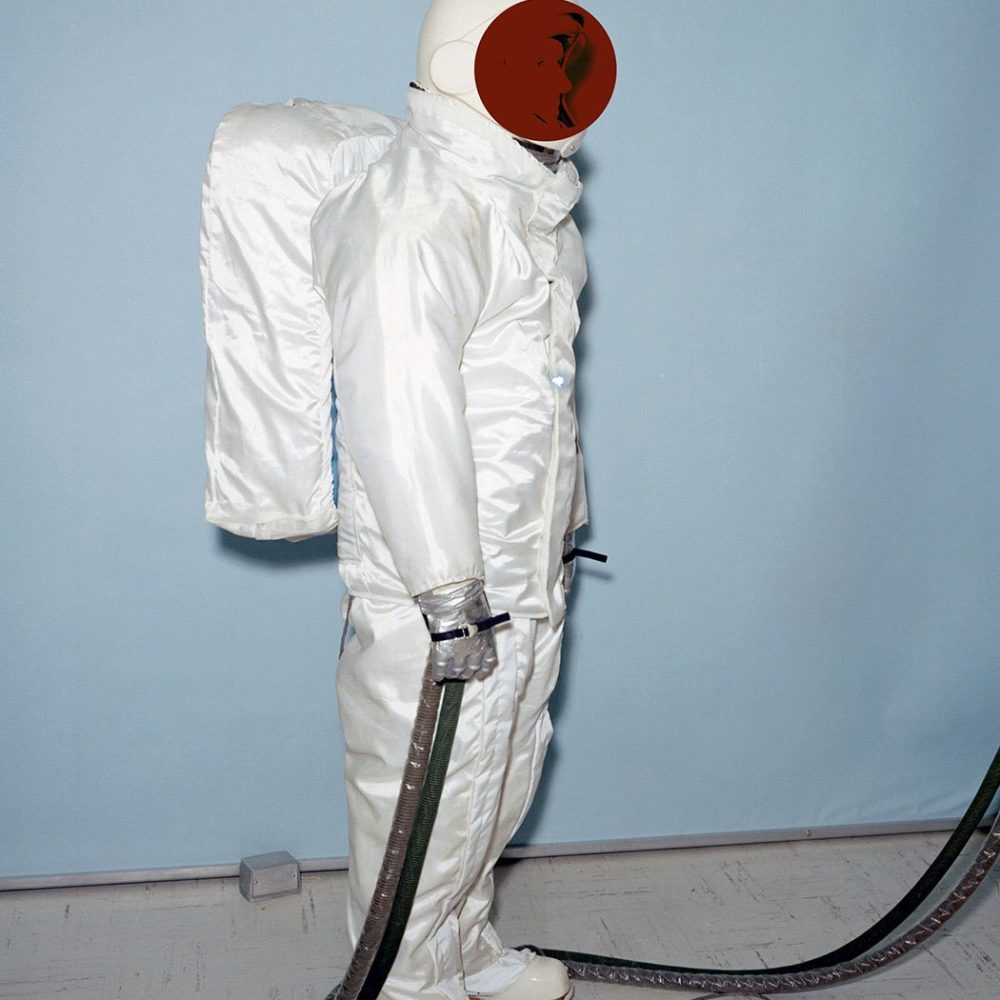
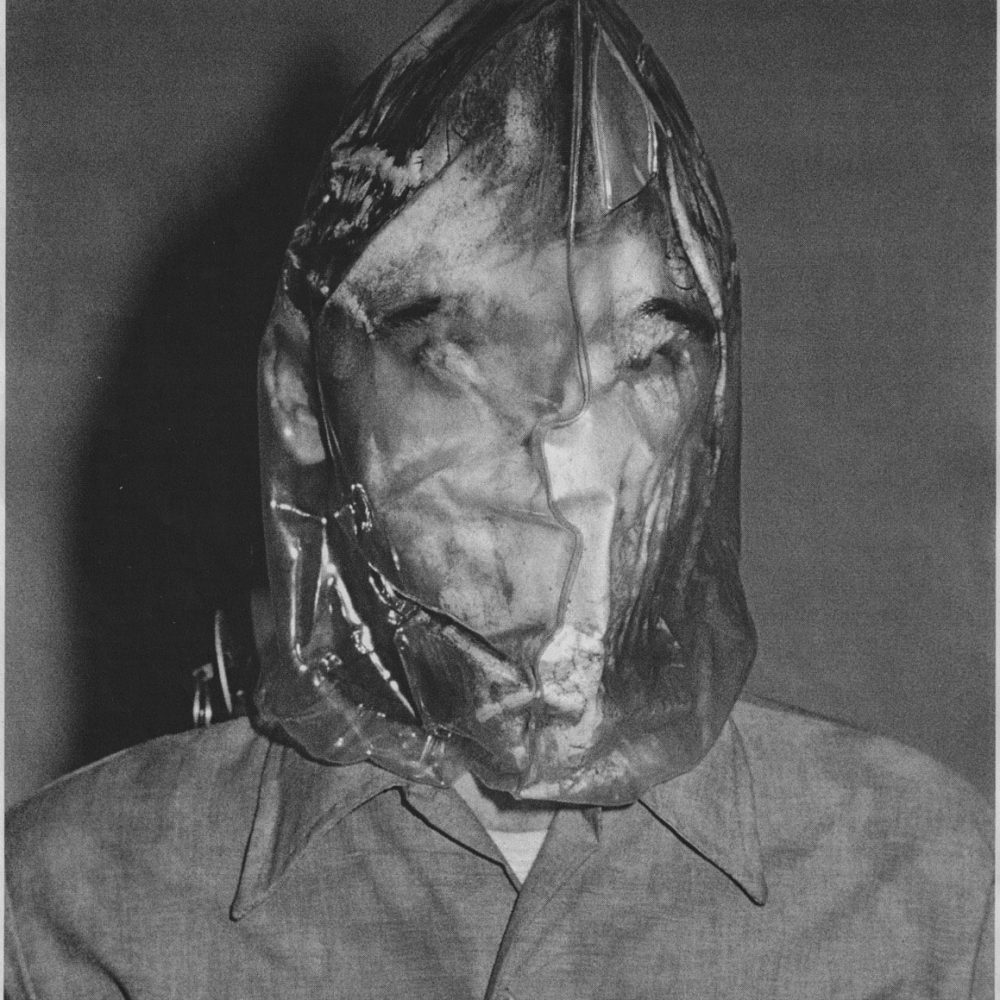
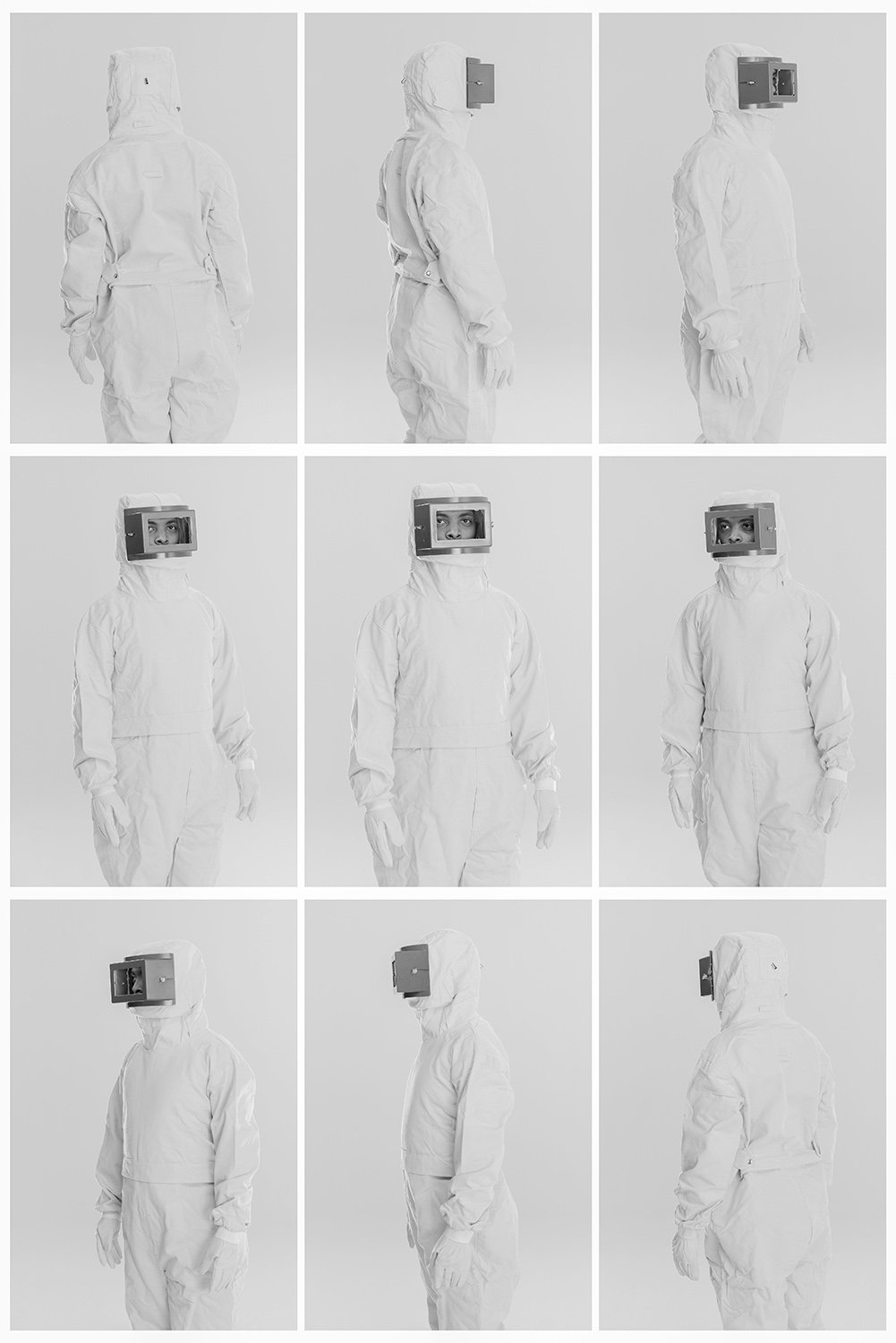
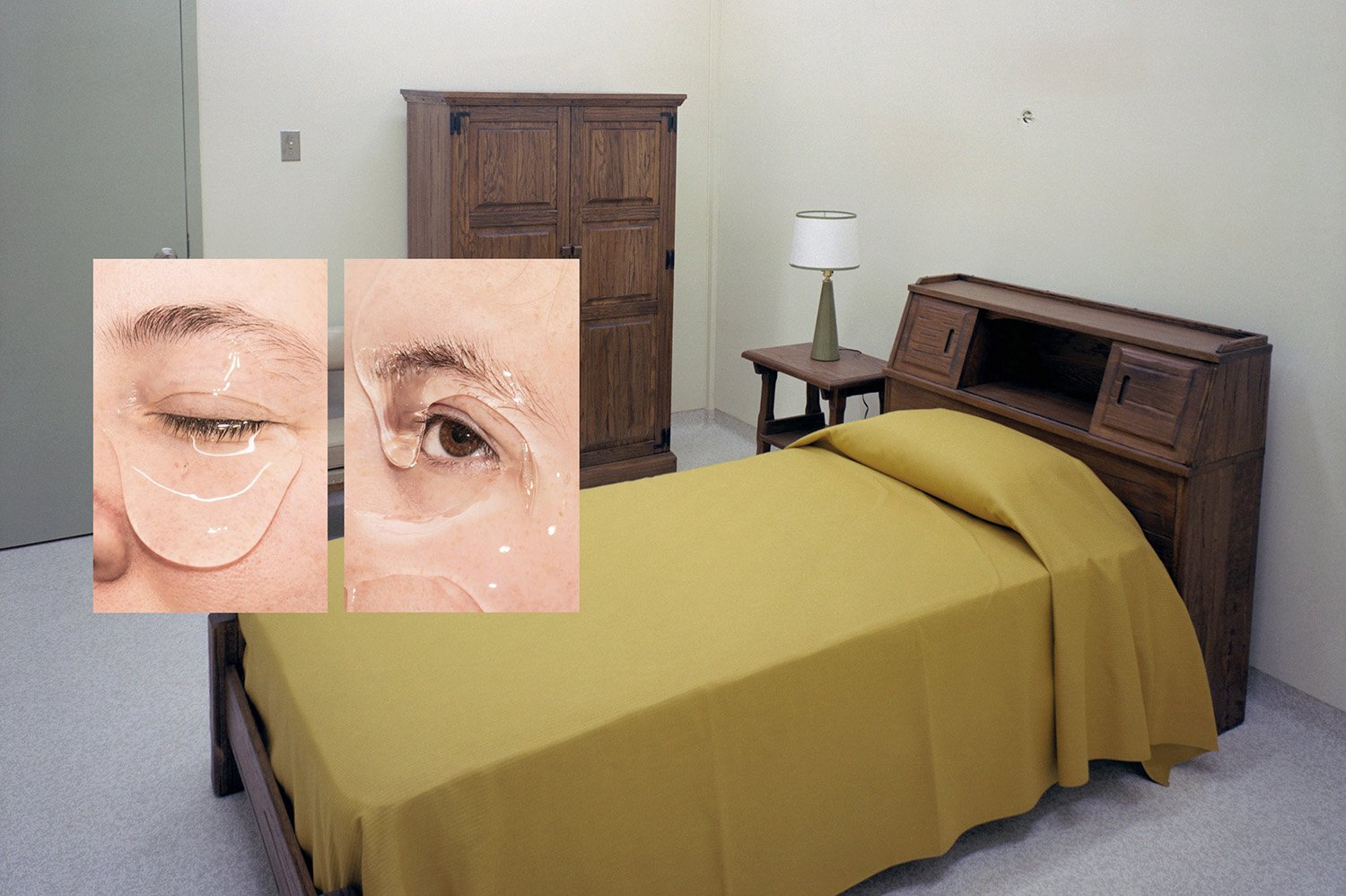
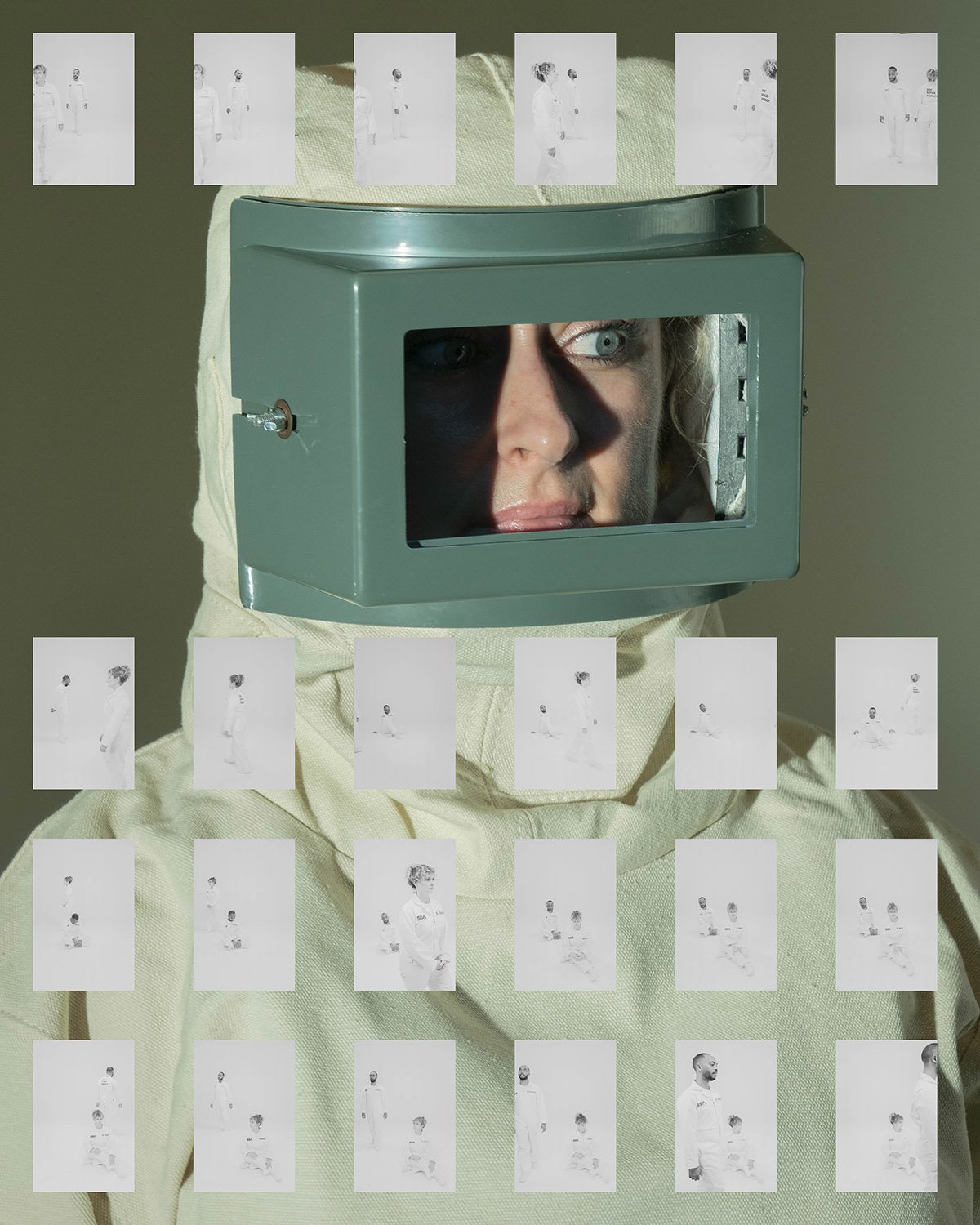
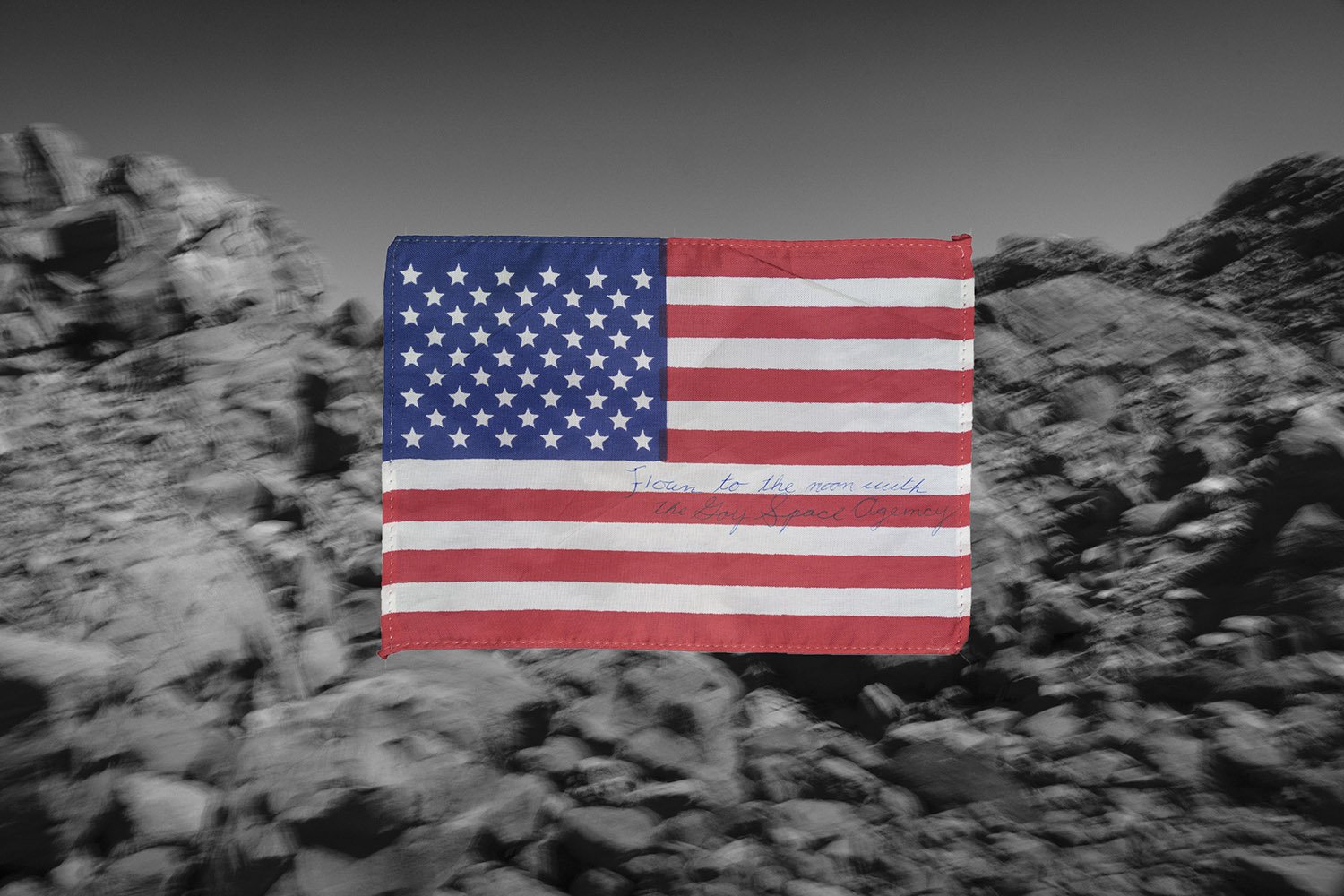
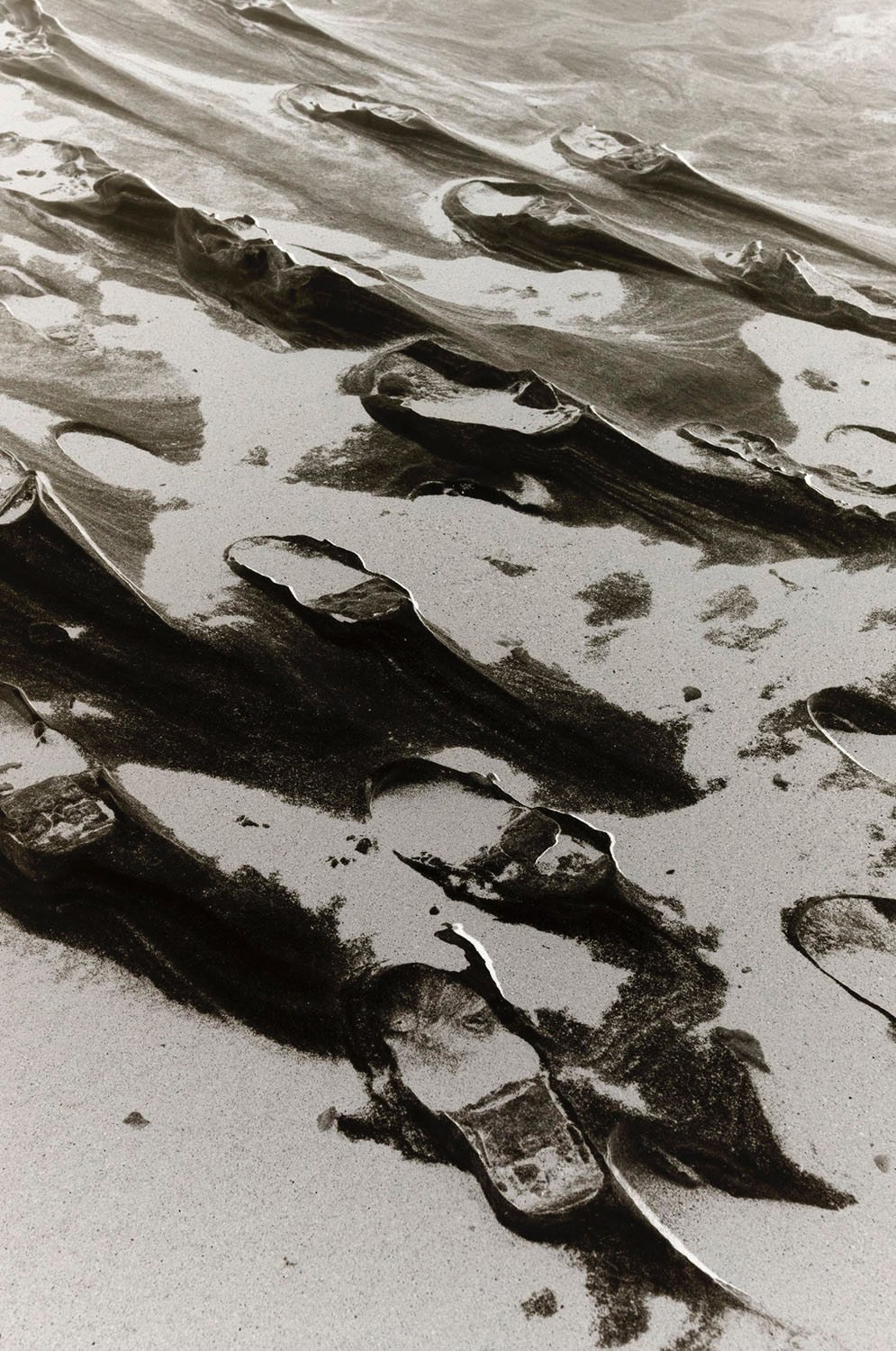
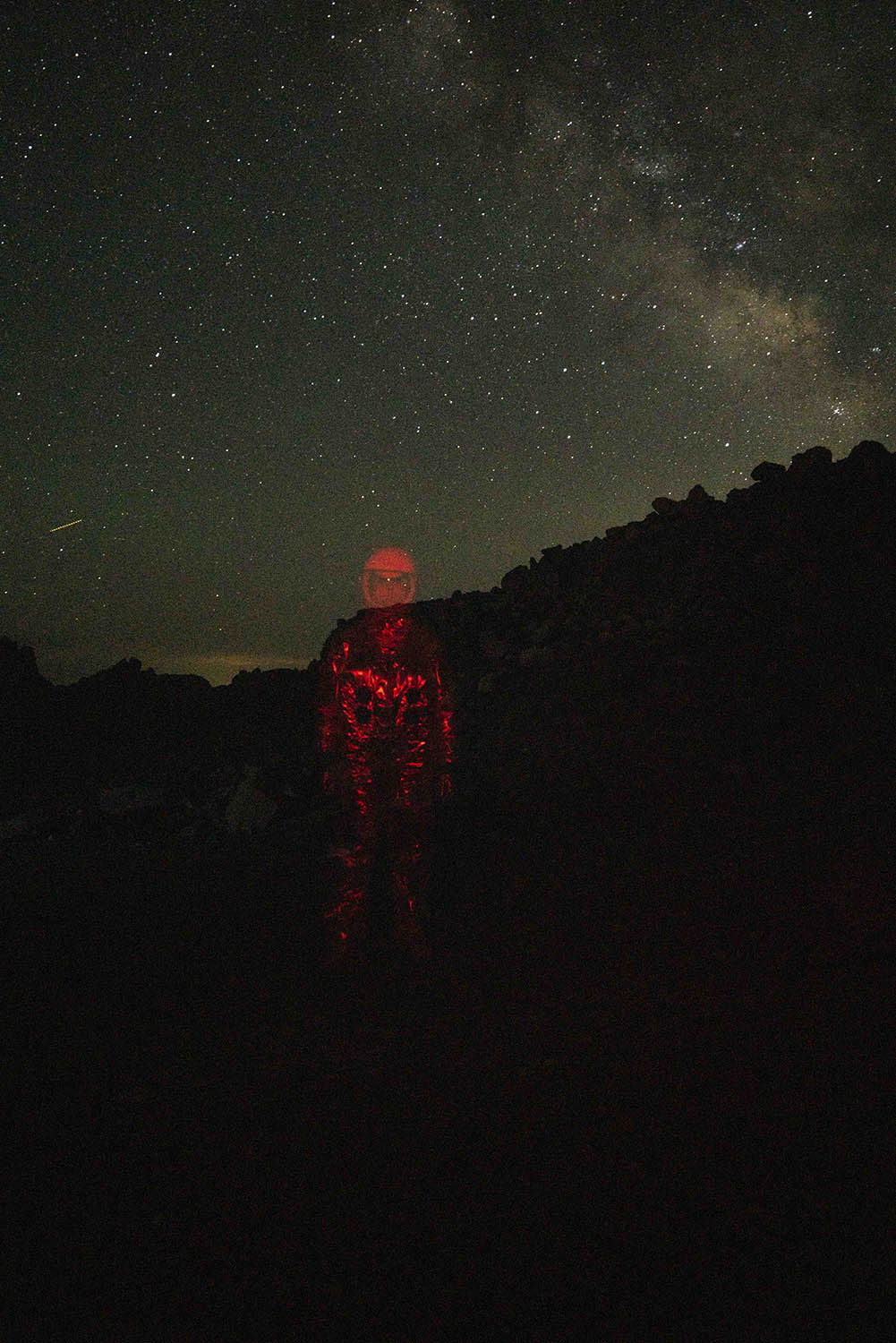
The Gay Space Agency confronts the American space program’s historical exclusion of openly queer astronauts. Guided by extensive research, part one highlights the history that has prevented the LGBTQ+ community from flying. Using a mix of NASA archival images and documents alongside original other-worldly imagery, this part weaves together a visual narrative from the beginning of the astronaut program in 1959 to the present day.
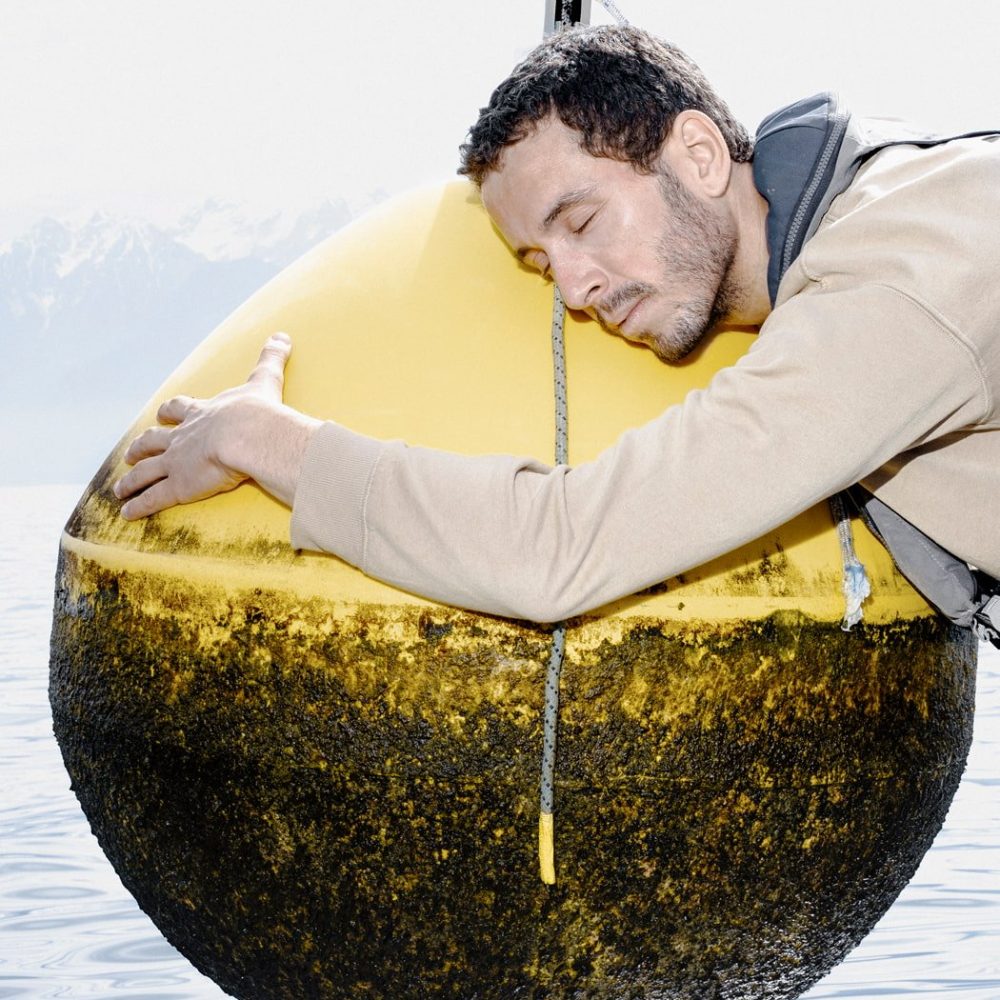
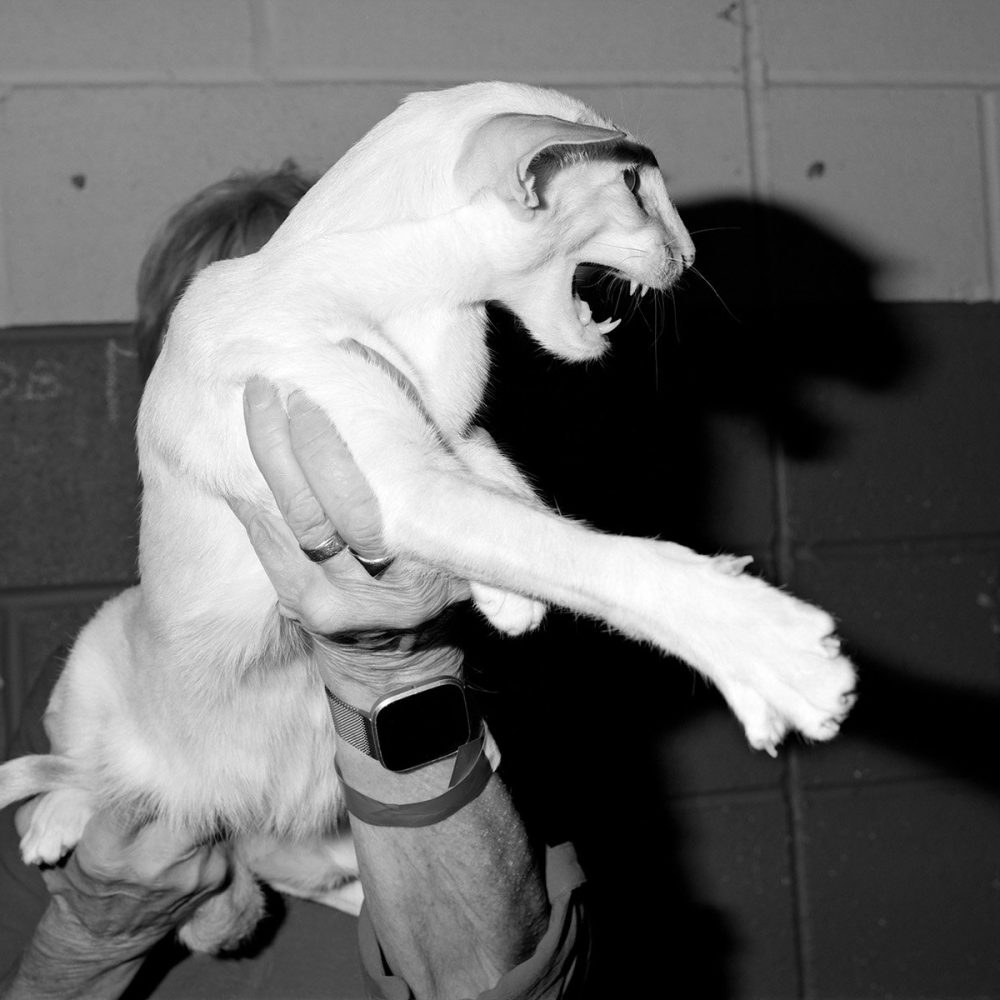
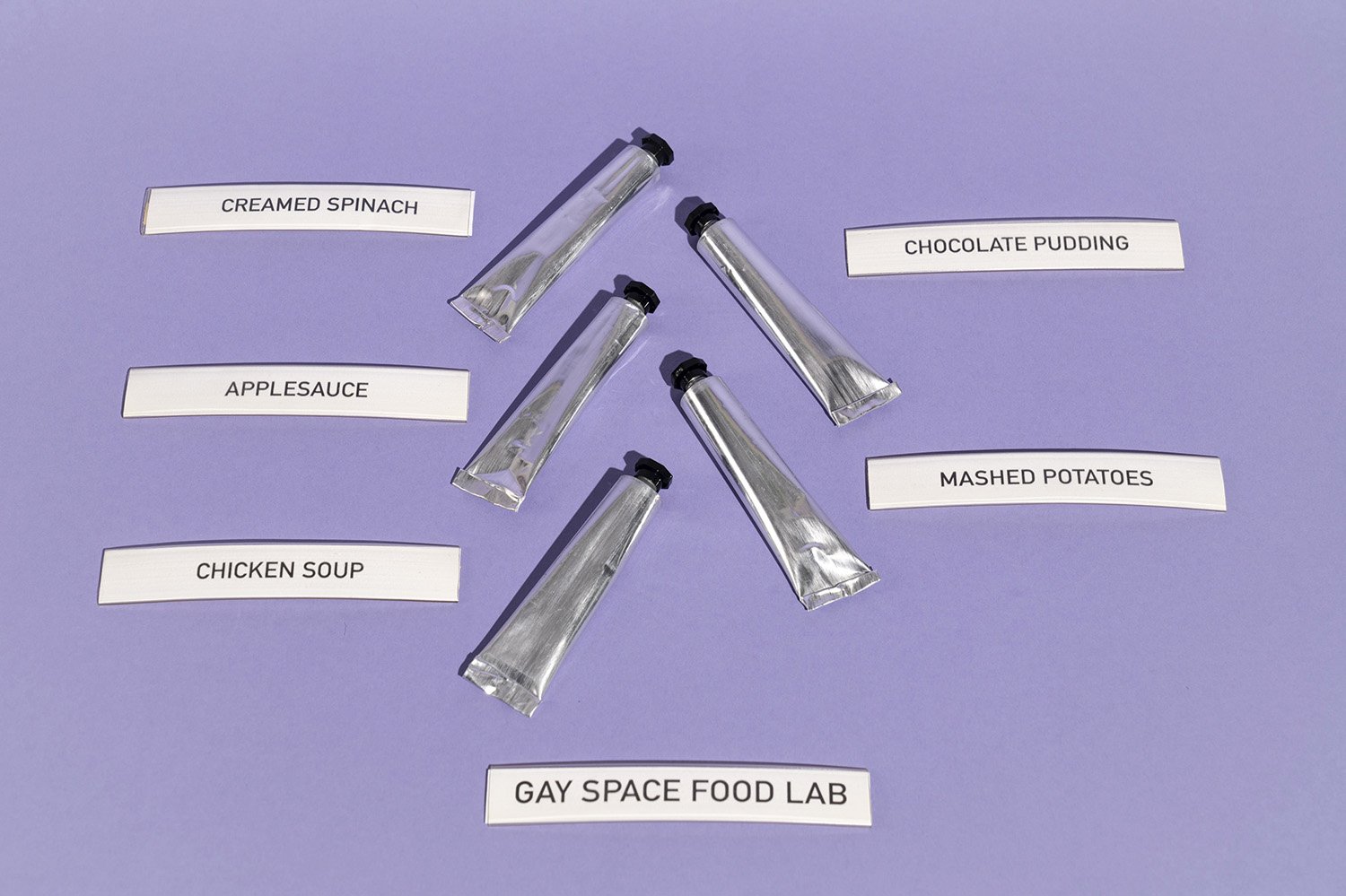
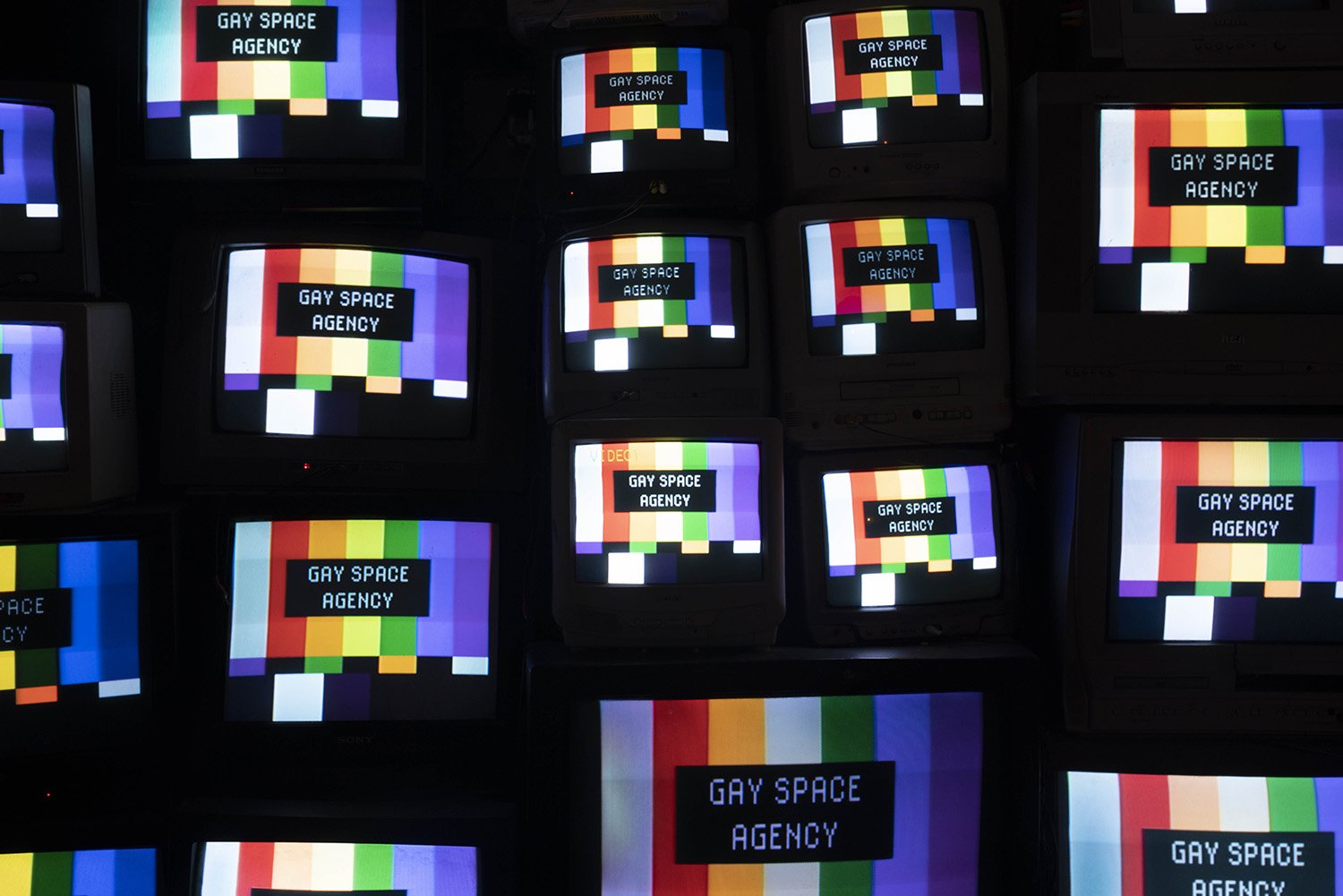
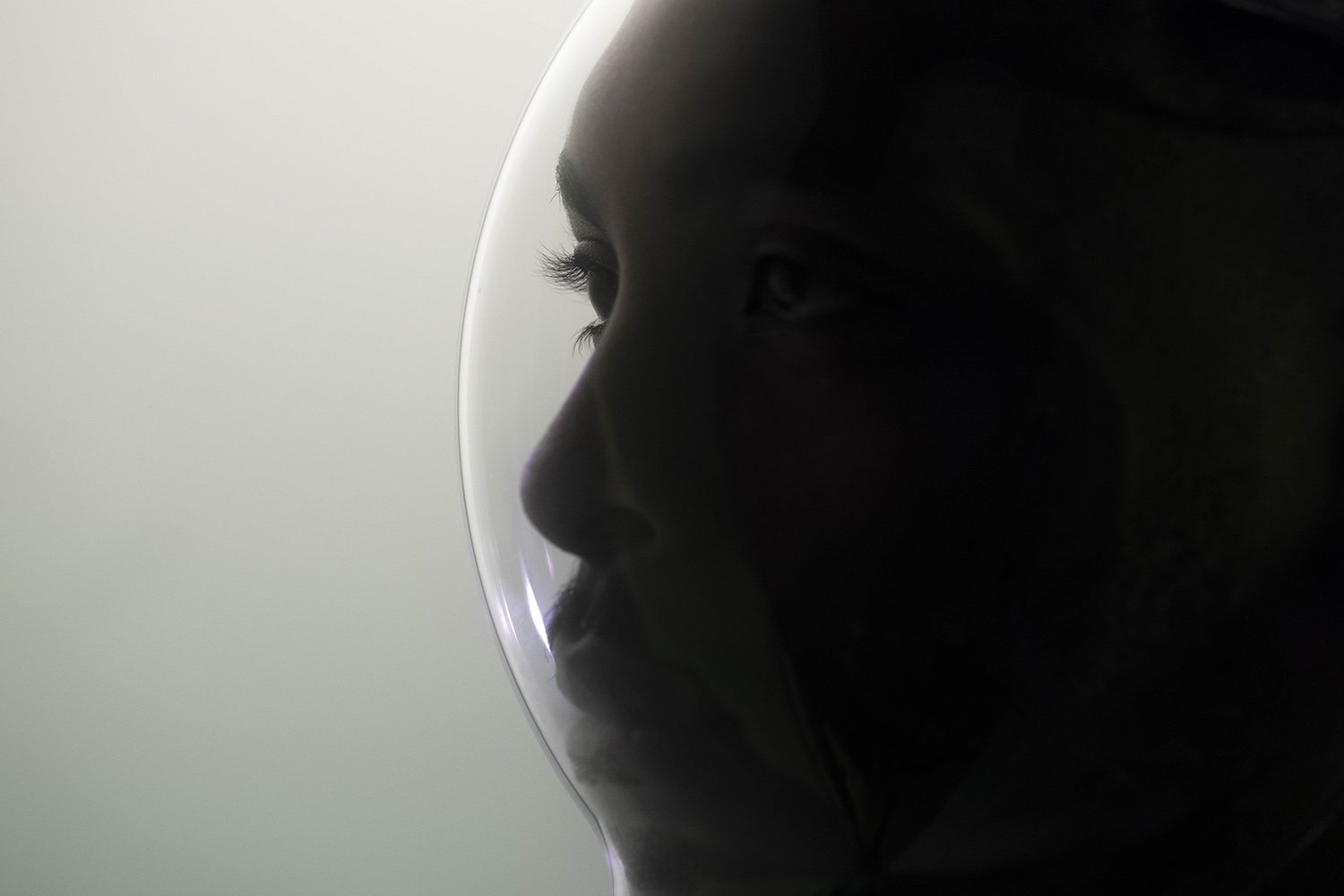
Part two then celebrates all identities and imagines queer astronauts with a fictional space agency called the Gay Space Agency. The images comprise a mix of documentation working with the nonprofit Out Astronaut — which supports early career LGBTQ+ professionals to embark on initial astronaut training — as well as staged, completely fictional images. The project offers a counter-narrative to the history of the astronaut program and imagines a diverse and accepting future below and above our atmosphere.
As Carl Sagan said, “The Cosmos is within us. We are made of star-stuff. We are a way for the universe to know itself.” All of us, not some of us.
In 1983, Sally Ride became not only the first American female in space but is currently recognized as the first queer astronaut. However, her sexuality would not become public until 2012, when her obituary read: “Dr. Ride is survived by her partner of 27 years, Tam O’Shaughnessy.” Ride chose to keep her sexuality private and was never out in her lifetime.
With the erasure of diversity, equity, and inclusion programs at NASA and across the U.S. federal government in 2025, we are moving towards the social era of the 1950s, before humans ever went to space. Since the beginning of human life, we have looked up to the stars and dreamed. They have guided us and inspired us. Over the last century, we have been closer to them than ever before. Yet, political systems and societal biases dictate that the stars are for the select few who fit their criteria.
To bridge the diversity gap and work towards a more inclusive future, The Gay Space Agency book envisions queer people in space. By traversing its edges, we can imagine a world that is not limited by anti-LGBTQ+ sentiments. As NASA’s Artemis program aims to establish a permanent presence on the moon beginning in 2027, The Gay Space Agency asks what it truly means to have the “right stuff.”