The Rocket’s Red Glare
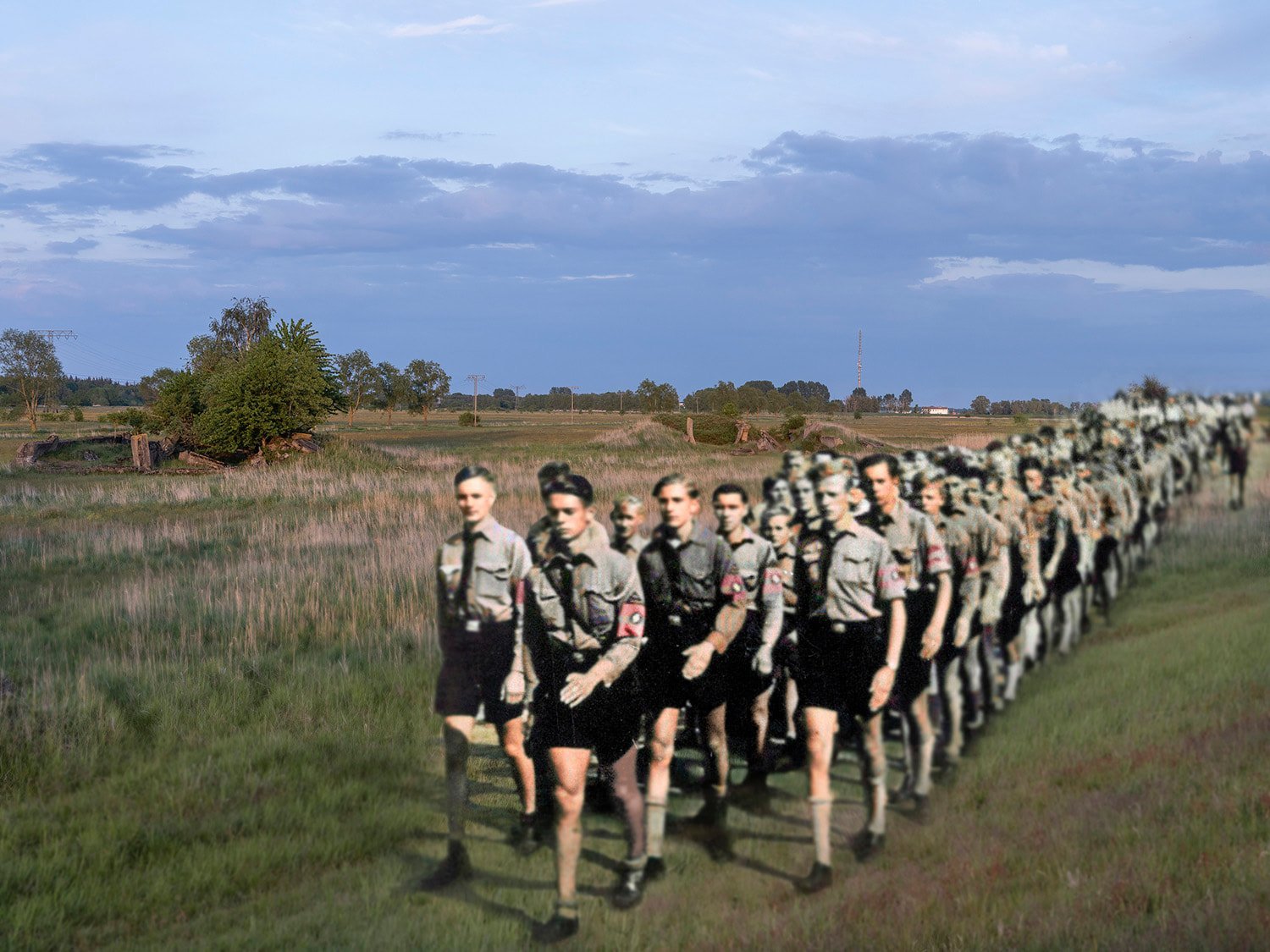
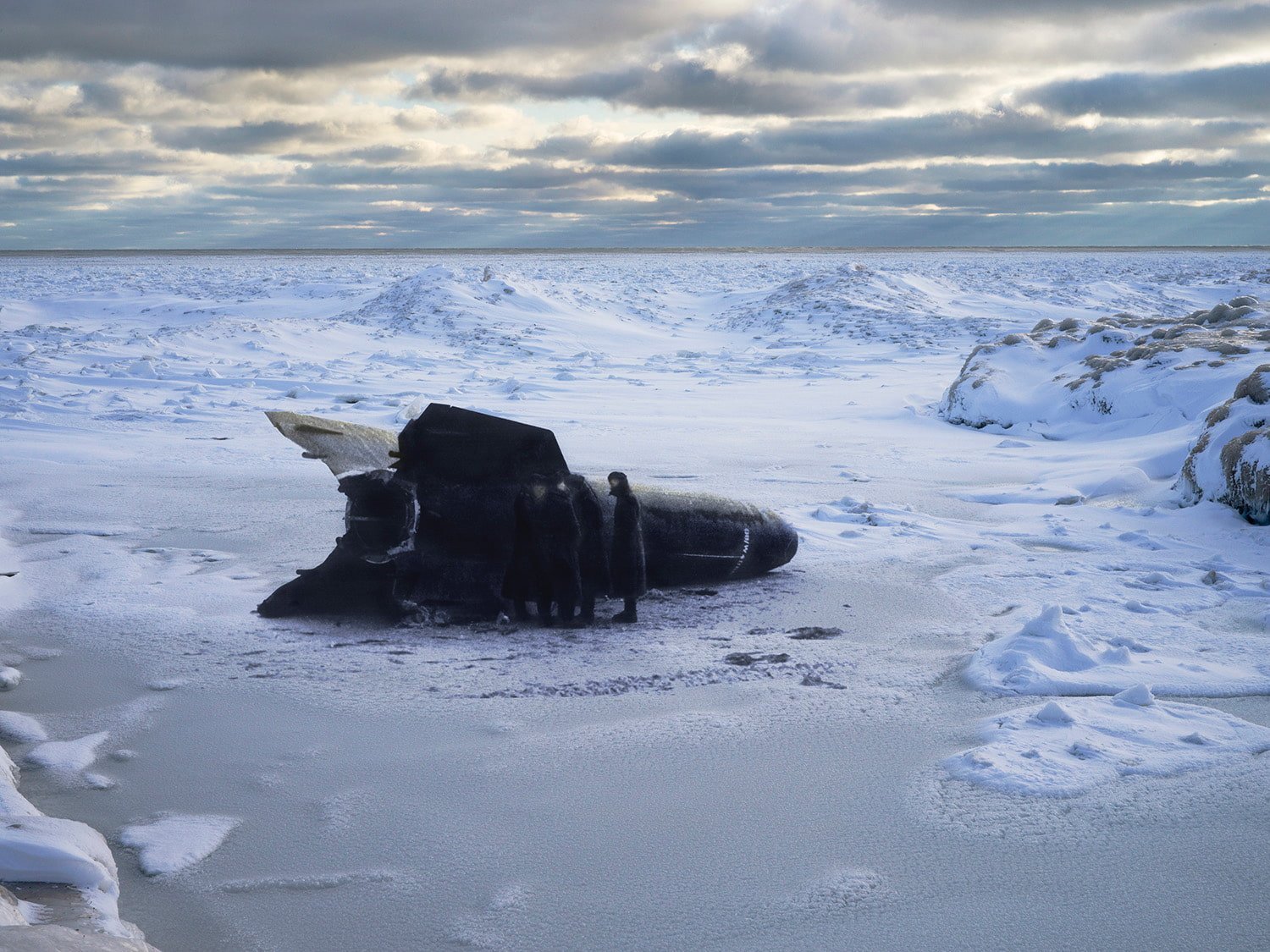
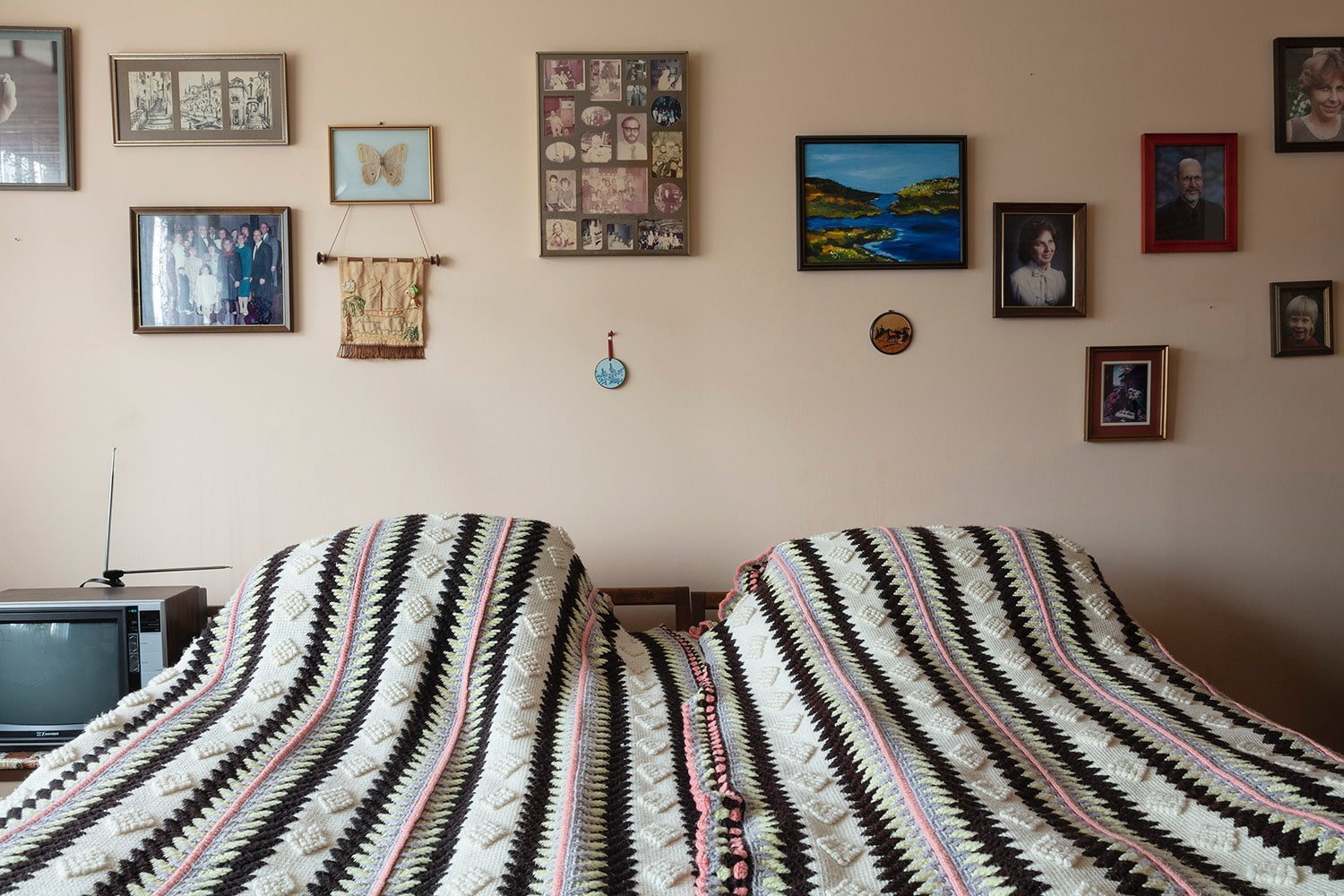
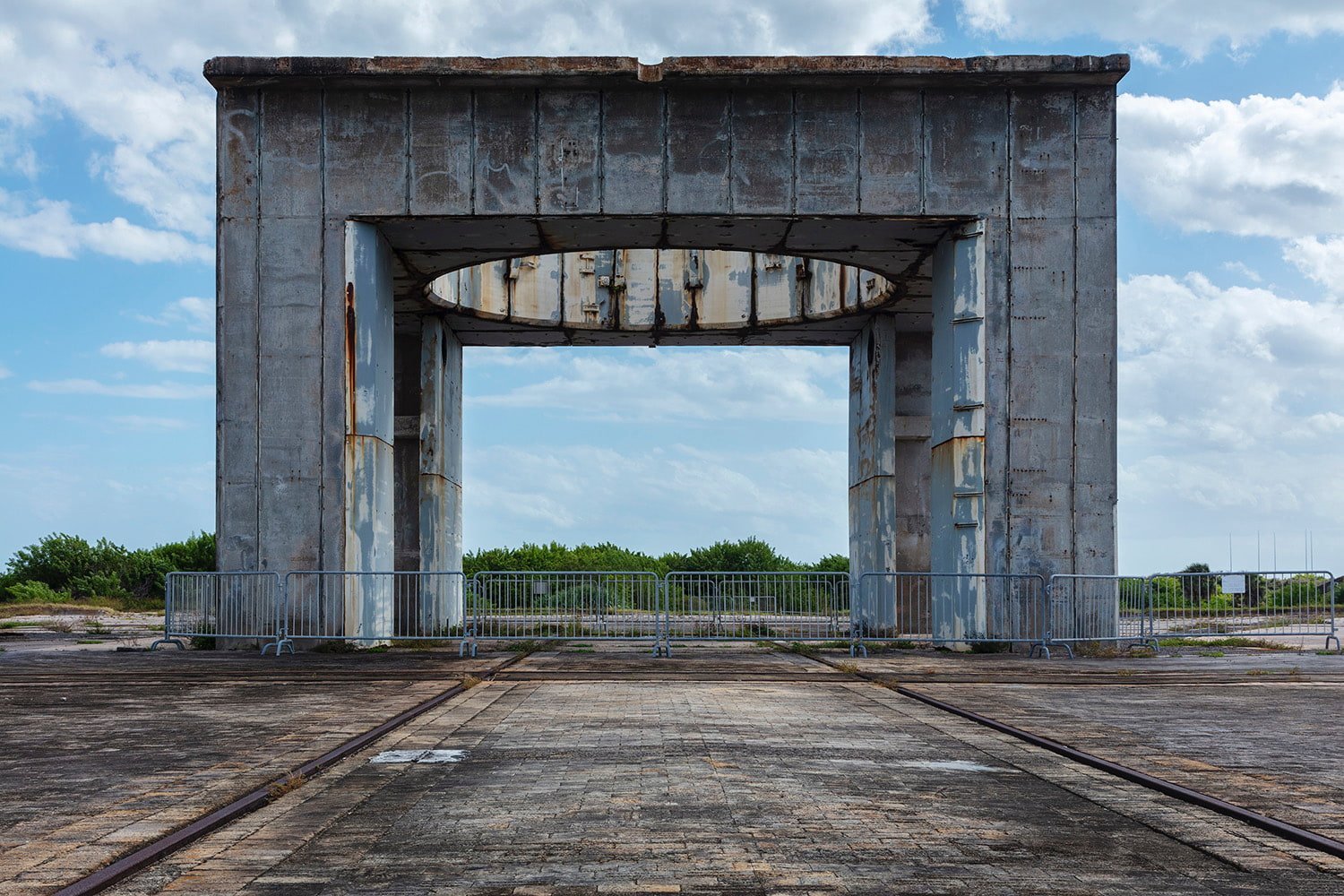
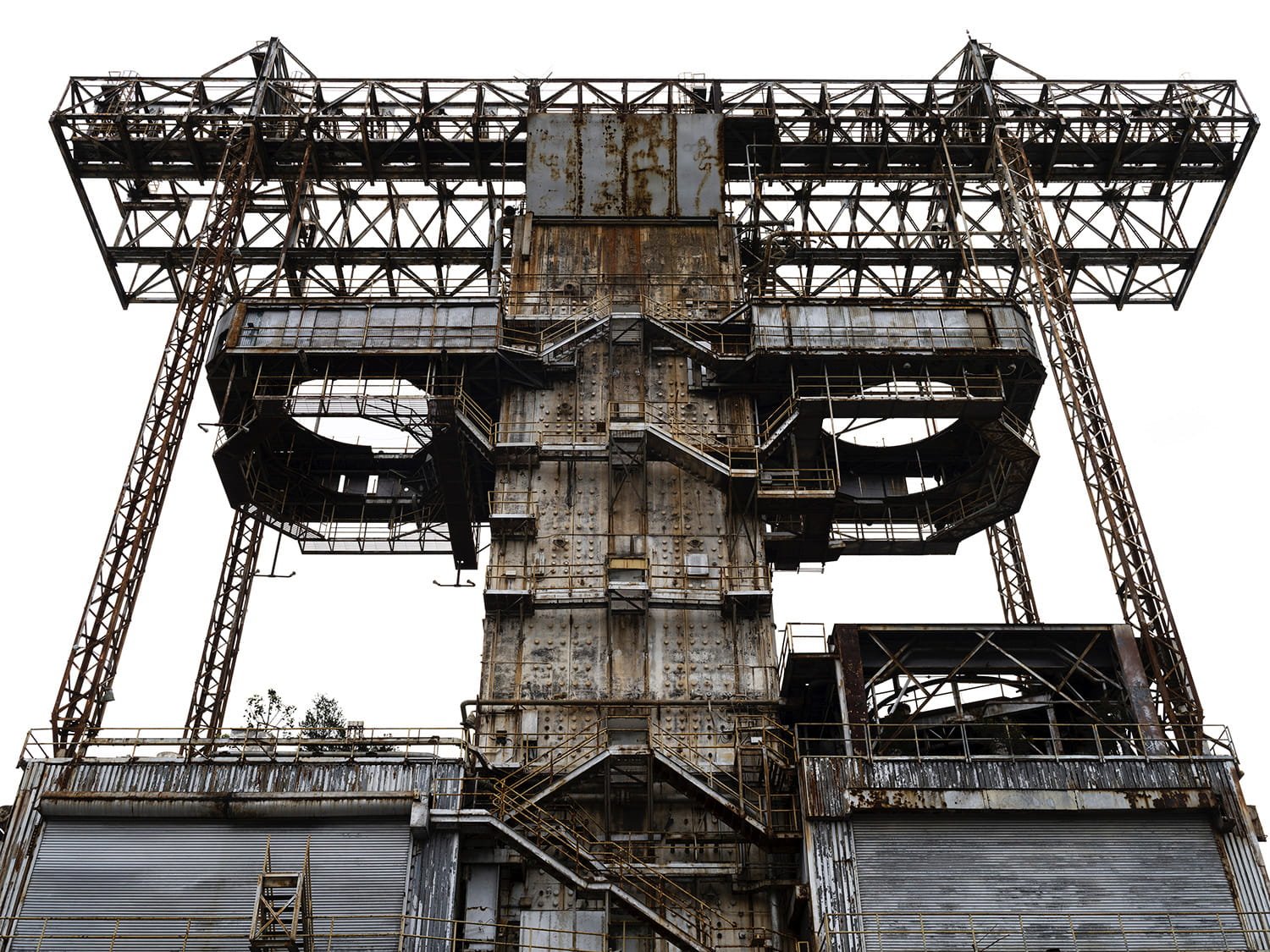
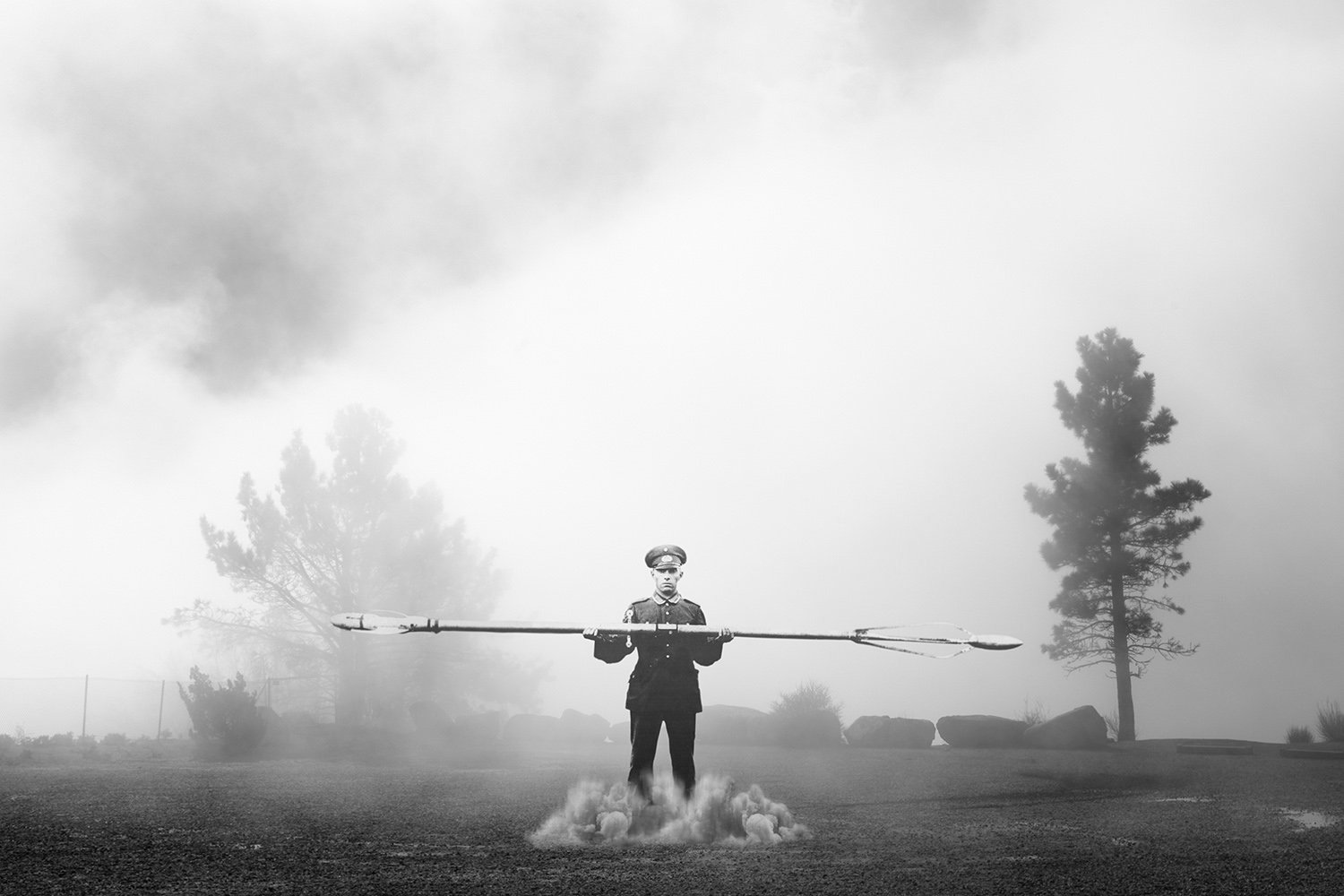
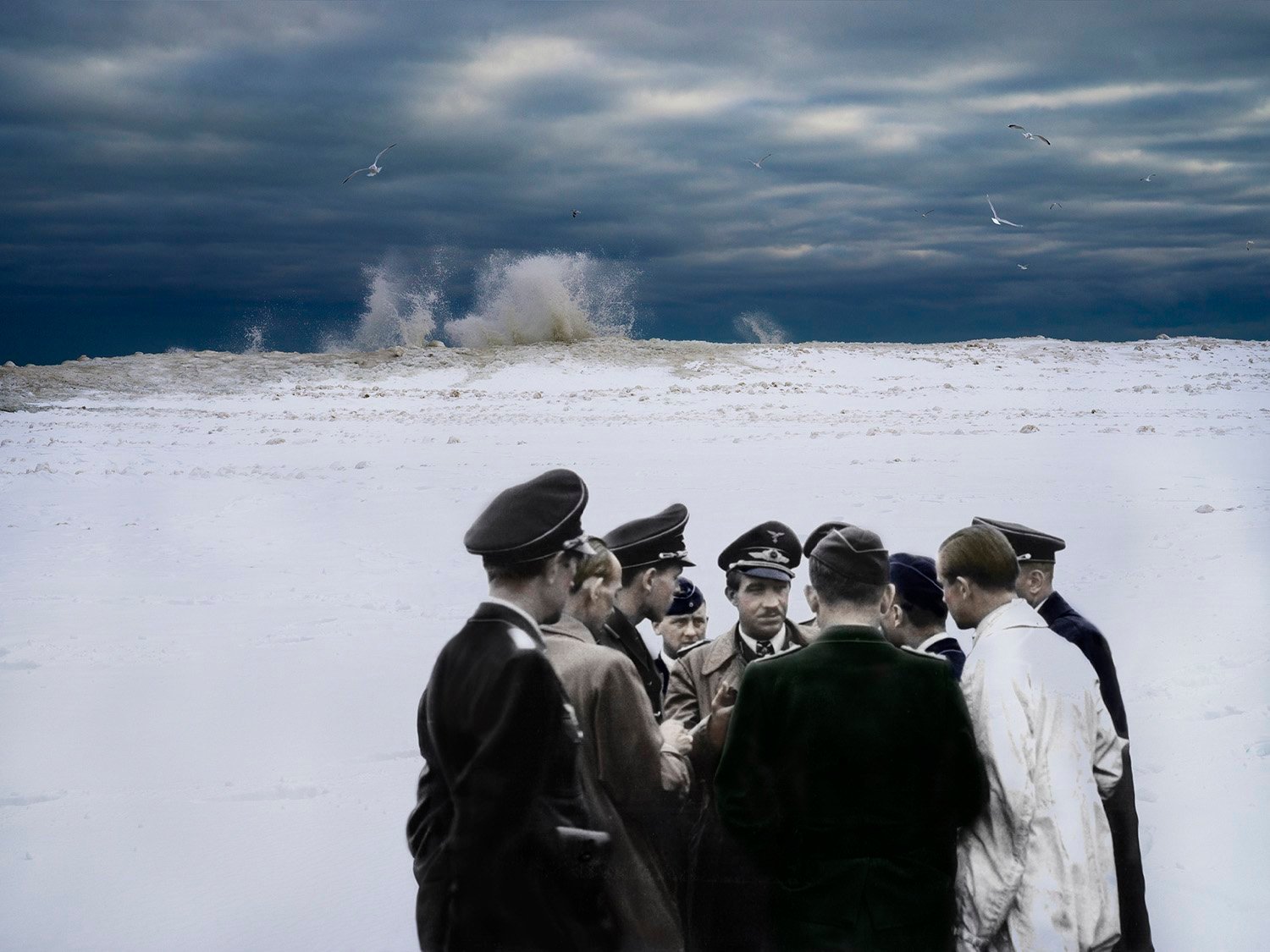
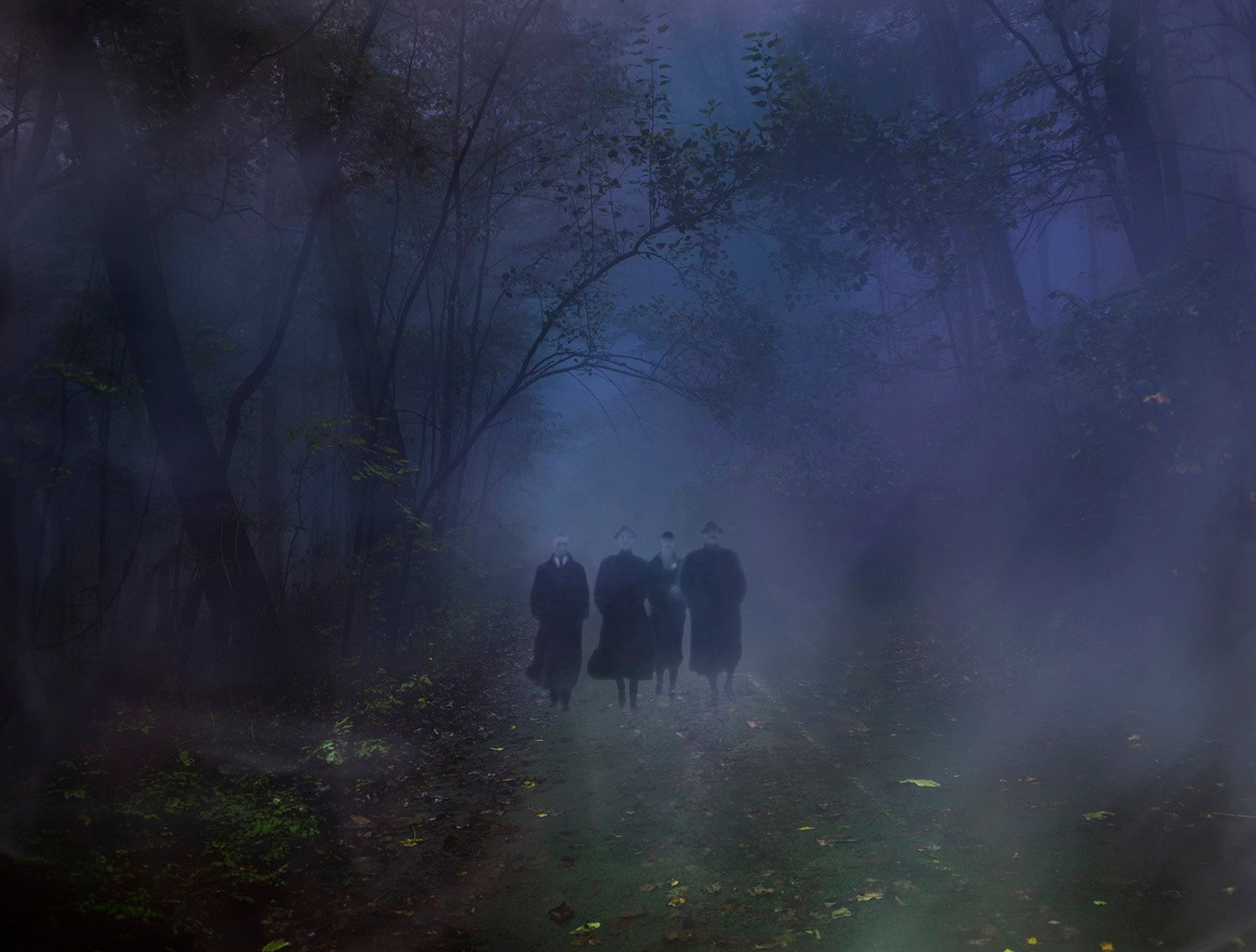
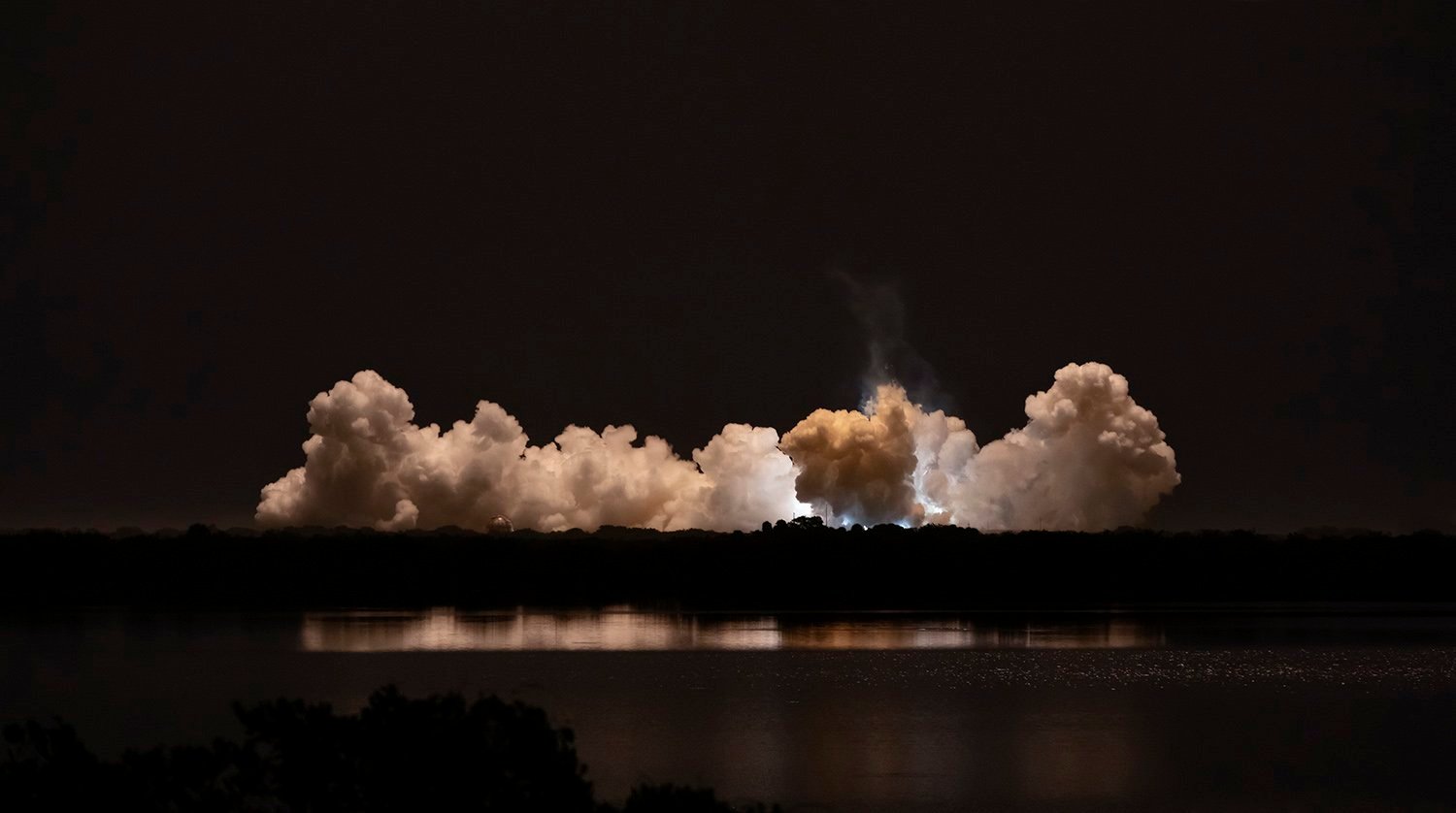
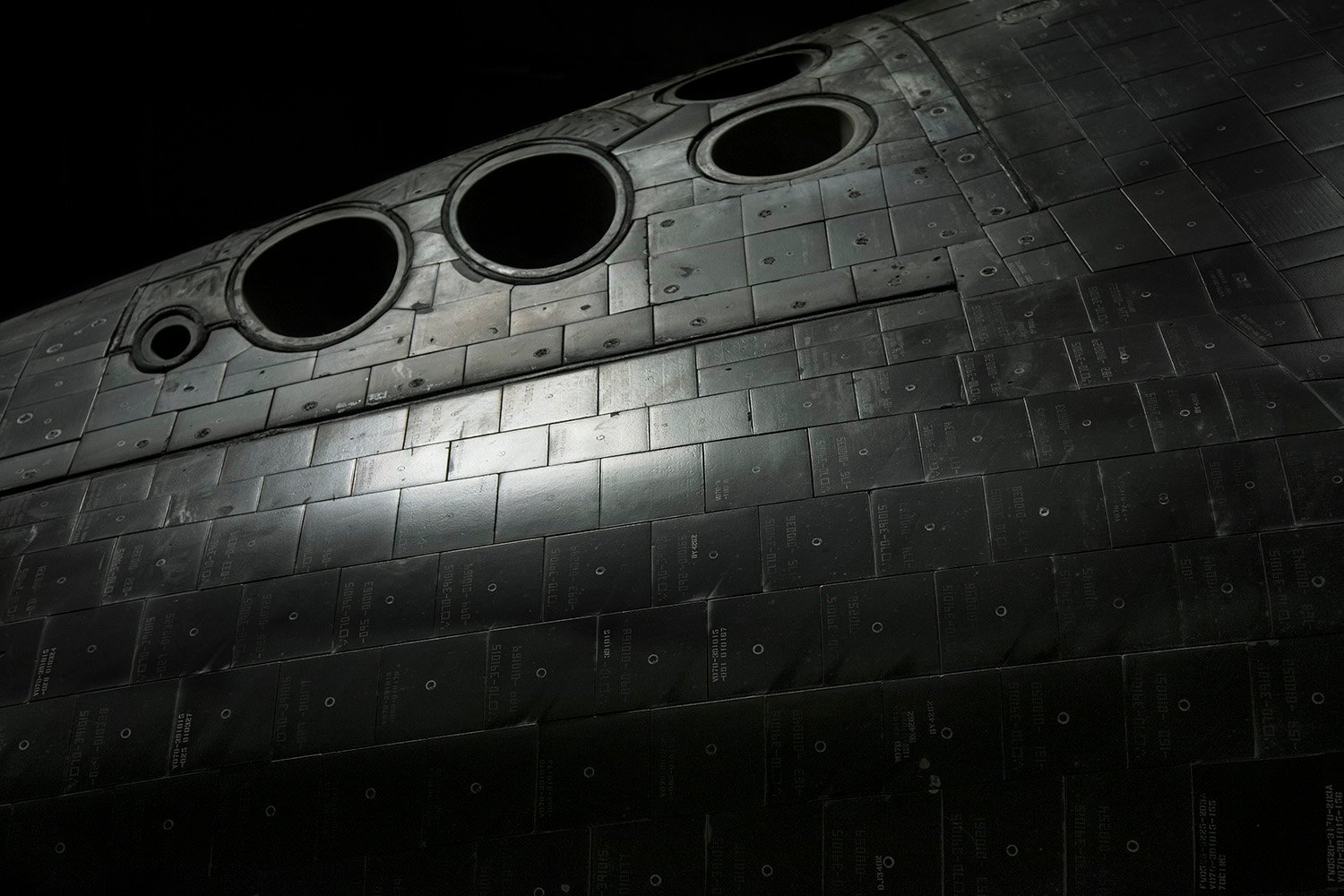
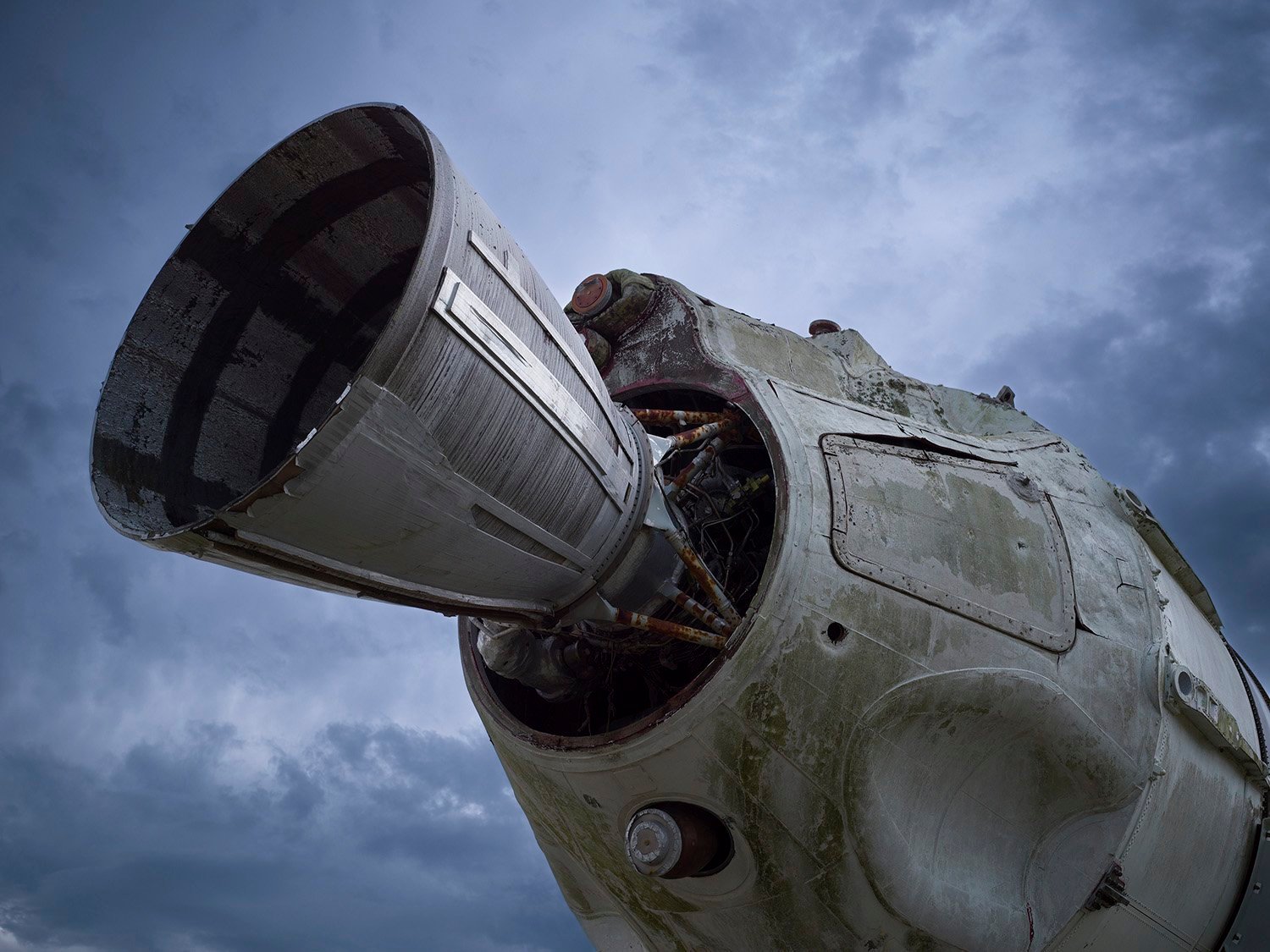
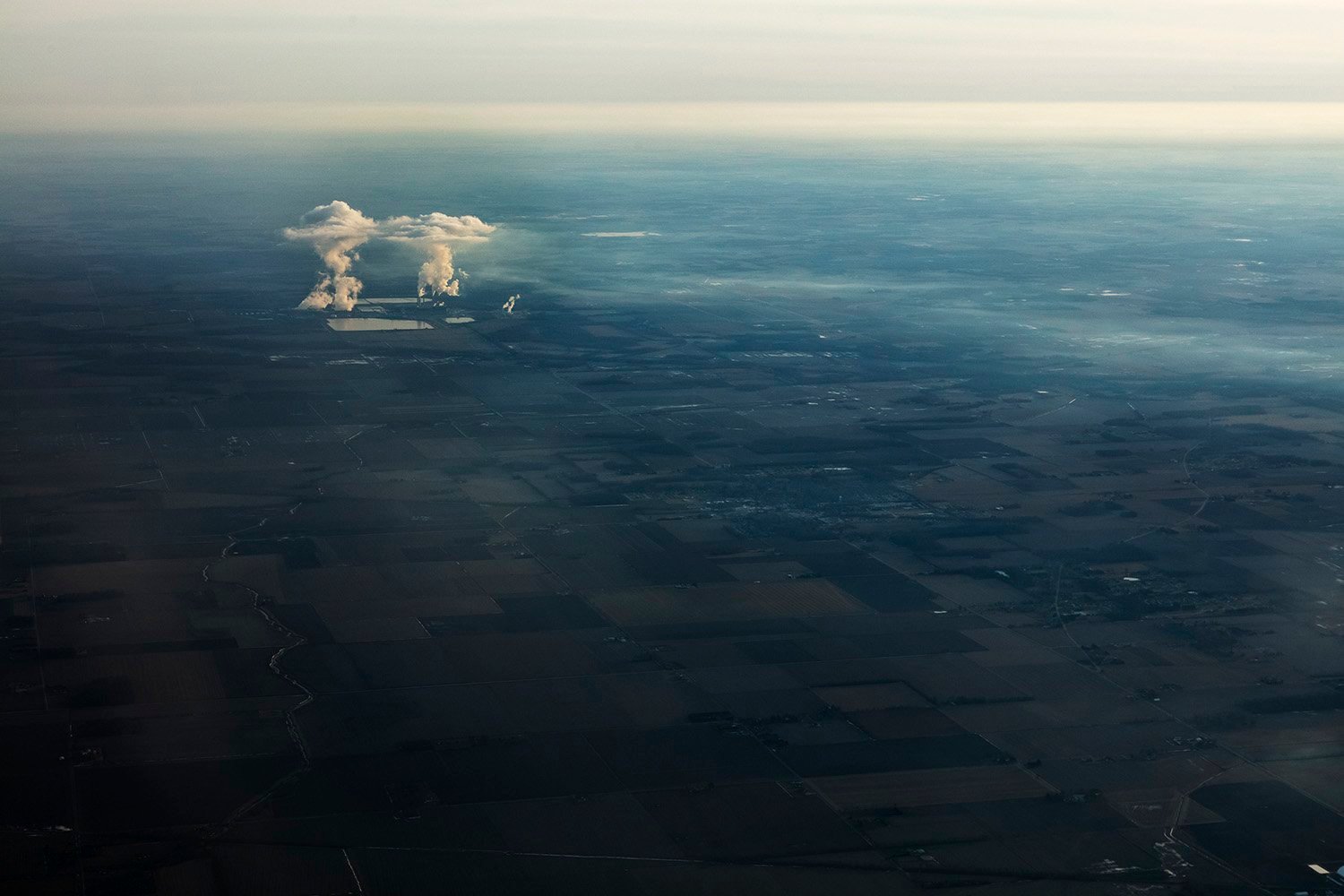
The Rocket’s Red Glare uses the life of instrumental German rocket scientist, Wernher von Braun, to explore the selective way history is told. This series challenges the often dual retelling of significant 20th century events, starting in Nazi-era Germany and culminating in the moon landing. My interest in interpreting this chain of events comes from my own reckoning with history and my complicated German heritage surrounding World War II.
I was born and raised in Germany to an American mother and German father. The latter, who passed away in 2007, was a young boy during World War II. It was hard for him to talk about the war and therefore unclear to me where my family fit into that historical moment. As far as I know my grandfather and uncle did not join the Nazi Party but both fought on the German side. My uncle was 18 when he was wounded during the last days of the war and died shortly after of his injuries.
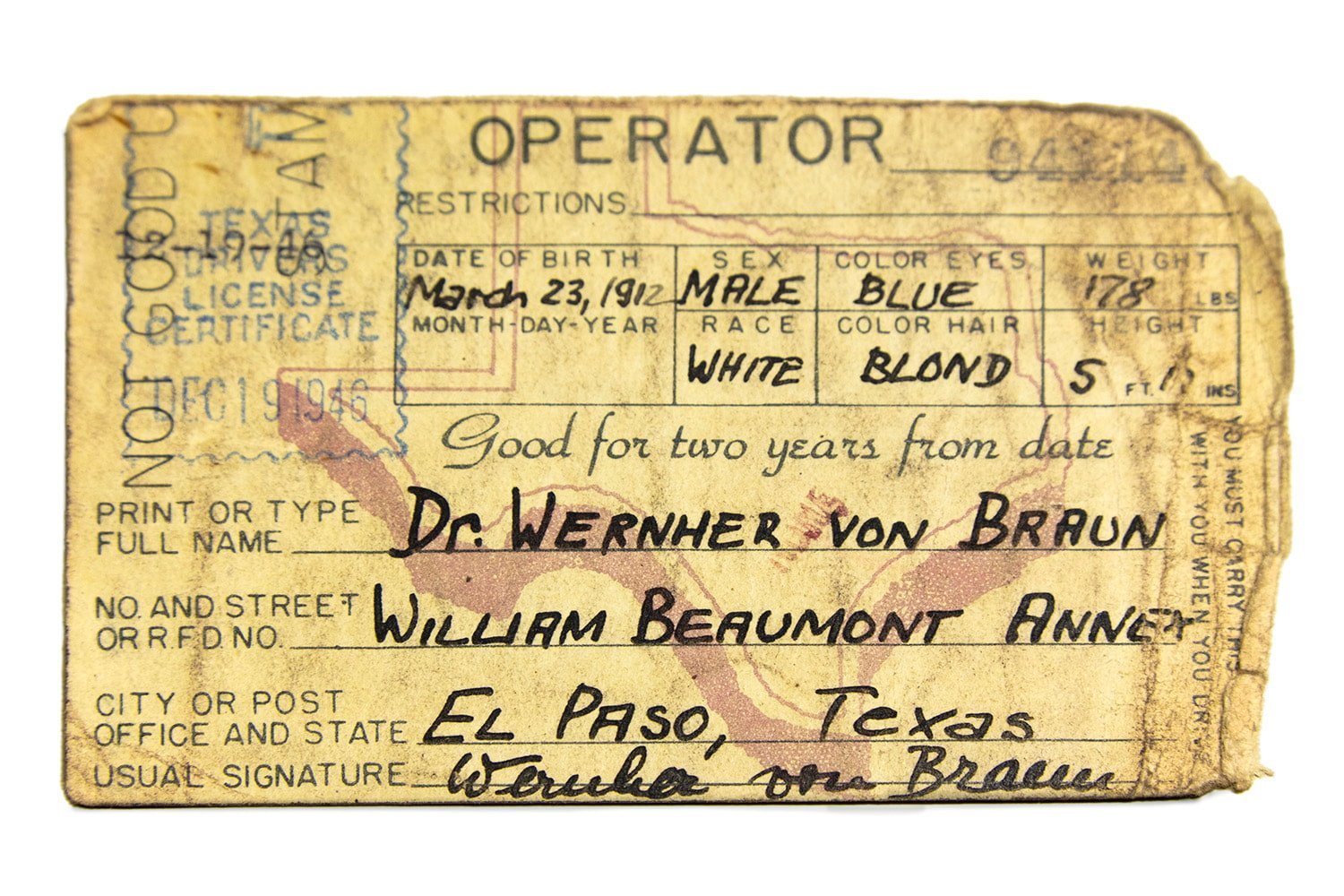
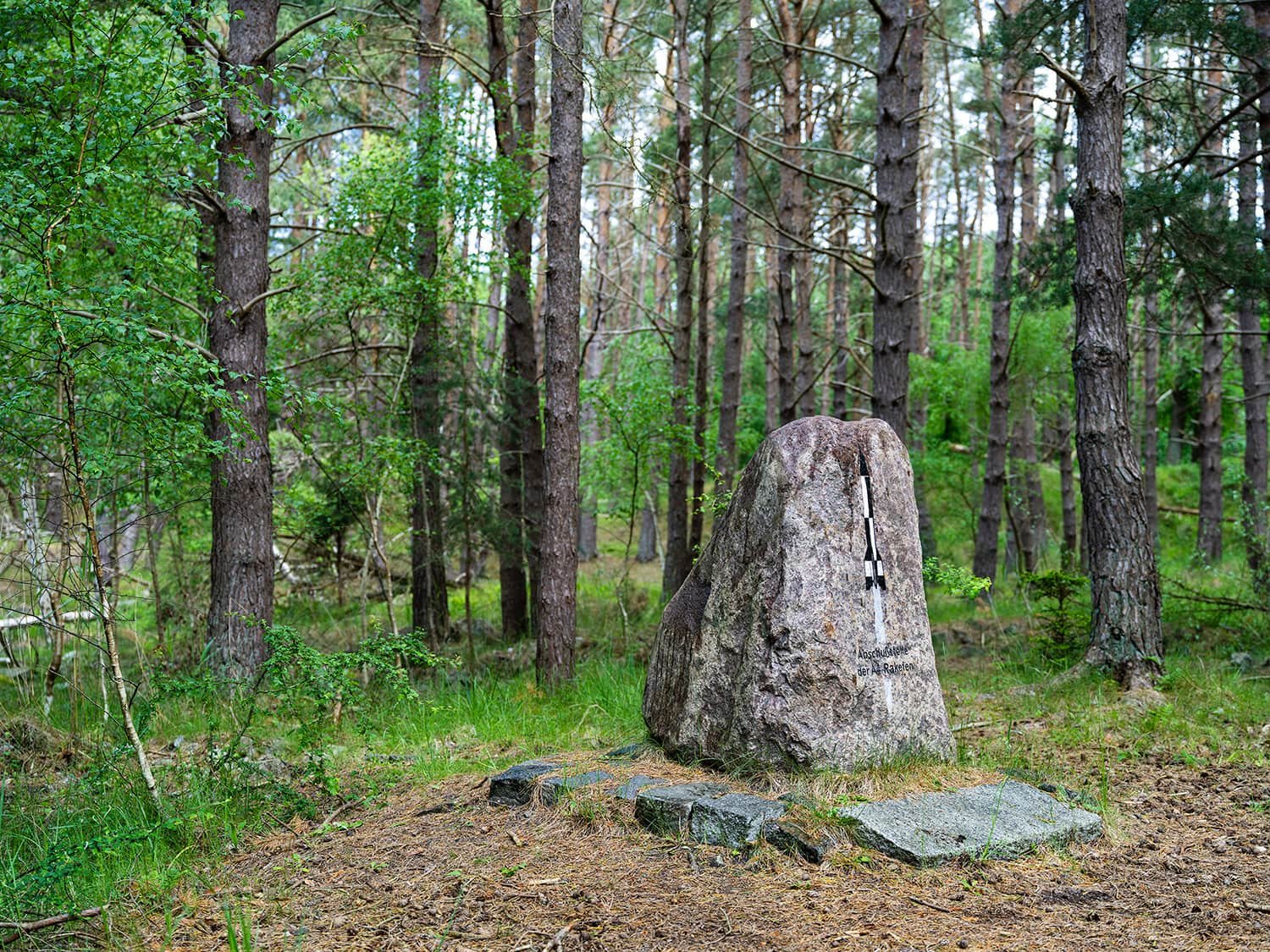
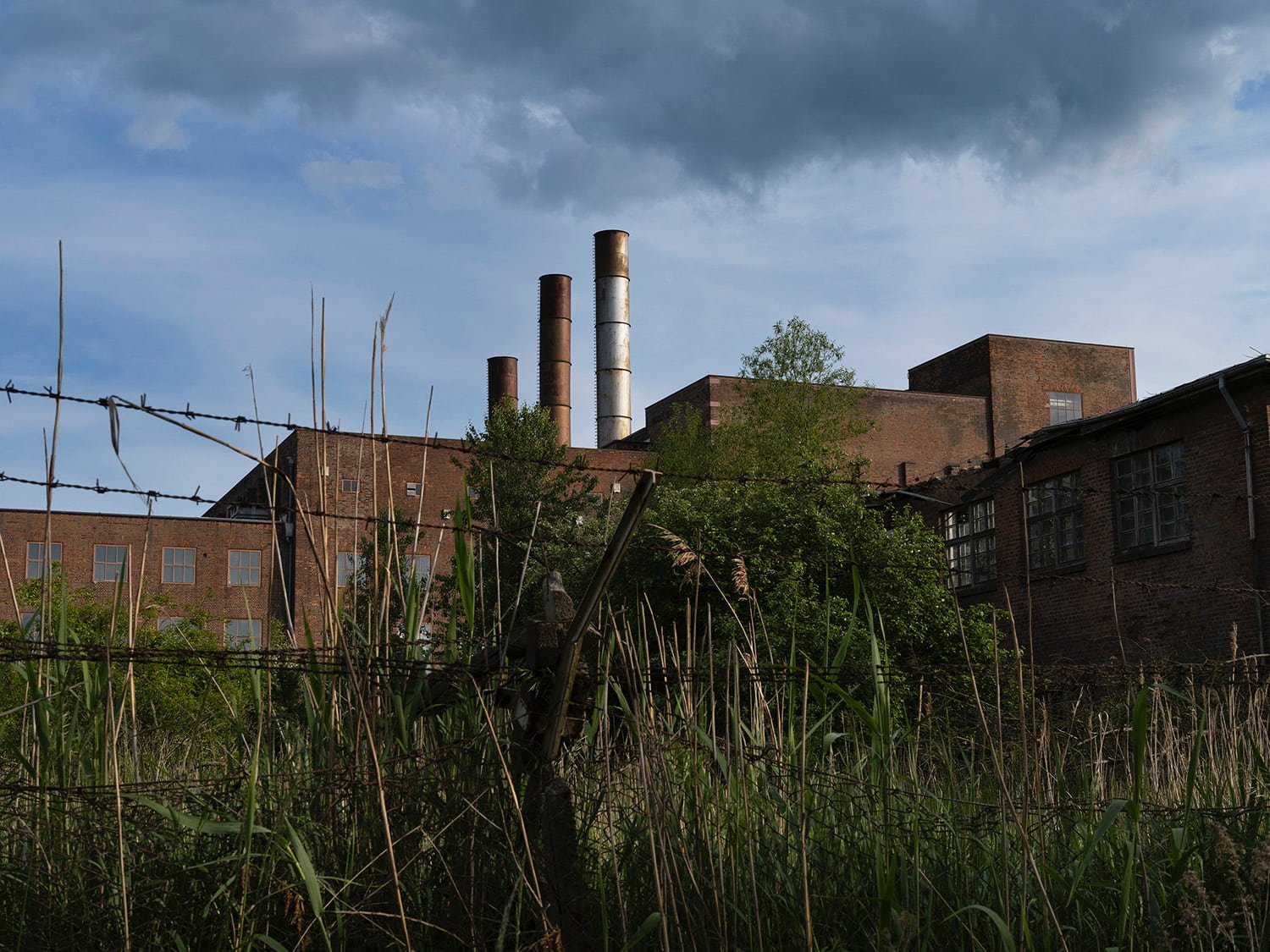
My complex feelings about my heritage are embodied in Wernher von Braun’s story. A Nazi turned NASA scientist, von Braun’s life was filled with as much contradiction as his groundbreaking rockets, which were used as missiles and spacecraft alike. In 1932, Wernher von Braun went to work for the German army, which fell under National Socialist rule the following year. Accounts of the exact year he joined the Nazi party vary, but by 1937 he was the technical director of the Army Rocket Center (Heeresversuchsanstalt) in Peenemünde where the V2 rocket (Vengeance Weapon 2) was created and tested. These missiles, which bombed London, were manufactured in an underground factory by slave laborers who endured horrific conditions if they survived. After Wernher von Braun was brought to the United States under Operation Paperclip, a controversial government initiative to capture and extract German scientists, much of his Nazi past was classified for decades to celebrate his contribution to the U.S. space race.
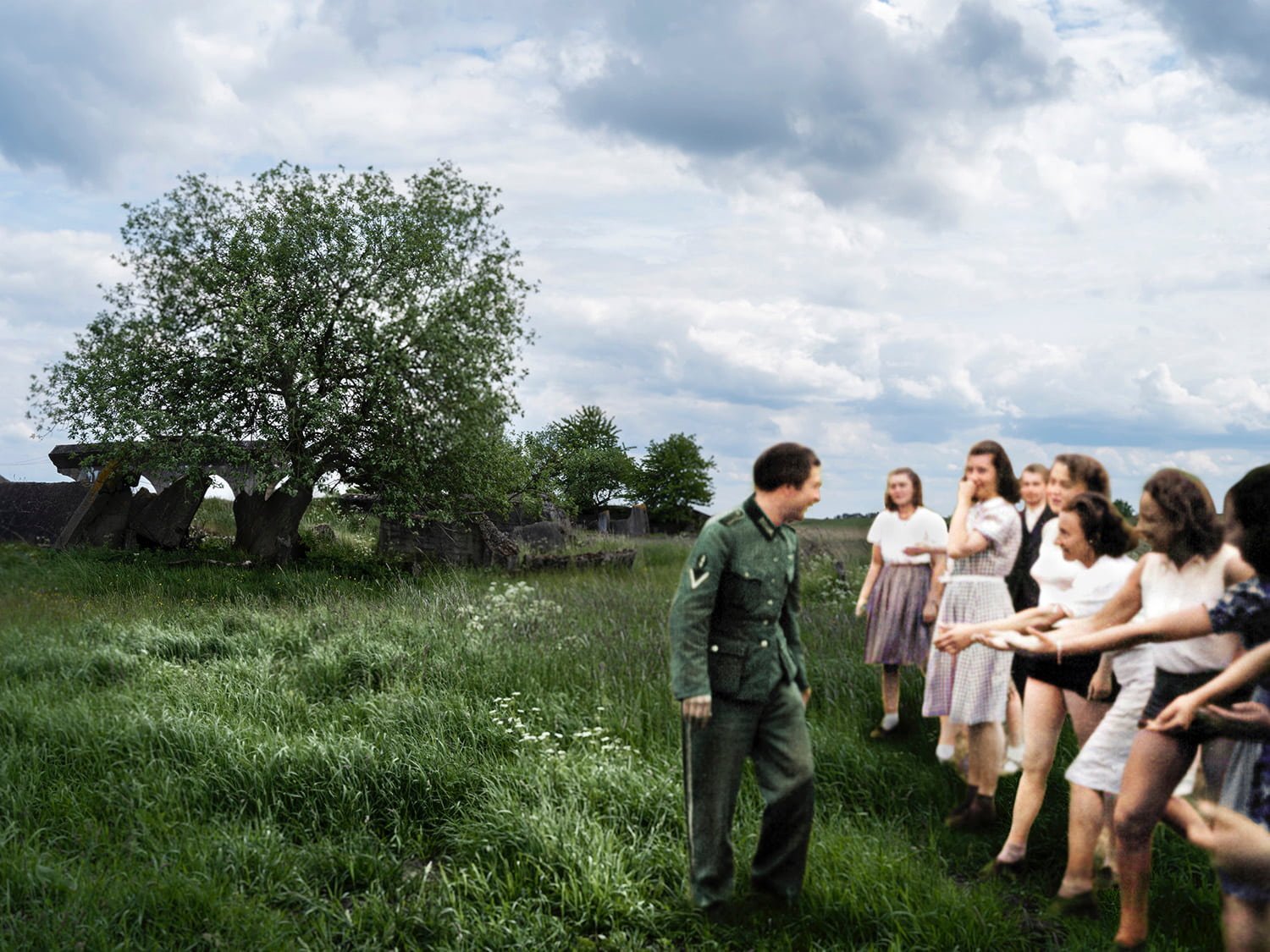
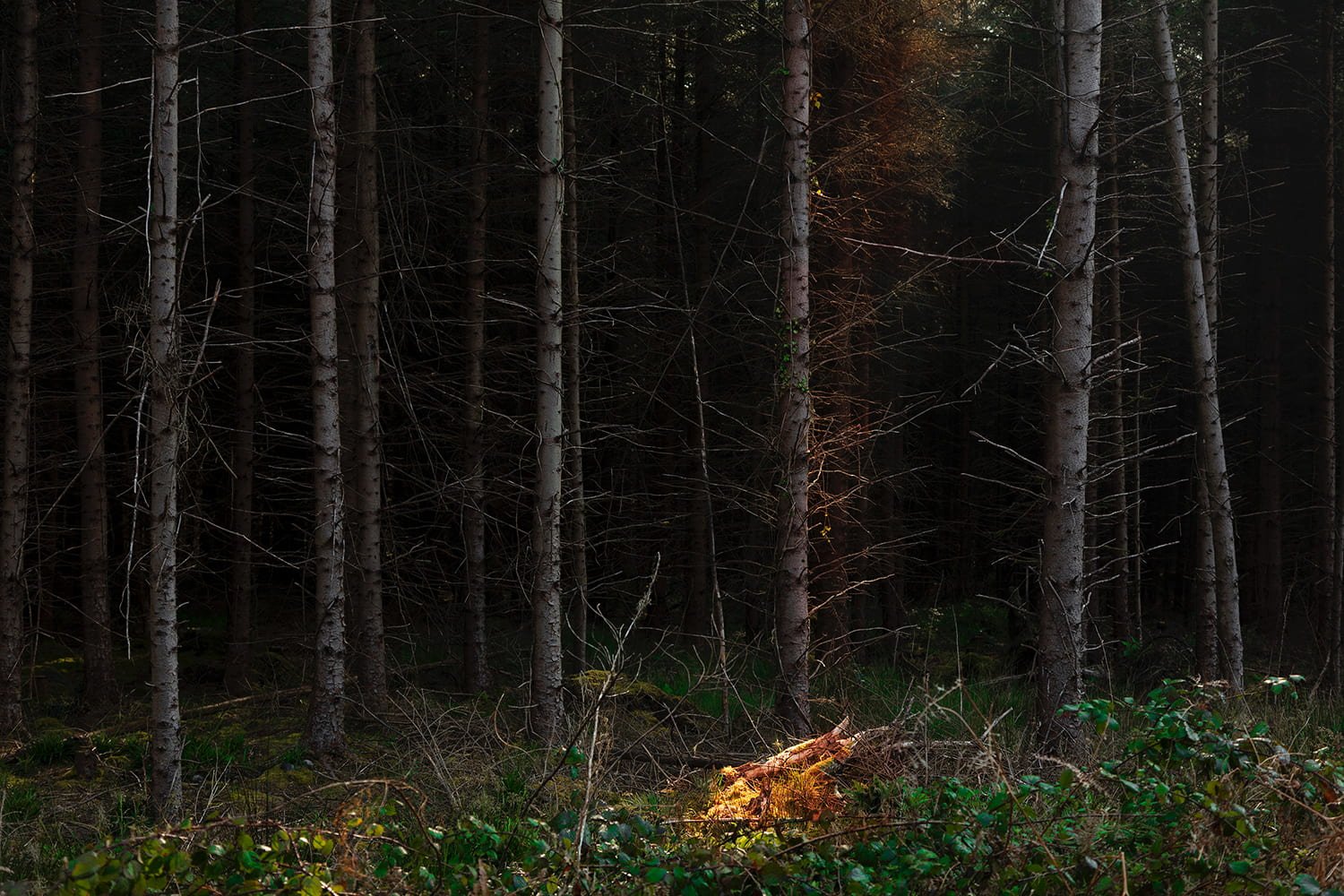
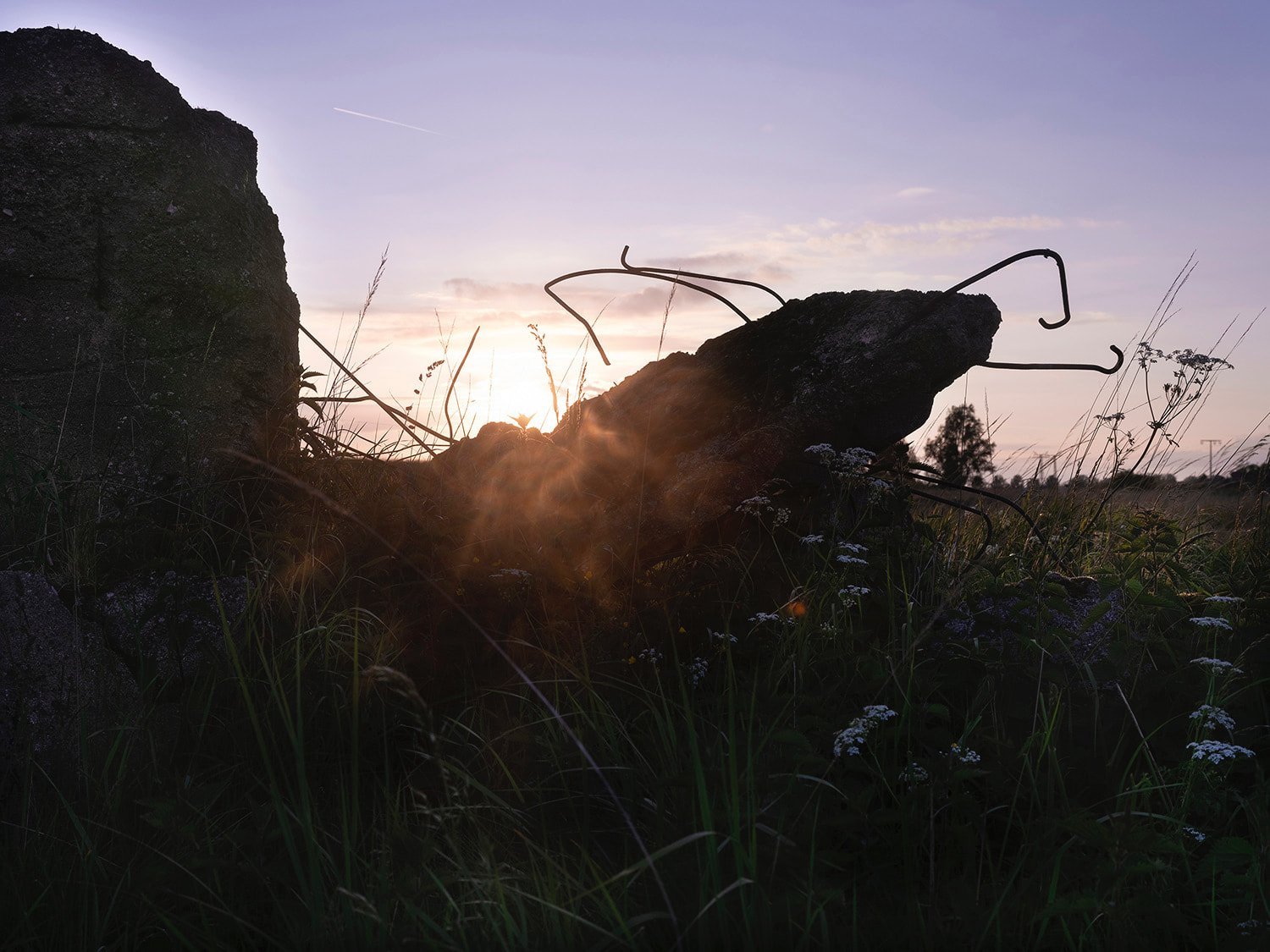
Rather than presenting a complete view of this history, I leave intentional holes in the narrative. These gaps serve as questions, looking at how stories pass through generations and how facts are distorted, embellished or undermined.