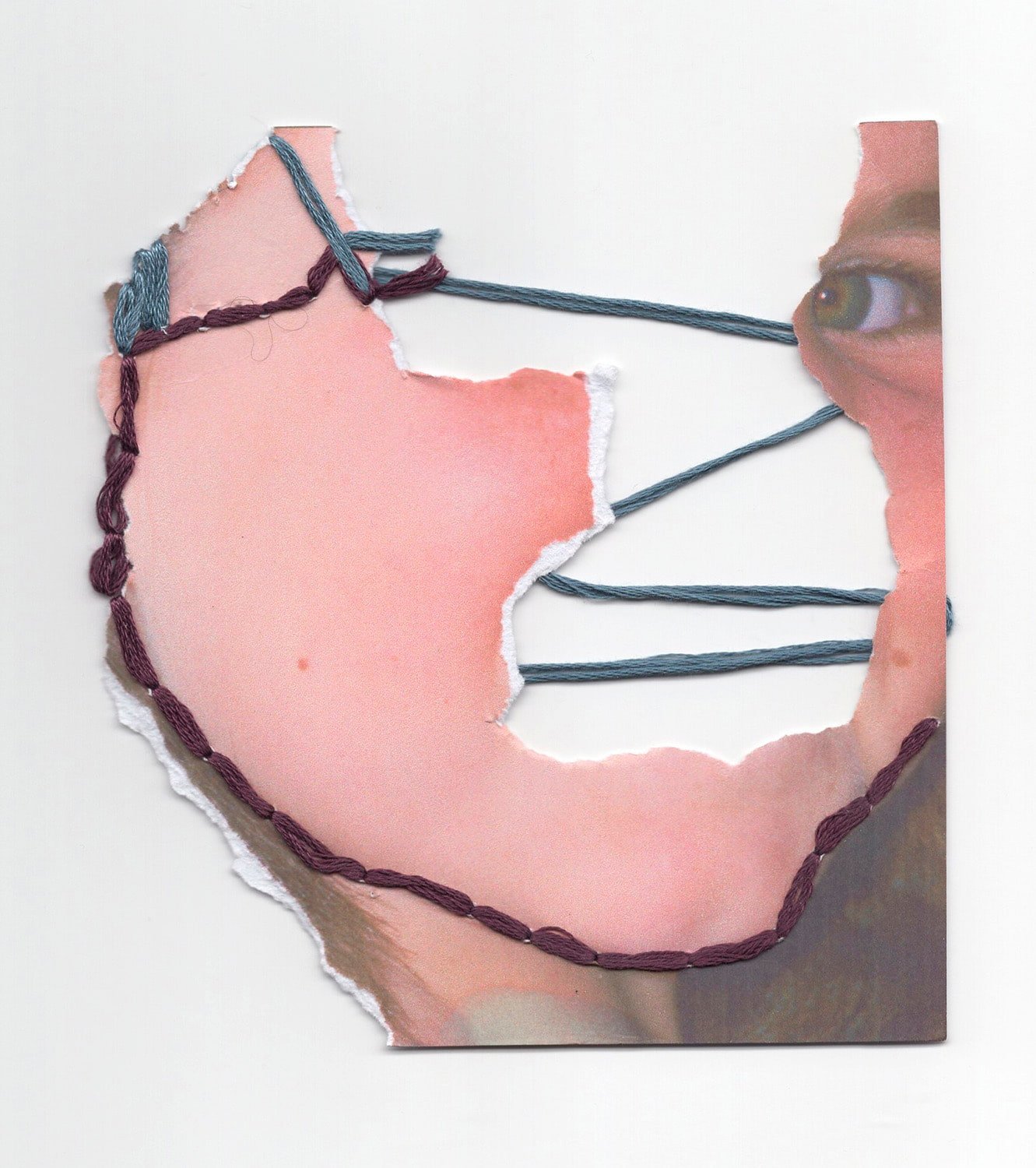
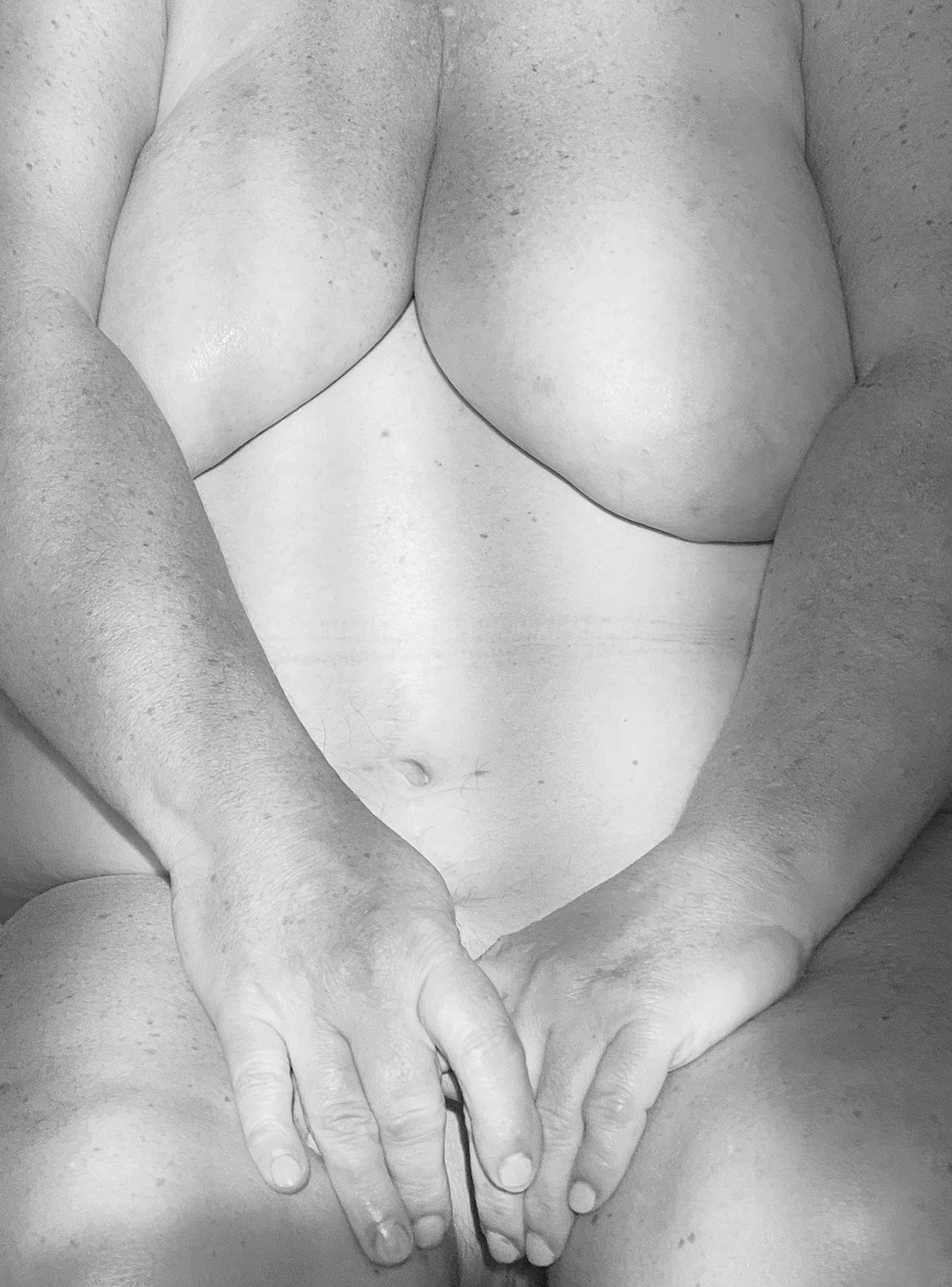
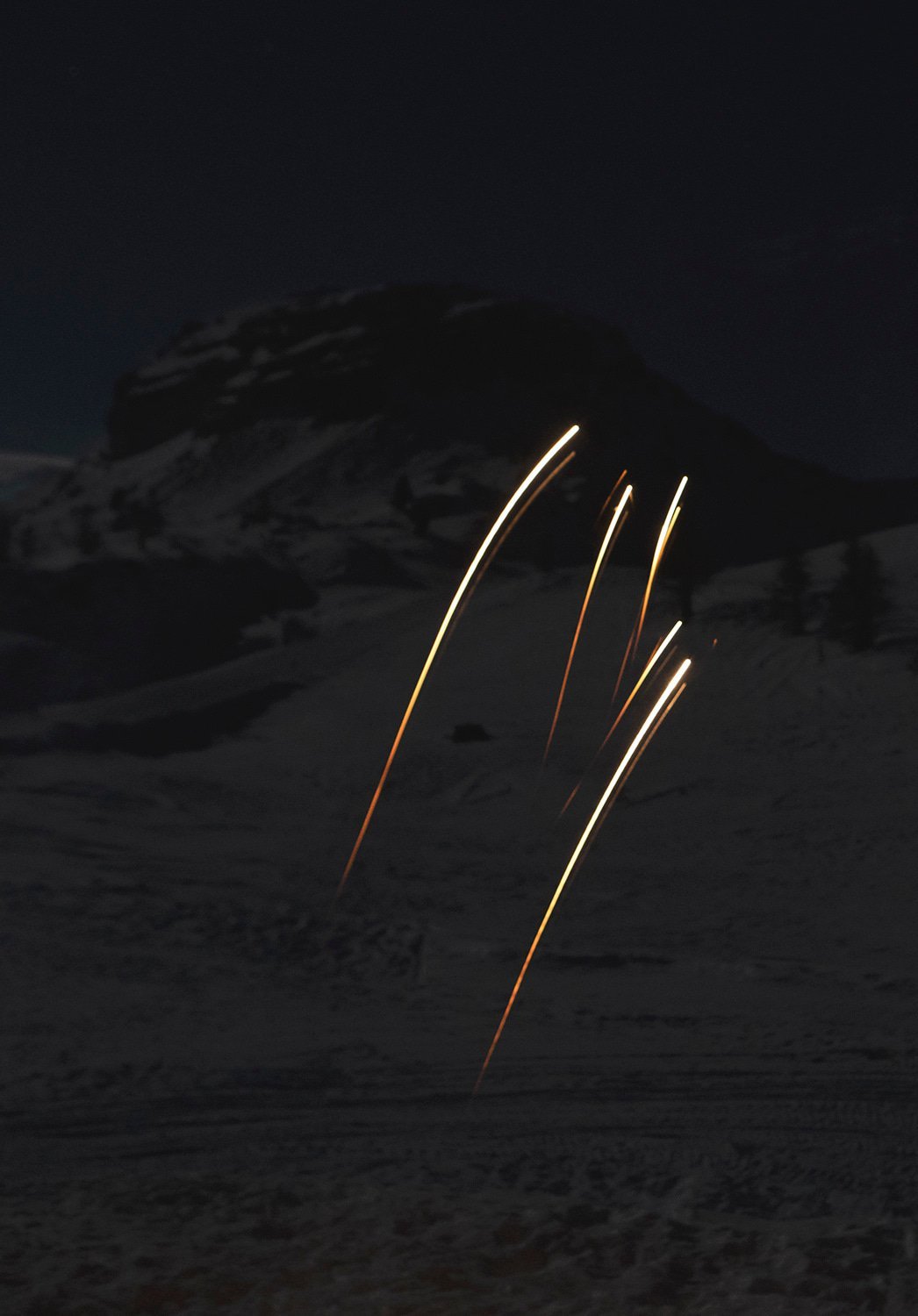
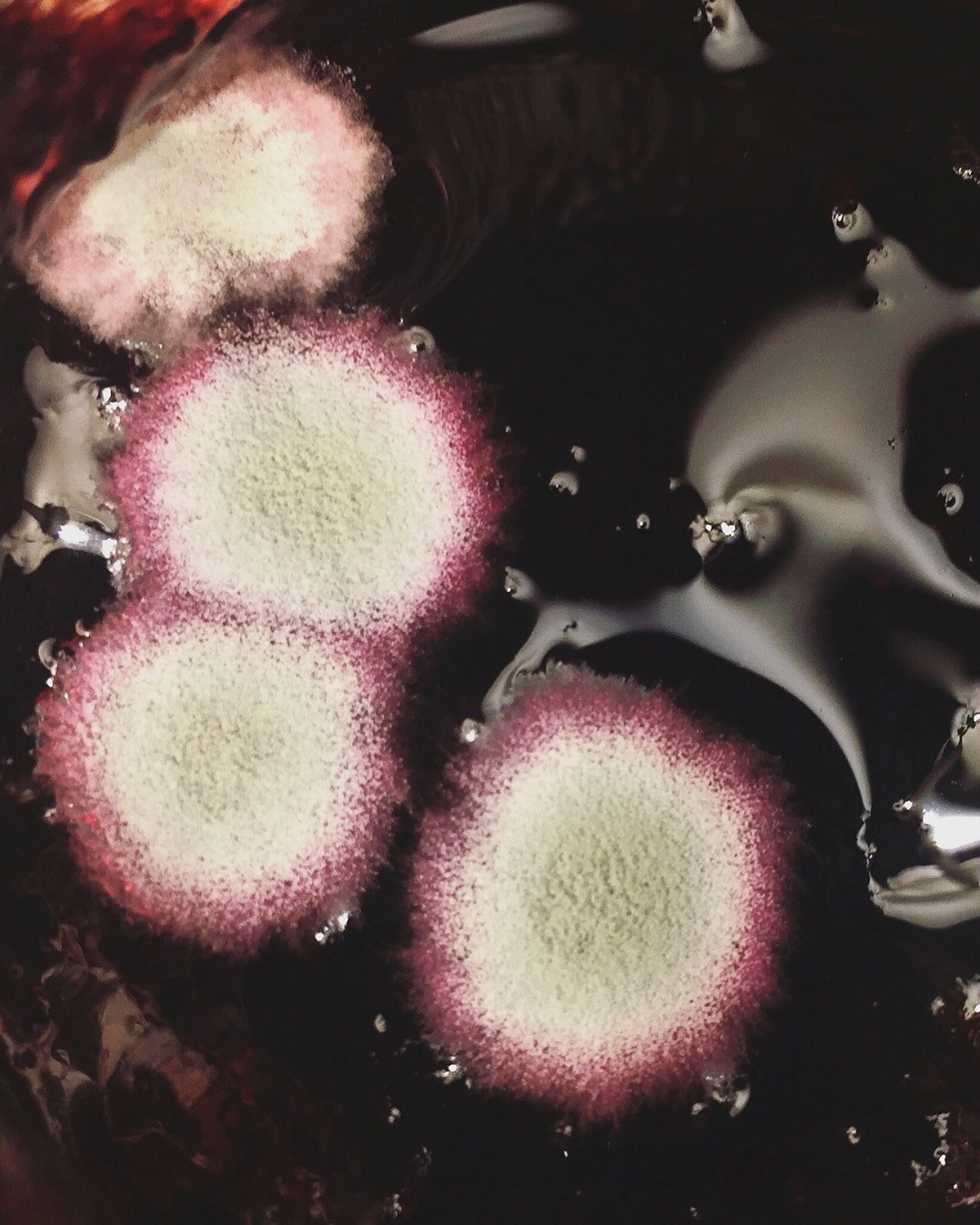
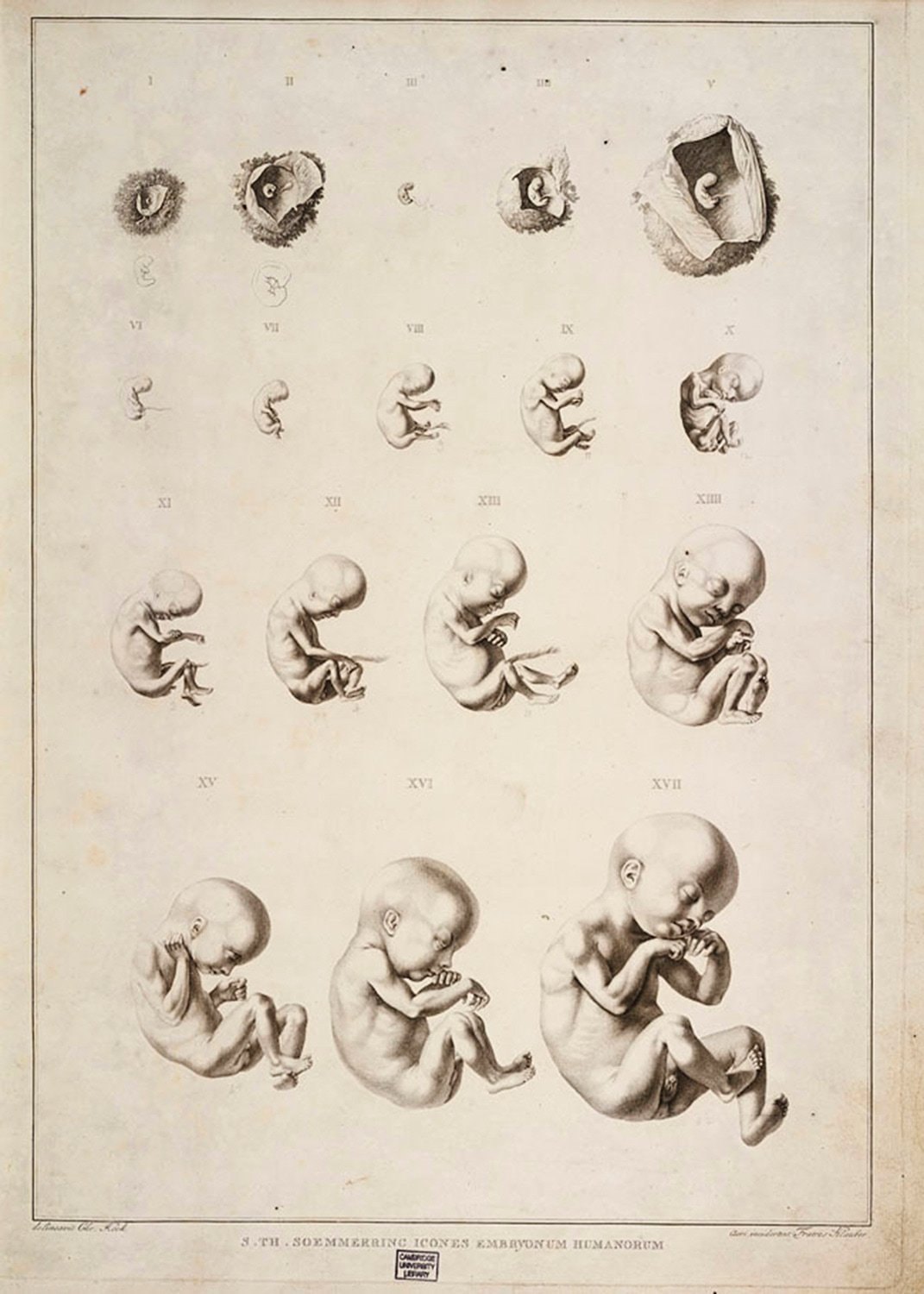
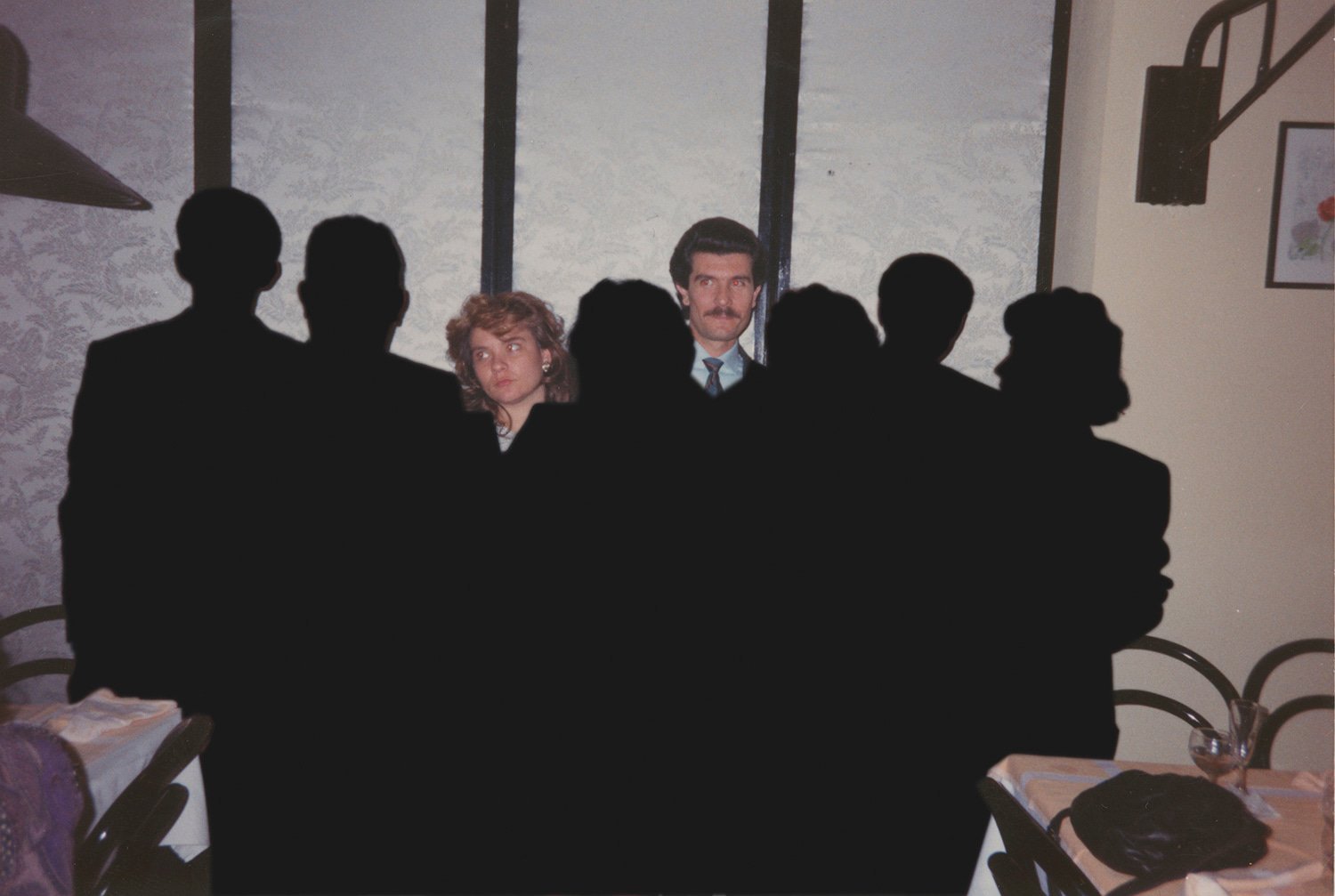
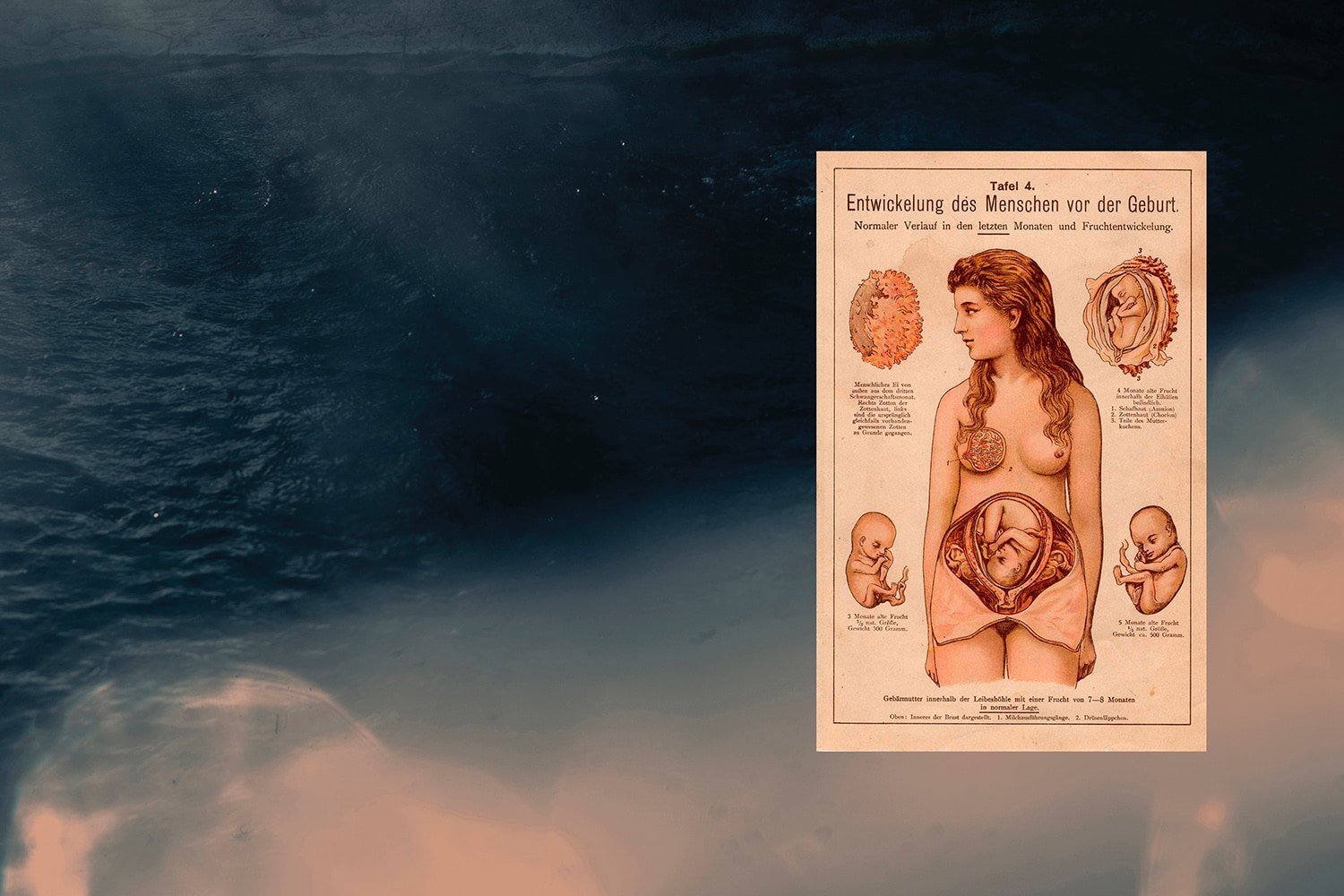
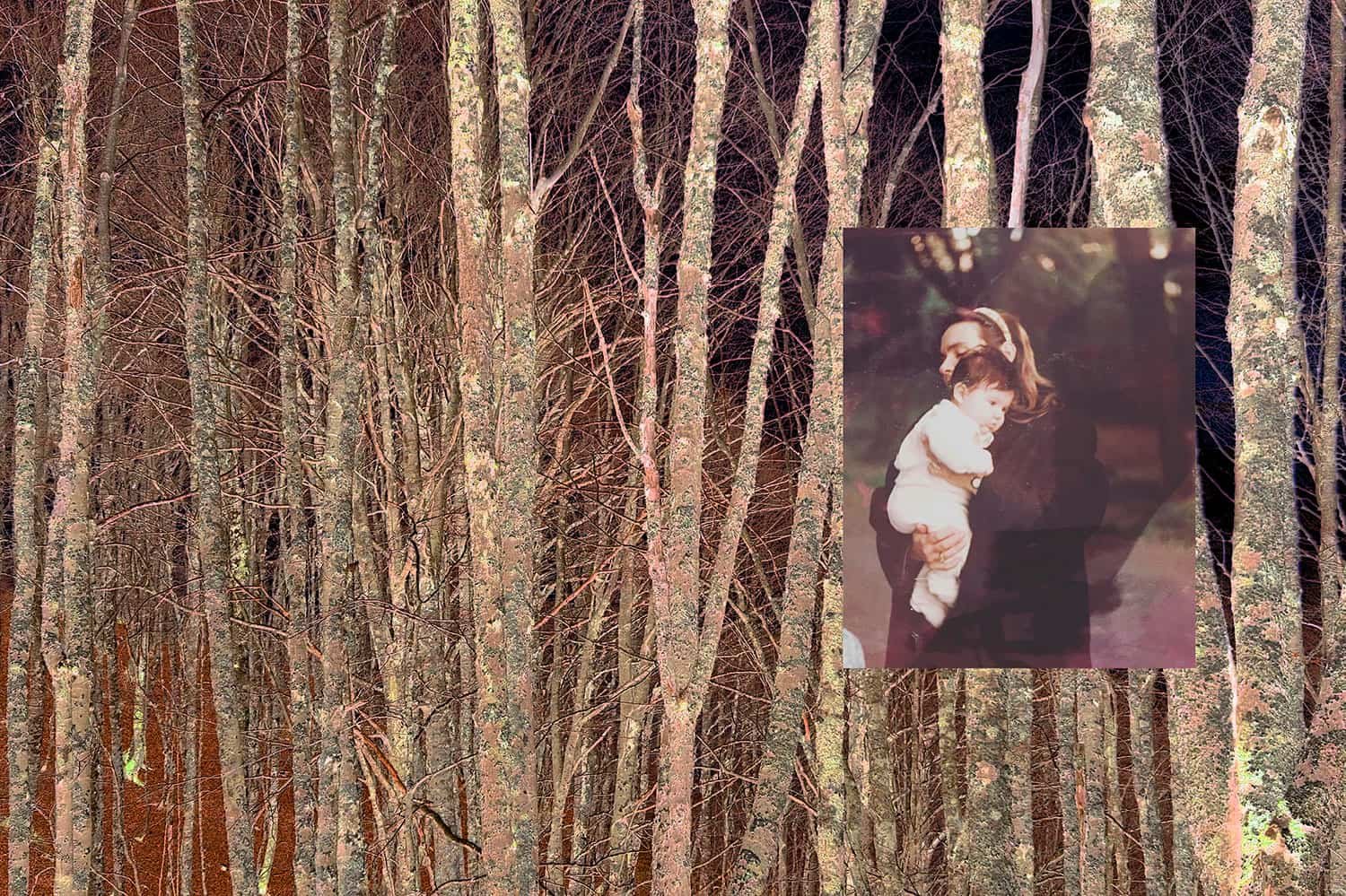
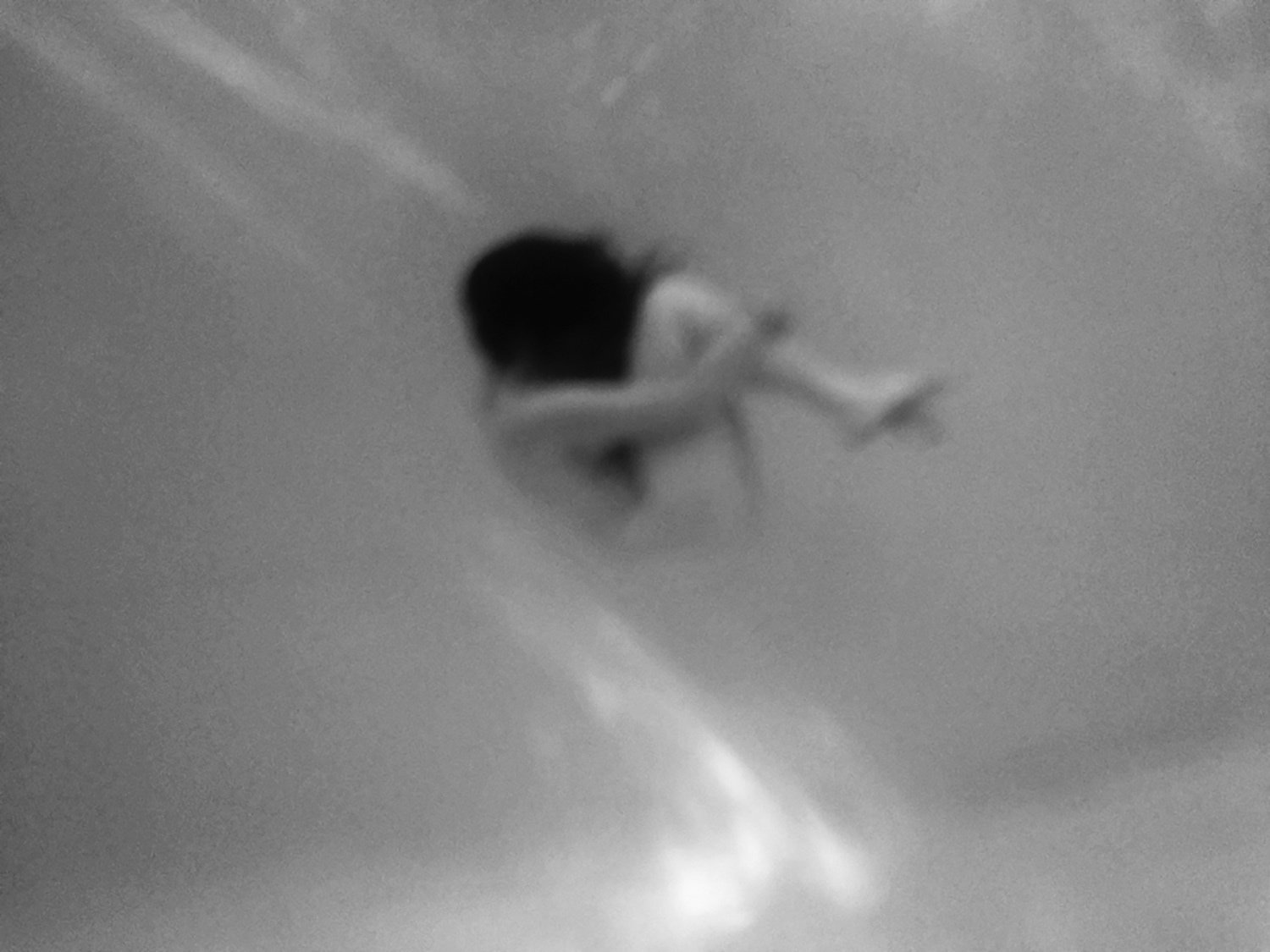
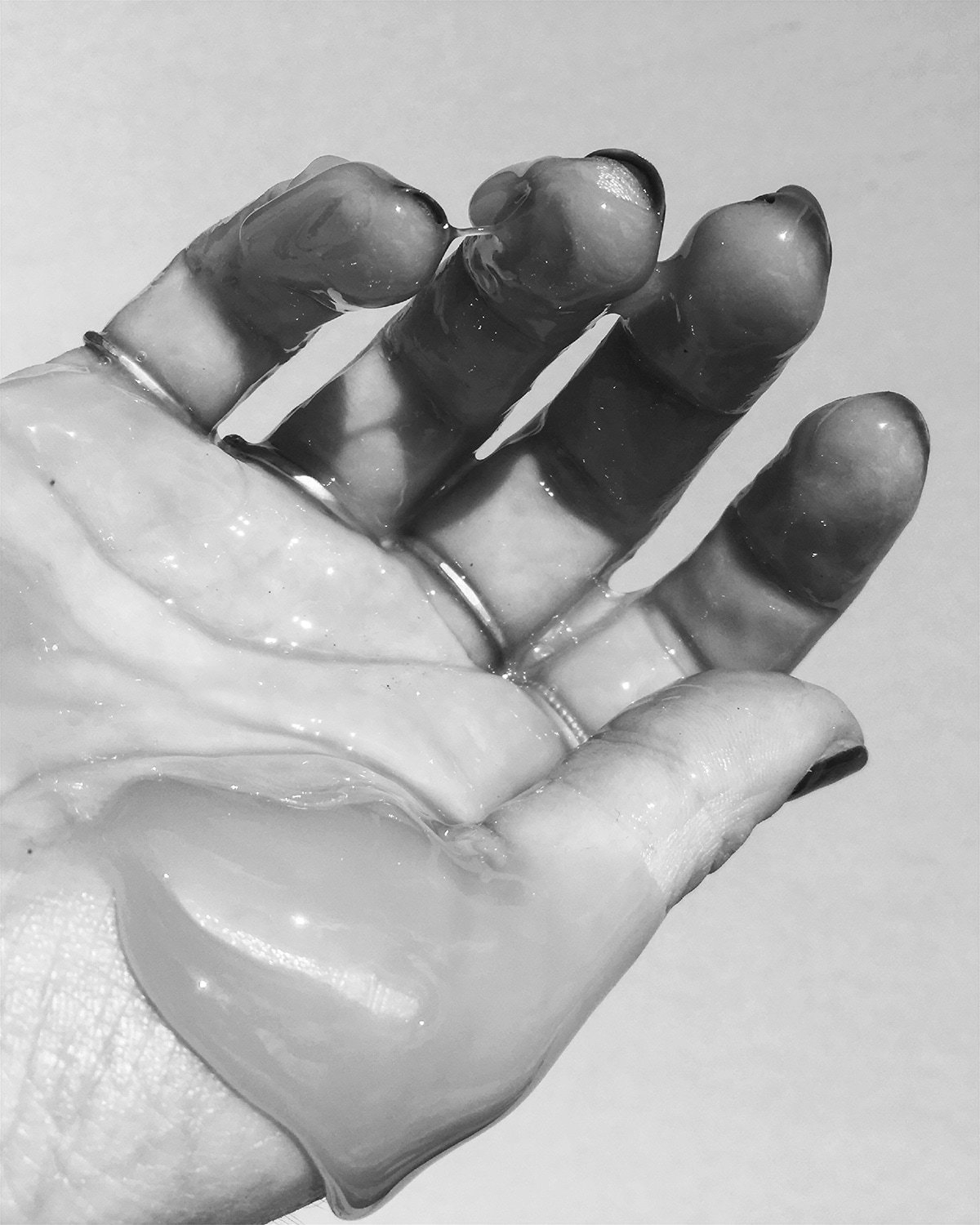
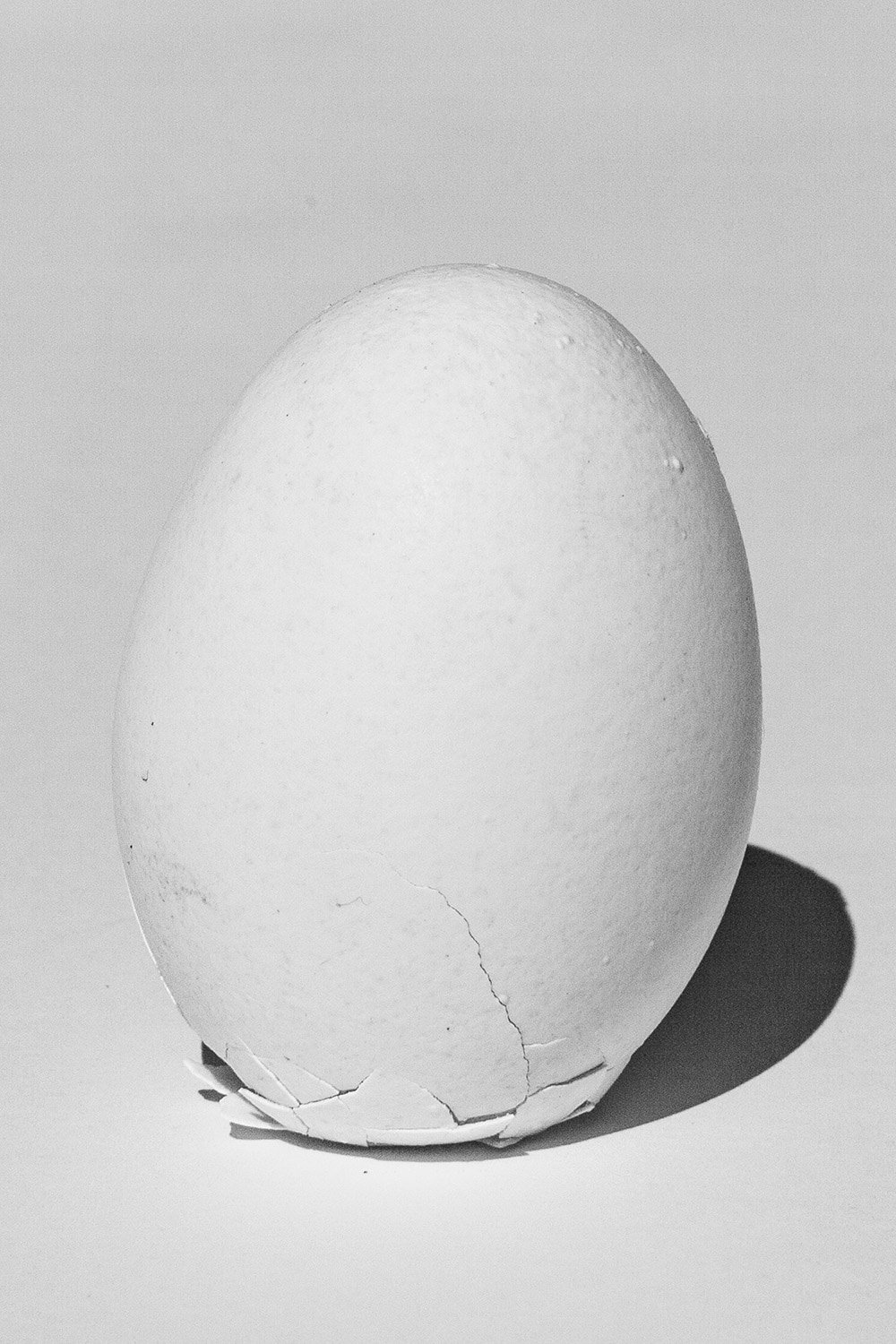
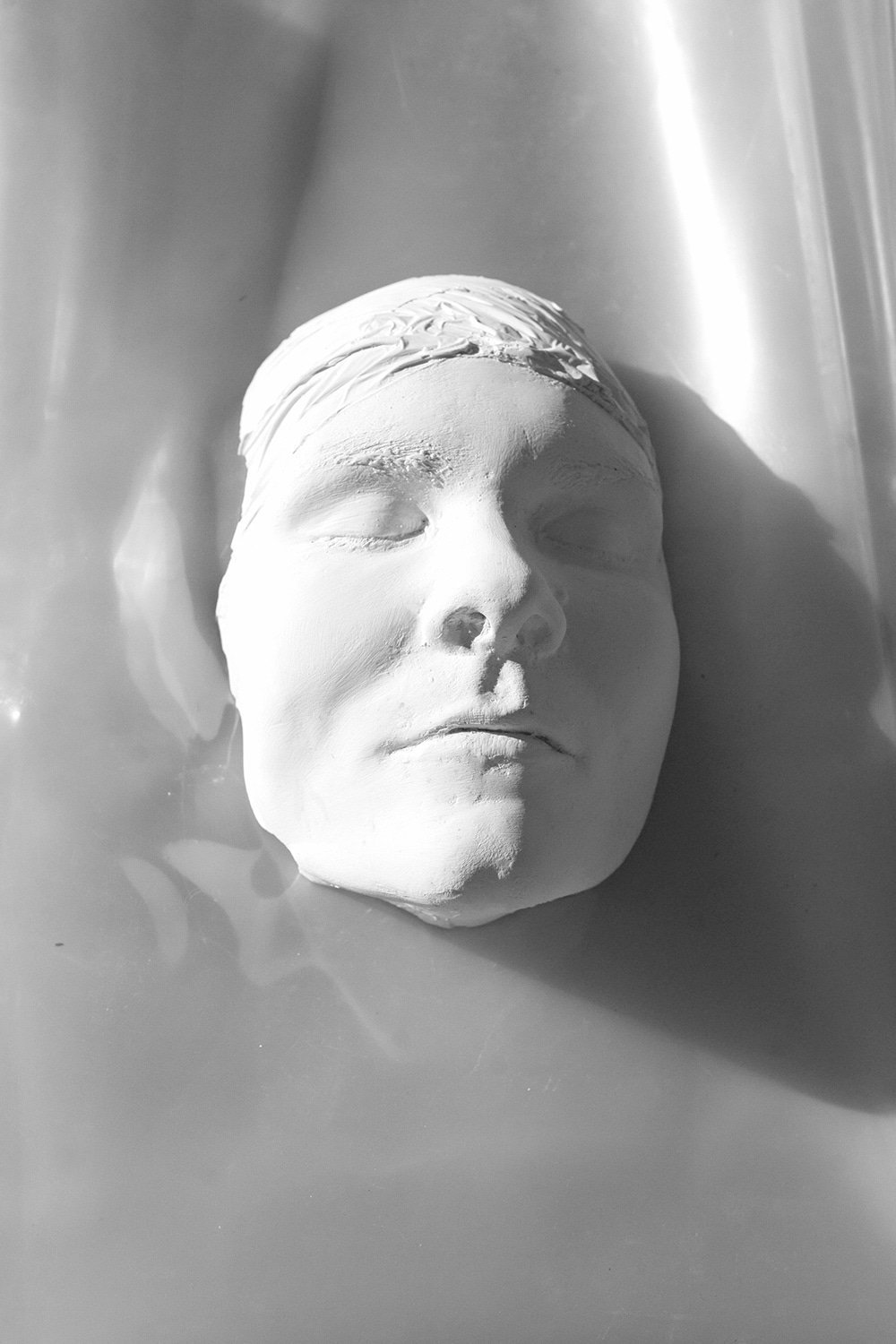
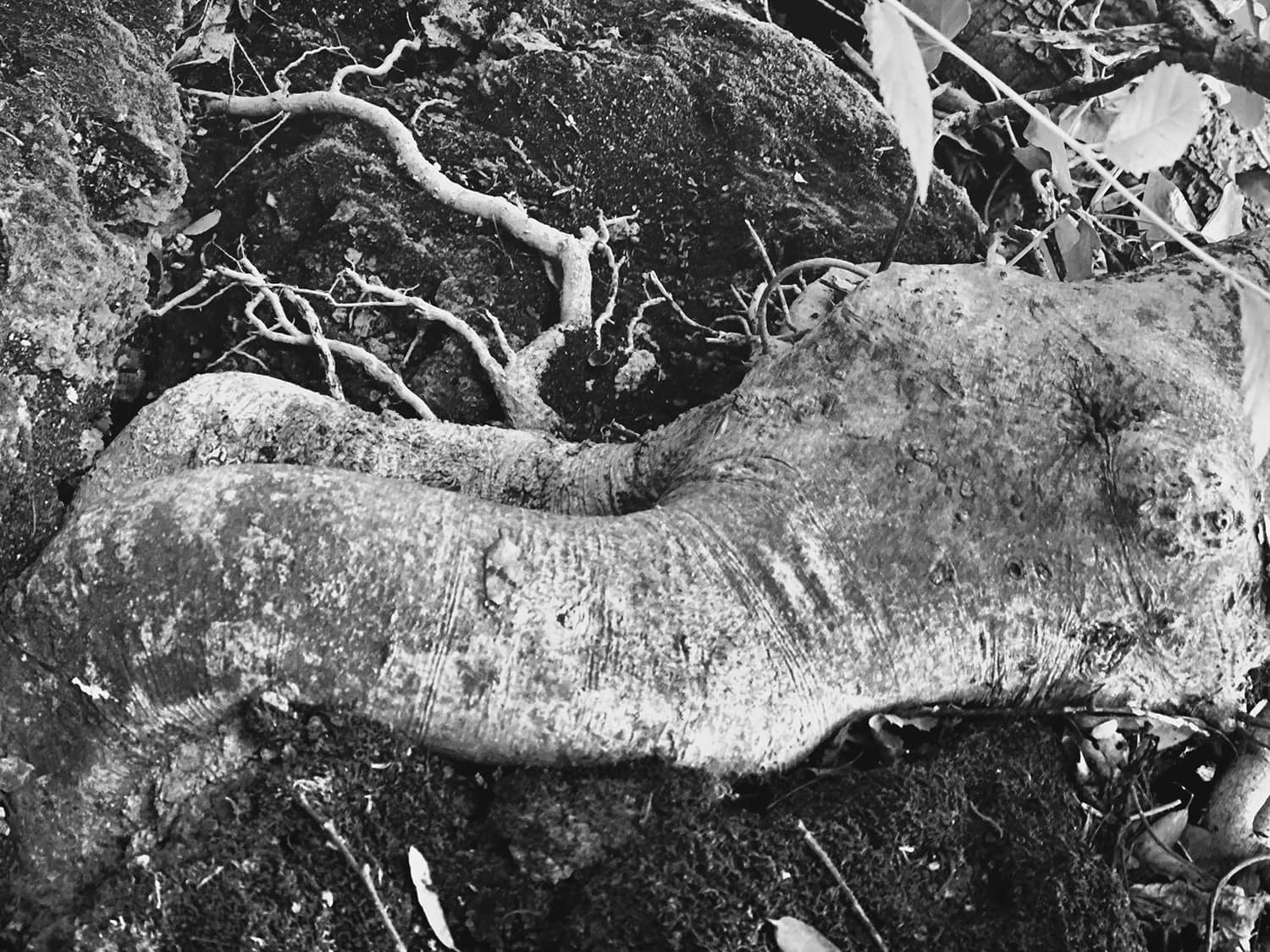
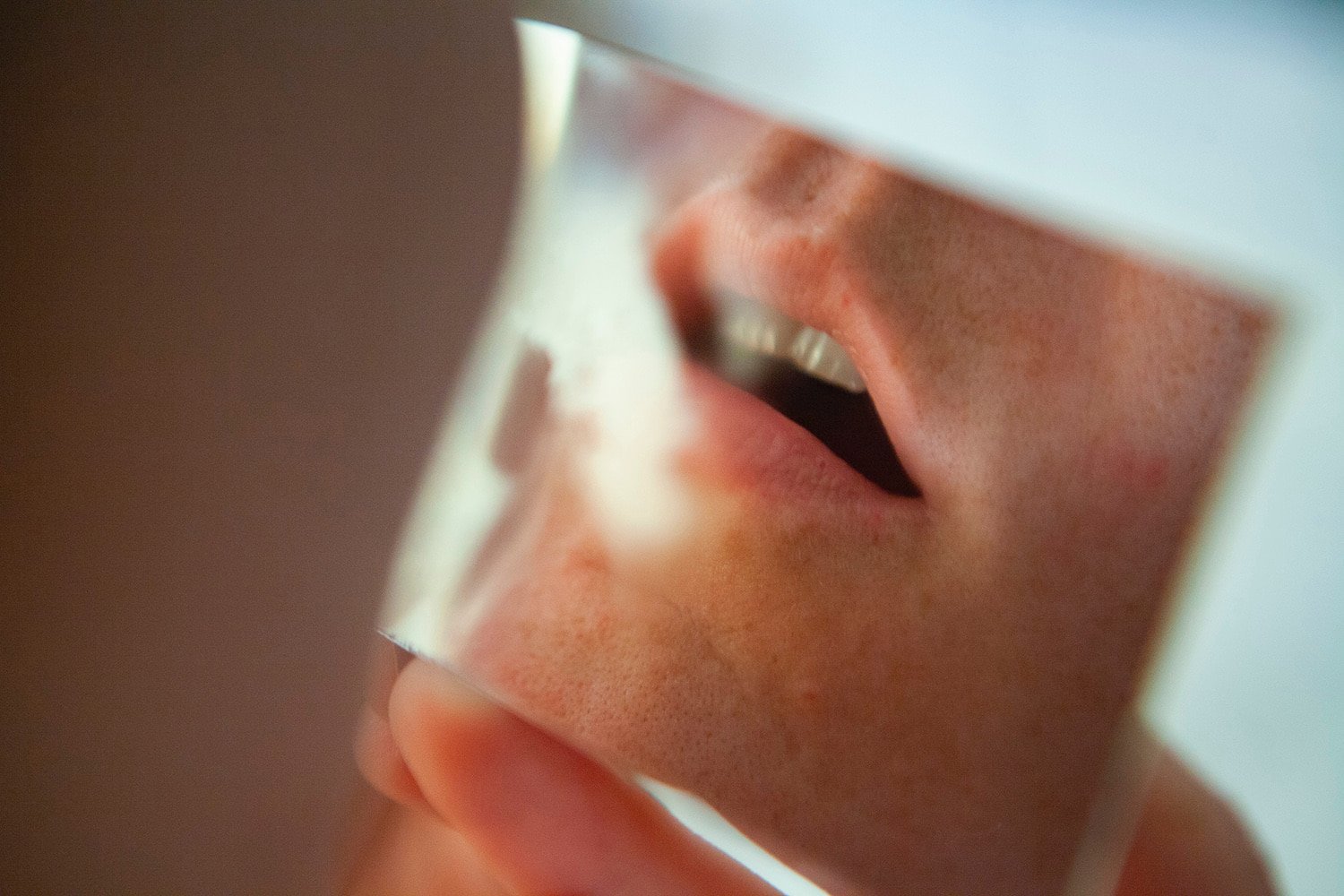
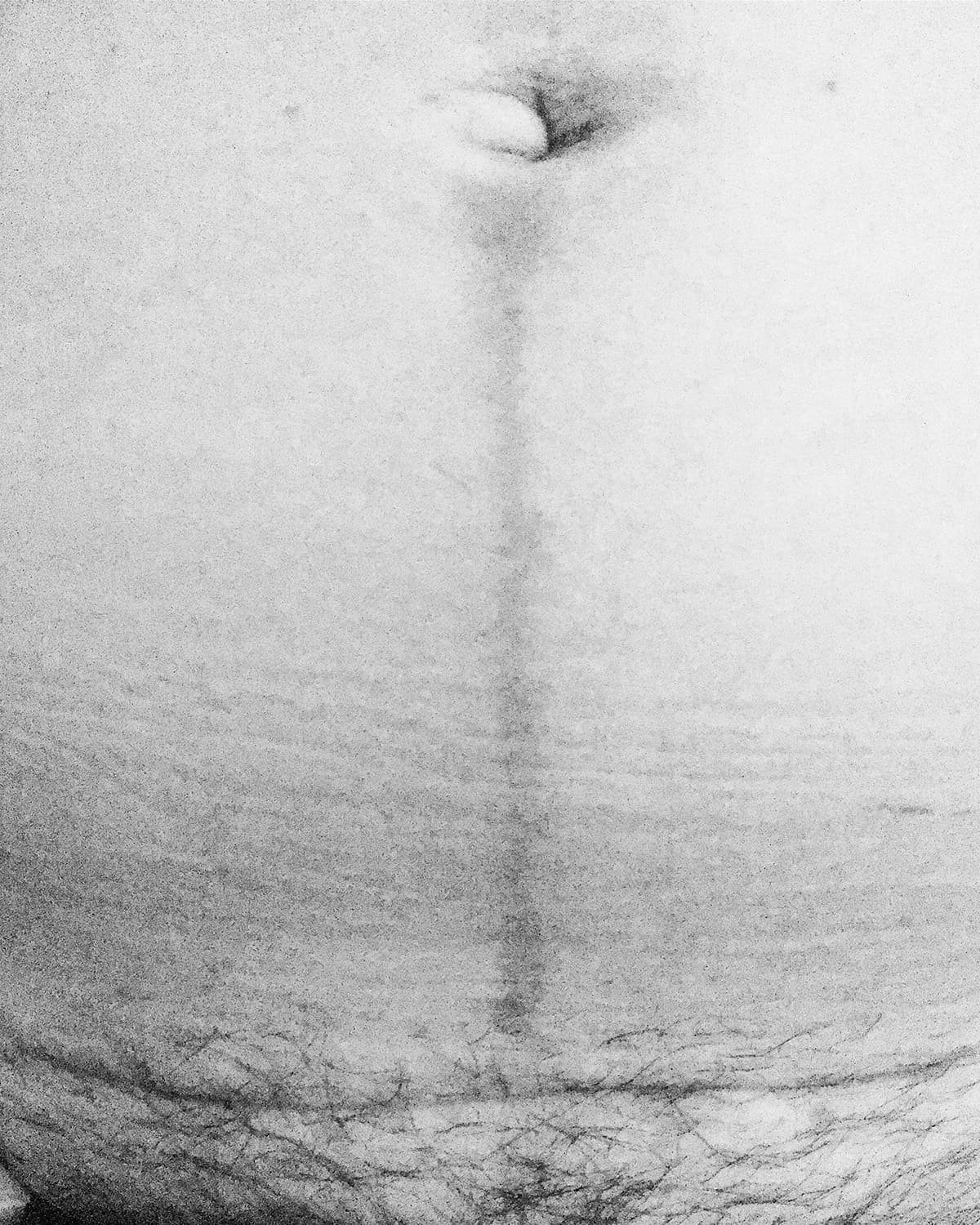
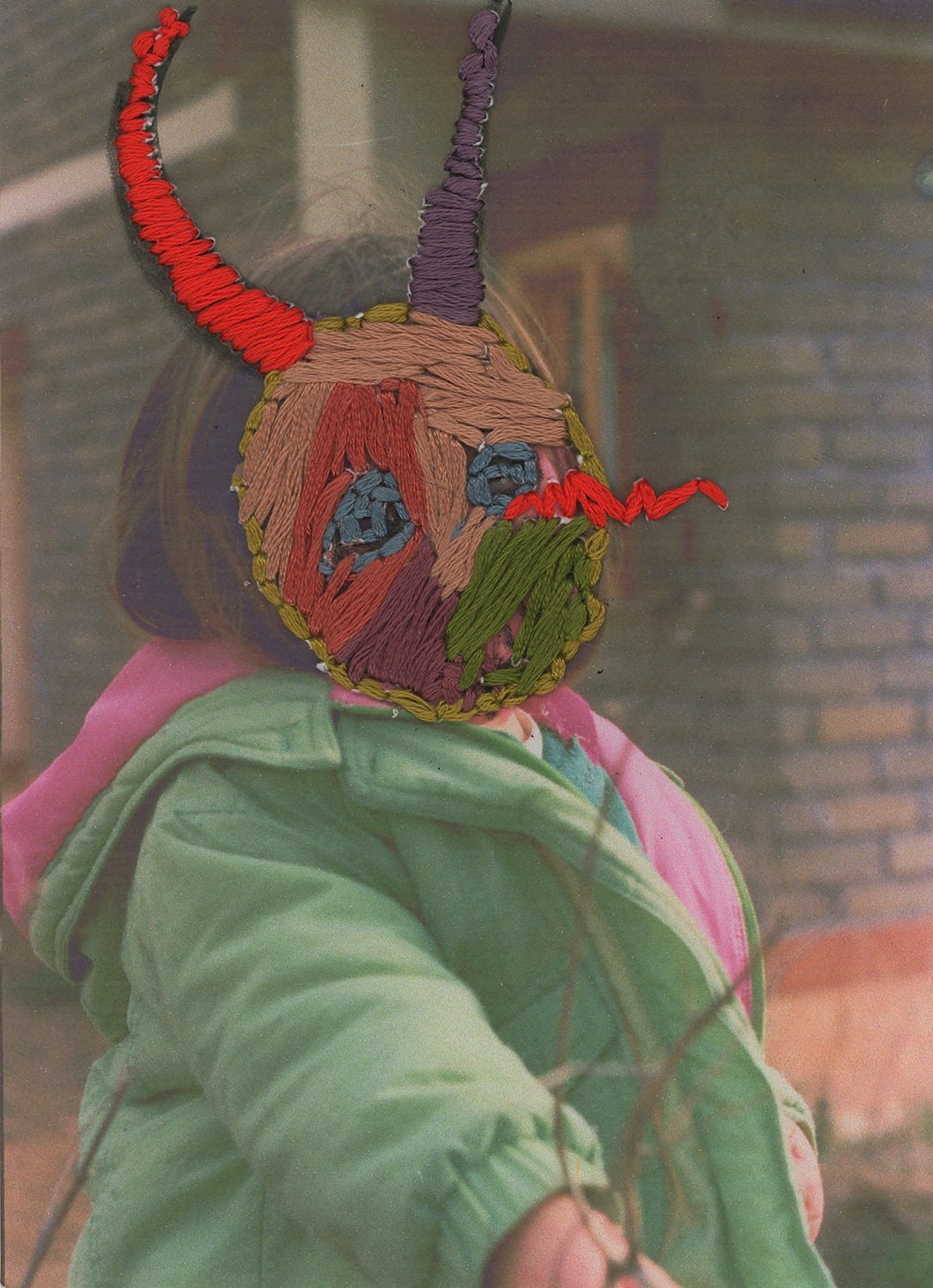
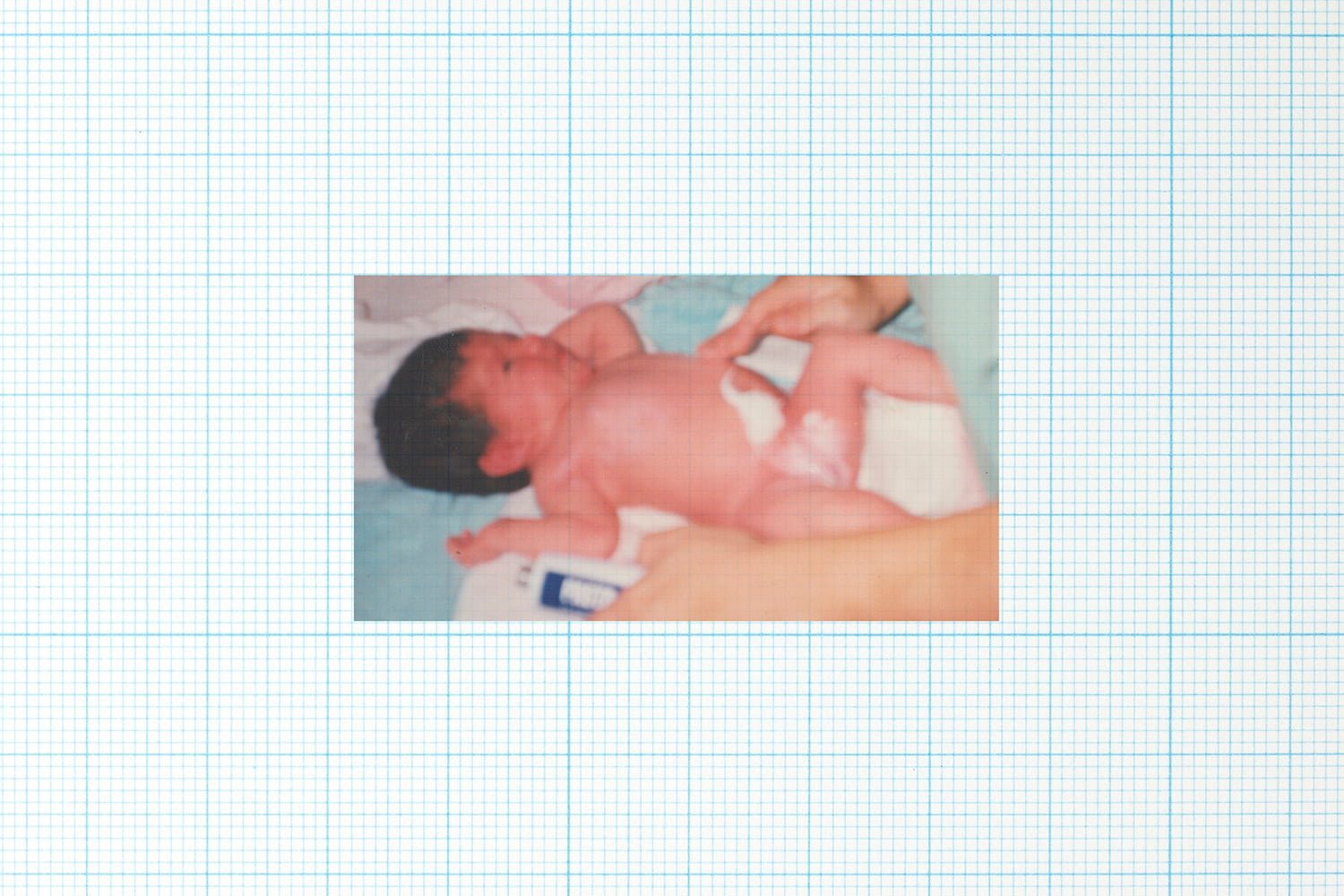
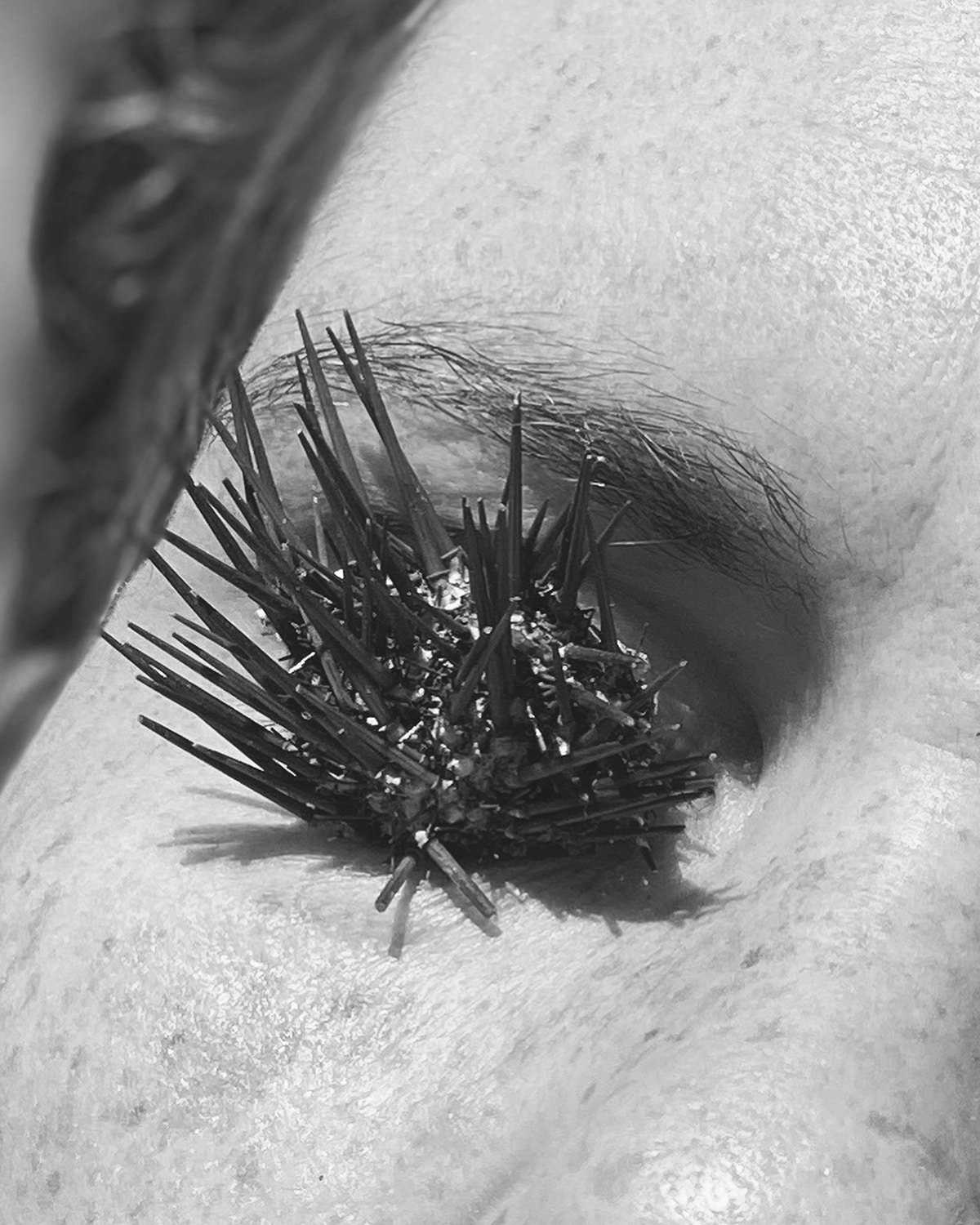
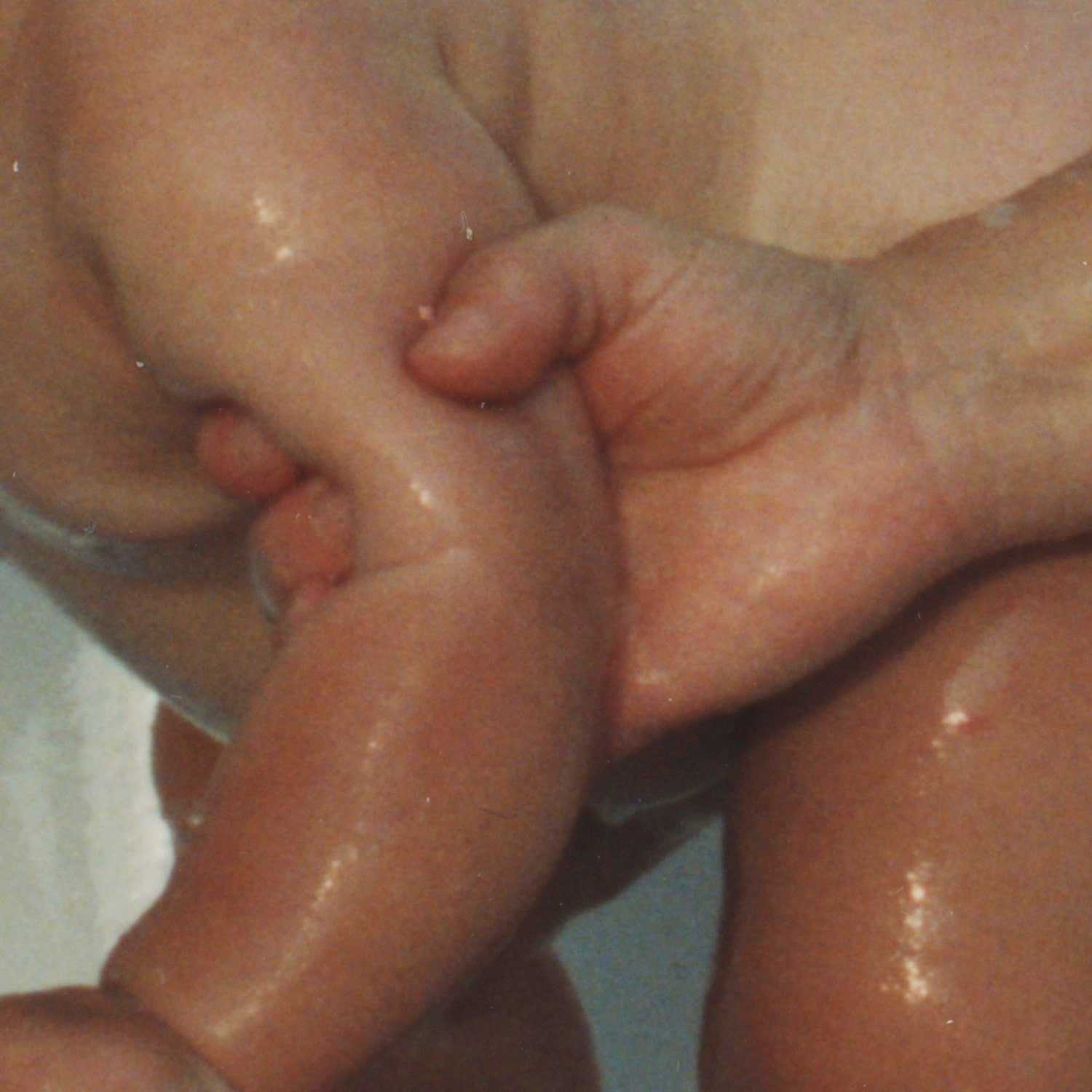
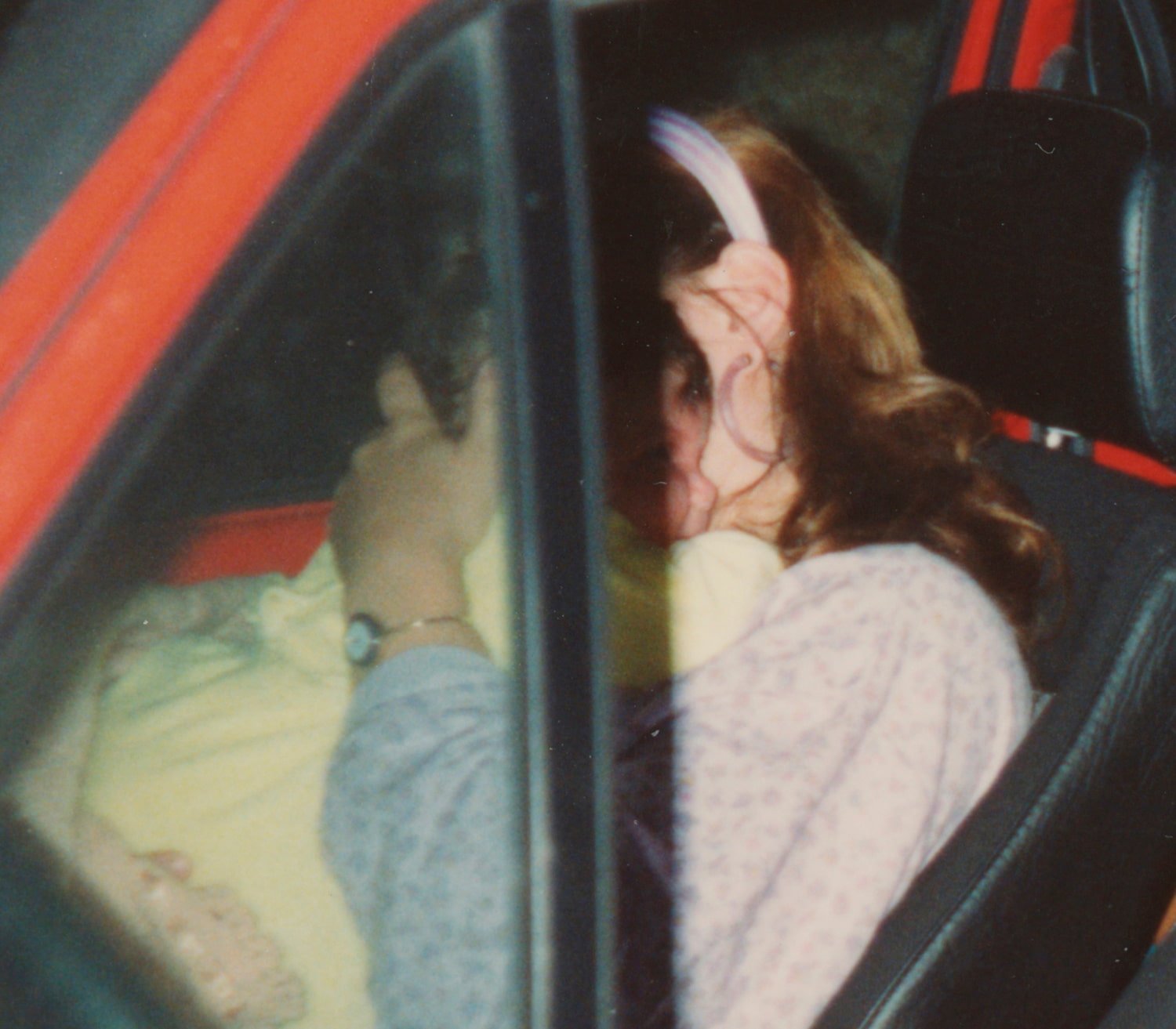
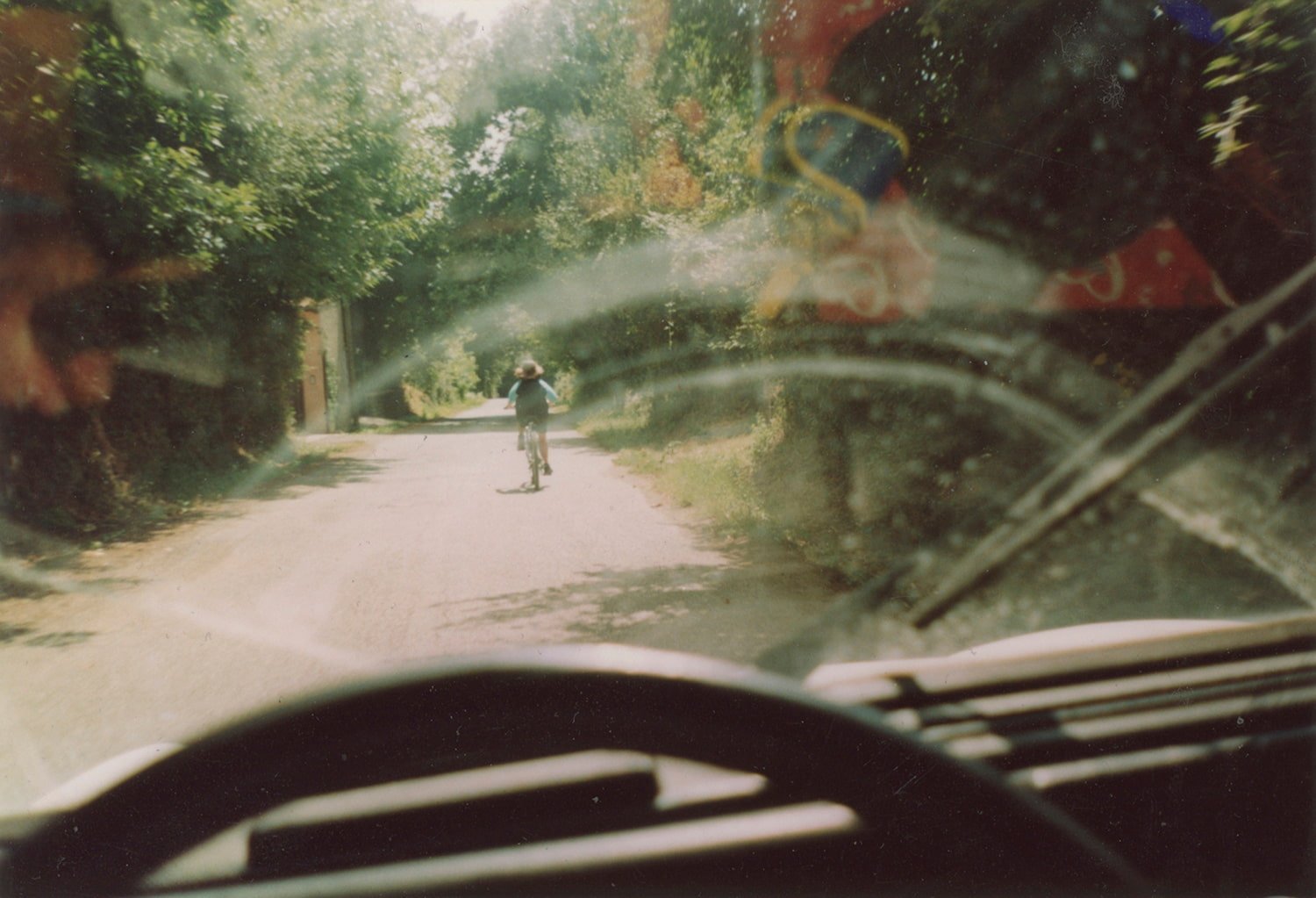
The birth of a child is like chasing disconcerting hours. It’s a cathartic event, a transitional moment. But sometimes the cathartic expectation chokes with a cracking sound. Faceless medical white coats act out empty medical words, made of hope and resignation. Each and every family history preserves their own. In a summer night of 1989, Chiara Hernandez was stillborn after childbirth. She was like that for five long minutes. The most rhetoric, shocking narration would spend some words embellishing the grief of a mother, It would linger on the frantic father’s powerlessness, on the doctors’ frenzy and their search of a small rationalistic miracle as priests of a rationalistic cult. And on the relief of that first breath. But it would neglect the fundamental protagonist, the newly born baby, as if her unripe emotional state could make her immune from the changes in a still unknown world, which let her keep waiting on the threshold for five interminable minutes. Still Birth is not only a book, it’s the result of a visual imprinting, of a limbo that left a scar on a child’s subconscious mind. She decided to wait on the other side before staking her claim to exist. These pages try to rebuild the whole of an almost thirty-year old woman, who doesn’t remember that child but feels an earthy energy flowing through her. The one that the Spanish call Duende and Garcia Lorca described like that: “The Duende belongs to a few people. It’s the energy of the Earth. It is known to burn your blood like a tropic made of glass, which is consuming or rejecting the sweet geometry we were taught. It disrupts the styles we know; it leans on human overwhelming sorrow.” In this restlessness Still Birth took shape. From the first narrational foundations, inhabited by motionless landscapes, by rocky panoramas- by the Duende, indeed, that in those five minutes nested inside her- Chiara Ernandes has continued her ceaseless wandering. In those suspended landscapes, another narration found roots, the one of her Inner Self. Still Birth has become the reconstruction of her past, starting from an epicentre, her Non-Birth, to get to understand herself and her imagery. Family objects, archive images, suggestive and poetic symbolism, her birth’s medical records, all these instruments contribute to expanding those five minutes, turning them into a fundamental narrative starting point, around which all the author’s existence is revolving. Her existence is also defined by the ceaseless search of her own image. Chiara Ernandes lingers on her face and its very details, as if she were trying to claim it as her own, as if she felt it didn’t really belong to her. She also takes obsessive pictures of it, comparing it with her parents’, melting it into light. Until her countenance becomes a mask, carved in chalk, turning it into an effigy, a sculpture immune to the passage of time. To create a mask with one’s own features can evoke ancestral, hazy traditions. But Chiara Ernandes’s mask is not a funerary one, it’s an utterly changed butterfly’s legacy while leaving its cocoon. Perhaps this is the deep value of Still Birth. Before being a poetical search of Chiara’s past, of the celebration to walk on the earth, it’s the end of a journey. It’s a rite of passage where the author collects and condense her being while expanding and absorbing it. In this way she’s getting ready to walk on.