Chester: Interrogating the White Gaze on Black Bodies in Photography
by Dr. H. Herukhuti Sharif Williams and Justin Maxon


Shortlisted Artist for the Charta Award 2025
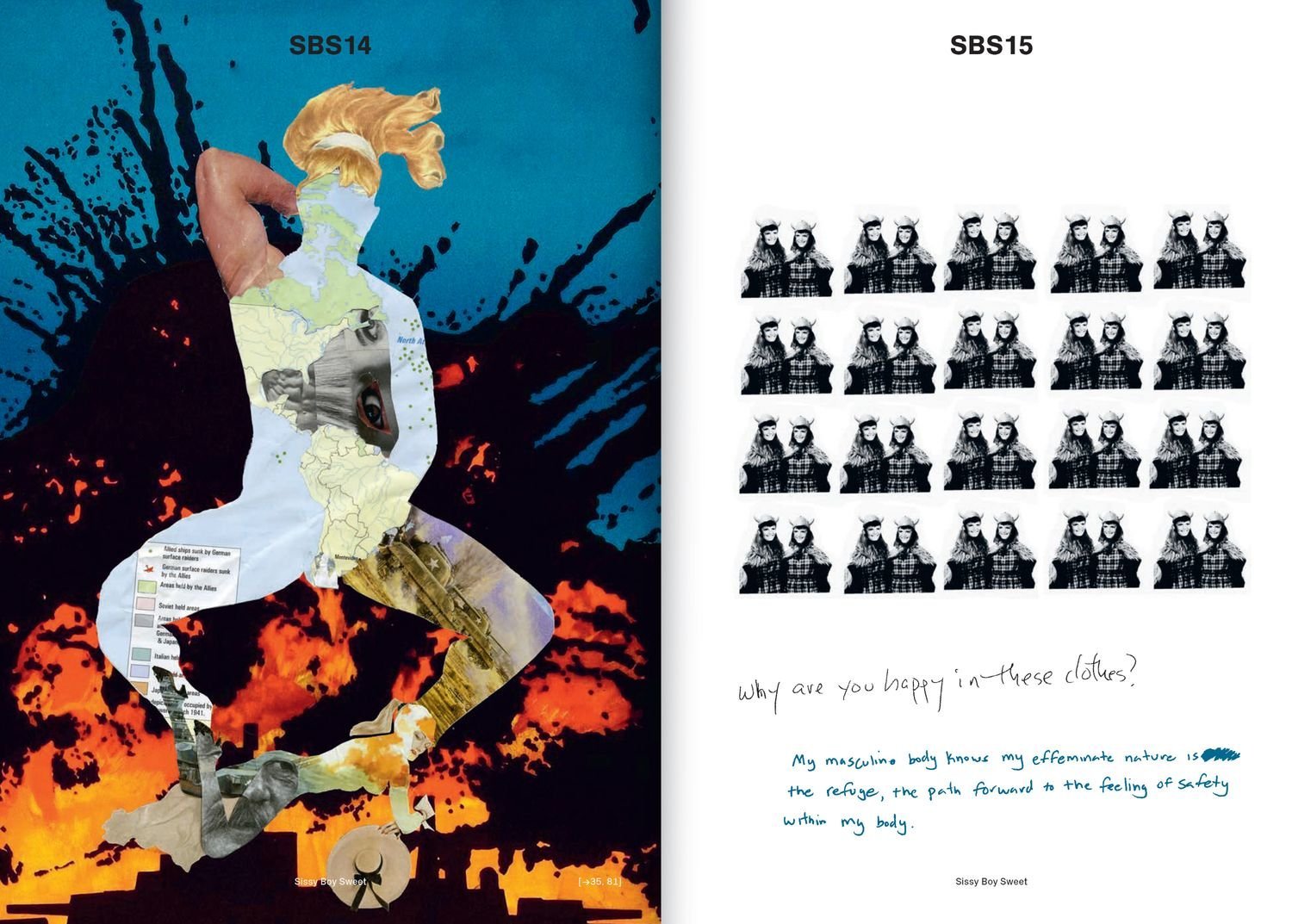
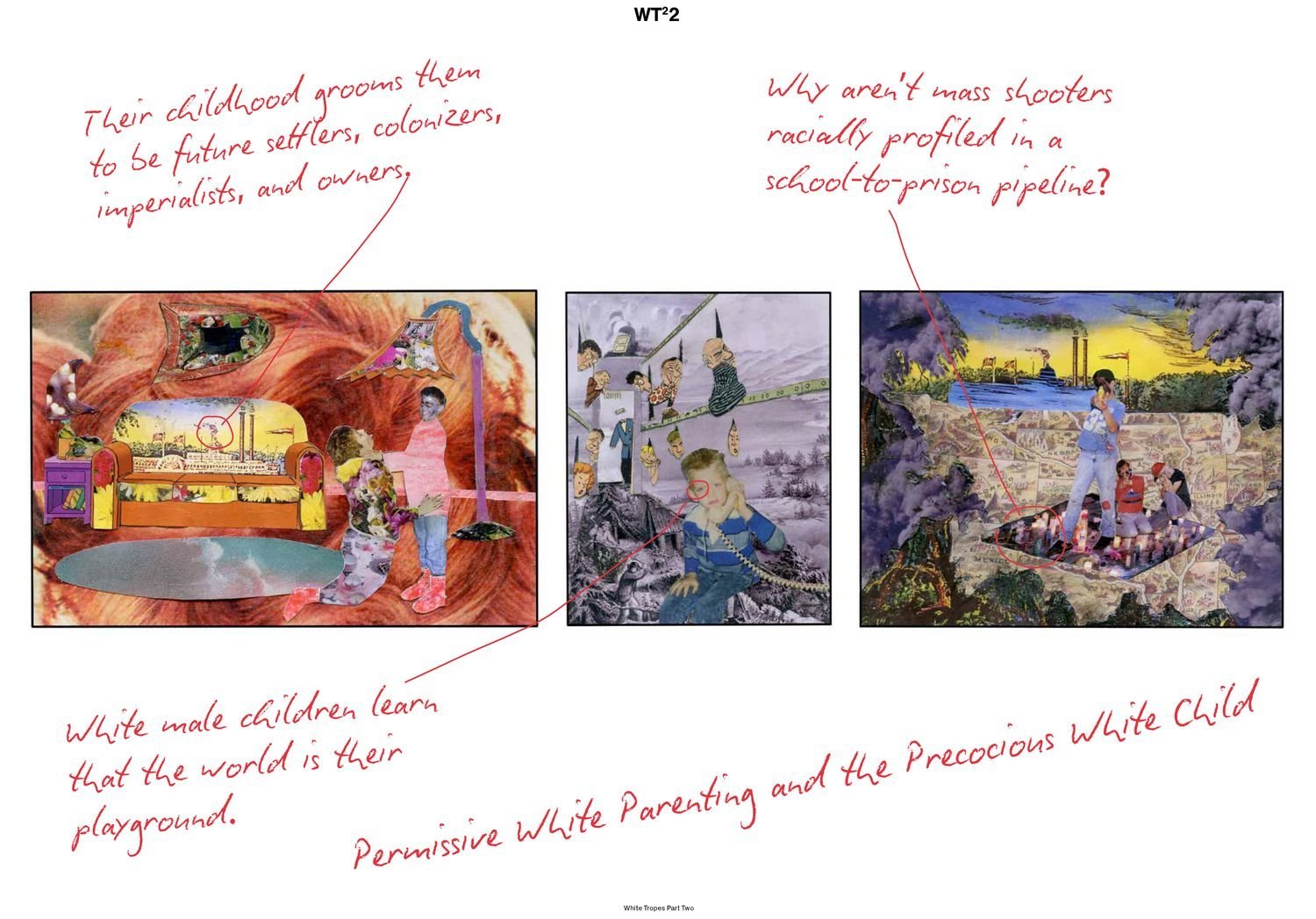
Chester: Interrogating the White Gaze on Black Bodies in Photography is a layered, multi-authored exploration of how whiteness, white supremacy, and white nationalism operate in American visual culture by turning the white gaze back on itself—making it personal to reveal how it functions from within. Co-created by Dr. H. Herukhuti Sharif Williams and photographer Justin Maxon and designed by Teun van der Heijden, the book turns the white gaze back on itself—making it personal to reveal how it functions from within. Dr. Williams elaborates, “As an interdisciplinary scholar, artist, and sociocultural critic, I am really clear about how images create narratives that have an immense impact upon perceptions, points of view, and perspectives. Images can engender empathy, outrage, revulsion, pity, and a host of other emotions that shape people’s relationships to each other and their world. As a Black person, I have witnessed how images have facilitated the propaganda of whiteness and anti-Blackness. The process of representation and depiction, what Stuart Hall would call signification, has dehumanized Black people in the minds of many people across the globe⎻even to Black people ourselves. That reality is clear to most people willing to notice it.”
Maxon adds “As a white person in America, the interpretation of our experiences has constantly reinforced our superiority complex. They serve as walls of defense, so if one falls, there is always another behind. We must understand each moment in its context and its relationship to white supremacy, and place them under the same light of exposure.”
“What is less obvious,” Dr. Williams asserts, “particularly to these individuals who benefit the most from the racial hierarchy of white supremacy, is that whiteness has dehumanized people racialized as white. It has turned them into monstrous, psychically deformed creatures who simultaneously carry an insatiable hunger and bloodlust and a deep-seated, overwhelming numbness.”
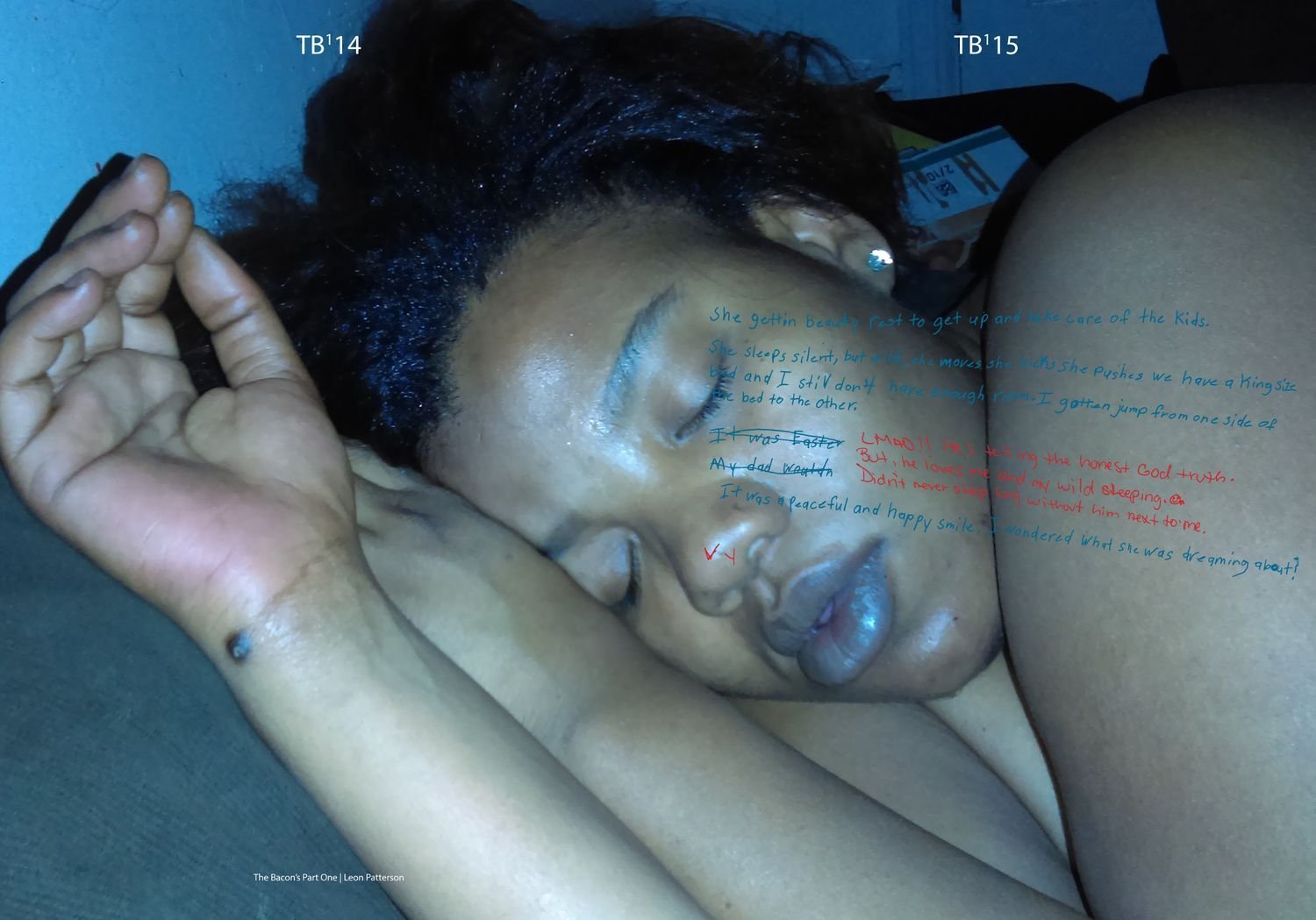
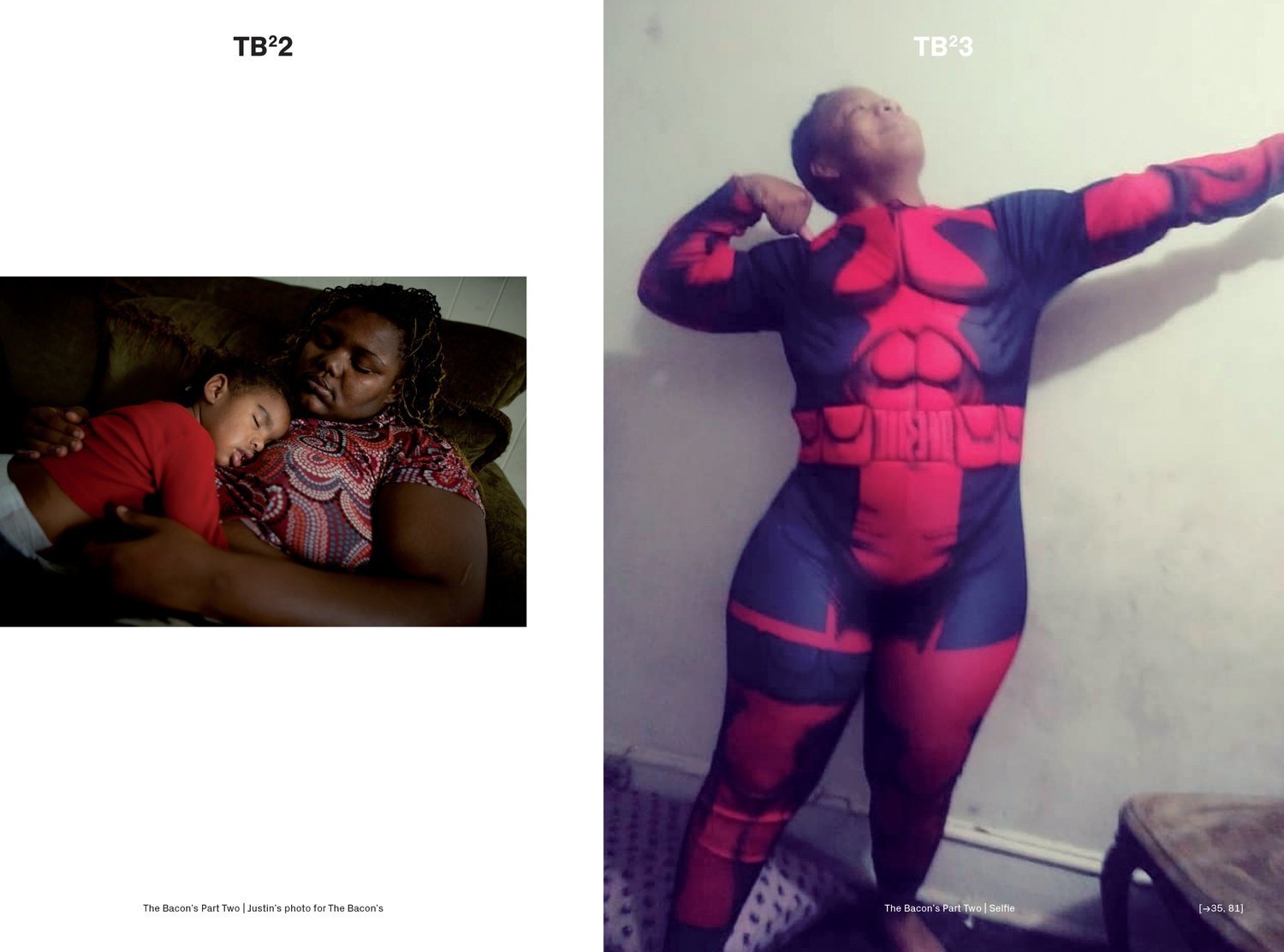
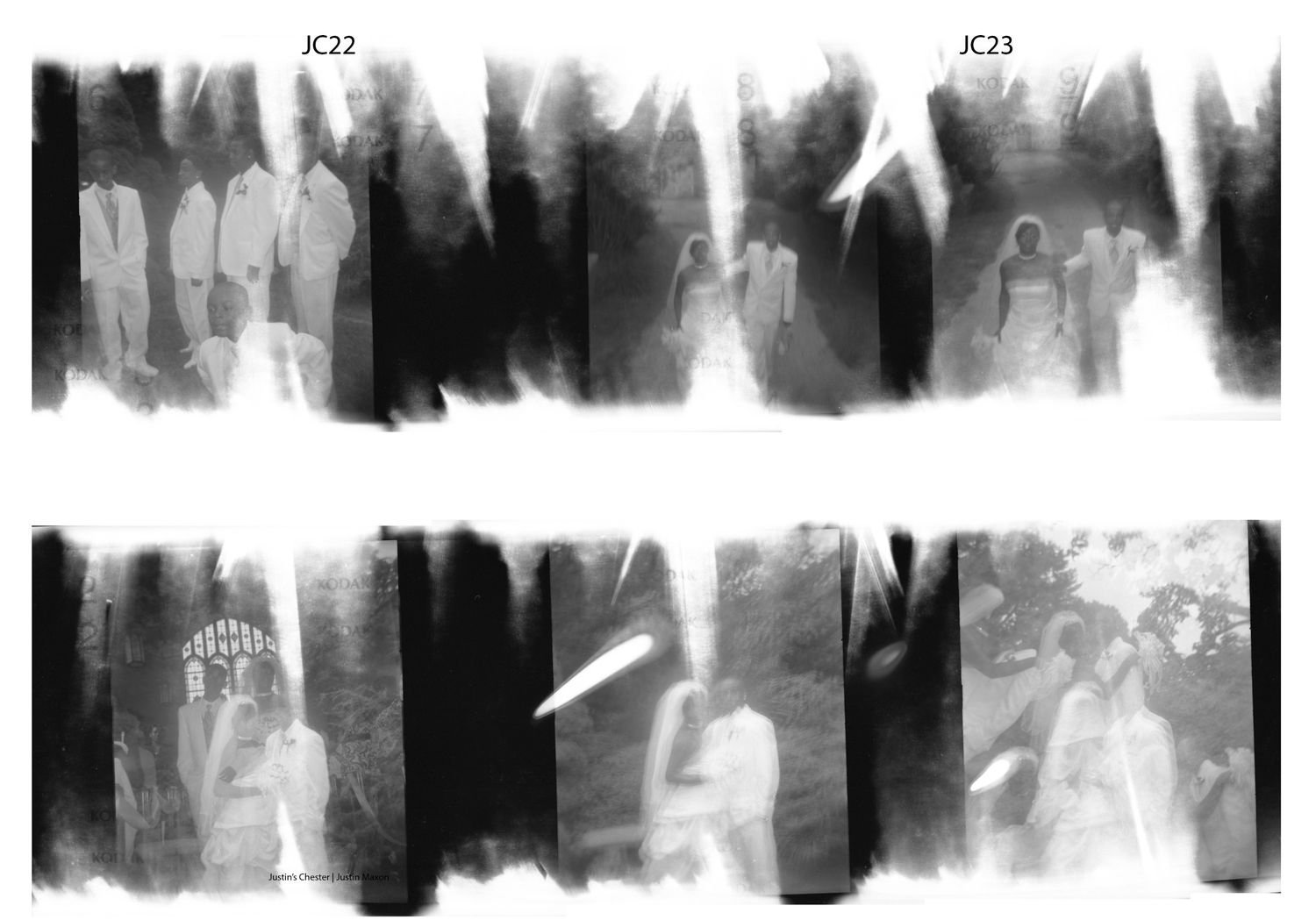
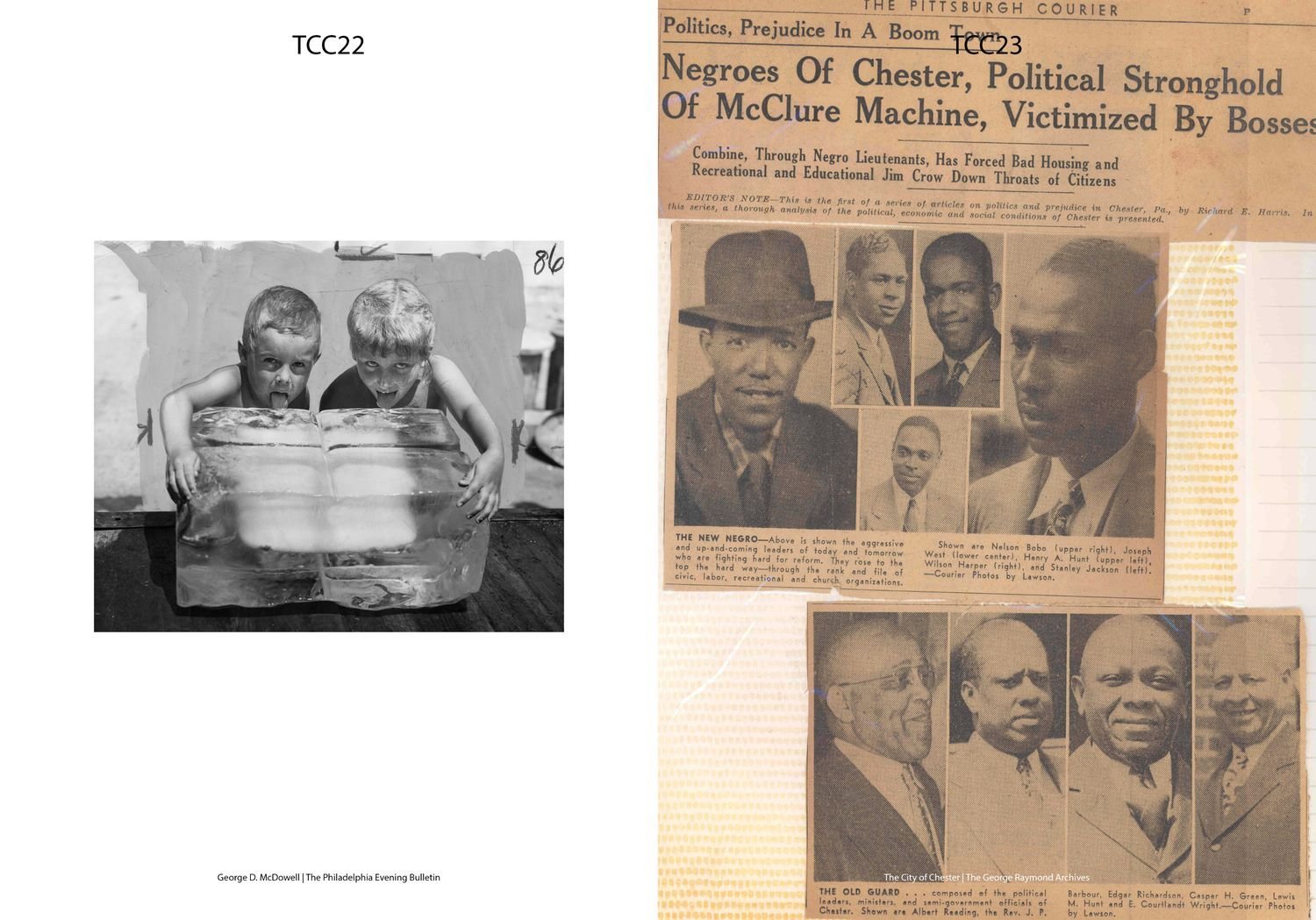
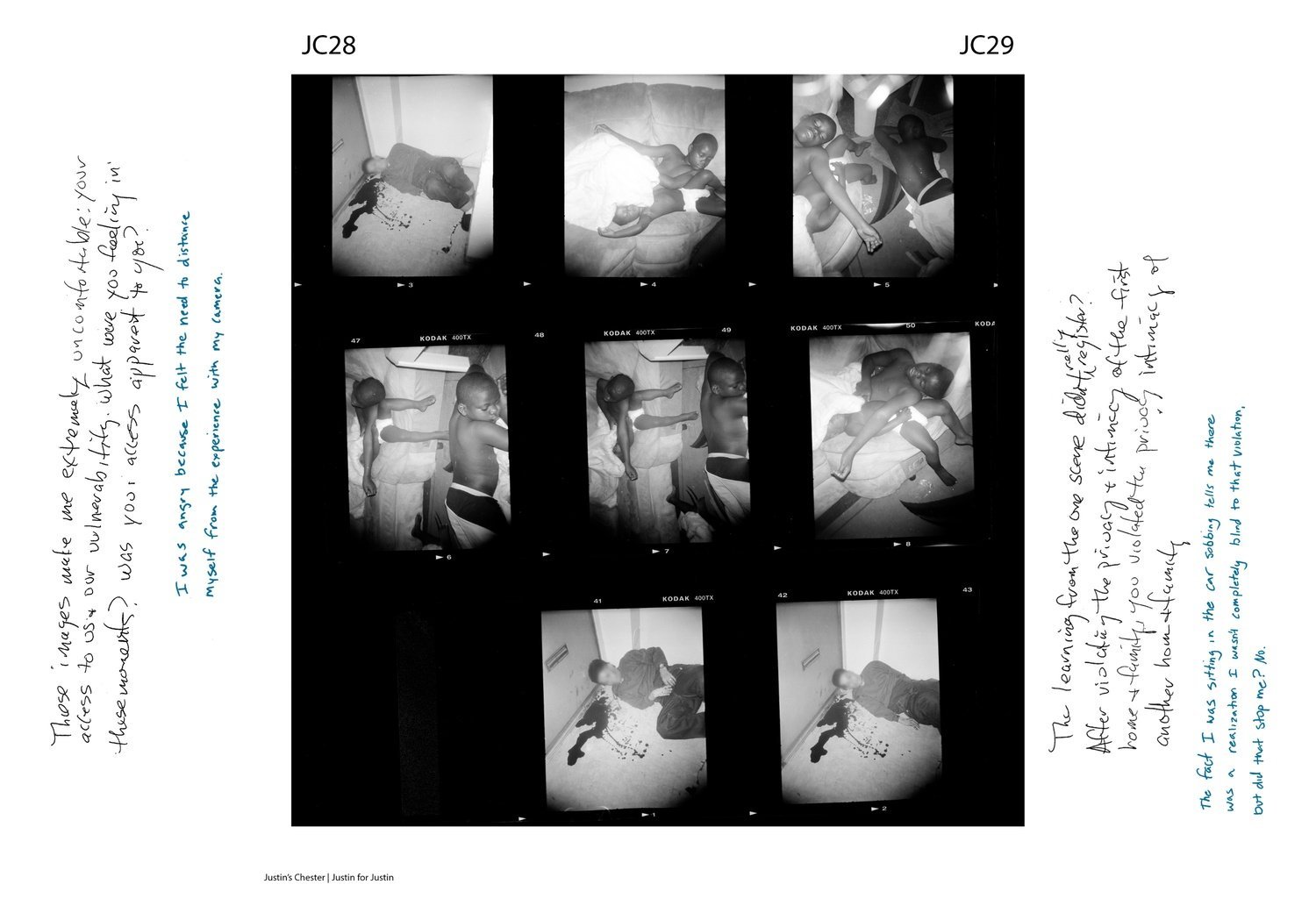
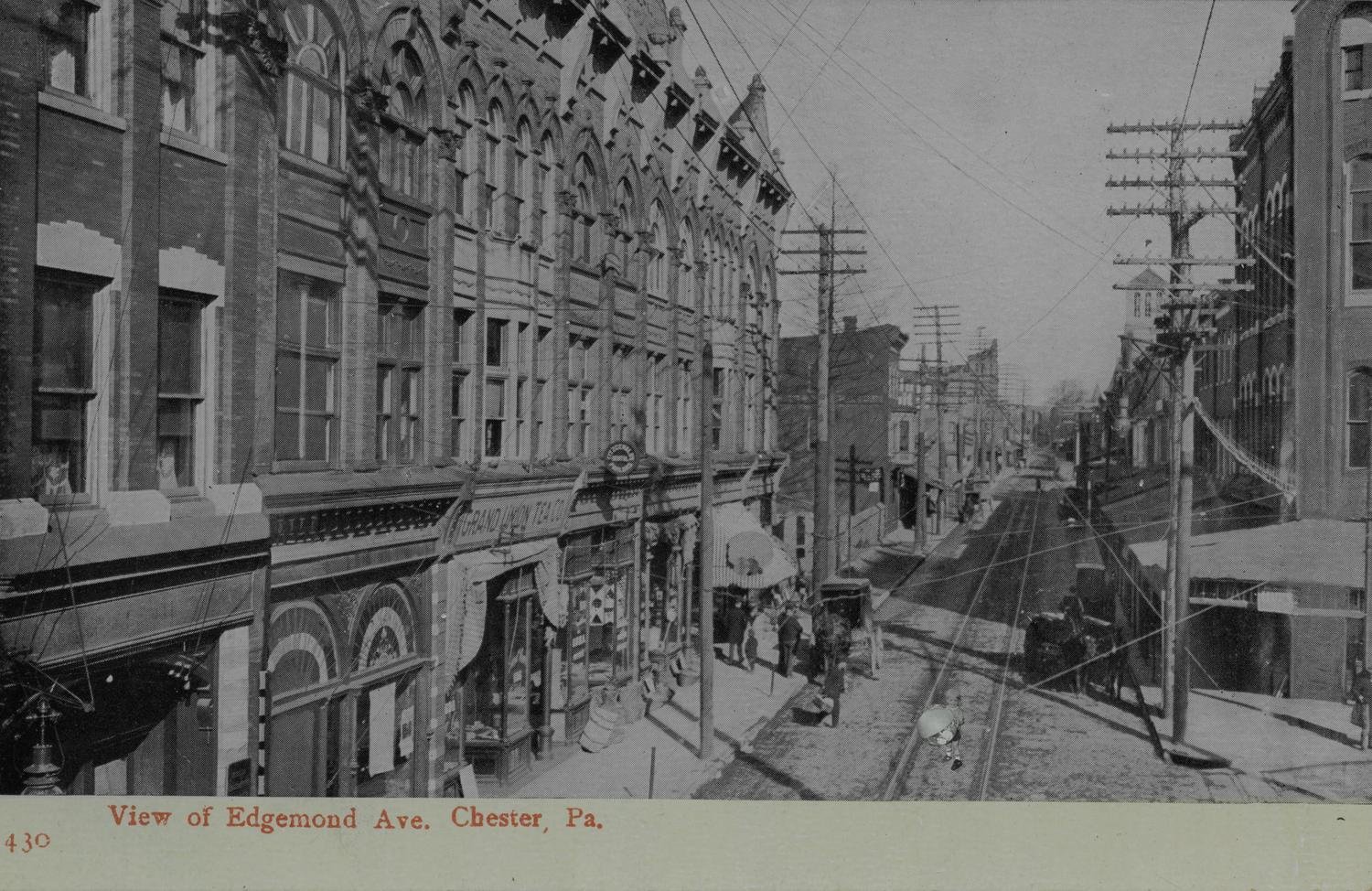
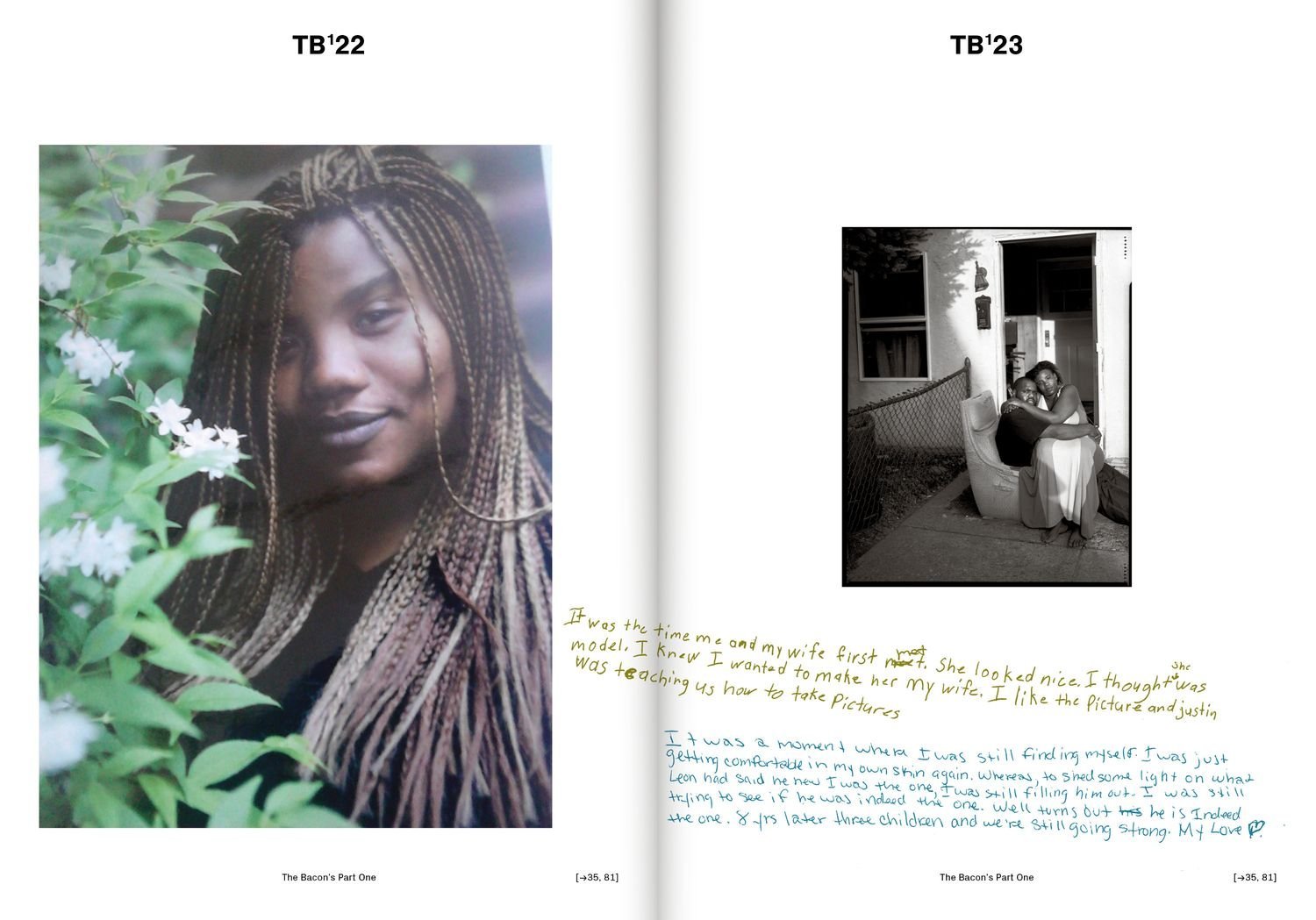
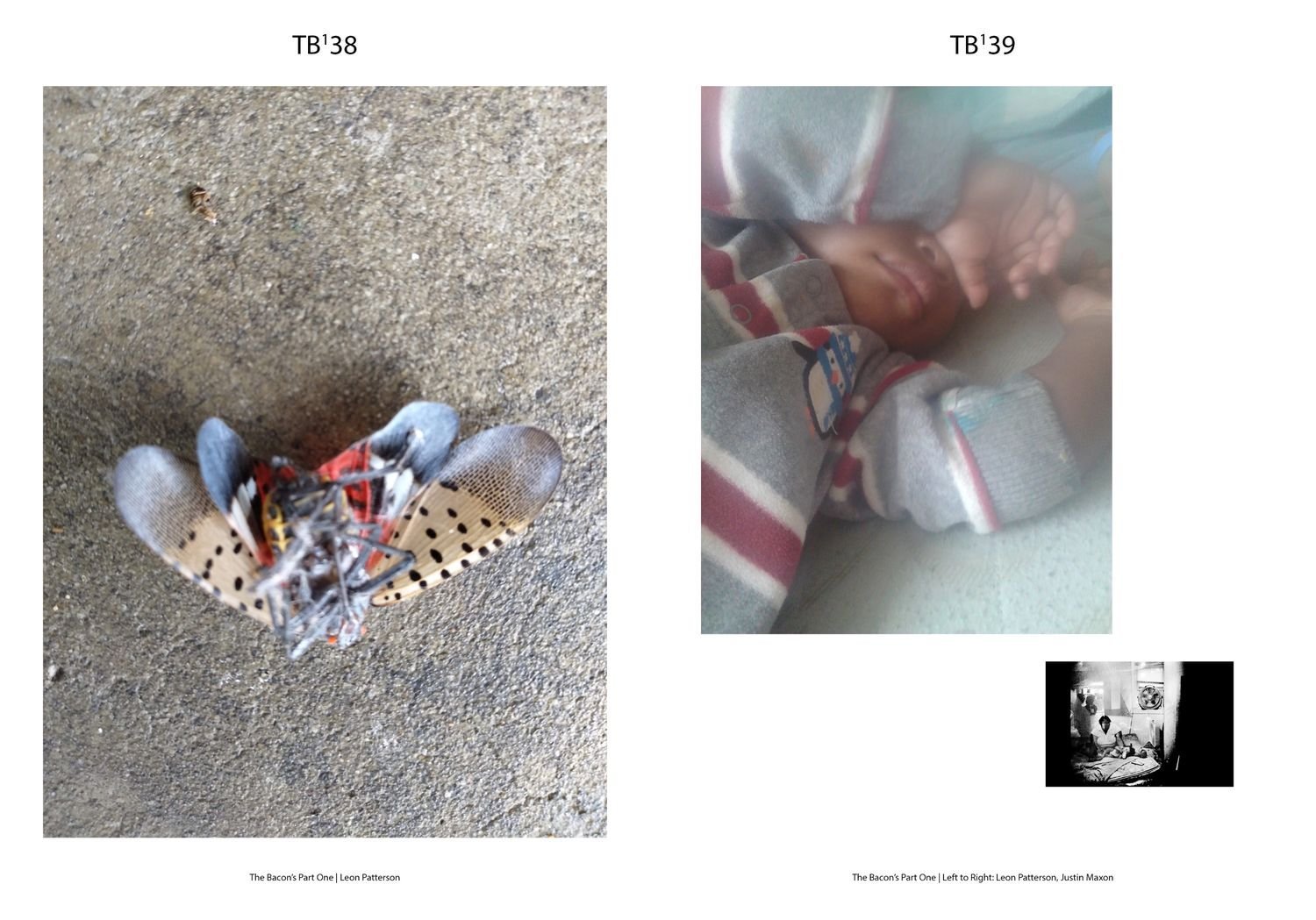
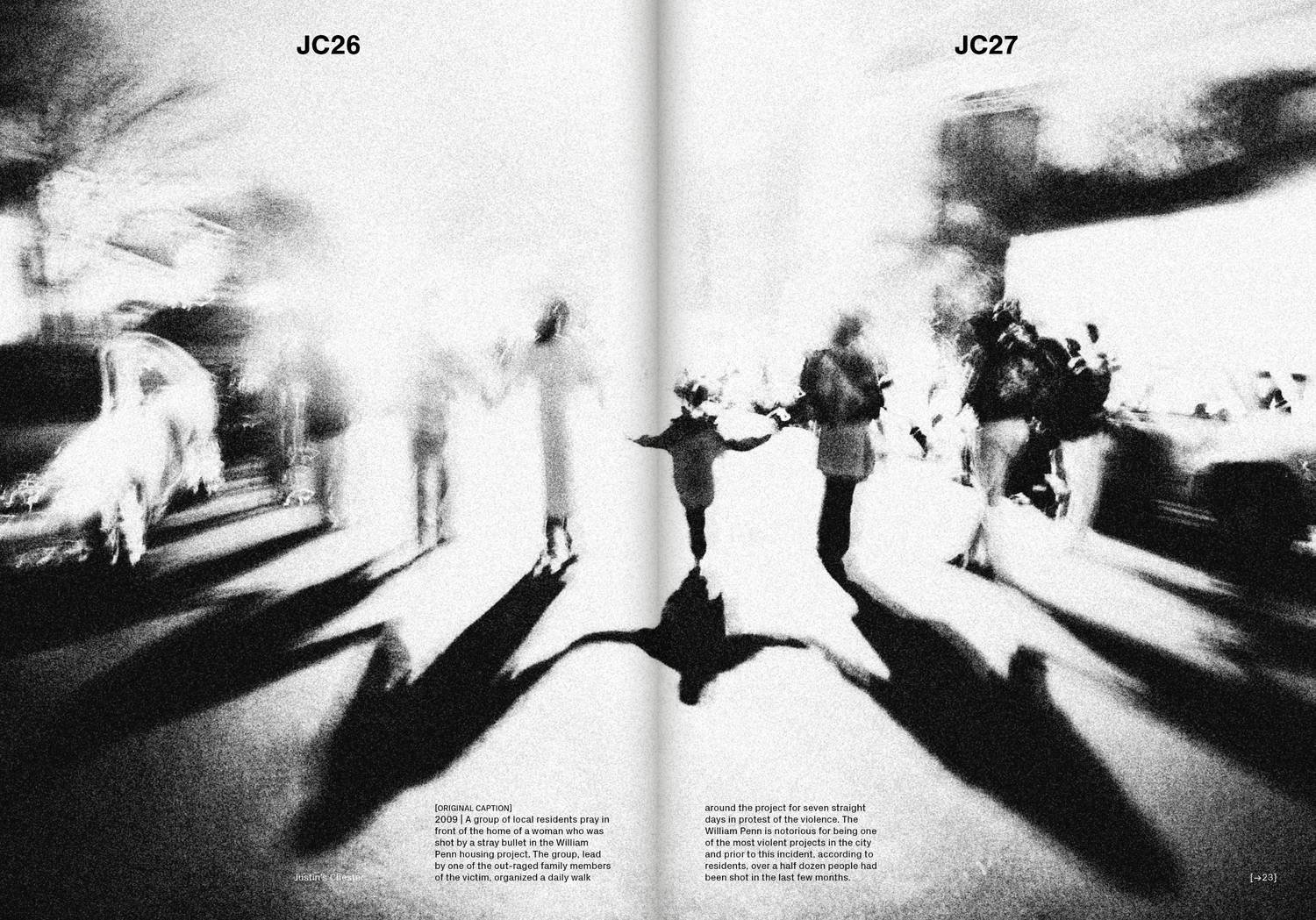
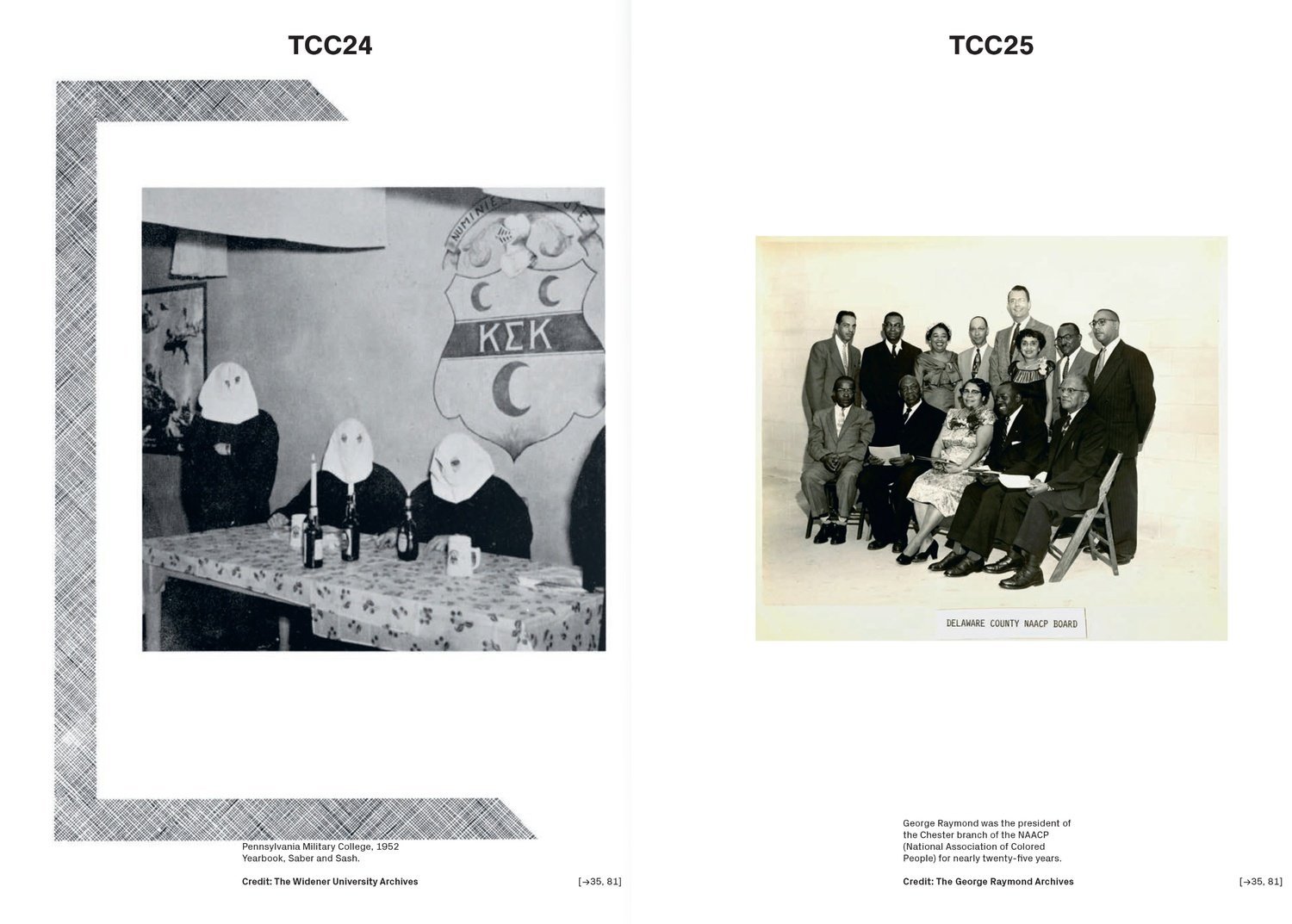
Featuring the work of artists from Chester, Pennsylvania—Desire Grover (artist), Wydeen Ringgold (citizen journalist), Leon Paterson (photographer), and Jonathan King (activist)—the book juxtaposes their work with mainstream media representations of the city, including Maxon’s photographic coverage from 2008 to 2016 and other contemporary and historical local media, to challenge the construction and embodiment of whiteness while encouraging reflection and conversation about its impact on society.
“Even acts of acknowledgment risk being absorbed back into the logics of whiteness, turning recognition into yet another way of placing me at the center. Whiteness protects itself by only admitting certain truths, the kinds that allow it to be praised and celebrated while leaving its power intact,” Maxon warns.
Dr. Williams explains, “When Justin asked me to join the project and contribute to its development, I accepted the invitation because I believed this project would be a form of reckoning for people racialized as white. Chester is a mirror as much as it is a book. At first glance, the photographs that Justin captured in Chester are of Black people. But they aren’t, really. The photographs capture the white gaze. They capture how Justin viewed Black people in Chester. They don’t show us who the Black people were as much as they show us who Justin believed the Black people to be through his gaze⎻a gaze informed by all the racist learning he received up until that point in his life about Blackness, whiteness, and his relationship to them. That is why this book is a mirror. I joined the project because I wanted to help enhance the capacity of the mirror to show photographers and photojournalists who are racialized as white the effects of their white racialization on their practice and craft and the horrific consequences of the white gaze.”