Atlantis
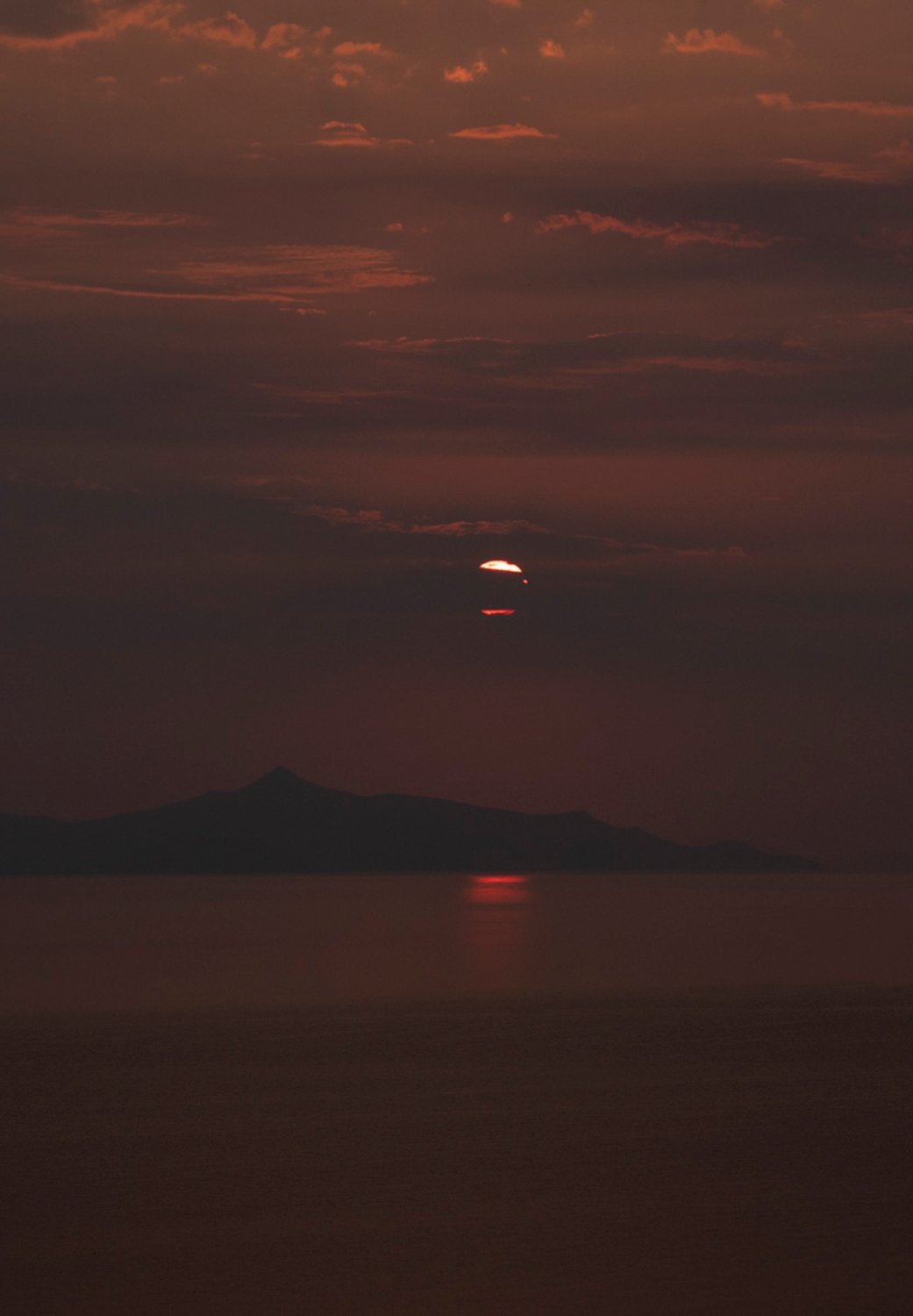
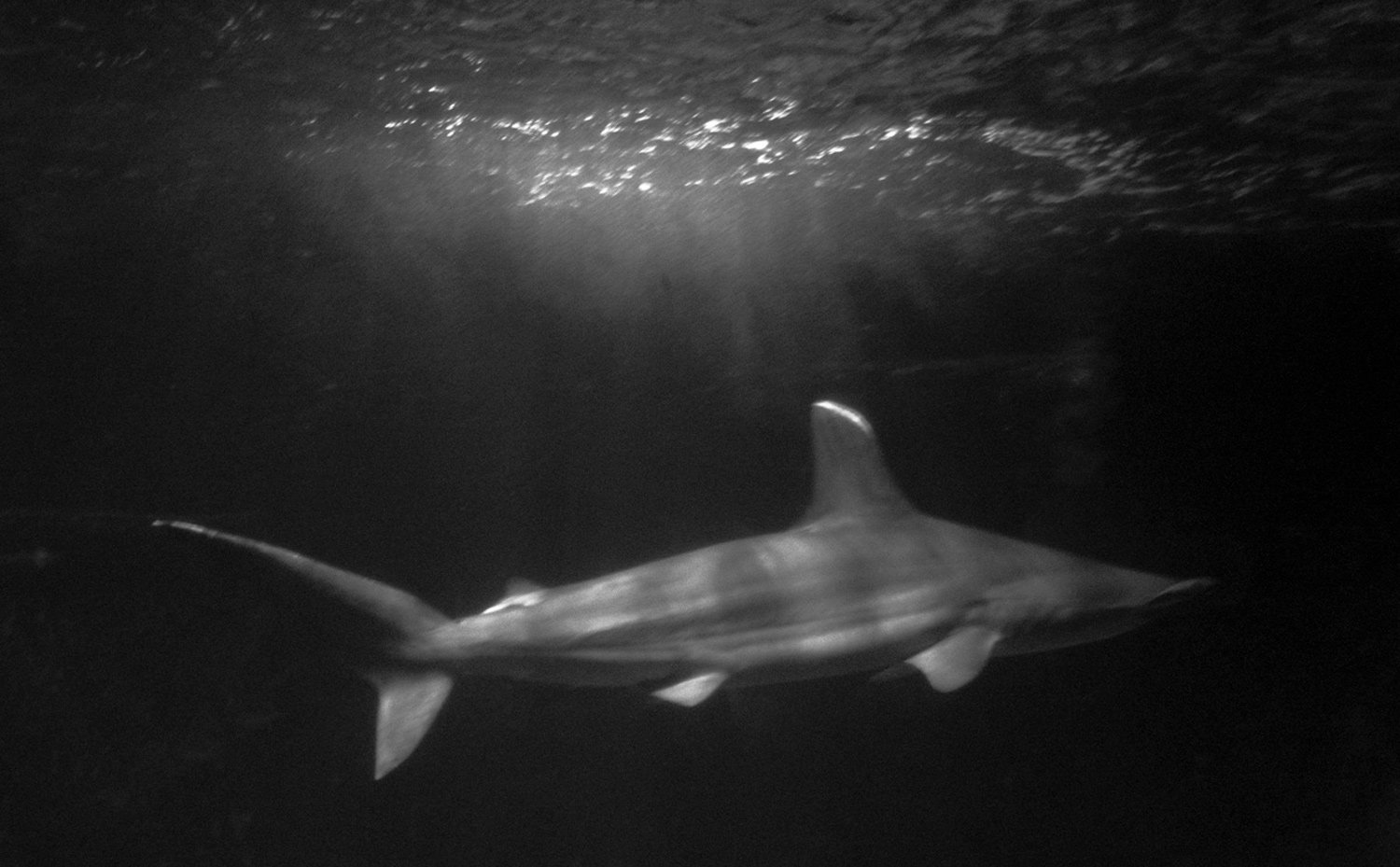
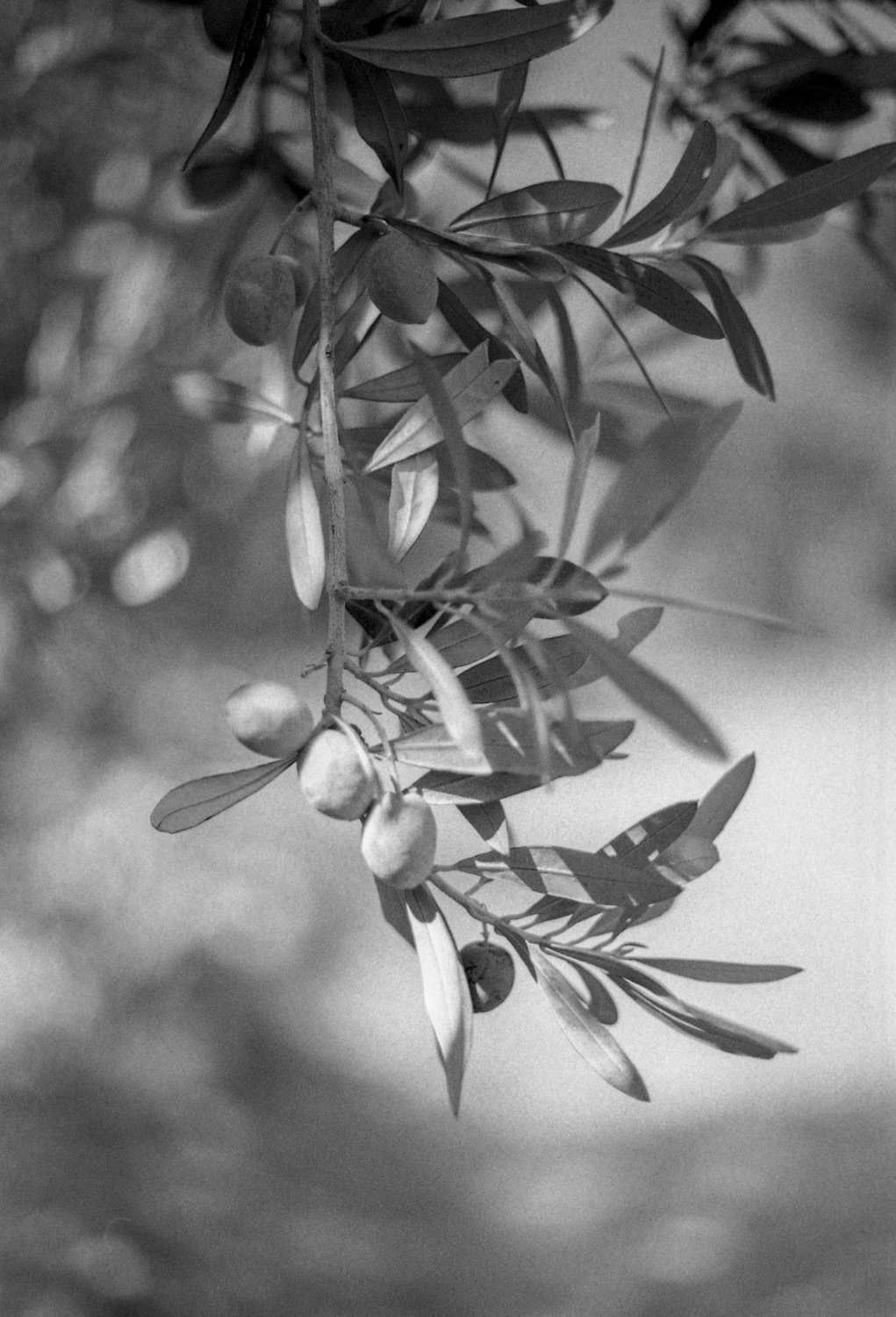
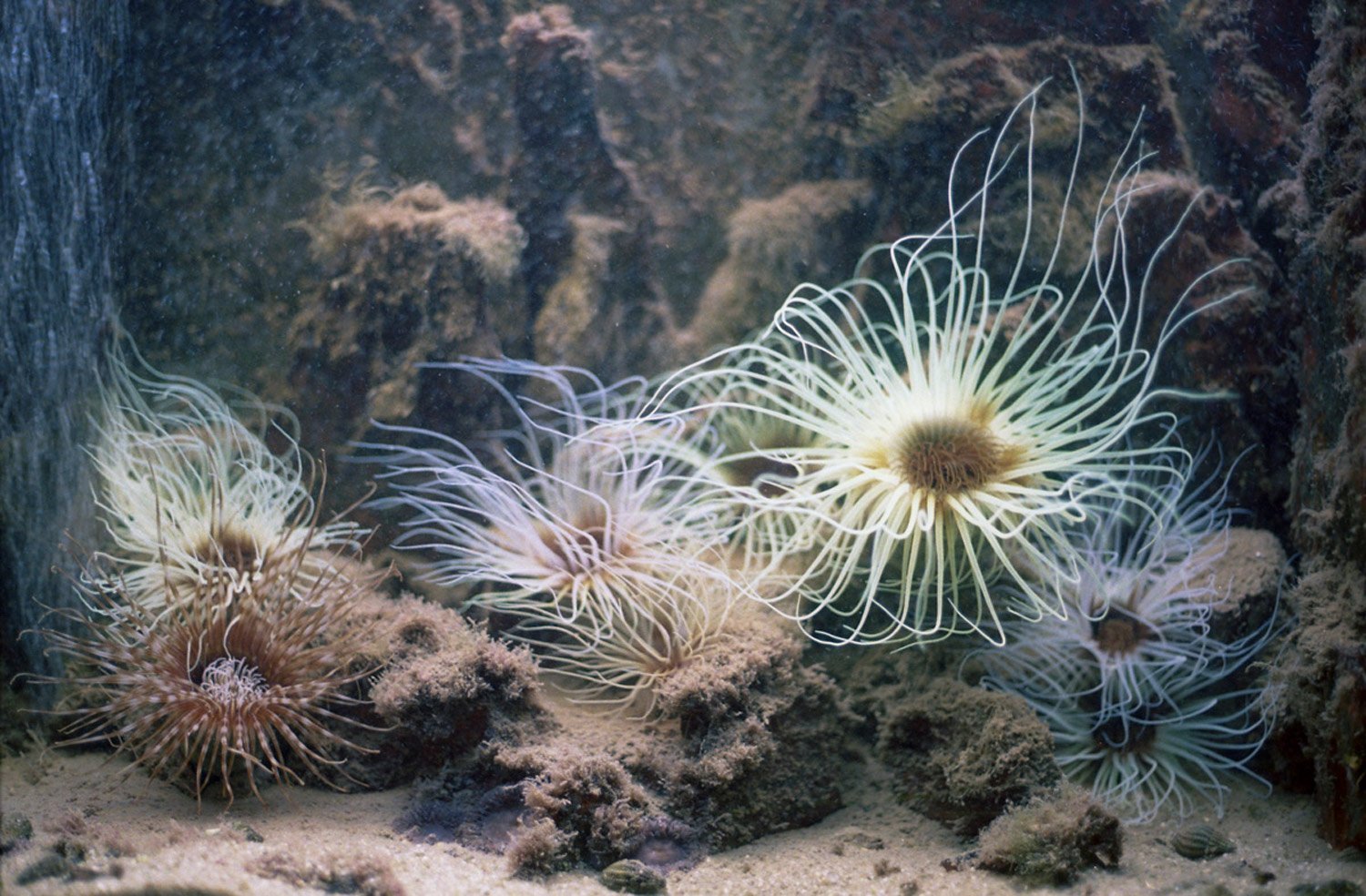
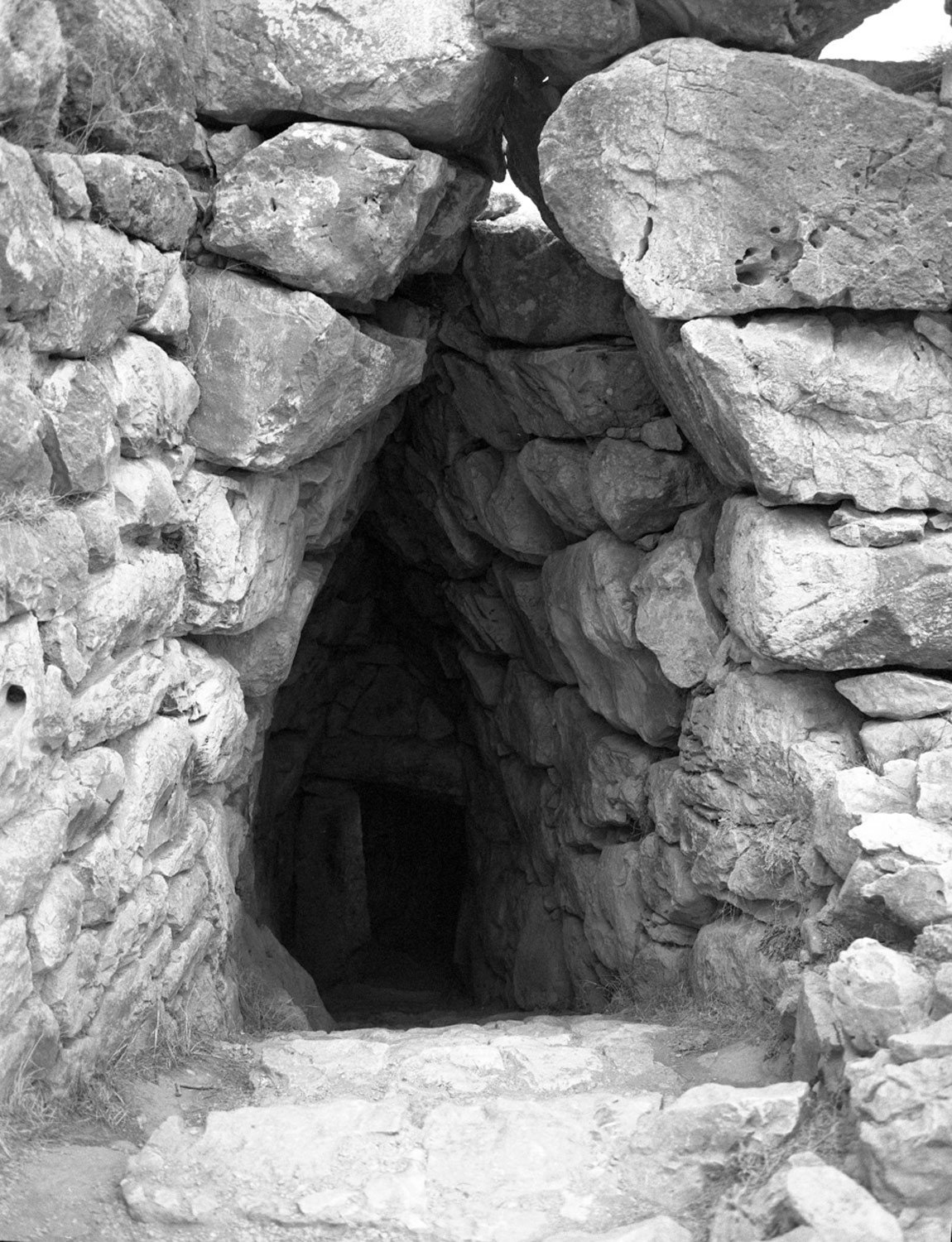
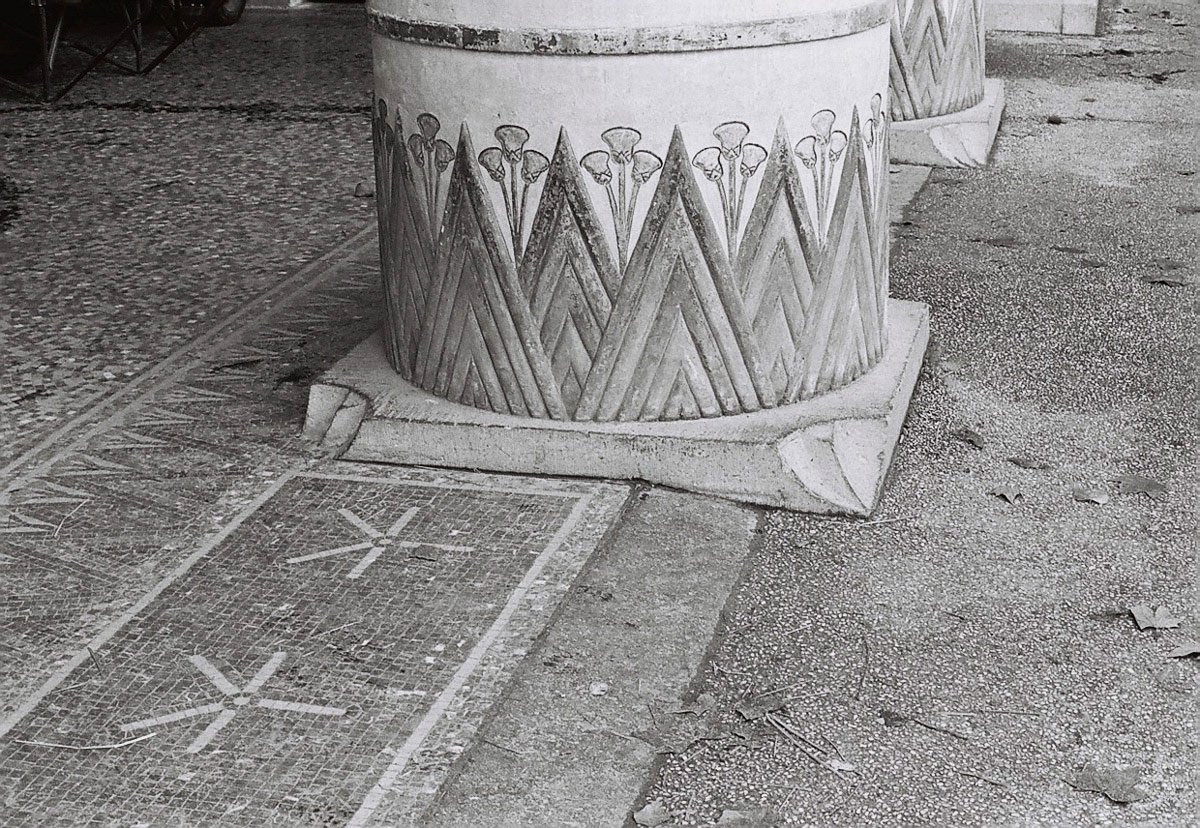
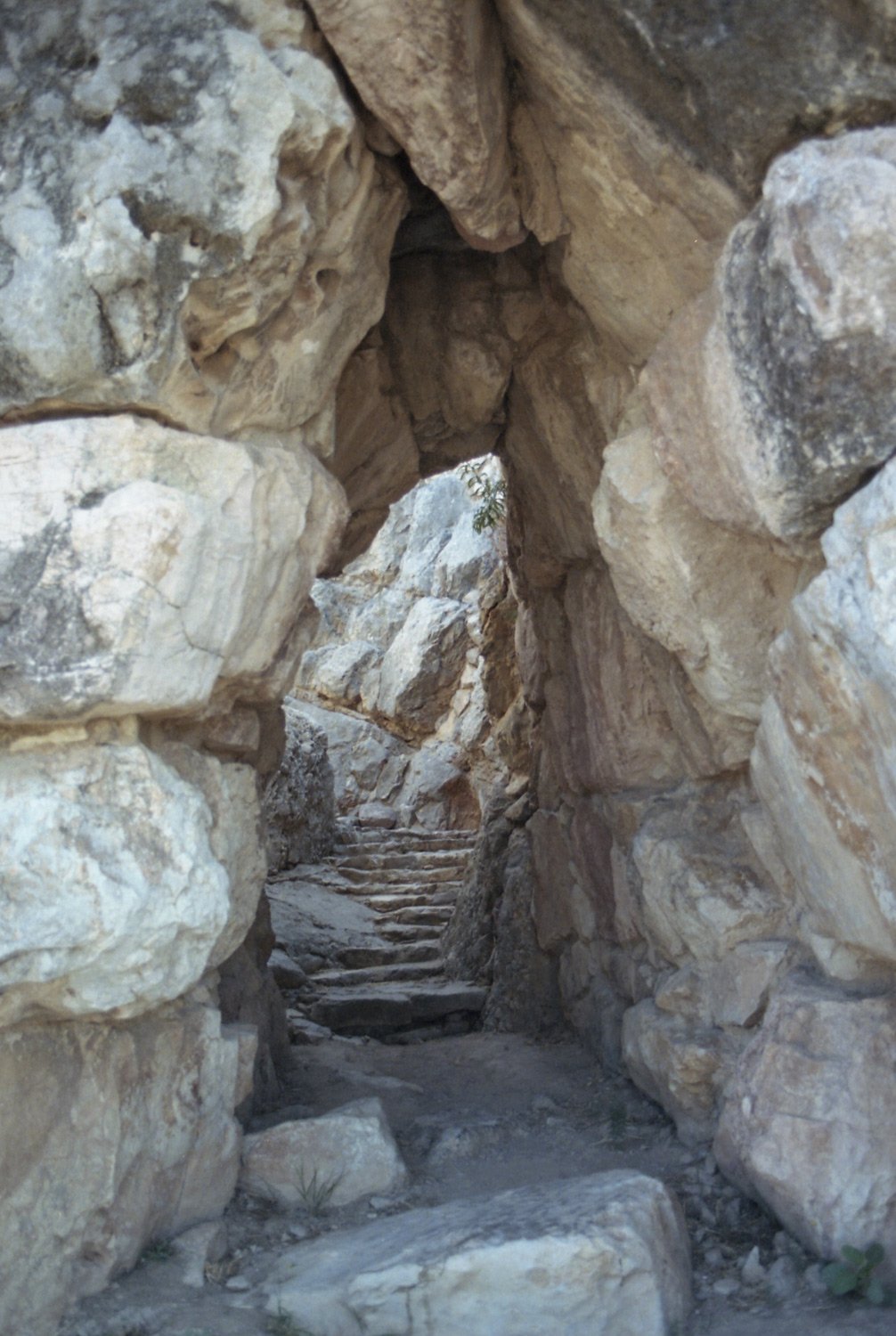
The Atlantis project is conceived as a continuation of Paradis, my previous project published by The Eriskay Connection. Like Paradis, ATLANTIS takes the form of a collection of images drawn from various sources, all of which are connected to the legend of Atlantis.
The myth of Atlantis, as told by Plato in the Timaeus and the Critias, describes a magnificent, vast, and prosperous island, blessed with fertile lands and abundant natural resources. Its inhabitants, descendants of Poseidon, lived in a society in harmony with nature. Over time, however, their ambitions led them to expand their empire and conquer new resources, provoking the wrath of Zeus, who punished them by unleashing a cataclysm that submerged Atlantis beneath the waves. To this day, the myth continues to fuel archaeological theories and inspire countless fictional accounts.
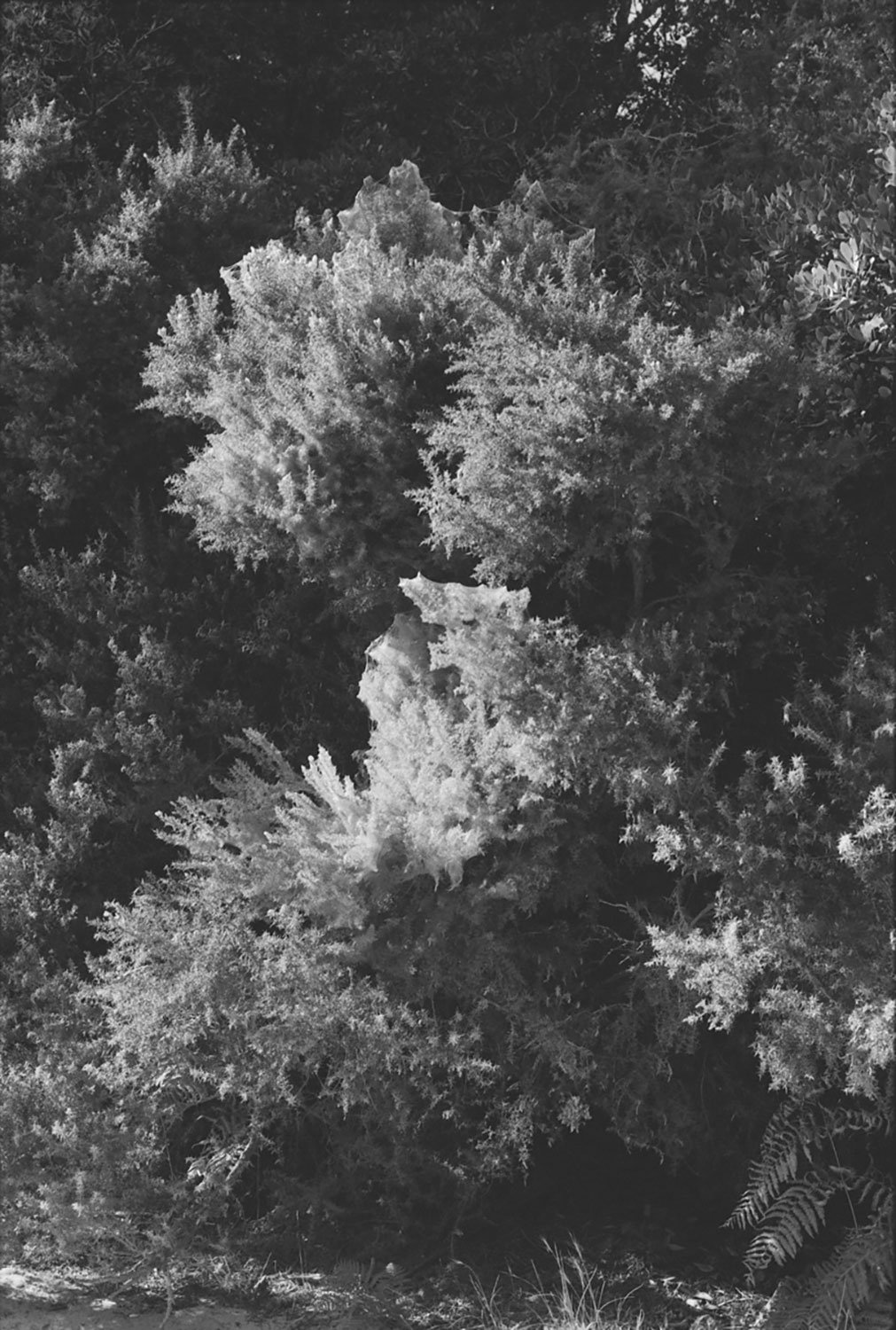
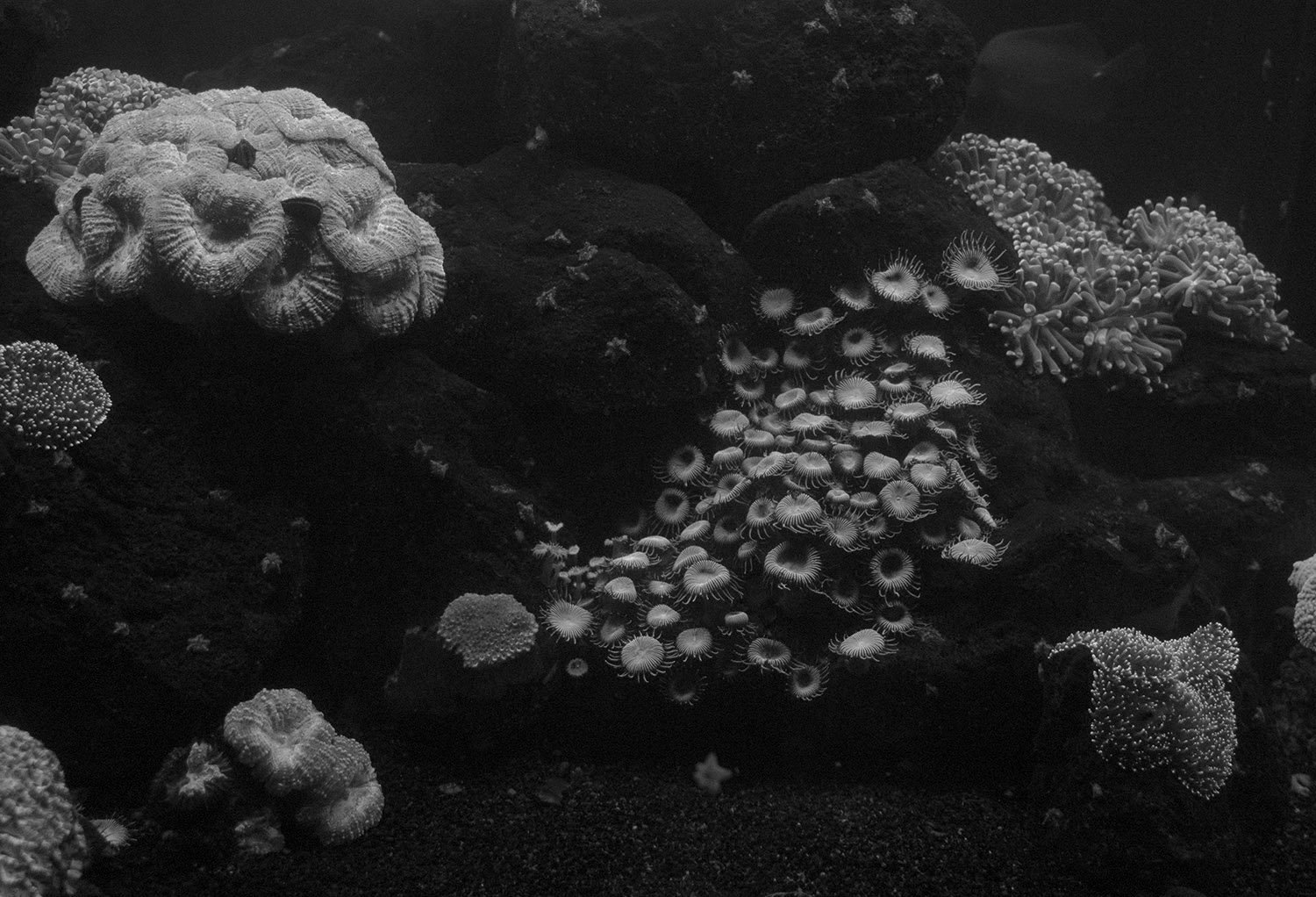
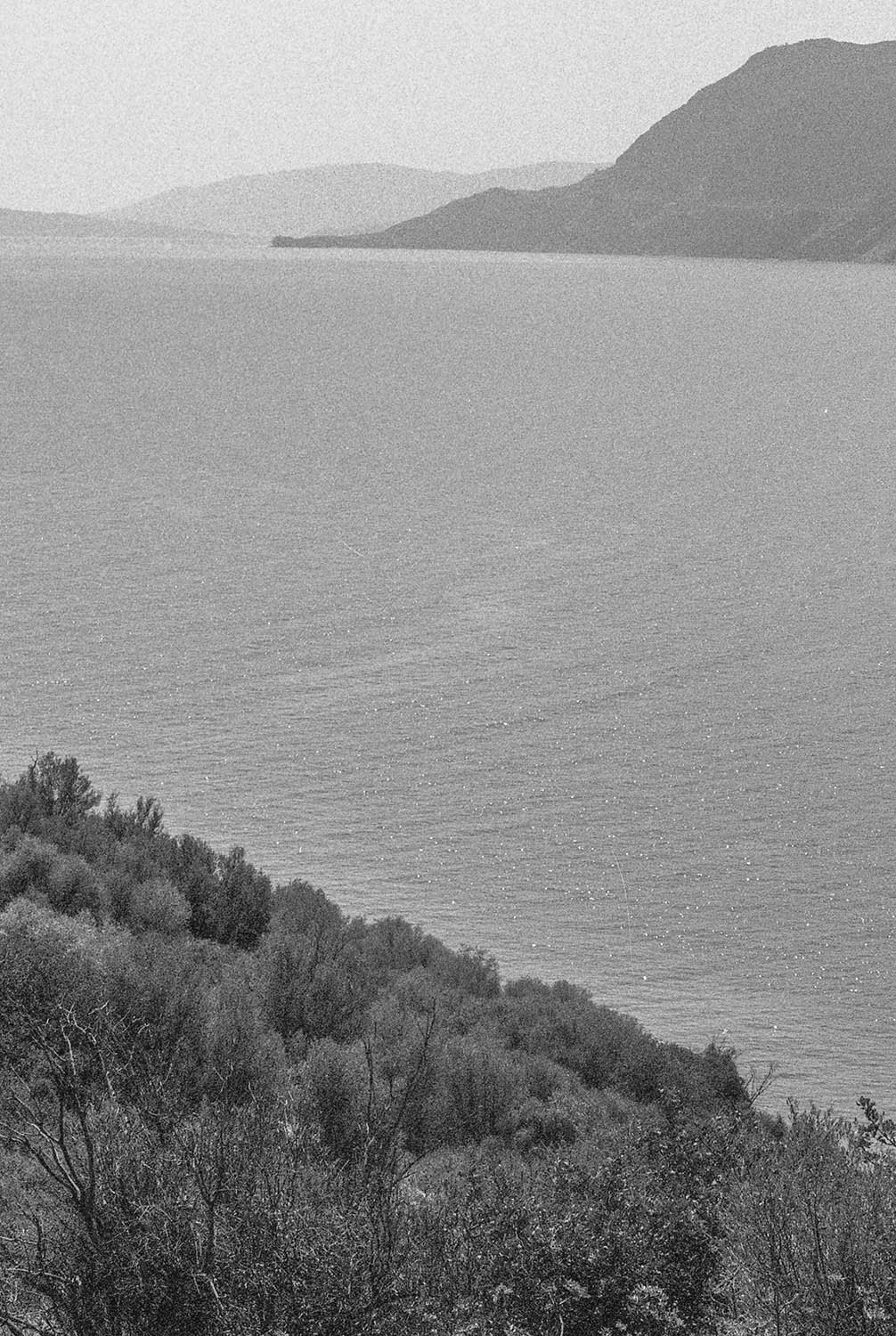
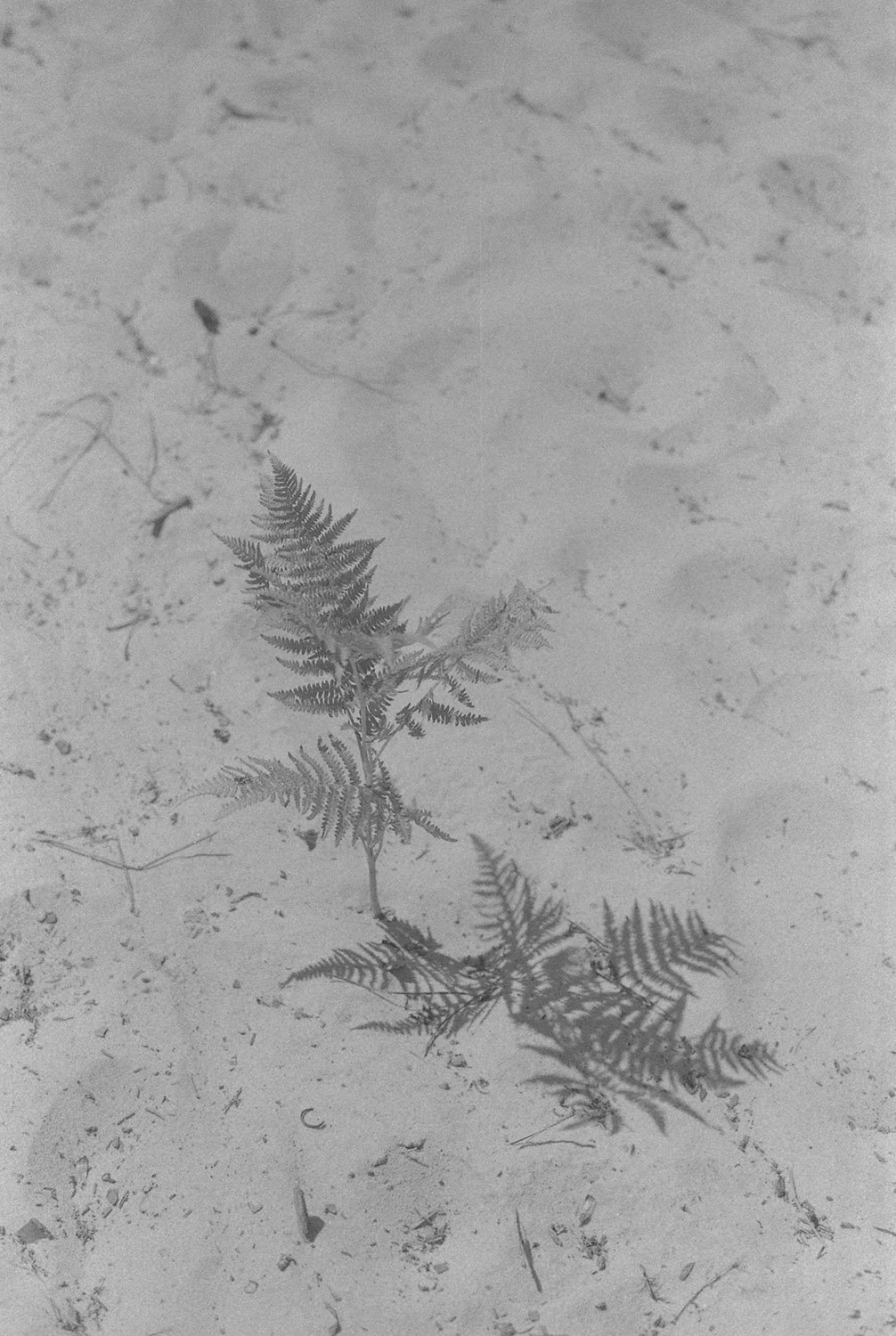
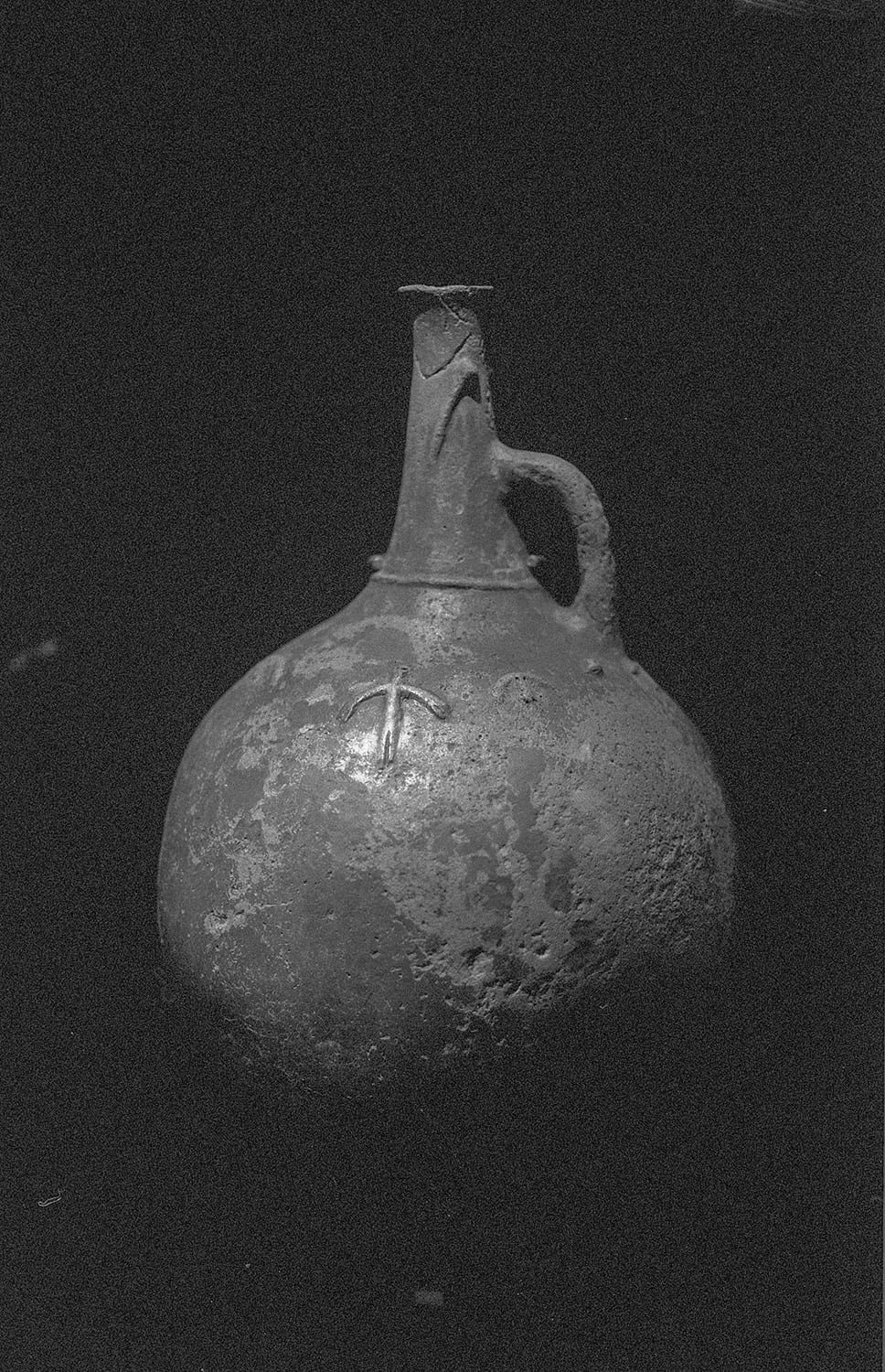
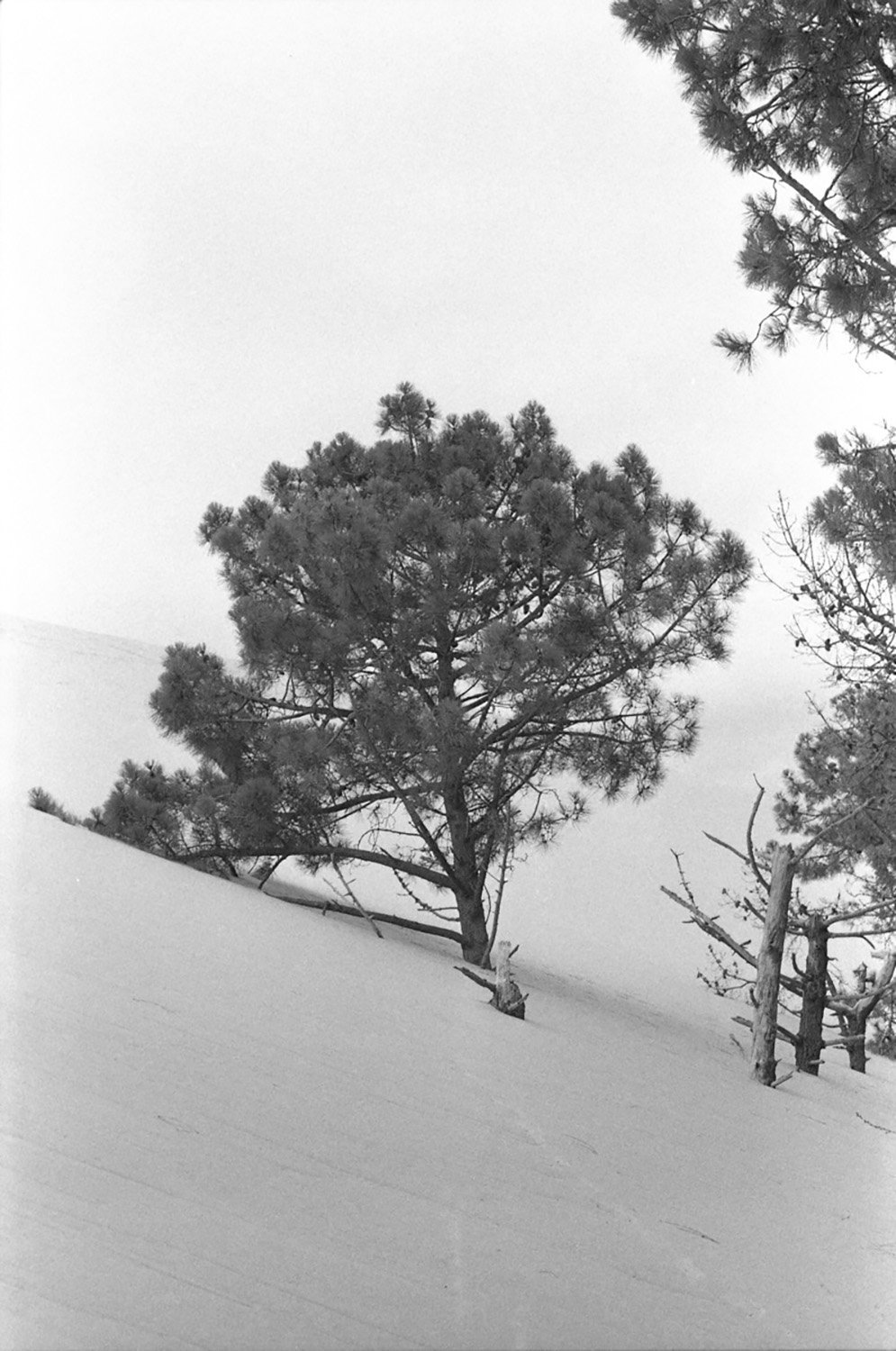
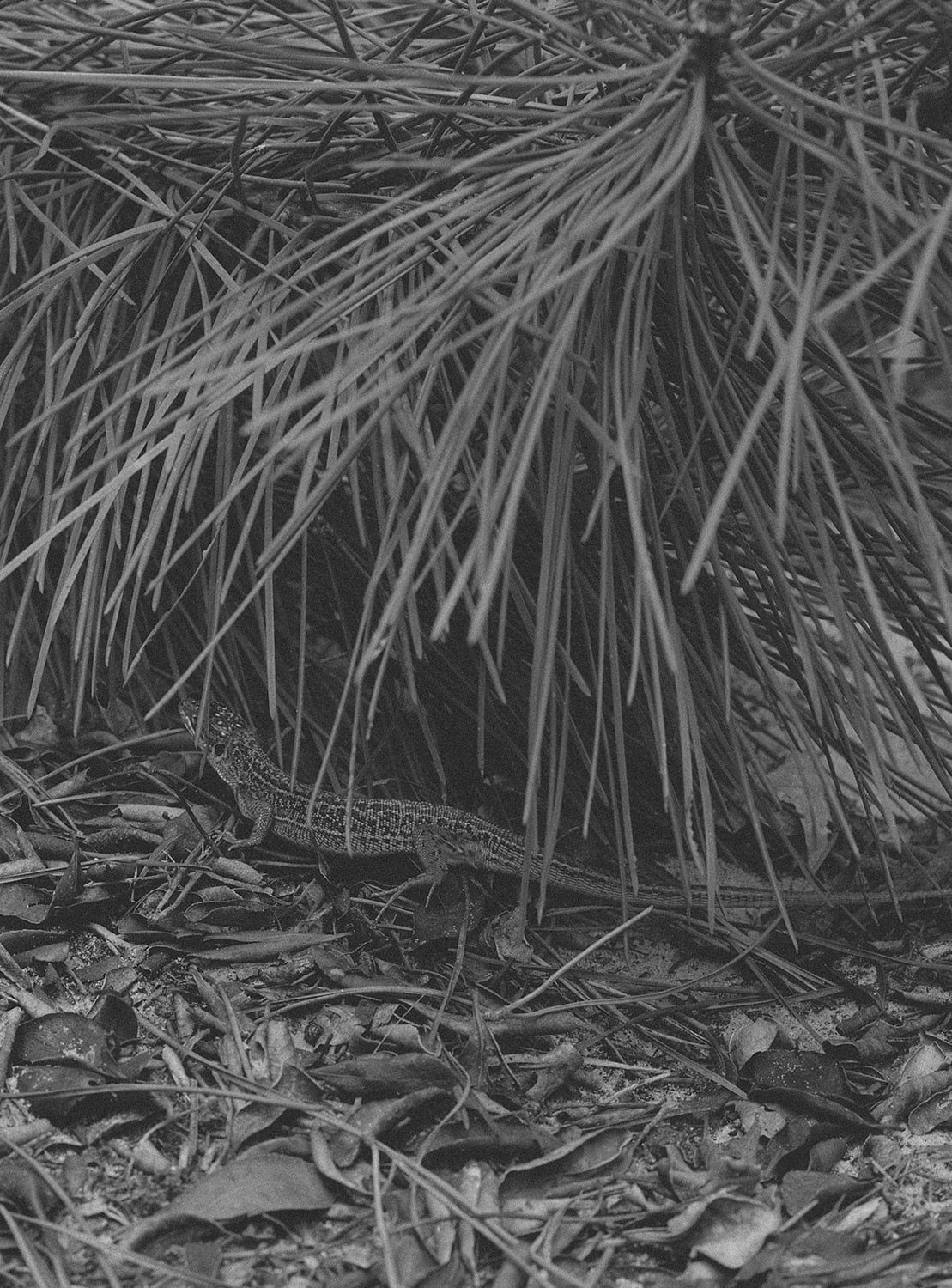
This photographic series is a free reinterpretation of the Atlantis myth, through which I seek to craft a new narrative—one that combines a photographic body of work with a science fiction short story. Together, they reflect on lost paradises, collapse, and ruins, in resonance with our contemporary world. This fiction of a lost paradise unfolds through the associations of images. It is constructed both through the mental and imaginary representation of a marvelous territory, and in parallel, through the depiction of its submersion and the remnants left behind. Like archaeologists—those explorers of the past who recover fragments of vanished civilizations that, due to their fragmentary nature, invite narrative speculation and stimulate imagination—I try to weave a thread between the known and the imagined, the clue and the invisible, the visible and the buried. What reaches us in an incomplete form finds its resolution through fiction.
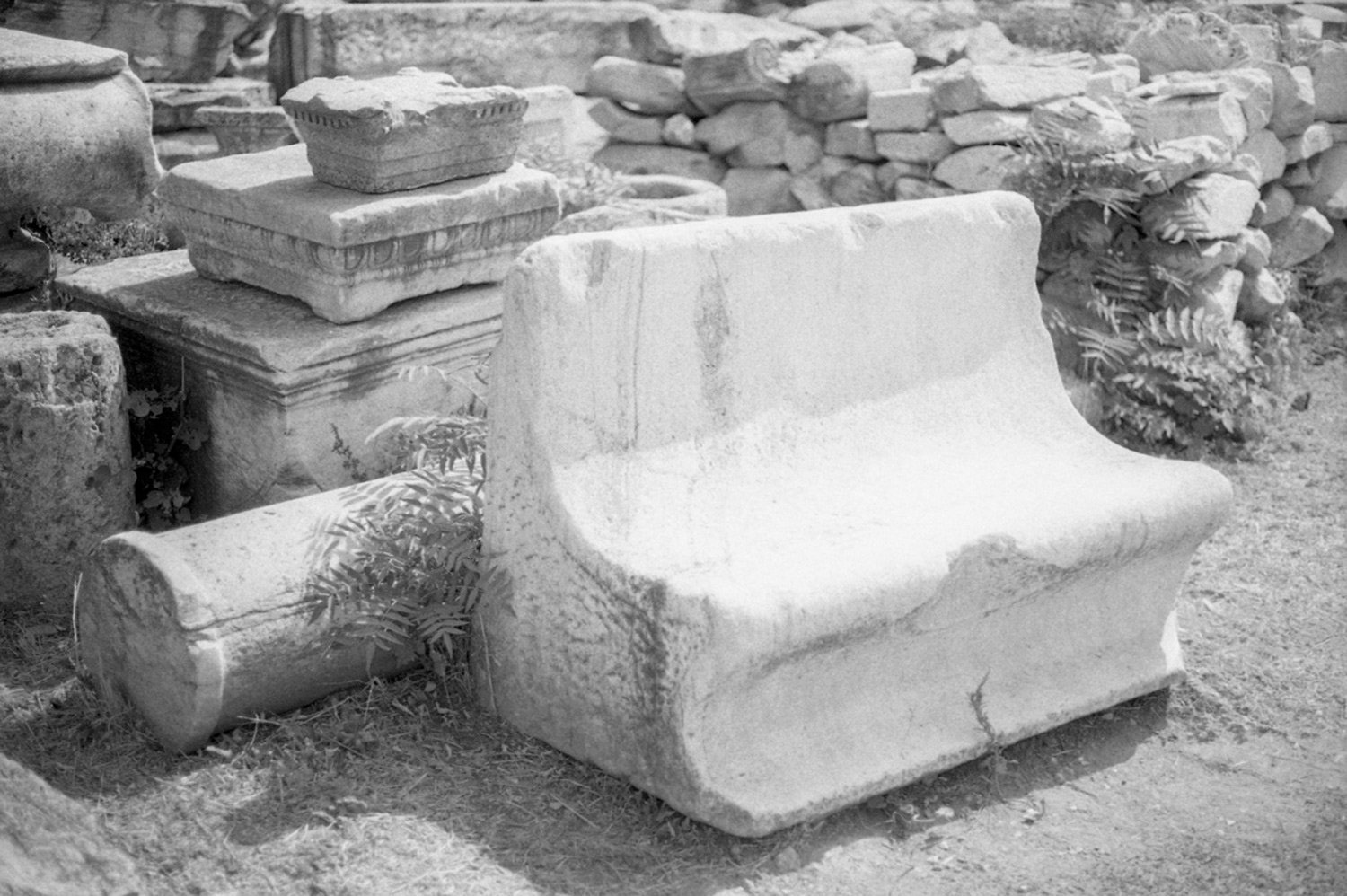
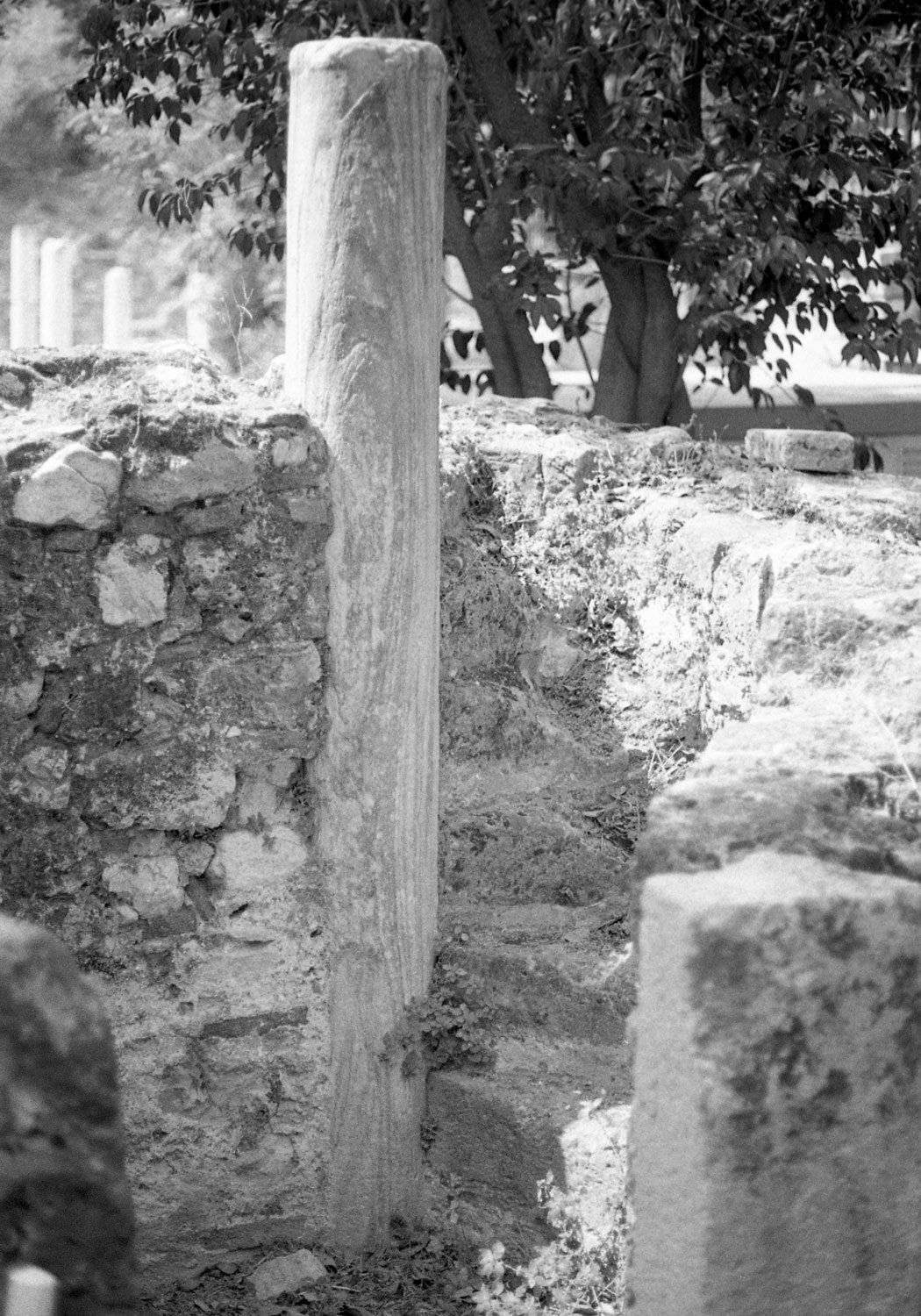
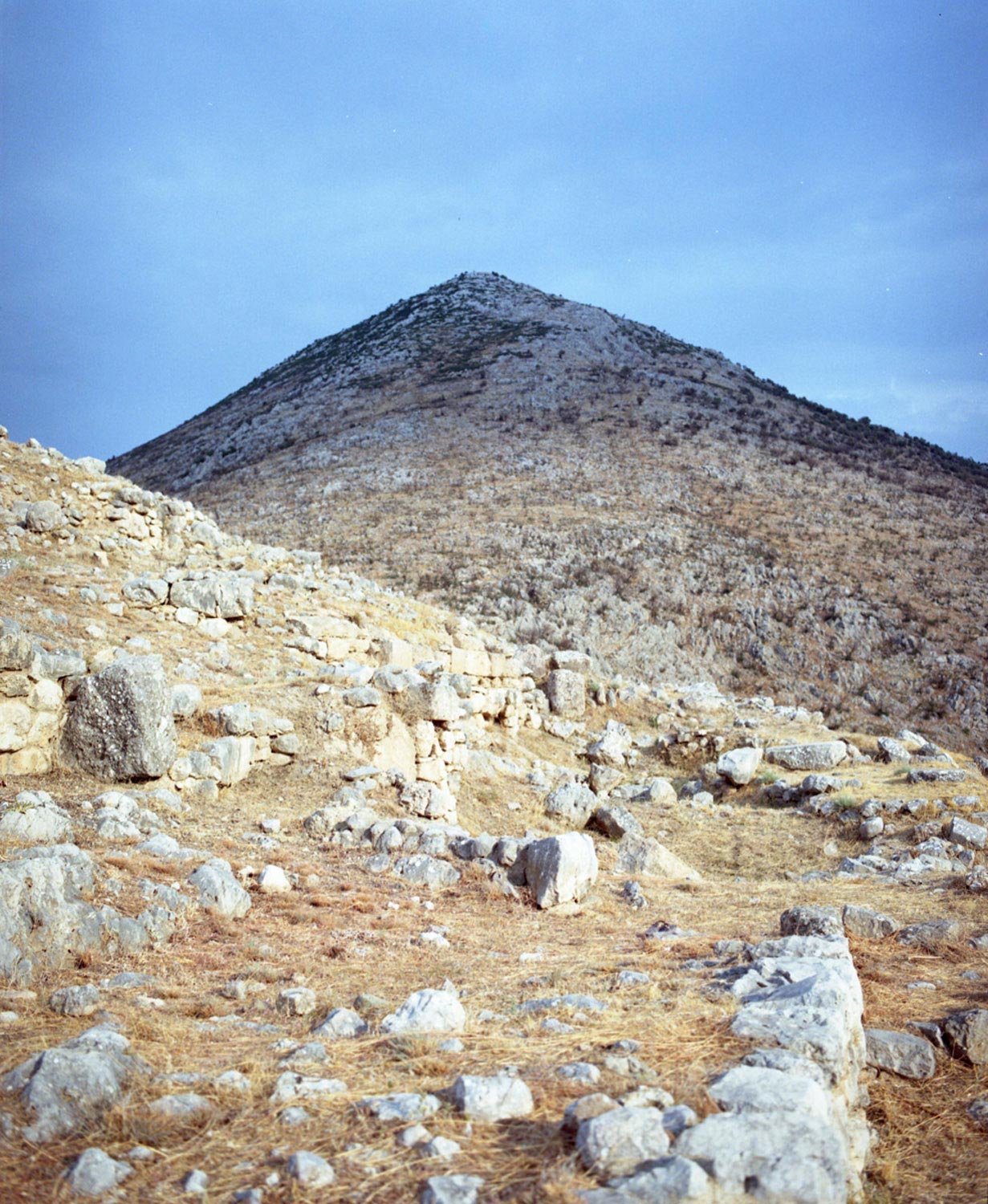
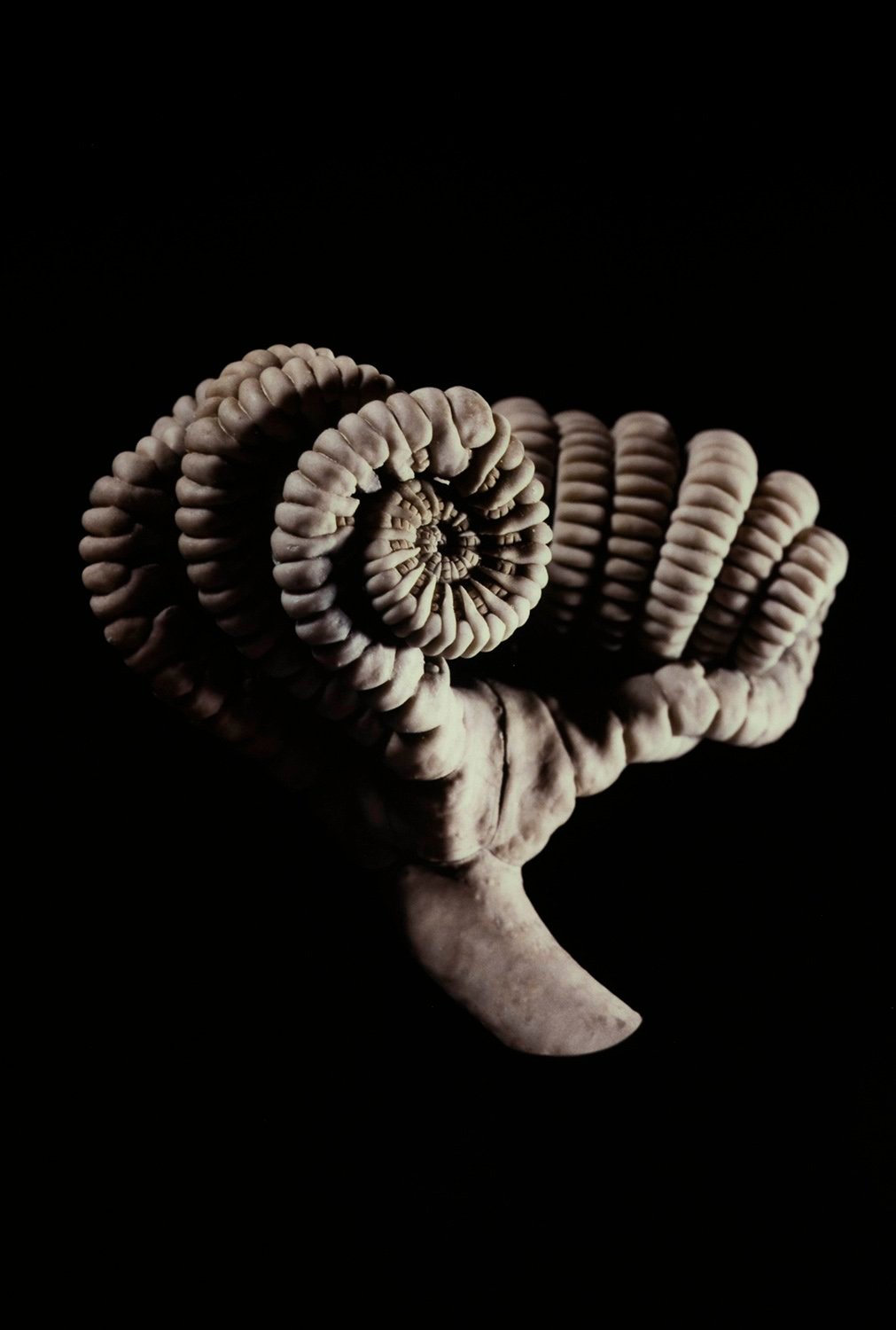
Archaeology and art history also generate narratives, which I collect through their documentary outputs. I explore the process by which artifacts from ancient civilizations are gathered and presented in museum collections. What time once submerged is brought back to the surface, exhibited and assembled into coherent ensembles that nourish our collective imagination.
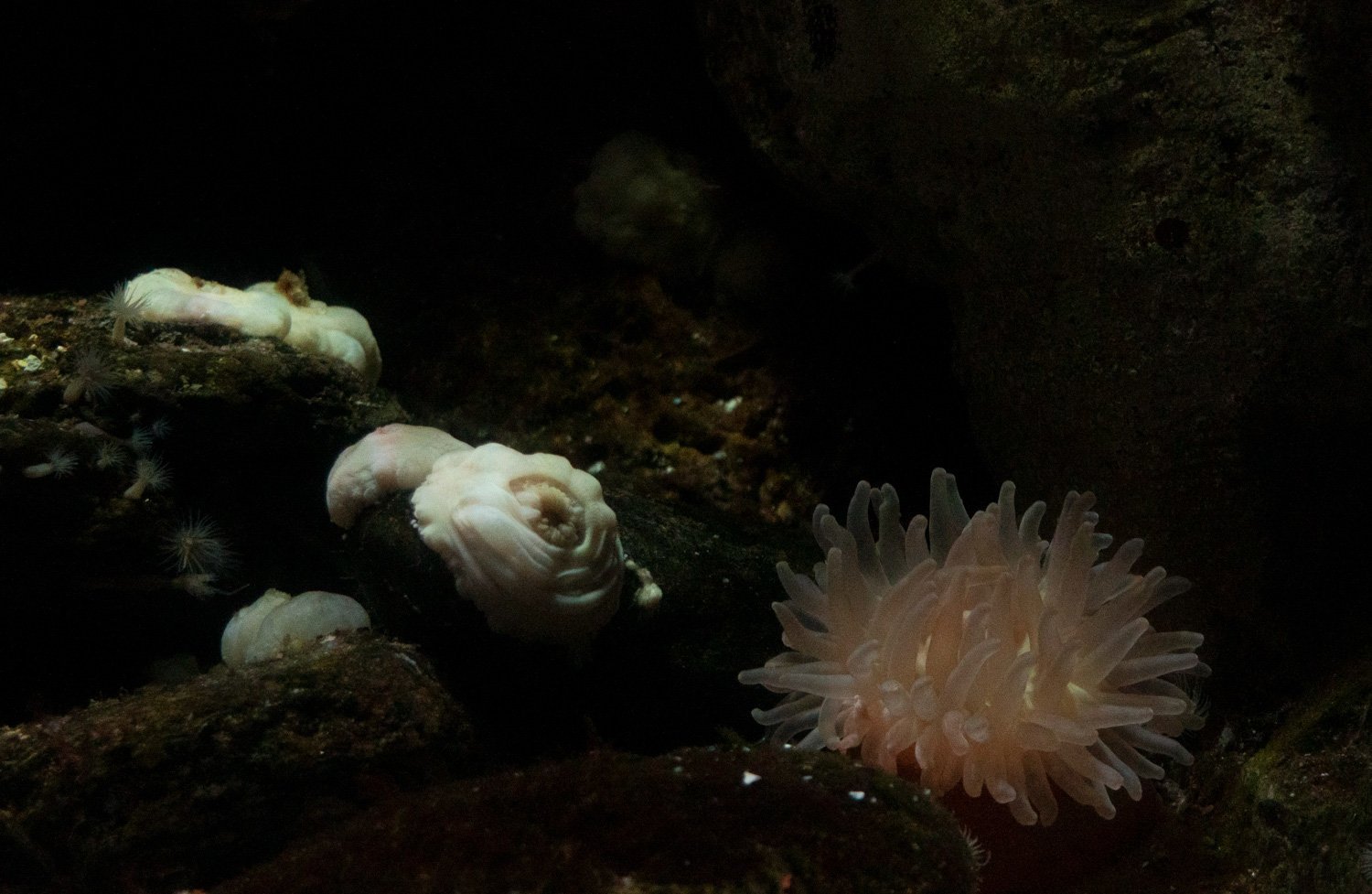
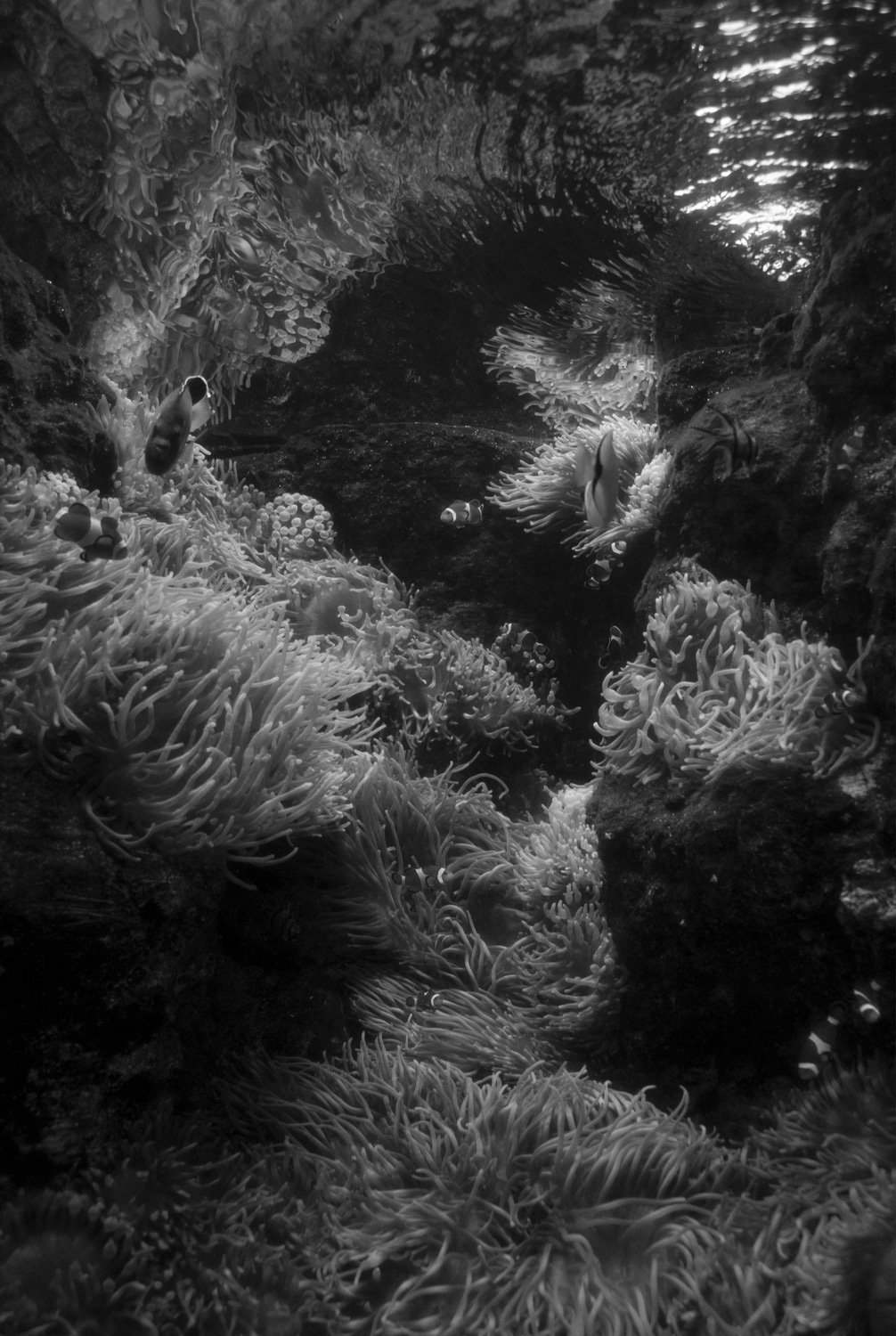
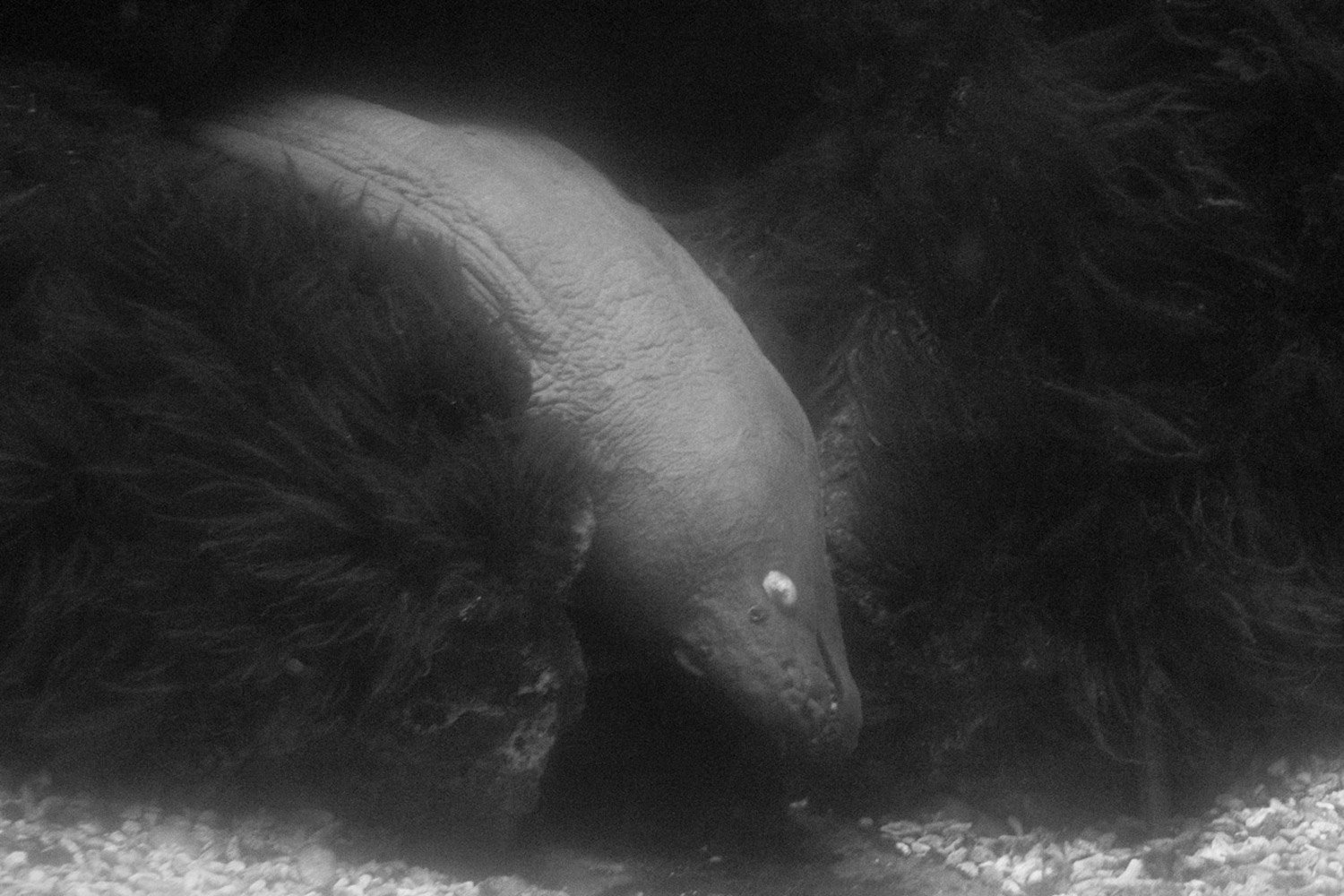
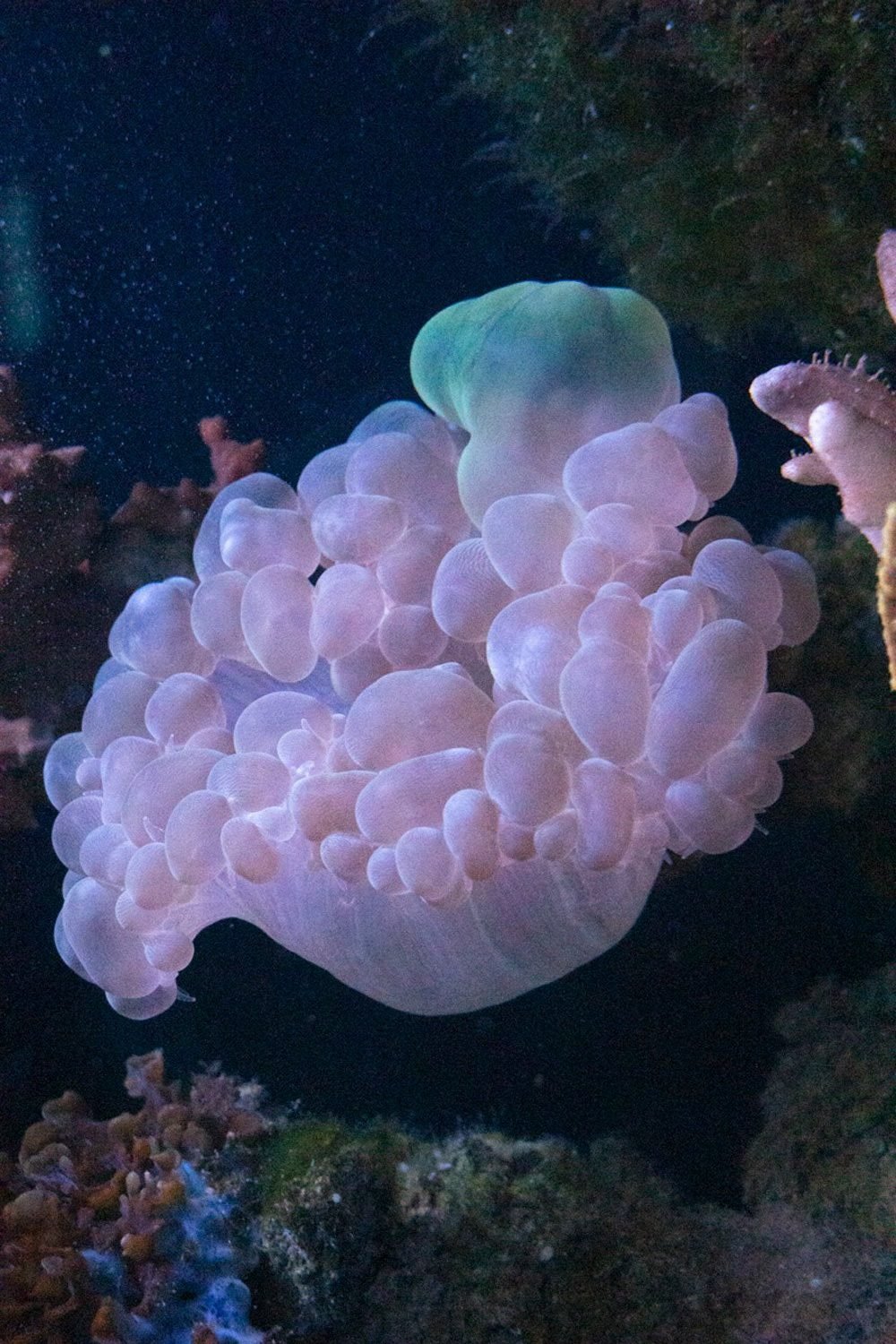
In the Atlantis myth as we know it, two temporalities coexist: the idyllic present of this wondrous island, and its doomed future, when it is engulfed by the sea. A paradise that carries within itself the seeds of its own end. In an age of disruption, where our stories about progress are beginning to fracture, new configurations suggest ways of thriving— or even proliferating—amid ruins, much like certain marine organisms that integrate foreign materials into their environment. In Atlantis, what seems destined to vanish beneath the sea gives rise to unexpected forms. The series unfolds through a series of visual associations, blending disappearance, submersion, and resurgence. The dark, submerged world of the ocean depths, in contrast to the bright and natural world of the surface, creates a dialectic through which the myth of Atlantis can be reexamined.