Le Jardin d’Hannibal
by Marine Lanier
This project can be seen this year at Fotografia Europea, which takes place from April 30 to June 14 in Reggio Emilia, Italy.
The full program is available here.


This project can be seen this year at Fotografia Europea, which takes place from April 30 to June 14 in Reggio Emilia, Italy.
The full program is available here.
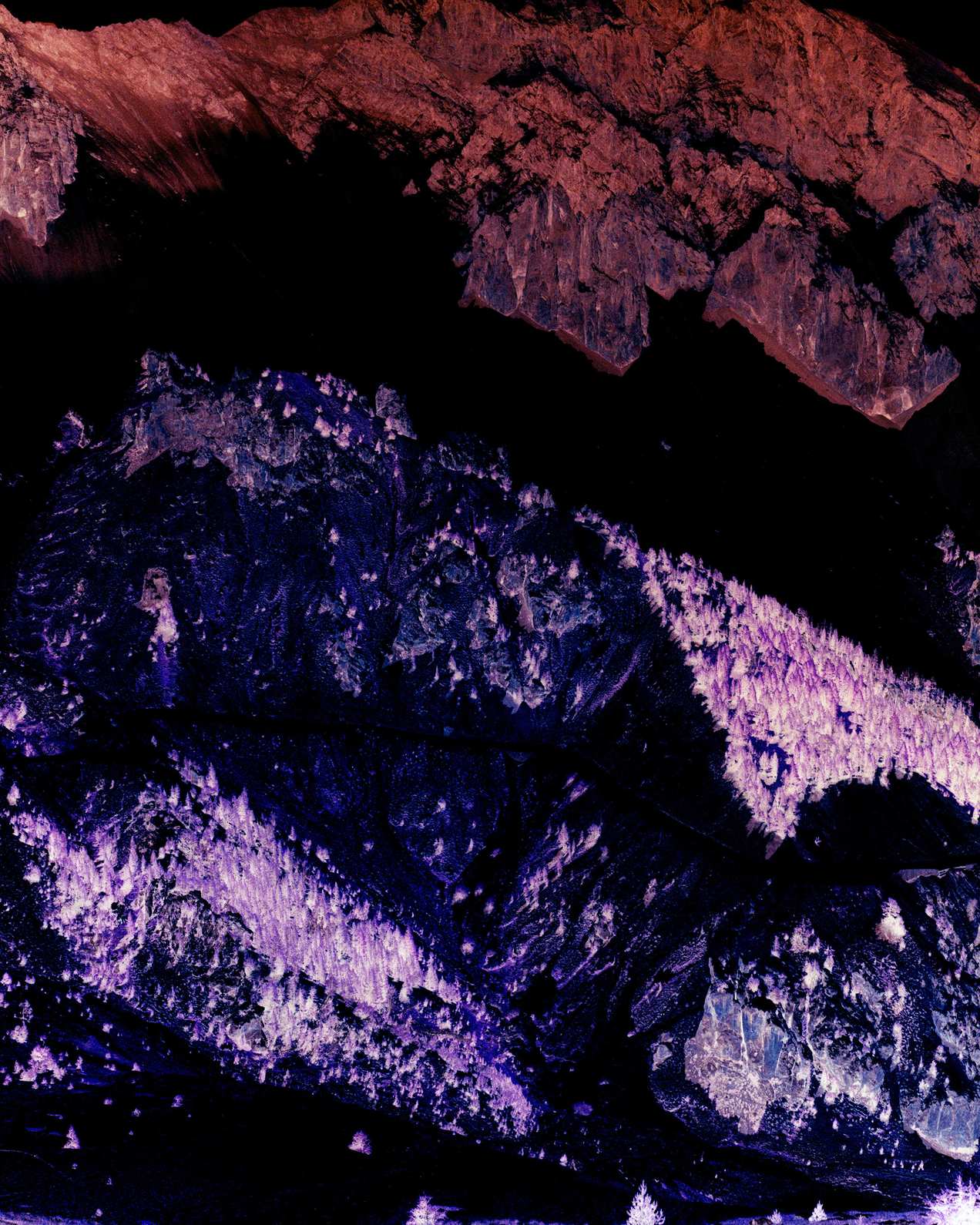
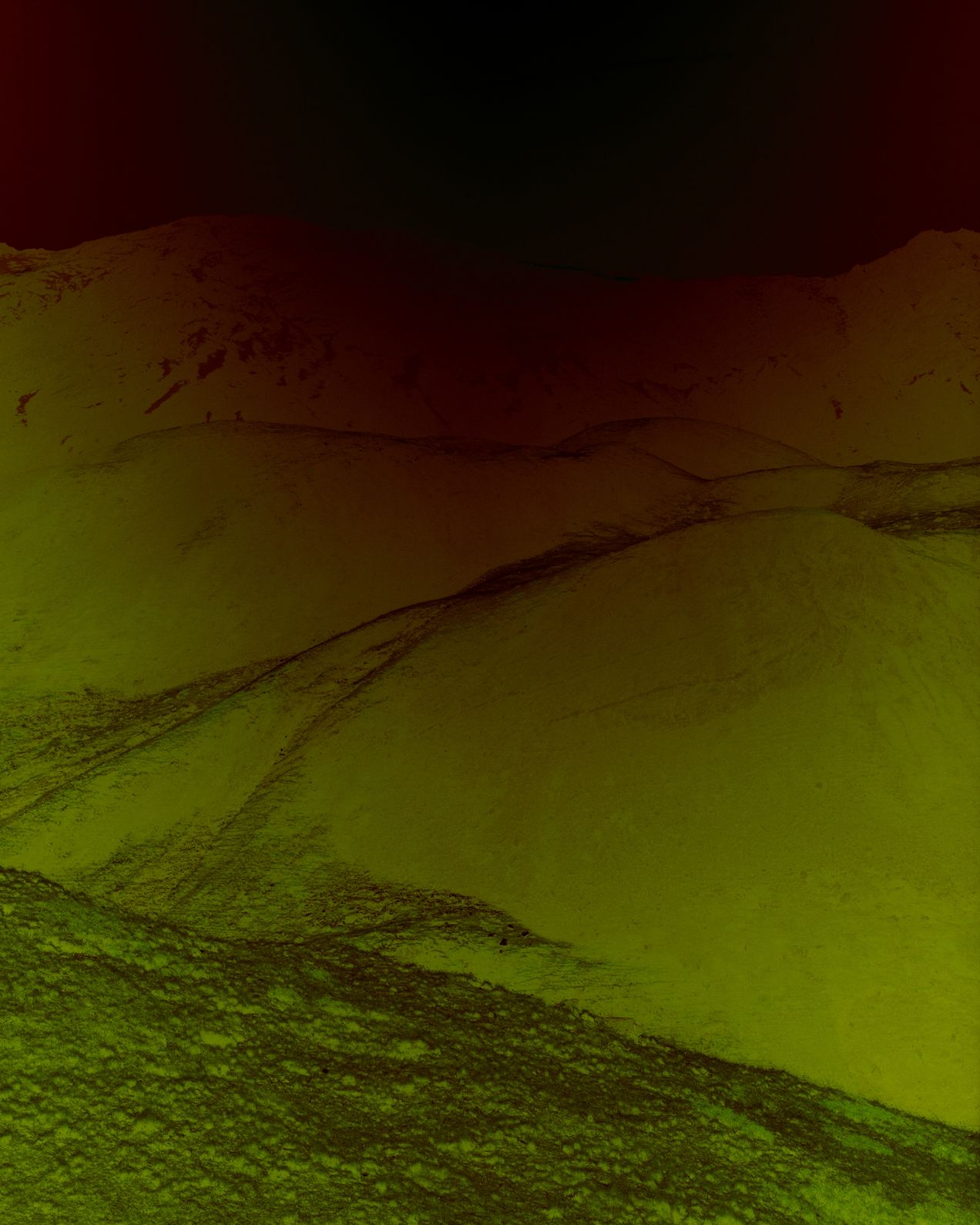
“Set against the majestic backdrop of the Meije glaciers (3,987 m), the Lautaret Garden, perched at 2,100 meters above sea level, is the highest alpine botanical garden in Europe. It harbors over 2,000 plant species and acts as a unique conservatory of alpine flora, arranged by continent and echoing ecosystems from the world’s great mountain ranges: the Alps, the Rockies, the Caucasus, the Himalayas, Japan, the Arctic, the Andes, Patagonia, and Africa.
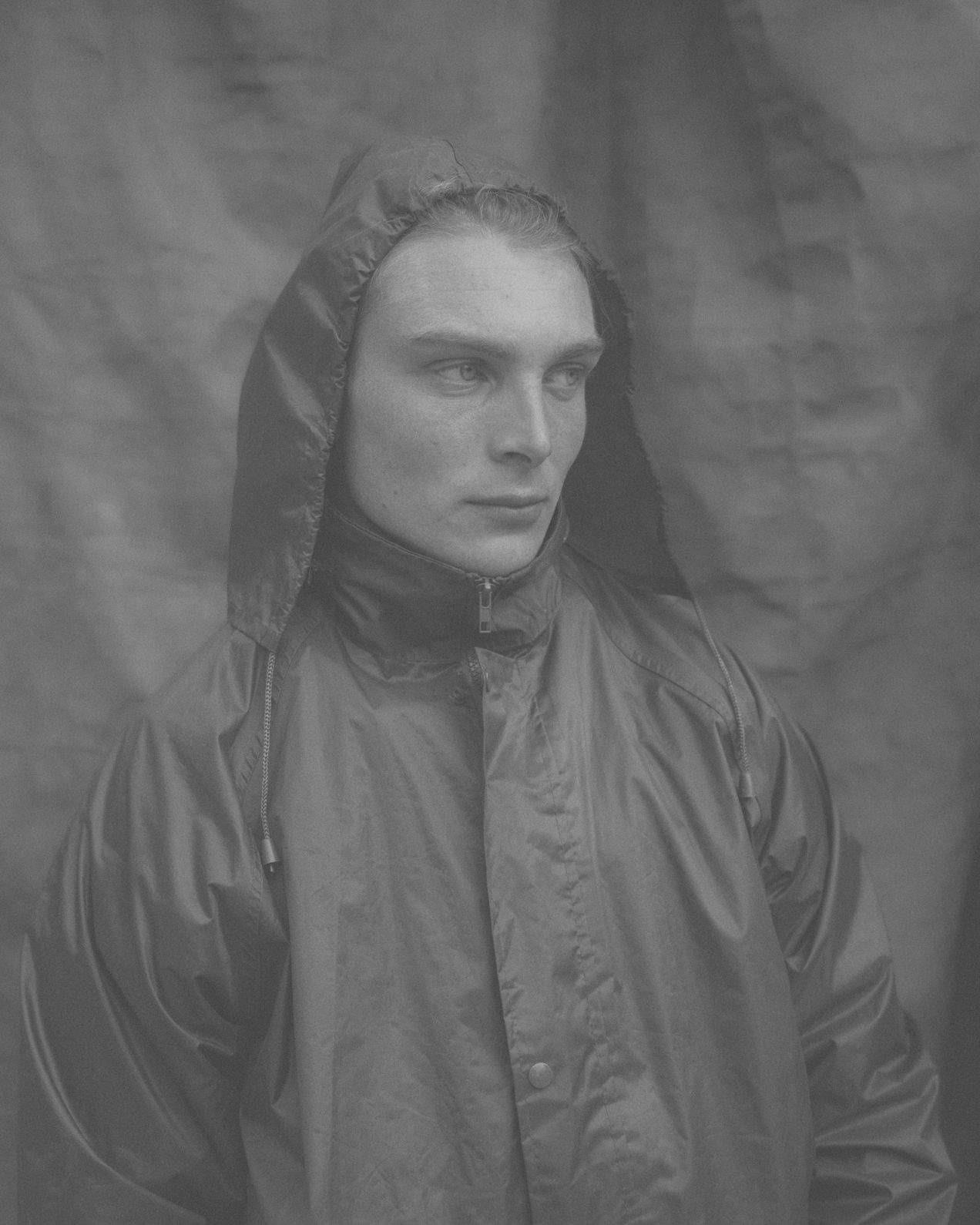
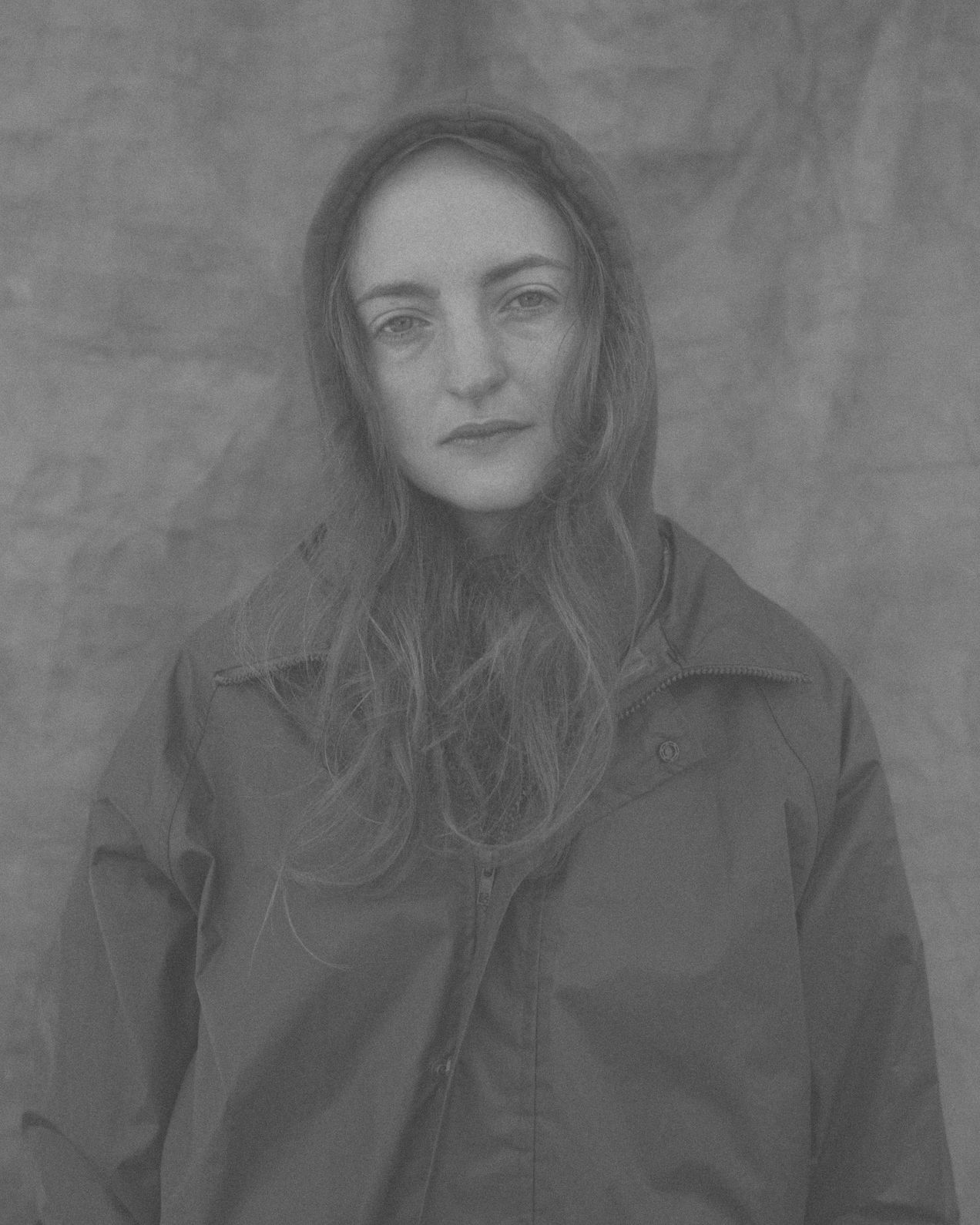
Since spring 2019, I have spent several weeks in the Mirande laboratory chalet, located at the top of the garden, alongside ecologists, botanists, and gardeners. Each day, as the snow receded, it revealed hundreds of alpine plants from across the globe, scattered among meadows and rock gardens.
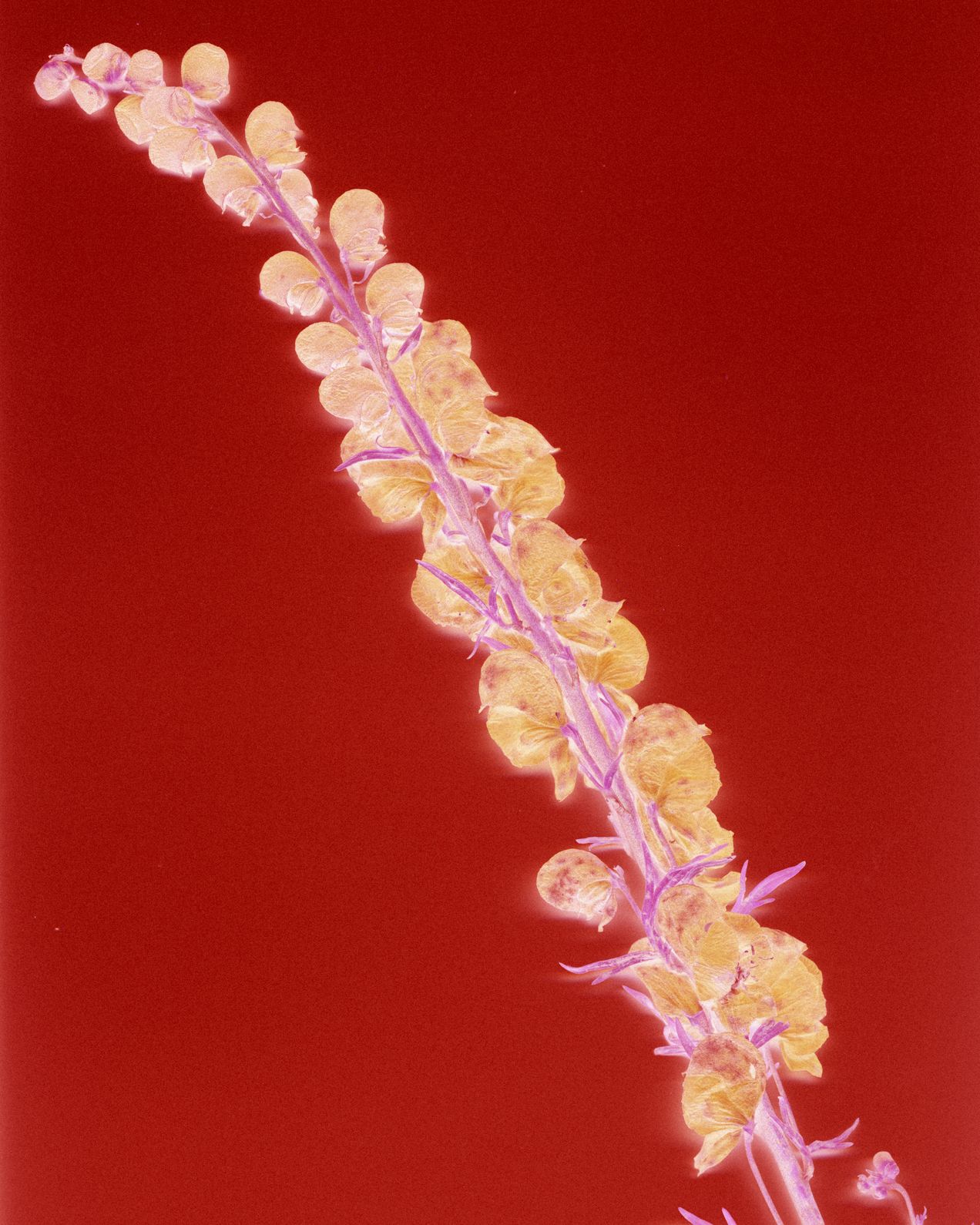
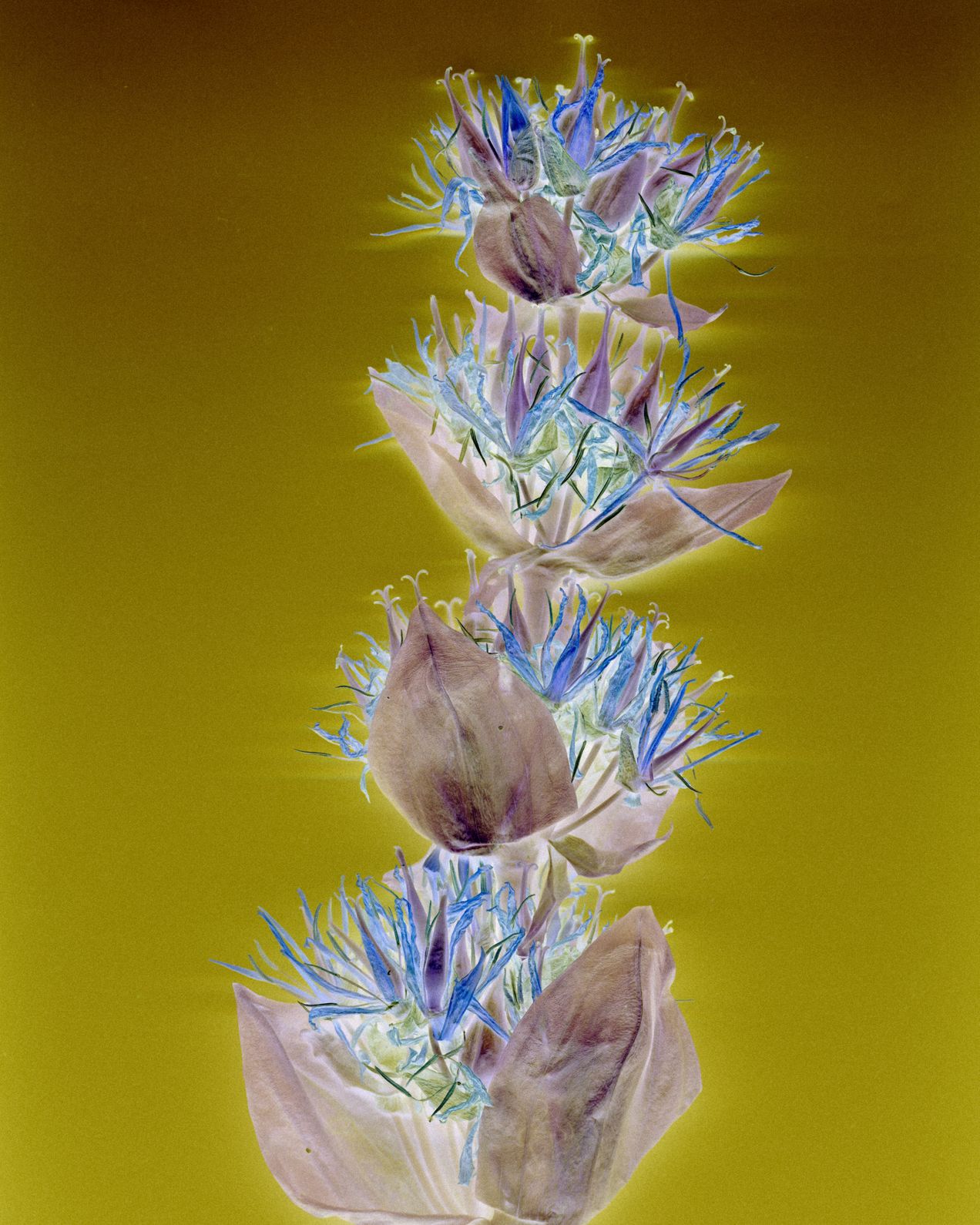
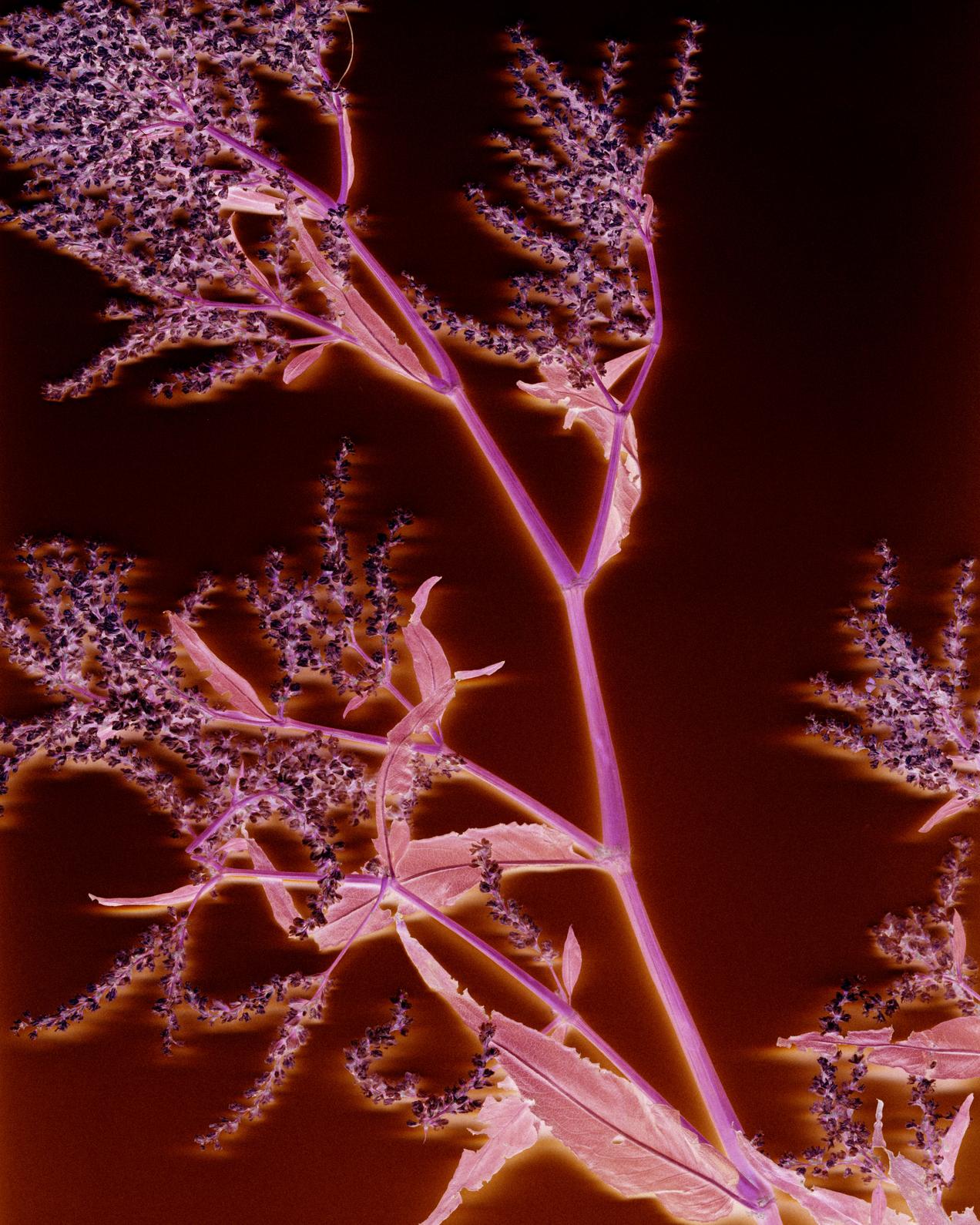
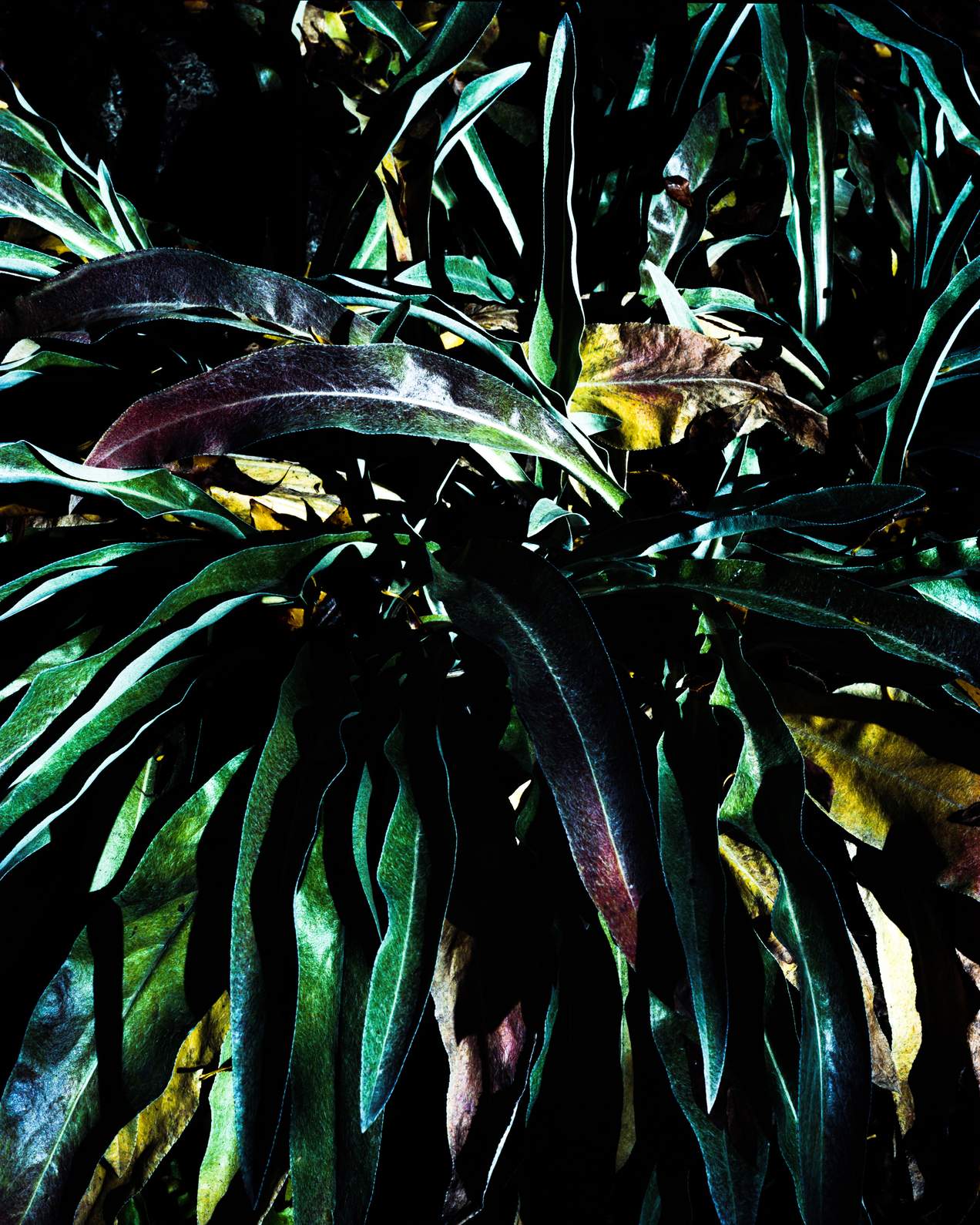
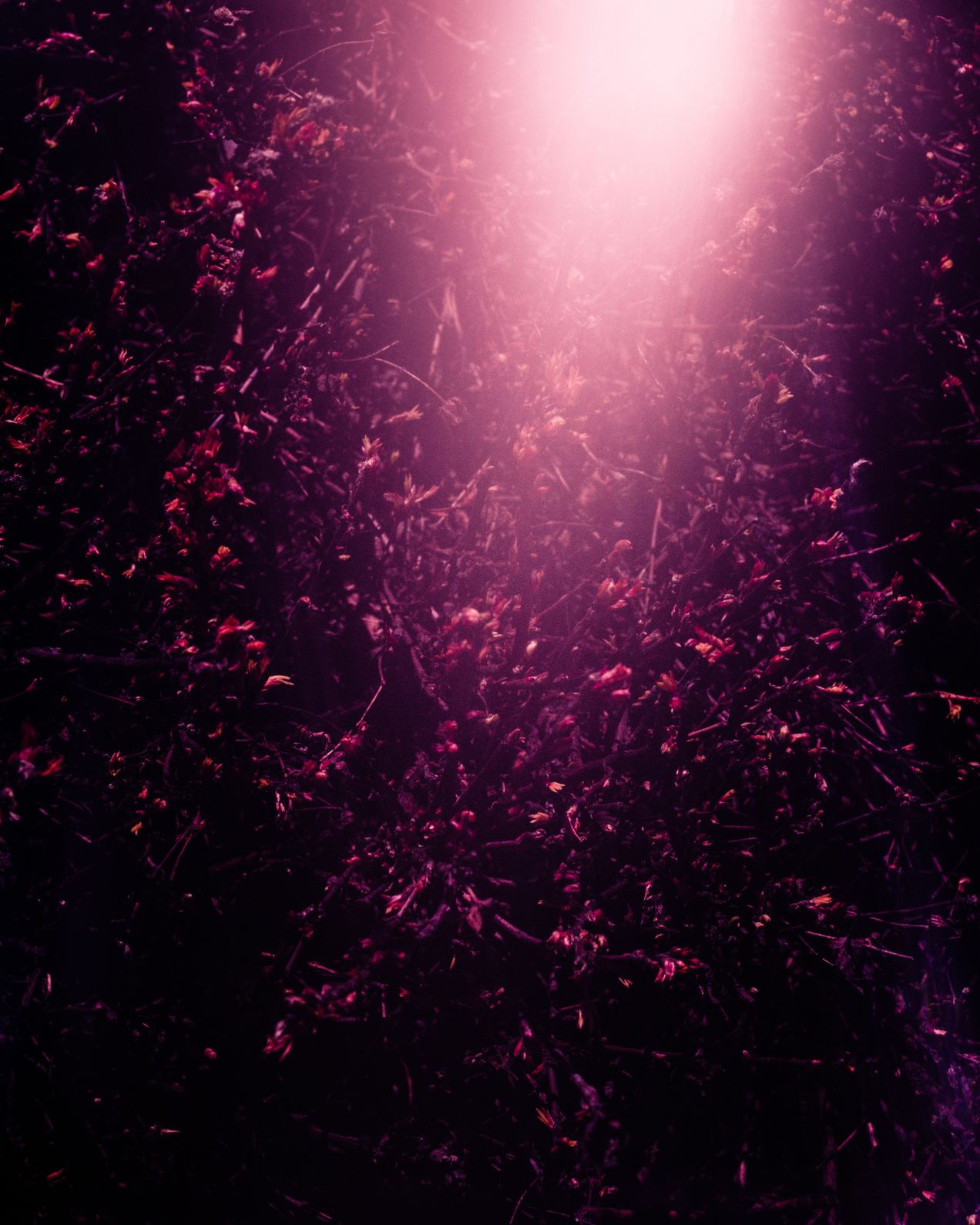
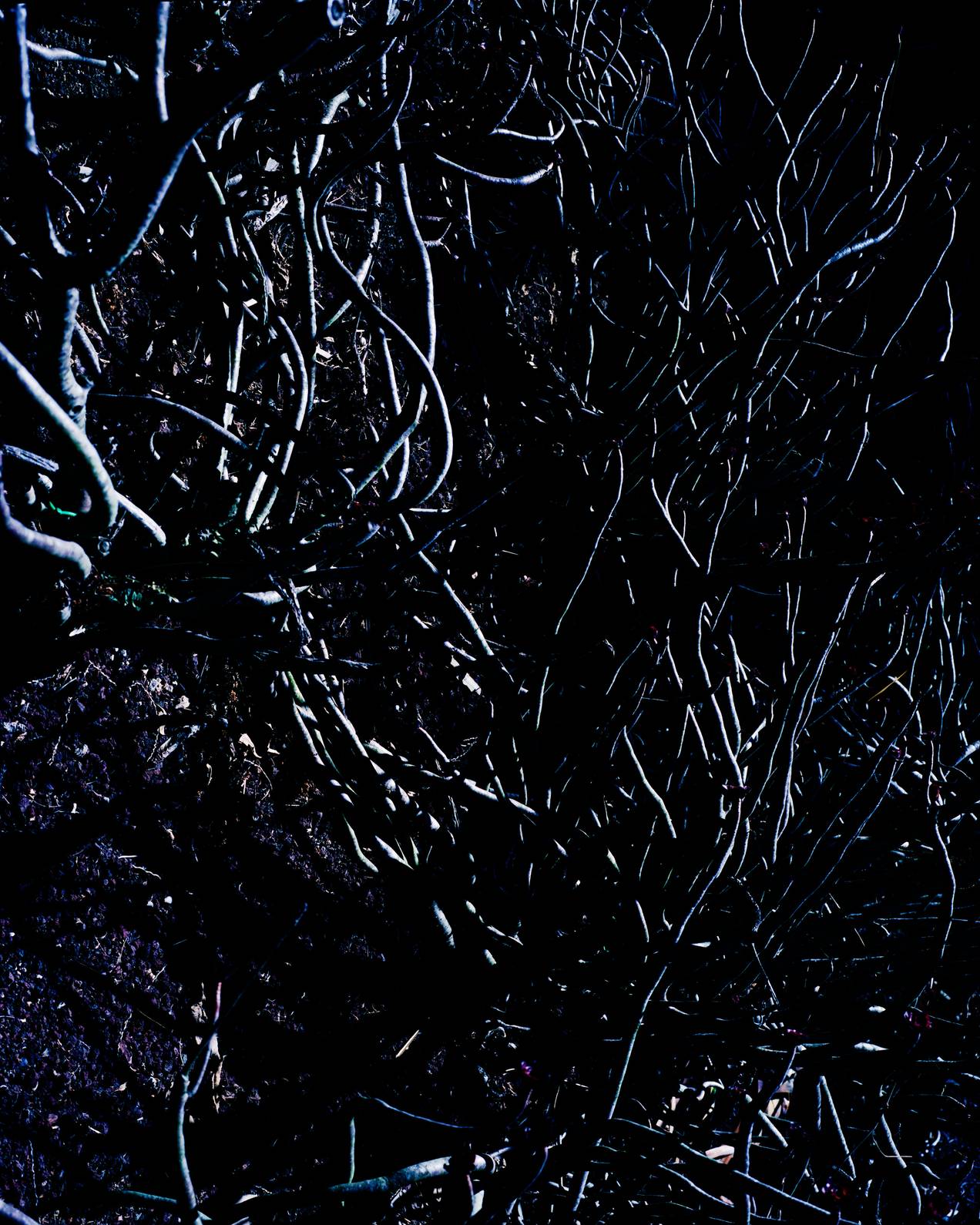
In the evenings, we would gather around the table, sharing stories, one of which recounted the legend of Hannibal. According to local lore, the Carthaginian general passed through the Lautaret Pass during his daring Alpine crossing, accompanied by a mixed army of Carthaginians, Iberians, Gauls, yaks, and elephants. These ancient visions now blend with the film sequences I capture in the garden, a dreamlike, lunar glimpse into a future yet to come. A strange, nocturnal herbarium, where plants emerge from winter, recalling an epic journey in search of the impossible.
Hannibal, twenty-two centuries ago, resisted the power of Rome. This “garden-laboratory” mirrors that defiance, a kind of modern-day David standing against the Goliath of climate change. Just months after my stay, the world fell into the Covid-19 crisis, itself partly linked to climate disruption and collapsing ecosystems.
Since the 19th century, students and scientists have traveled here to study the region’s biodiversity, care for its collections, and better understand how life endures in such a harsh environment. A two-century-old tradition of seed exchange with botanists worldwide continues to enrich the garden and others like it, preserving the living memory of species and evolution.
Today, the garden is a hub of cutting-edge research into how ecosystems respond to “global change”: climate shifts and human activity. One unique project, called the “flying pasture”, literally moves parts of the mountain. Eight tons of alpine turf are transported by helicopter to lower altitudes to study how a three-degree temperature rise impacts plant life. Results, expected in 2025, will reveal how well alpine flora can adapt, helping scientists reimagine the landscape of the Alps, and perhaps the planet.
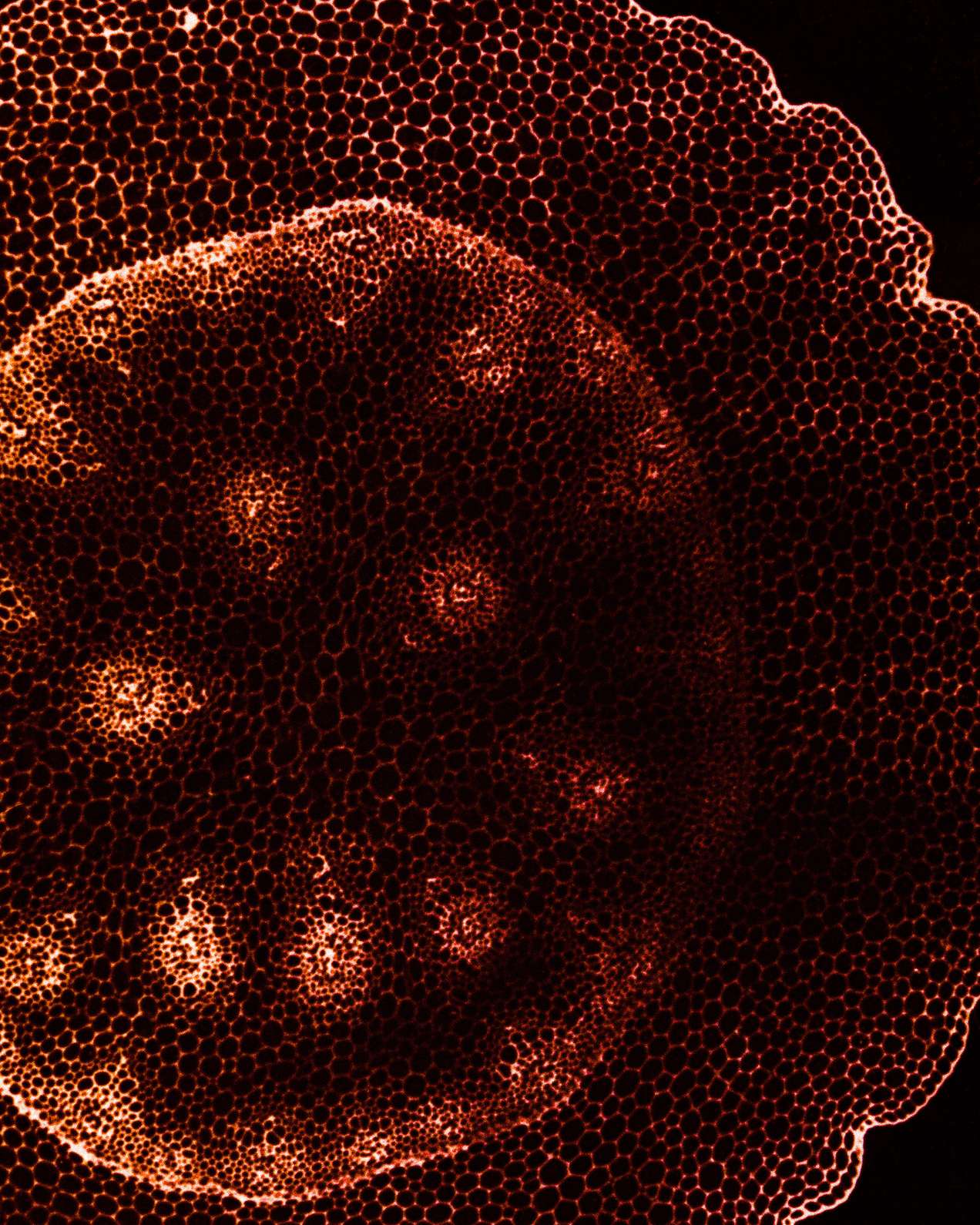
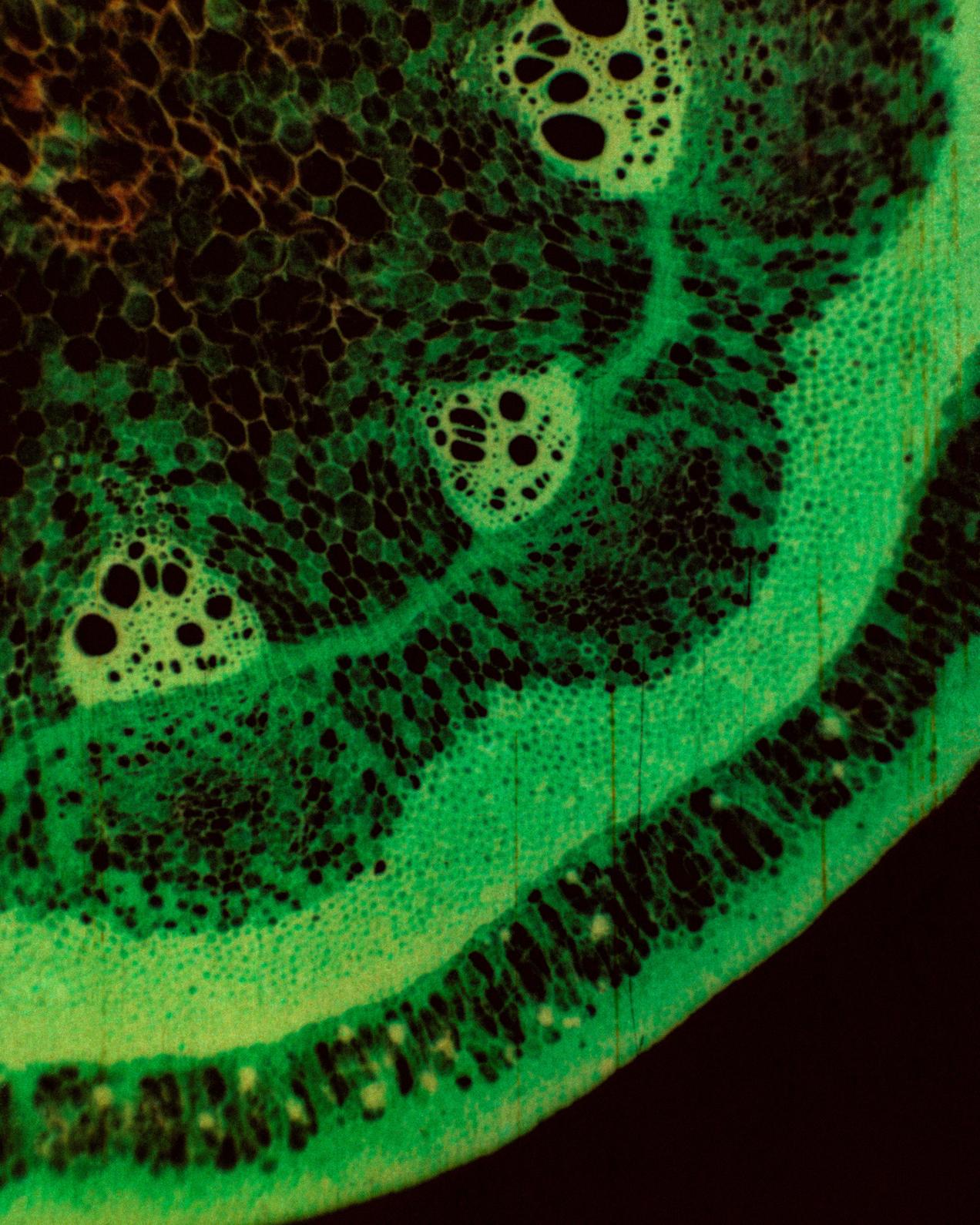
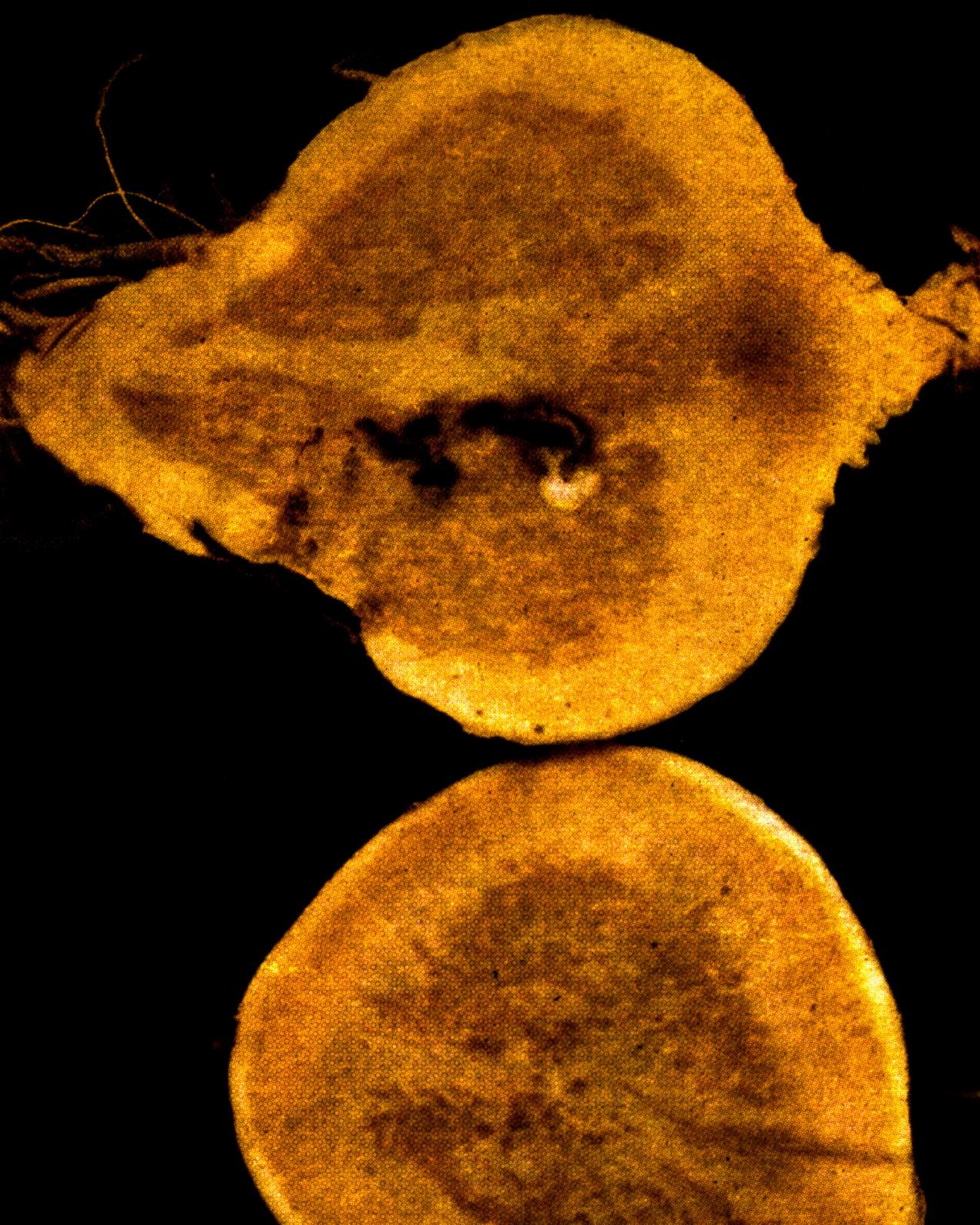
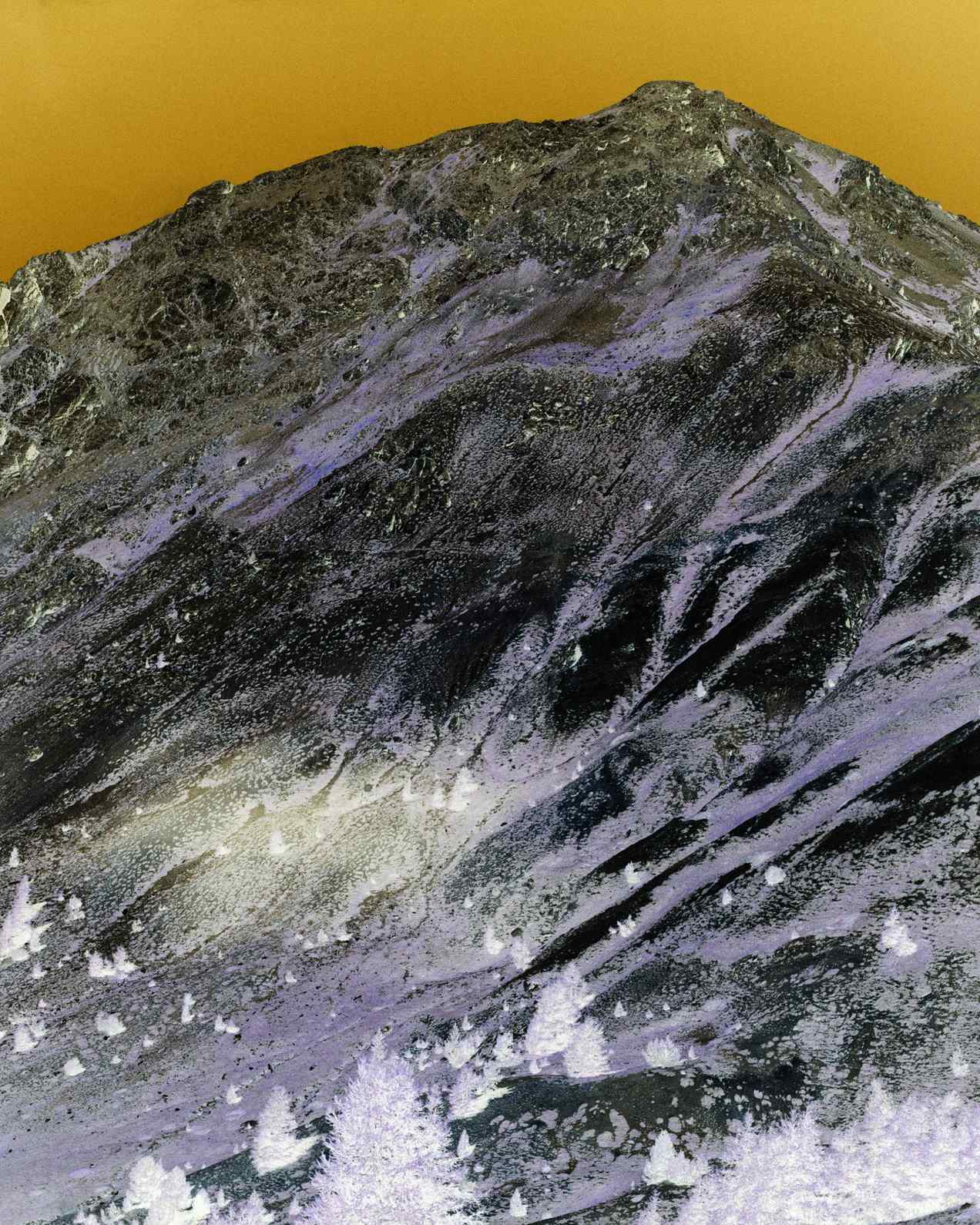
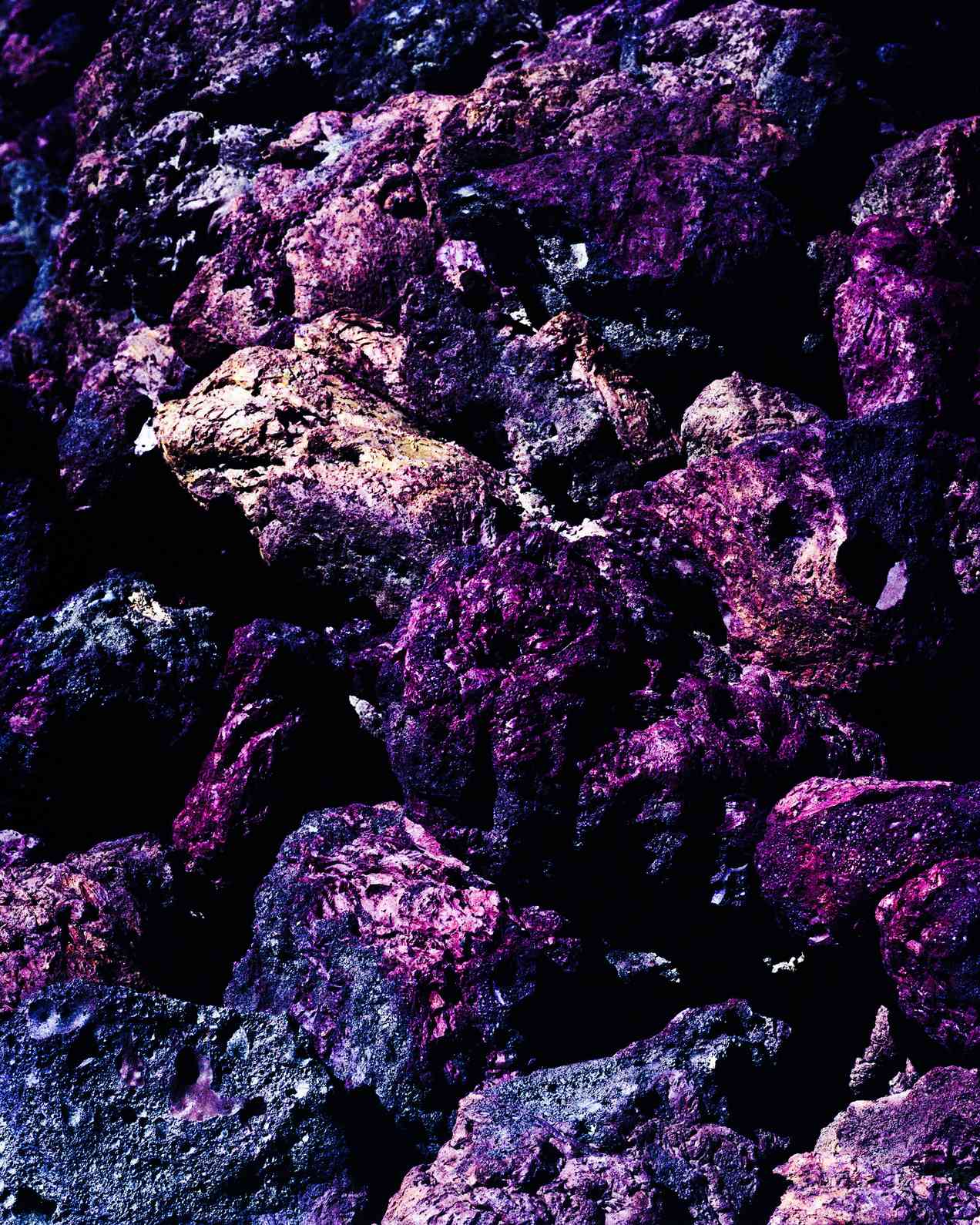
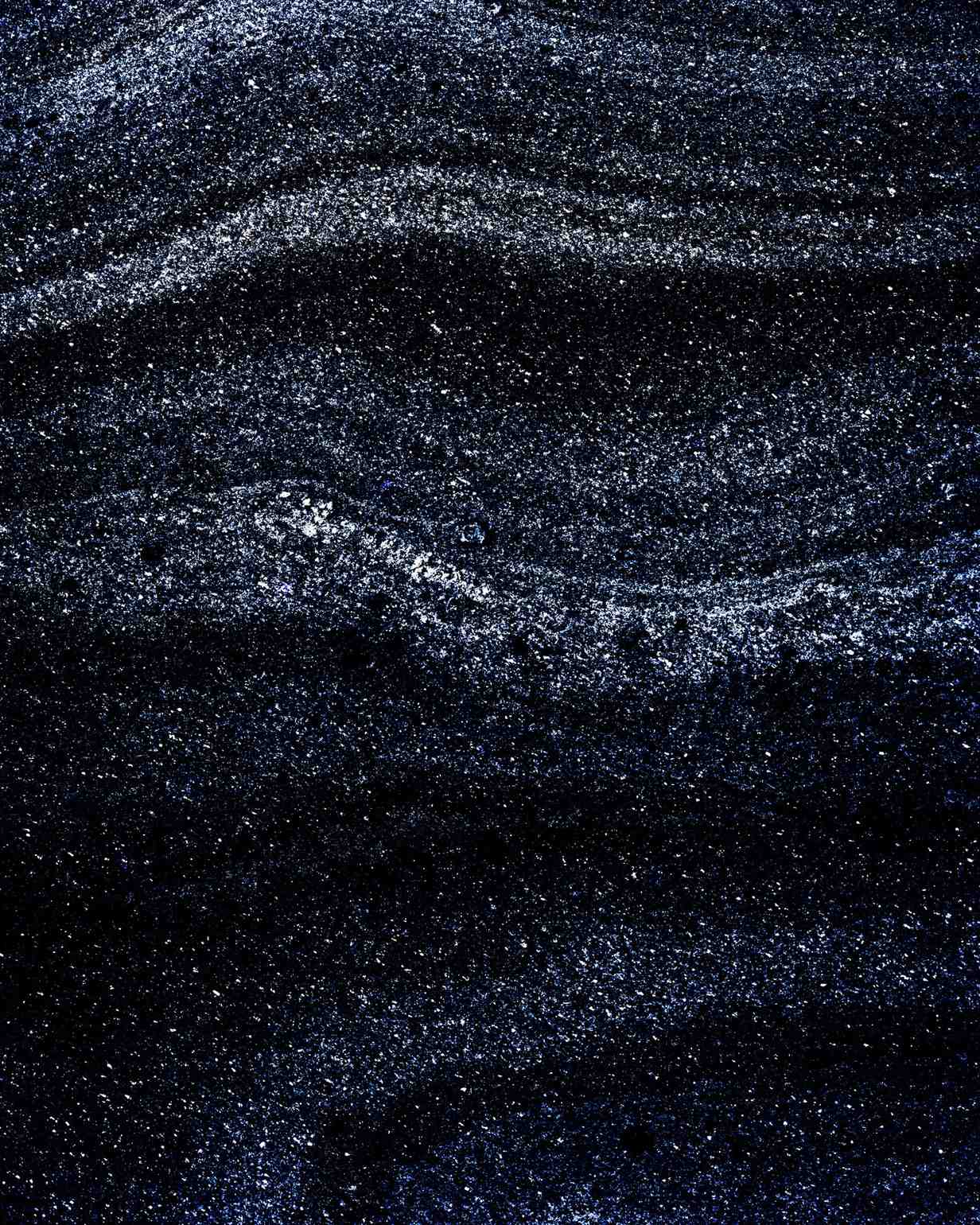
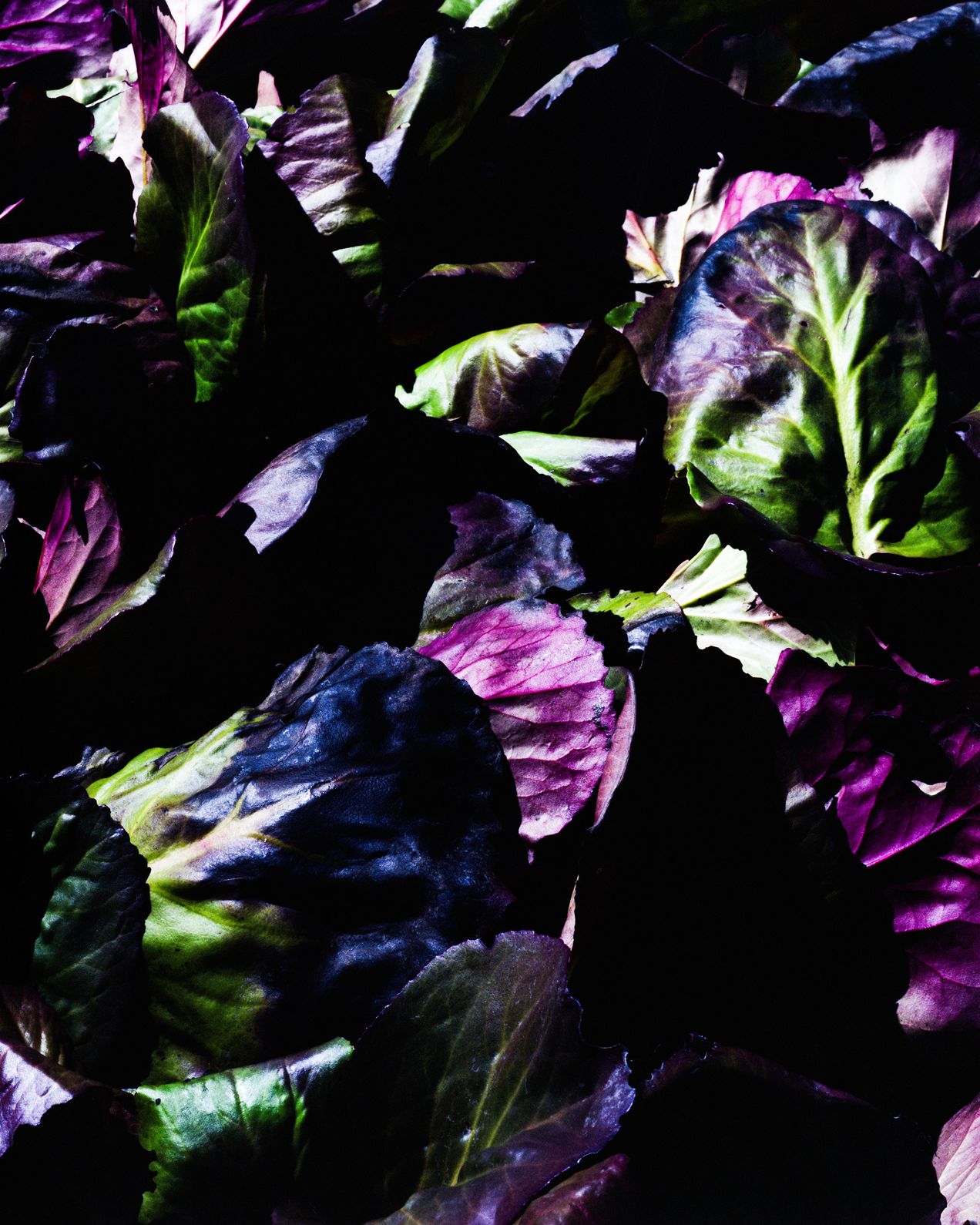
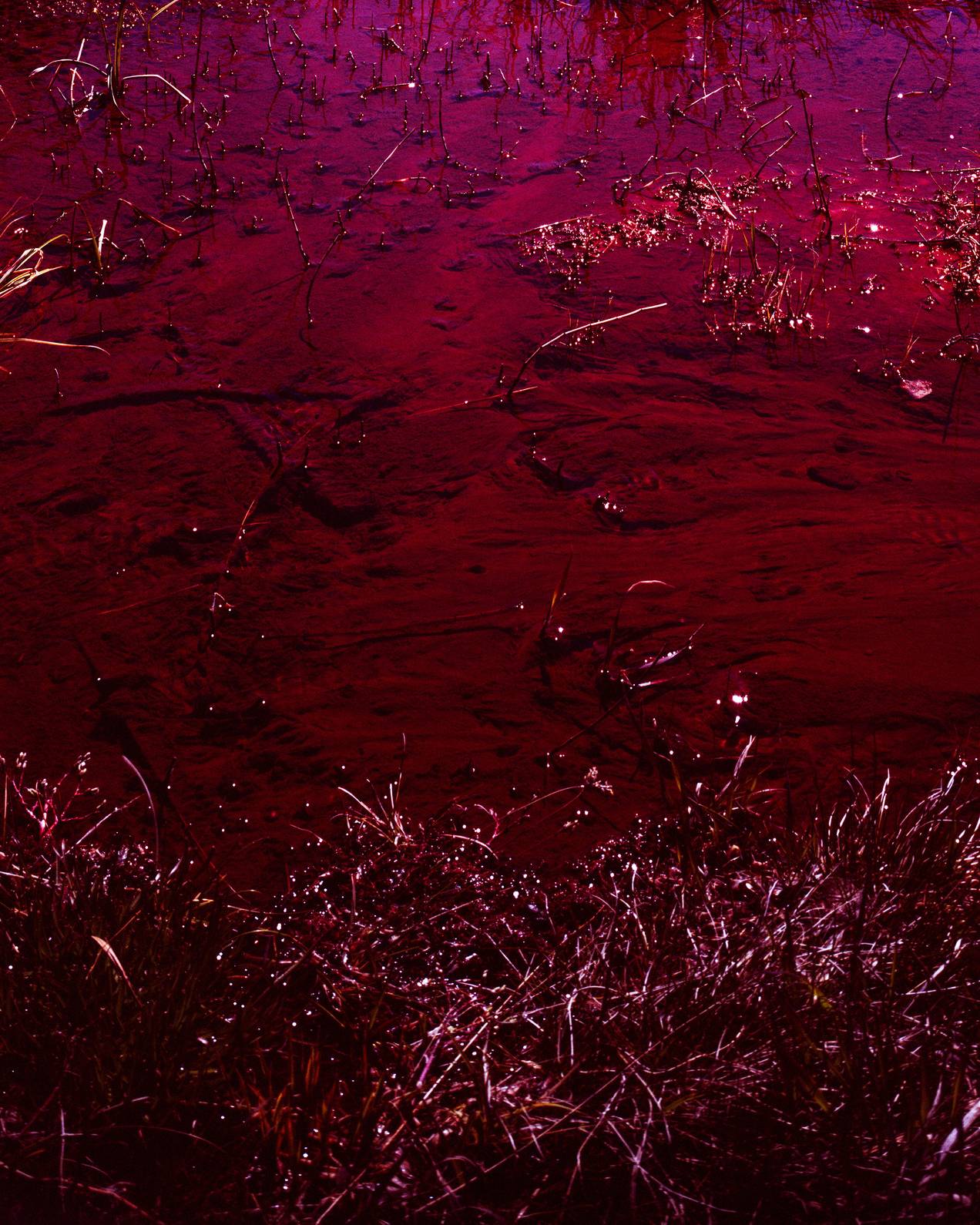
Through my lens, I explore a new, primitive world. Using red, pink, and yellow monochromes, I draw from Karl Blossfeldt’s botanical forms and Anna Atkins’ cyanotypes. Plants at dusk, minerals in the blazing sun like Timothy O’Sullivan’s deserts, glaciers at dawn, evoking the Bisson brothers’ mountain peaks.
I use a large-format camera, not for grand vistas but as a microscope from another age, to study fragments of life. I observe sap in violet leaves, cell division in red water. It is the gaze of a child, or of a beast, peering into the world that lies ahead.”