Bravo
by Felipe Romero Beltrán
This project can be seen this year at Fotografia Europea, which takes place from April 30 to June 14 in Reggio Emilia, Italy.
The full program is available here.


This project can be seen this year at Fotografia Europea, which takes place from April 30 to June 14 in Reggio Emilia, Italy.
The full program is available here.
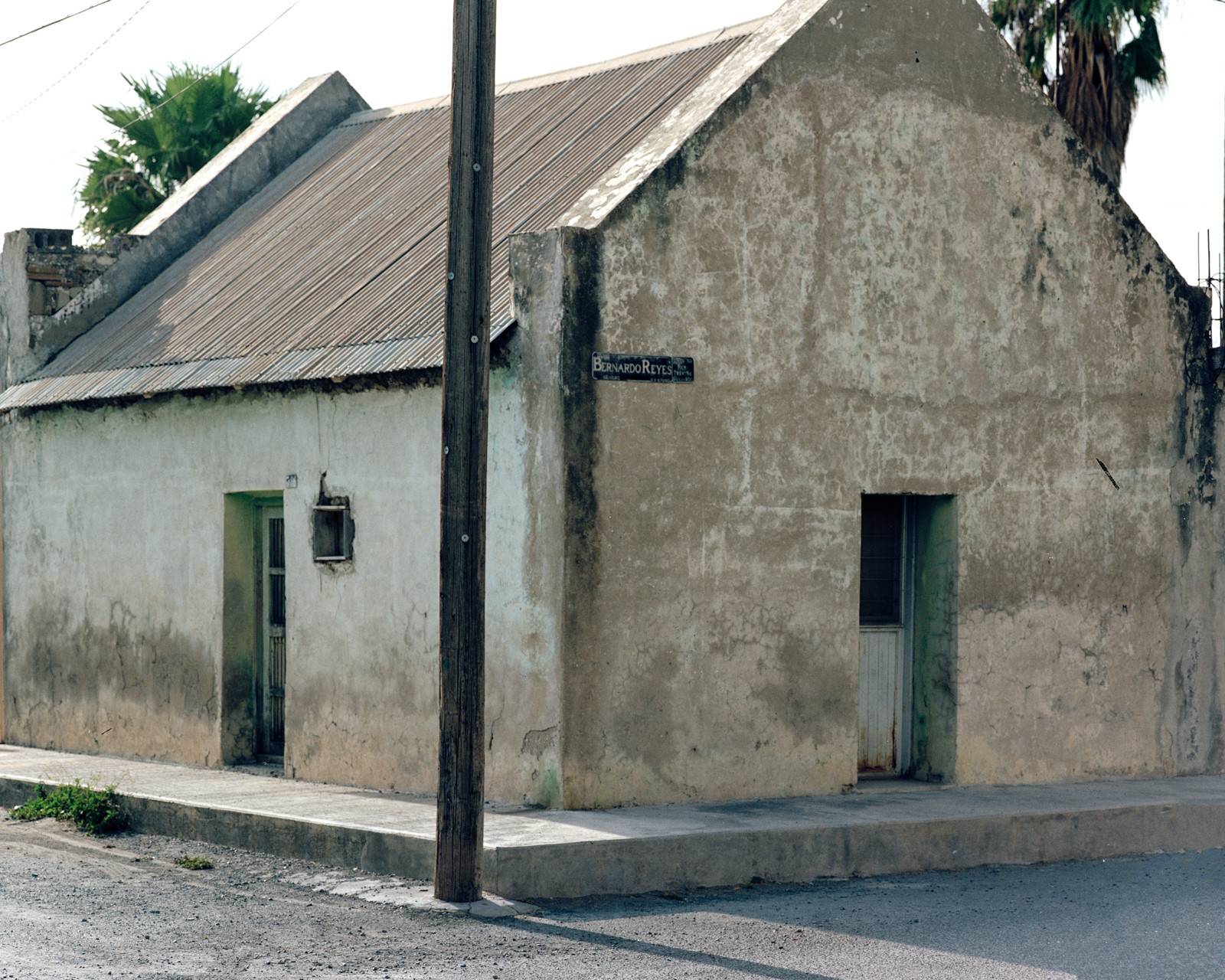
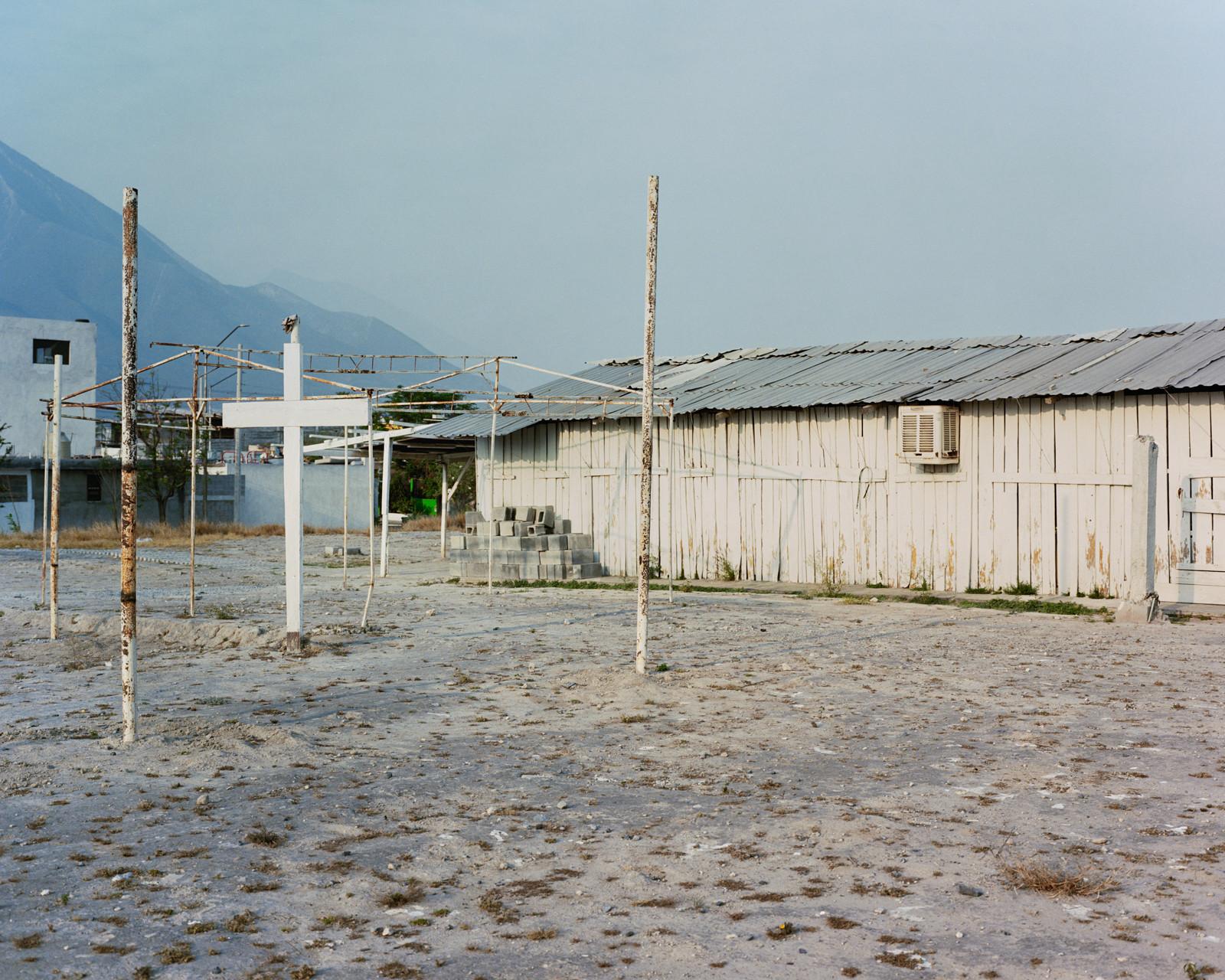
Migration from the South reaches the U.S. border in northern Mexico. The crossing takes place through an imaginary line, often made to coincide with a real line, or something as close to a line as possible. It is strange to see those divisions where the border appears in solitude, cutting across an immense, unobstructed territory, drawn elsewhere by someone who never saw it: borders that may be the first pure landing of utopia. The crossing usually entails, in many respects, a sequence of chapters belonging to a ritual of passage. Now it is surrounded by light poles, roadside motels, and highways, which replace the former limit, the waiting, and the darkness at the edge of a river. There was a time when crossing the Rio Grande meant leaving the threat behind.
Now it is an episode.
An episode comes from the Greek epi- (upon) and eísodos (entrance): that which precedes entry. Originally, the term refers to the intermediate device of a tragedy, the place where it attends to particular subjects. To understand the strange subaltern nature of this moment, we must consider its etymology: the episode is that which gives entry to the chorus. Between each intervention of the chorus, that unified voice of the multitude, or of the law, by which the narrative would otherwise have no interruptions and would resolve itself along the straightest possible line, an episode occurs. During the episode, a character enters the stage and recites verses alone. At the end, sometimes, a dialogue unfolds in which the characters speak only a single verse each. Photography operates in an even more radical way, because no one manages to speak.
It often happens that, in one of the episodes, one of these isolated characters recounts something that took place offstage. The word eísodos combines eís- (toward) and hodós (path); both are also present in the word exodus. The episode, however, is a free or contained region, it is difficult to determine which, situated between two entrances of the multitude. We emphasize this because the characters may be understood as trapped within the episode, or perhaps quite the opposite. Despite the solitude of their voices, despite their condition as minimal remnants between choral voices, it is there, in the episode, that they exist.
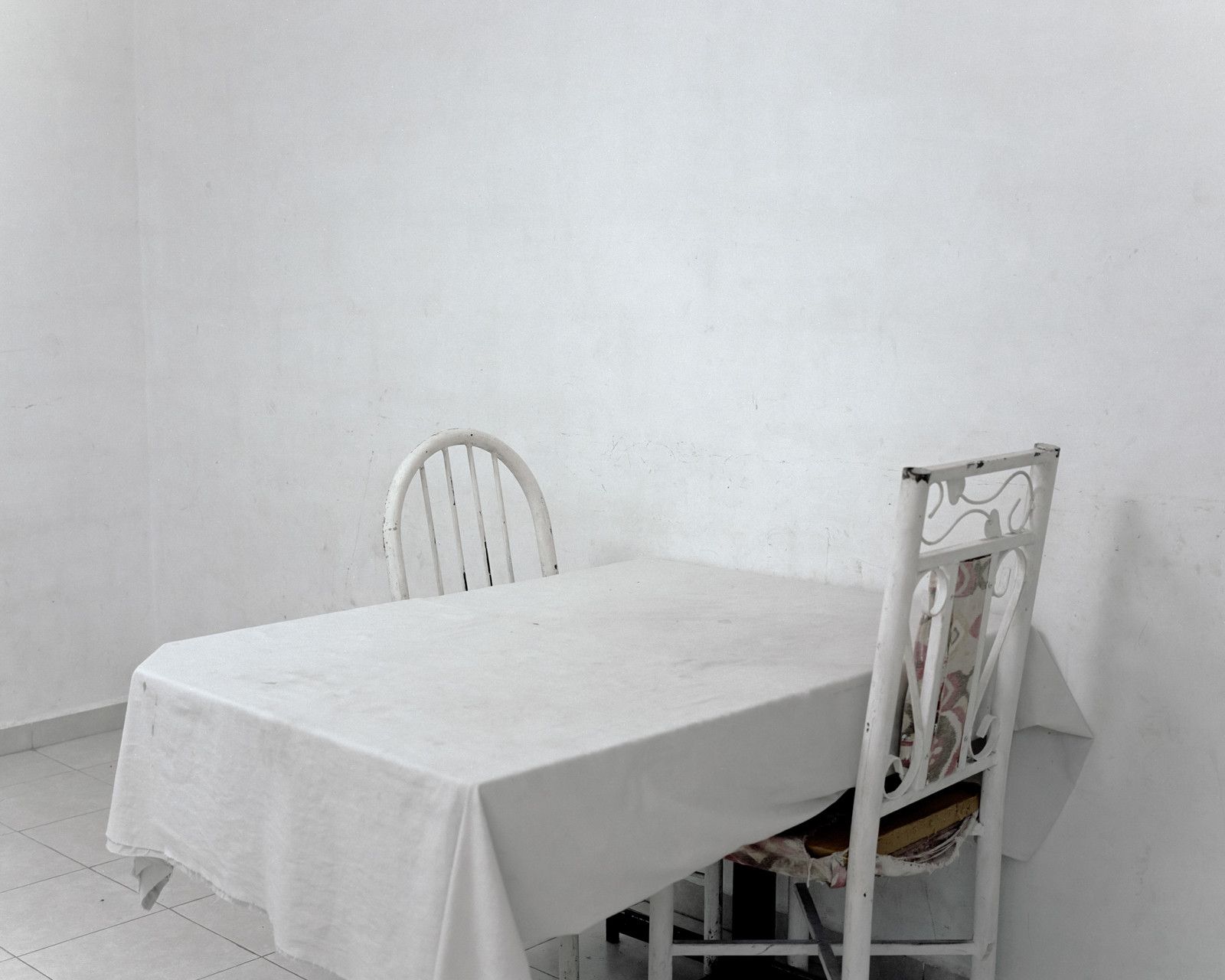
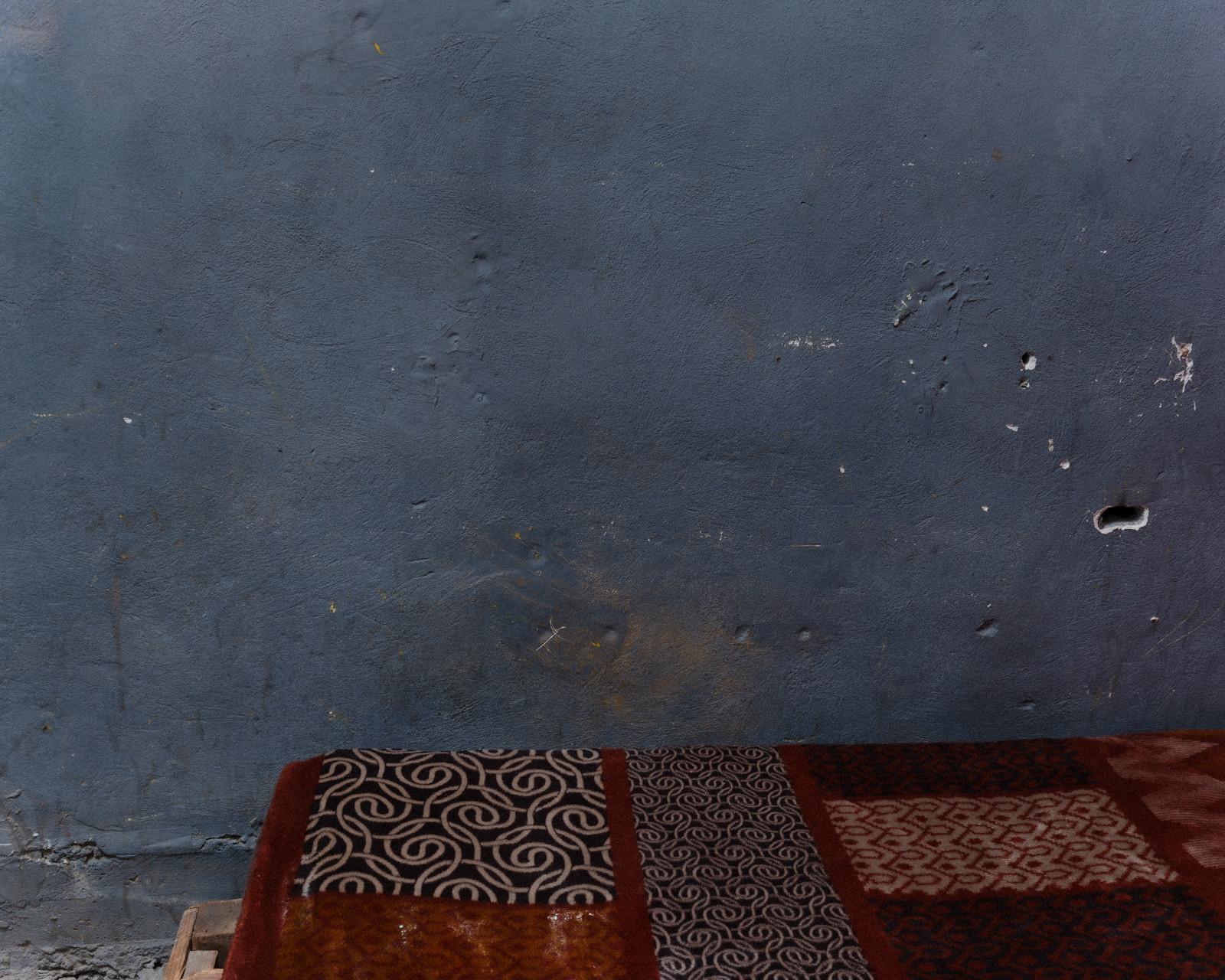
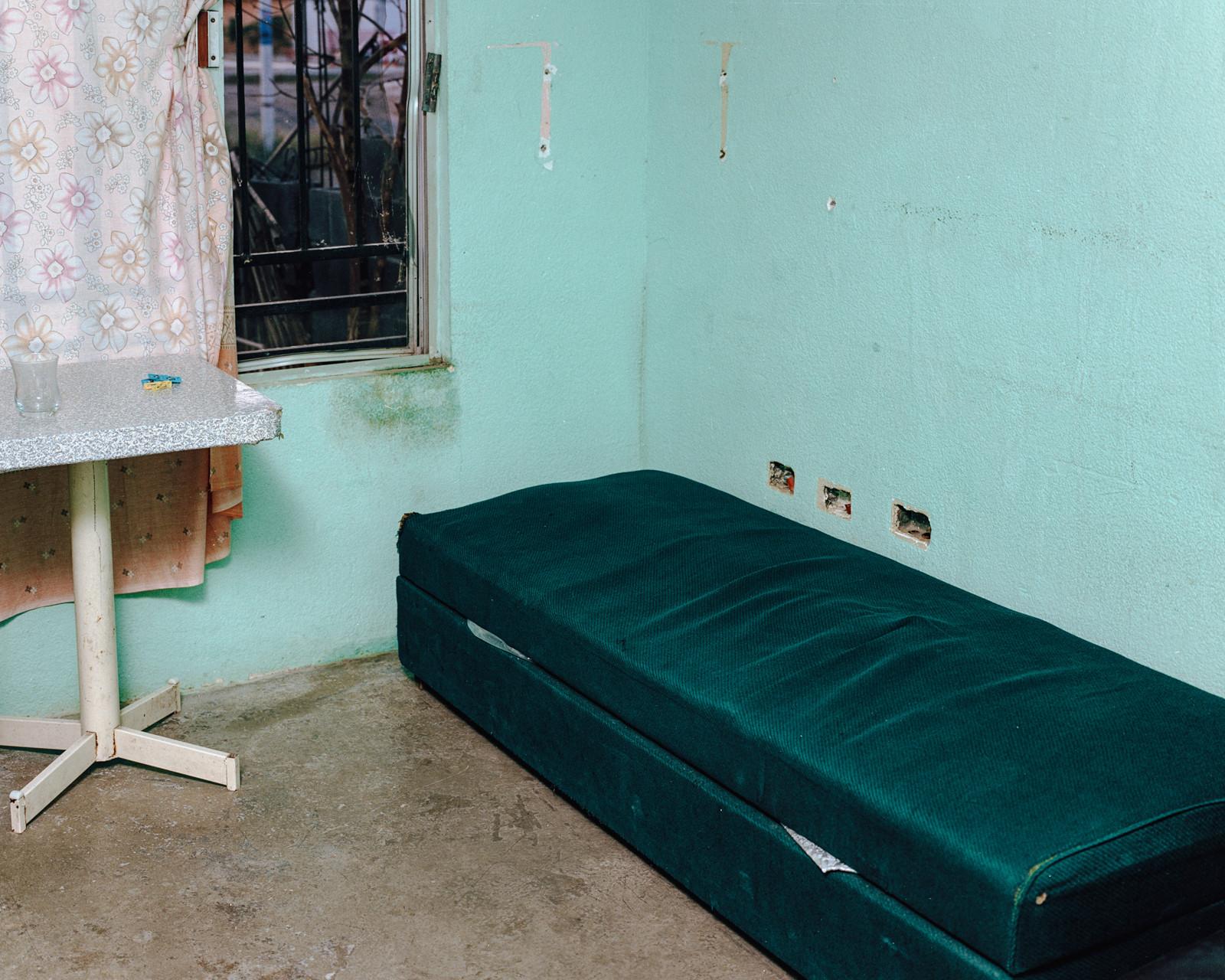
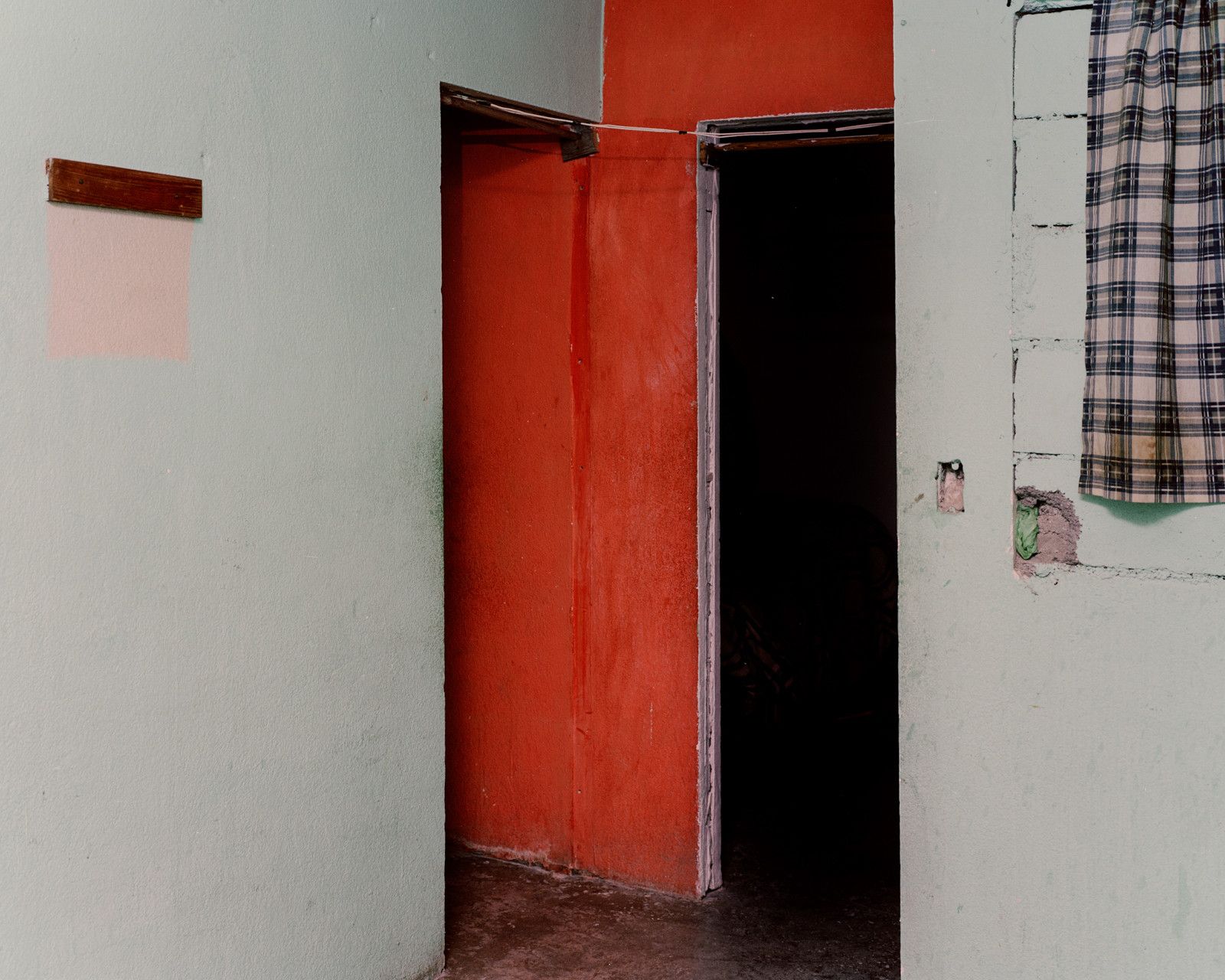
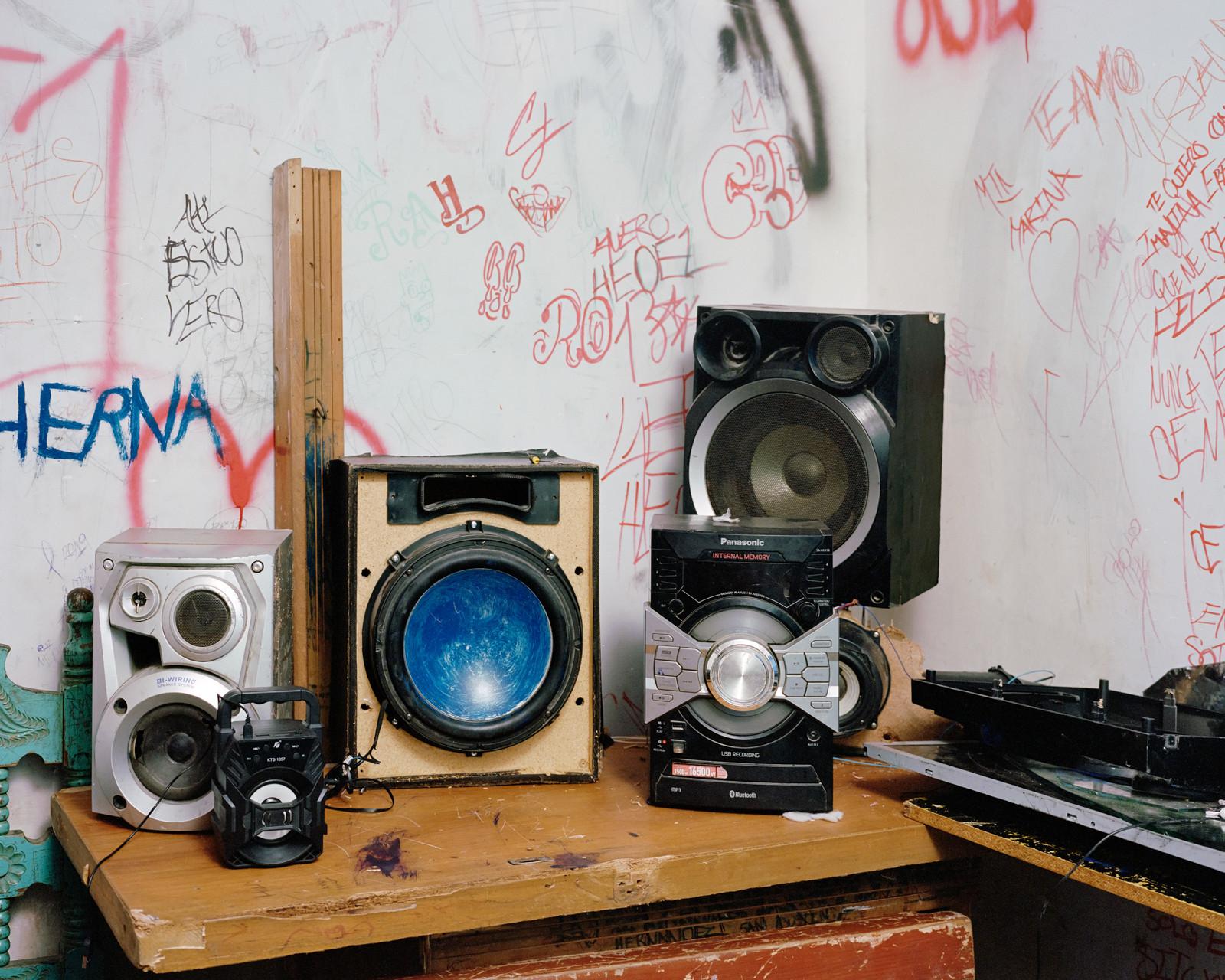
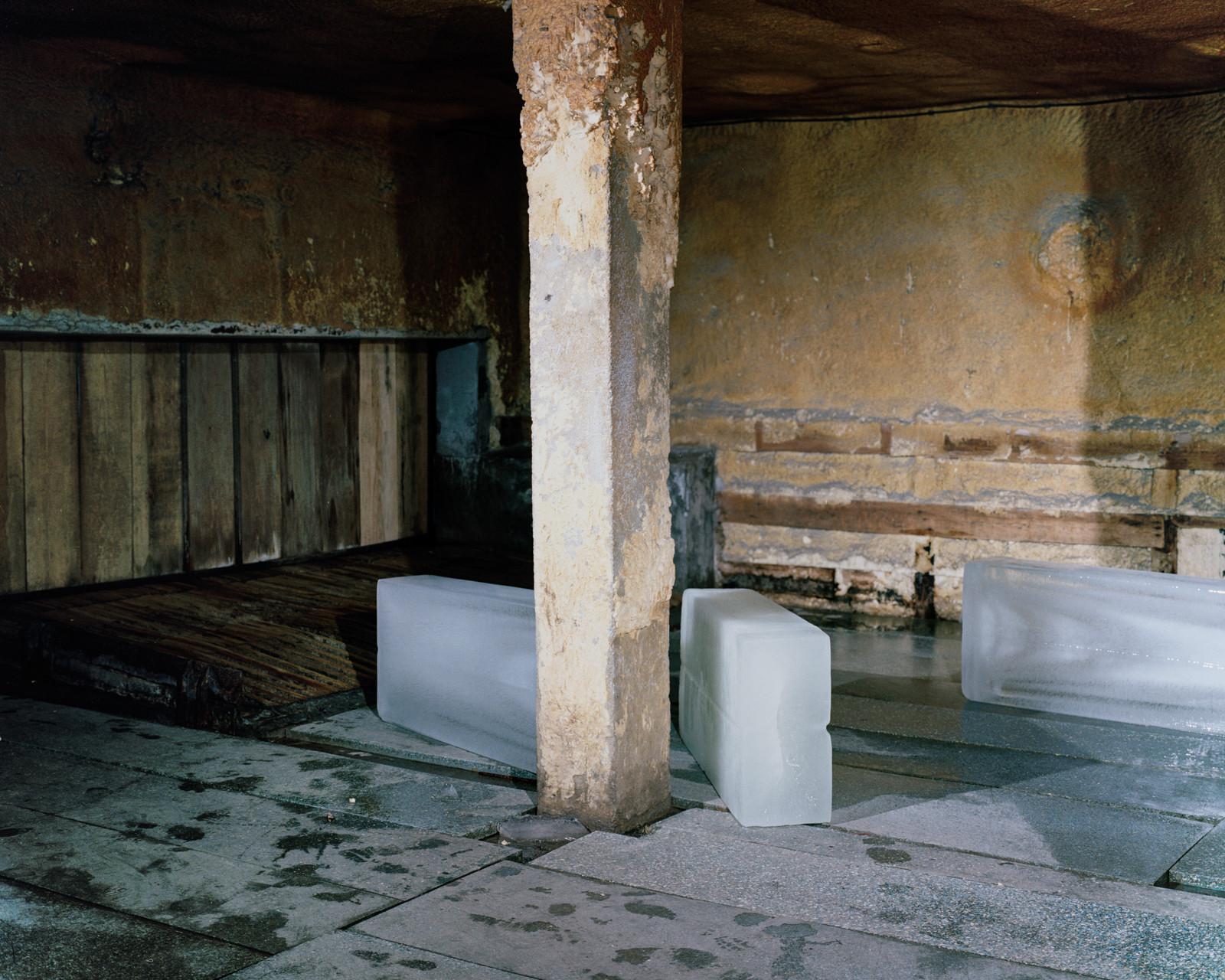
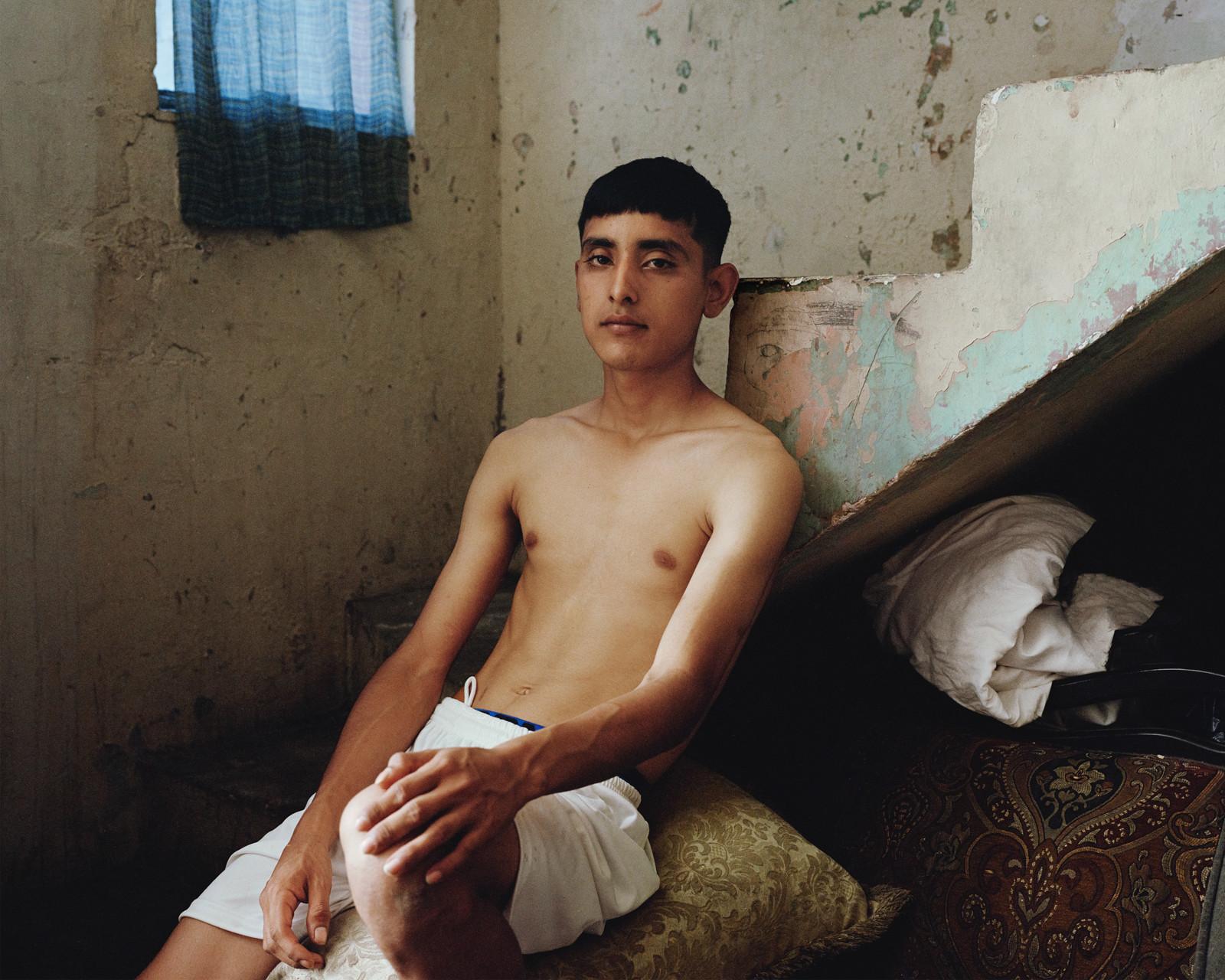
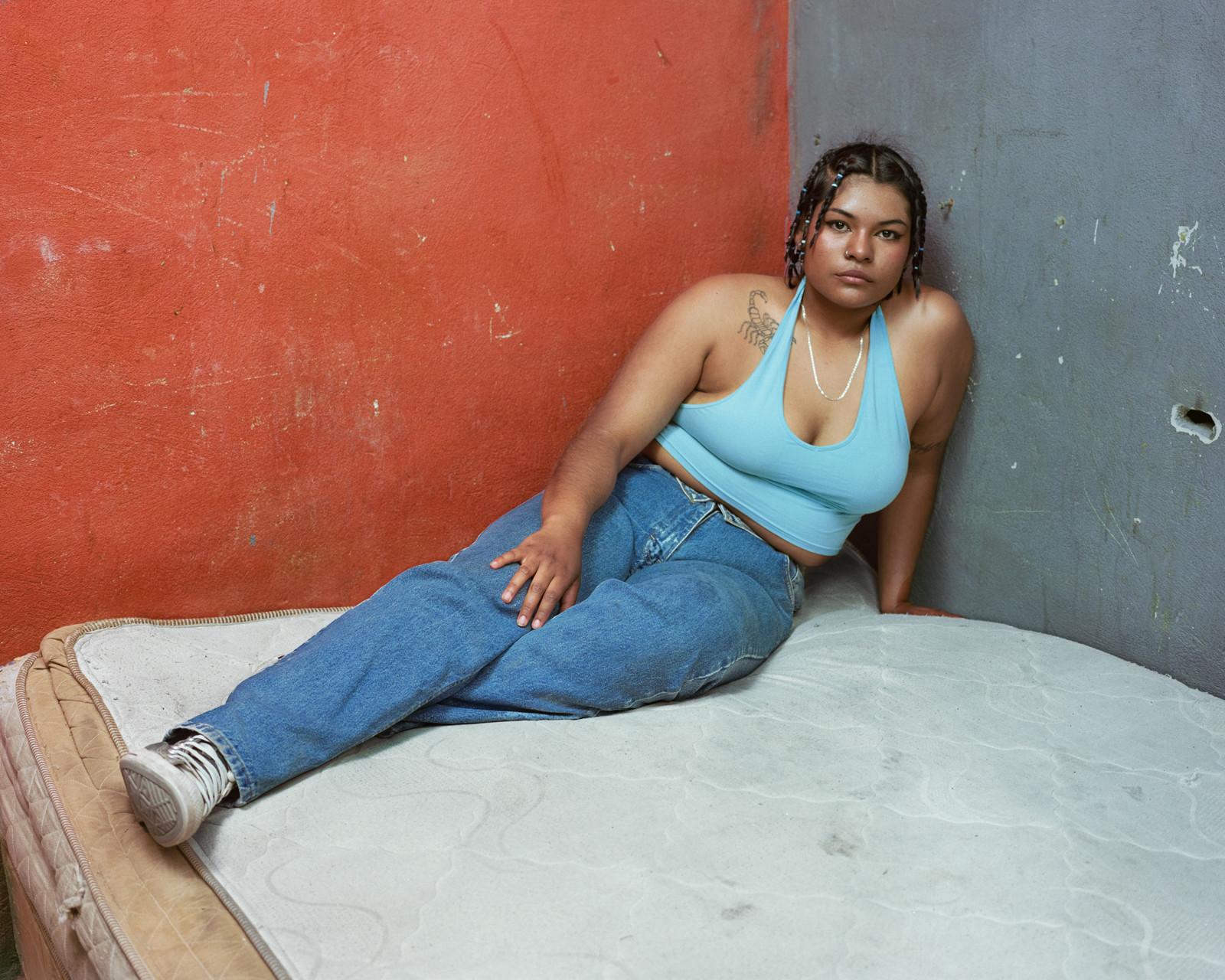
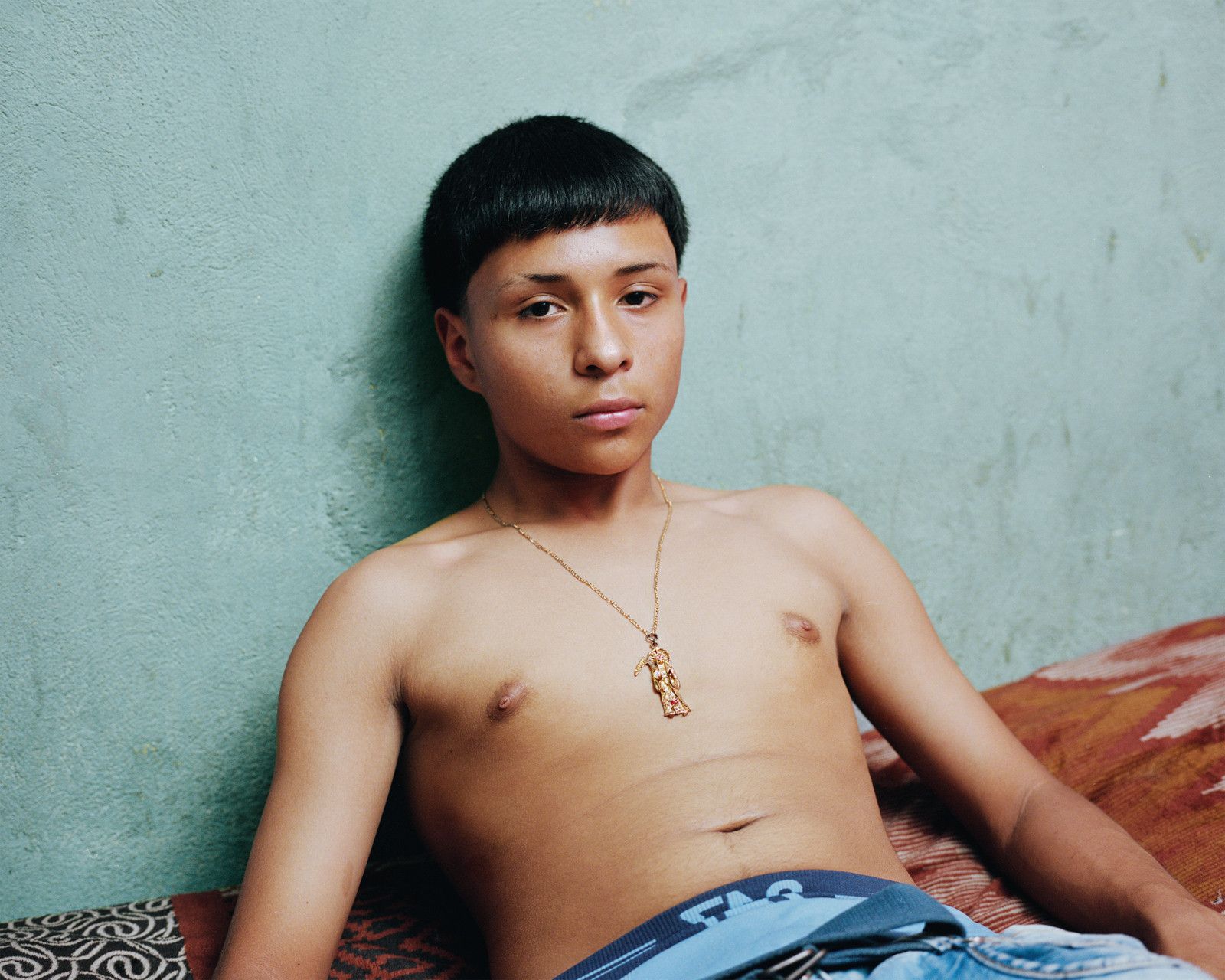
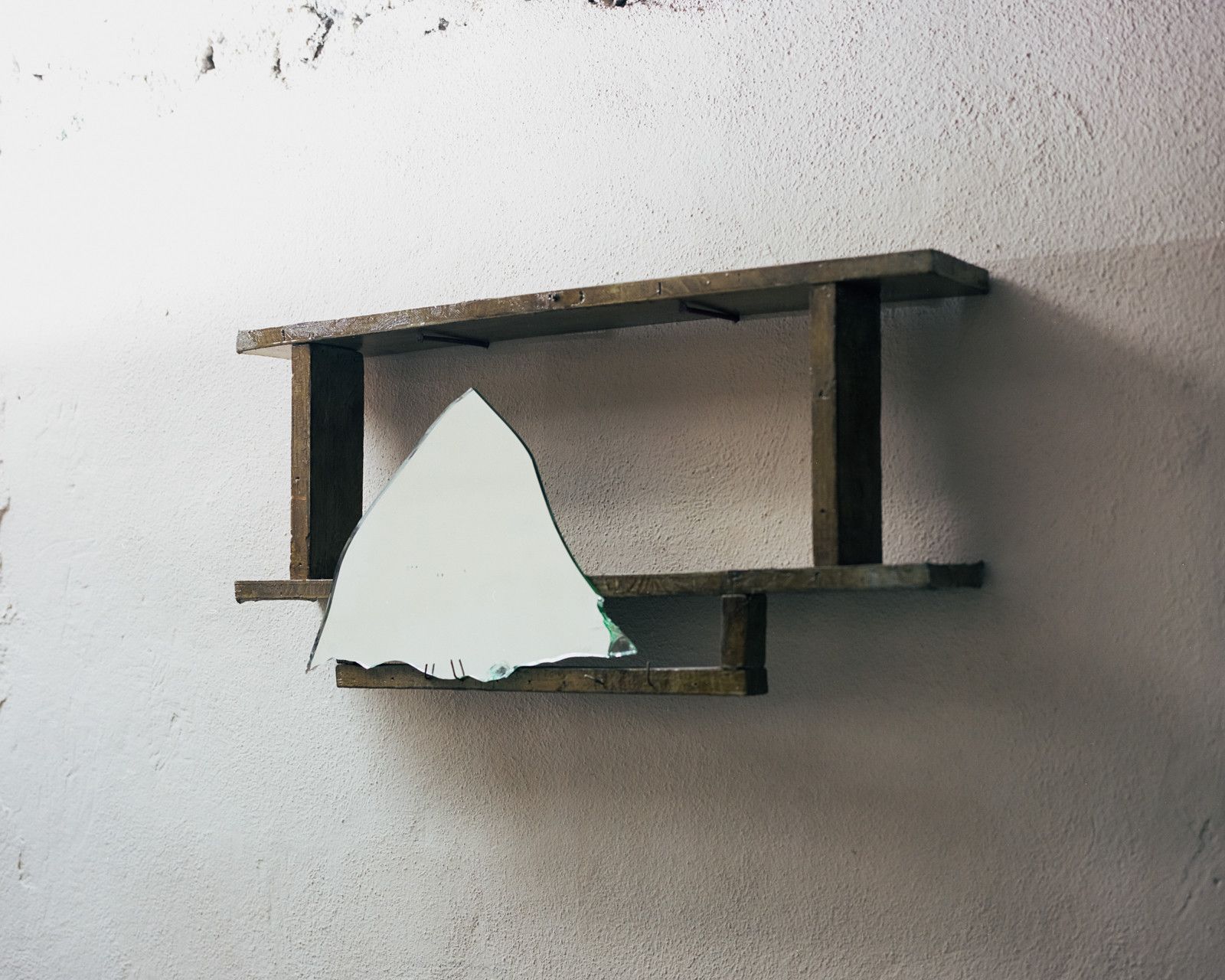
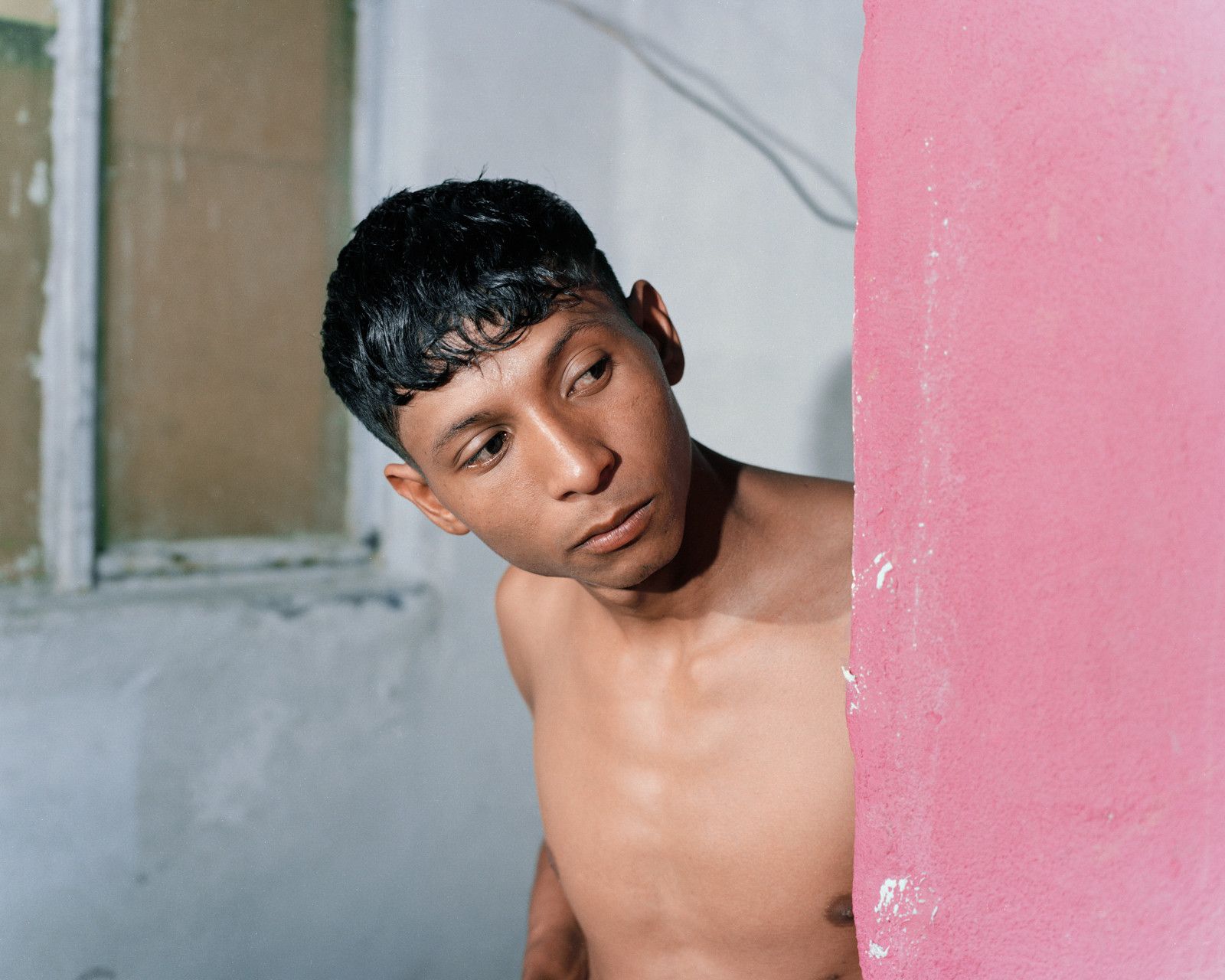
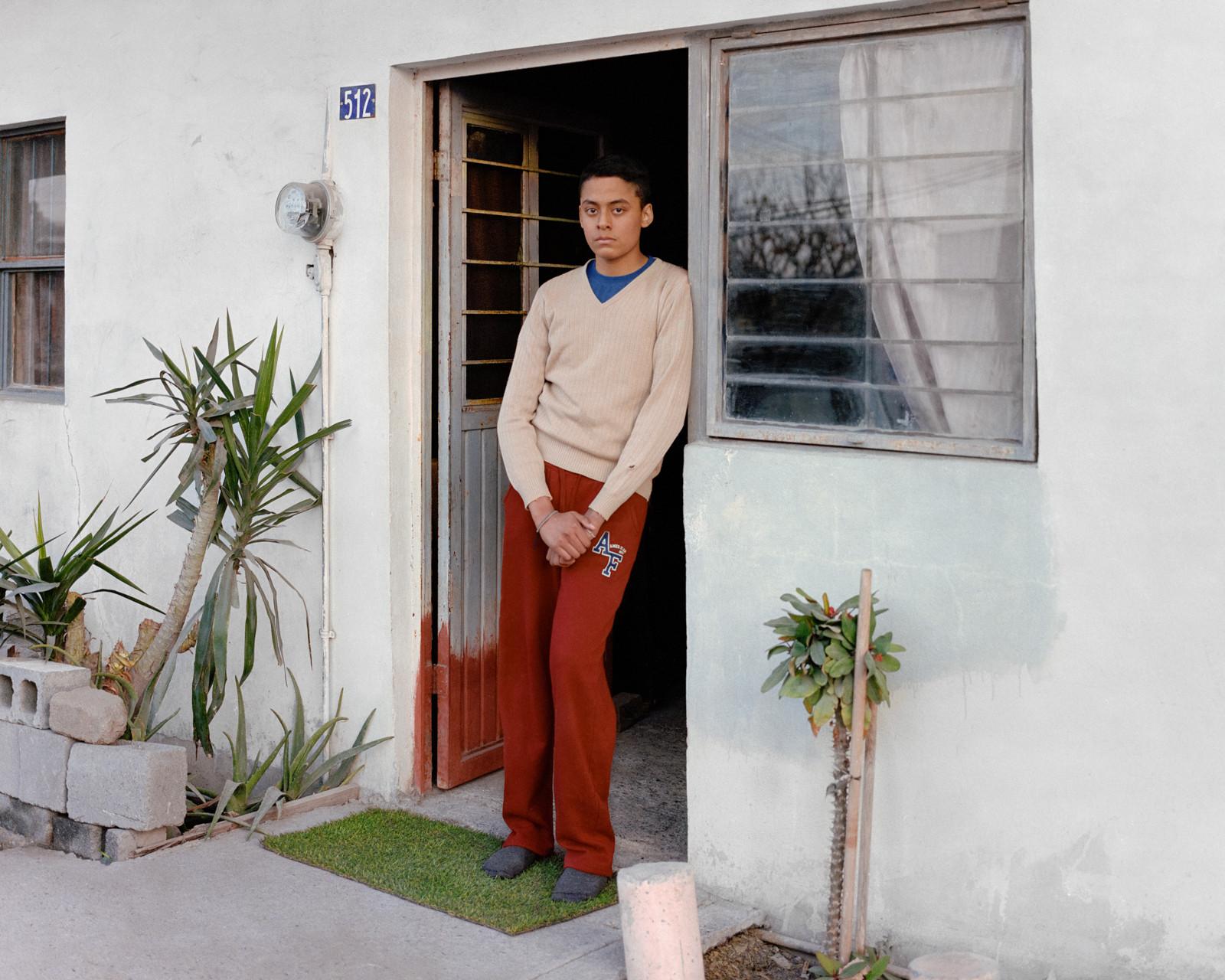
In the episode, the crossing, a series of bodies are framed by walls, by the background of a dirt road, by rooms. They encounter traces of a god not yet dispossessed by the train that crosses into the U.S., by the jackal that crosses into the U.S., by the van full of people that crosses into the U.S. They inhabit a place where others wait their turn; they, too, wait.
They observe how the real river, which grants material reality to the border, appears and disappears according to the fluctuations of transit: it is periodically unrealized from the moment it came into contact with the line drawn over it.
[Text Bravo and Episode by Albert Corbí, 2021]