Sléttan, Traces of Herring & Sléttan Yzta Annesið (The Farthest North)
by Jón Helgi Pálmason


Shortlisted Artist for the Charta Award 2025
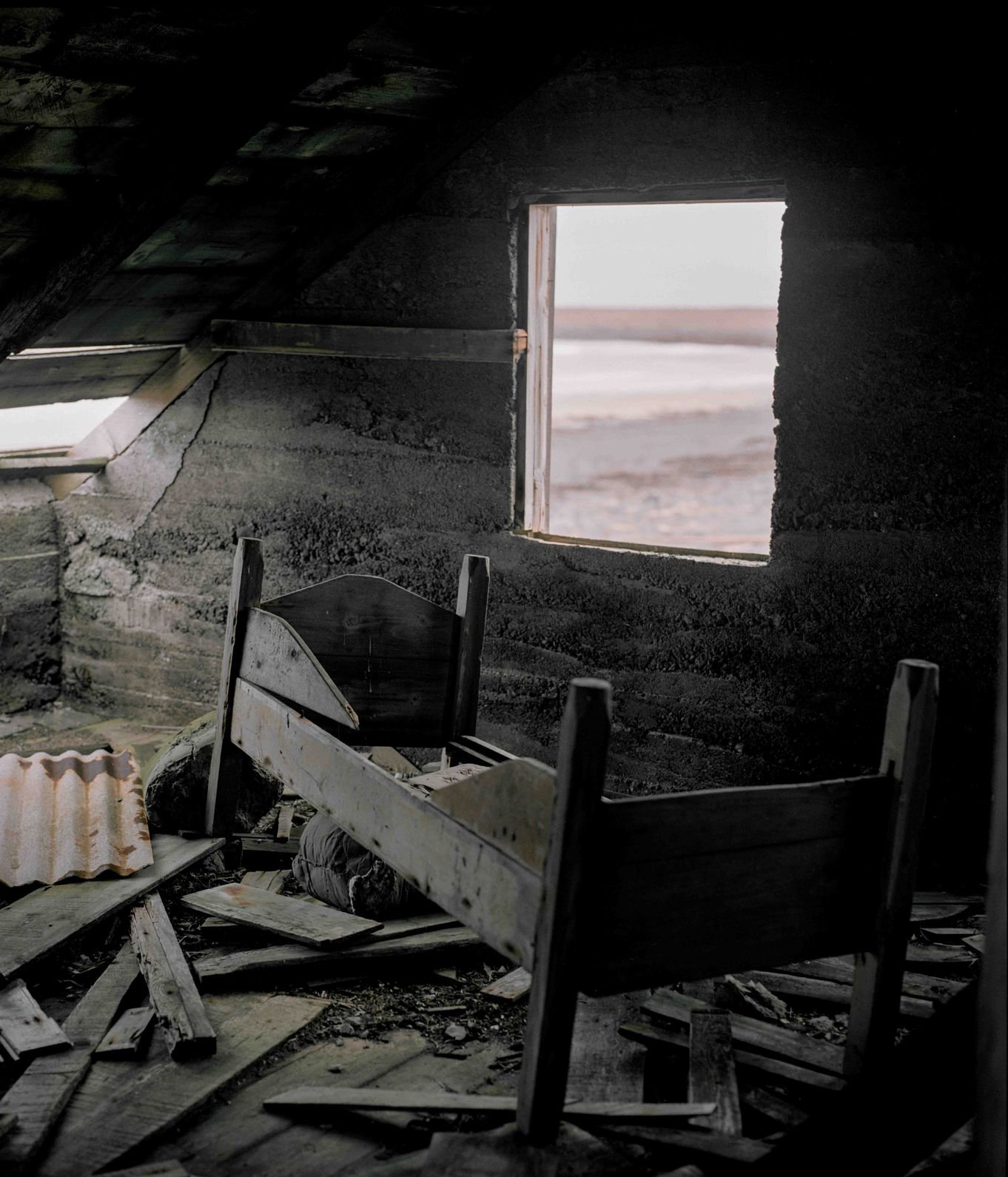
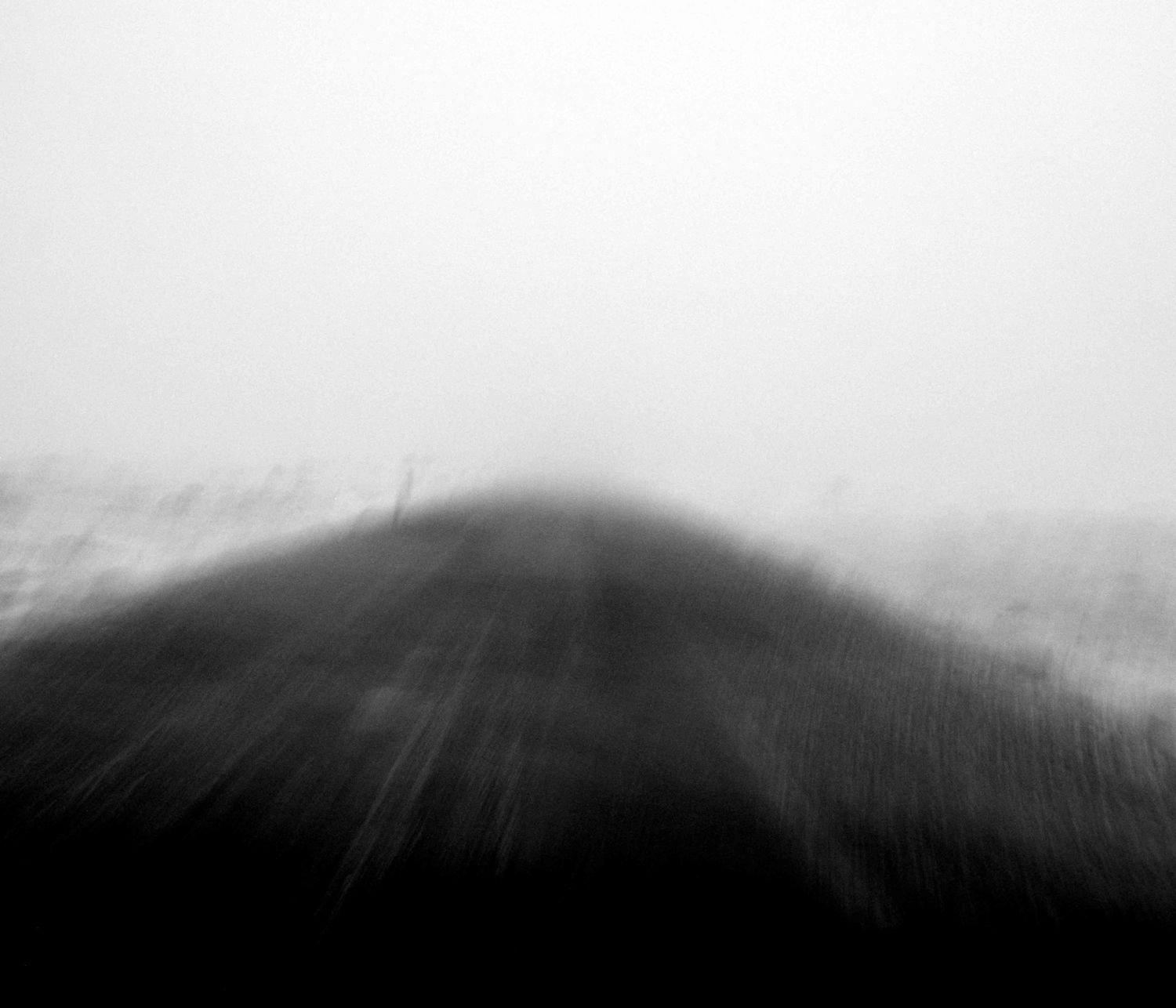
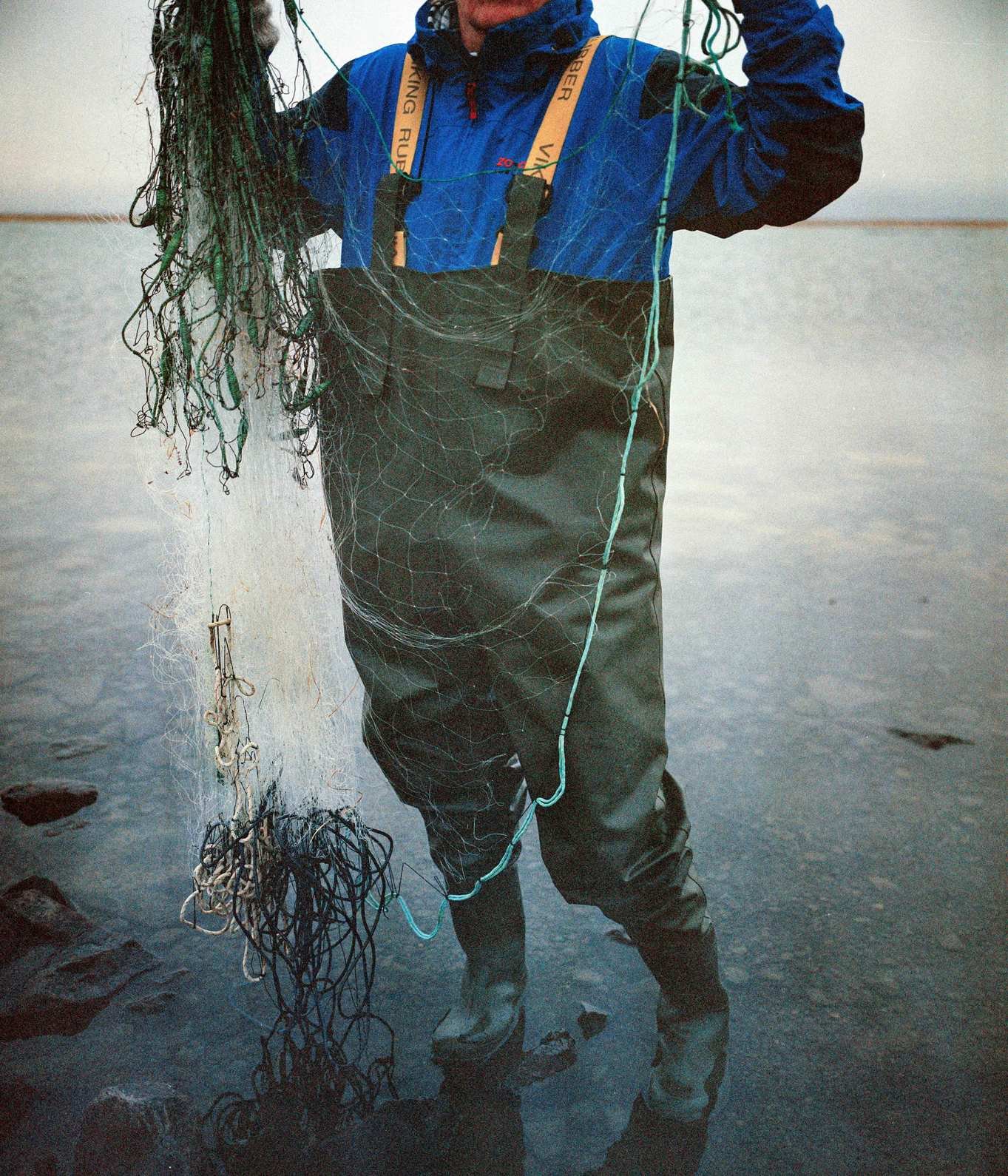
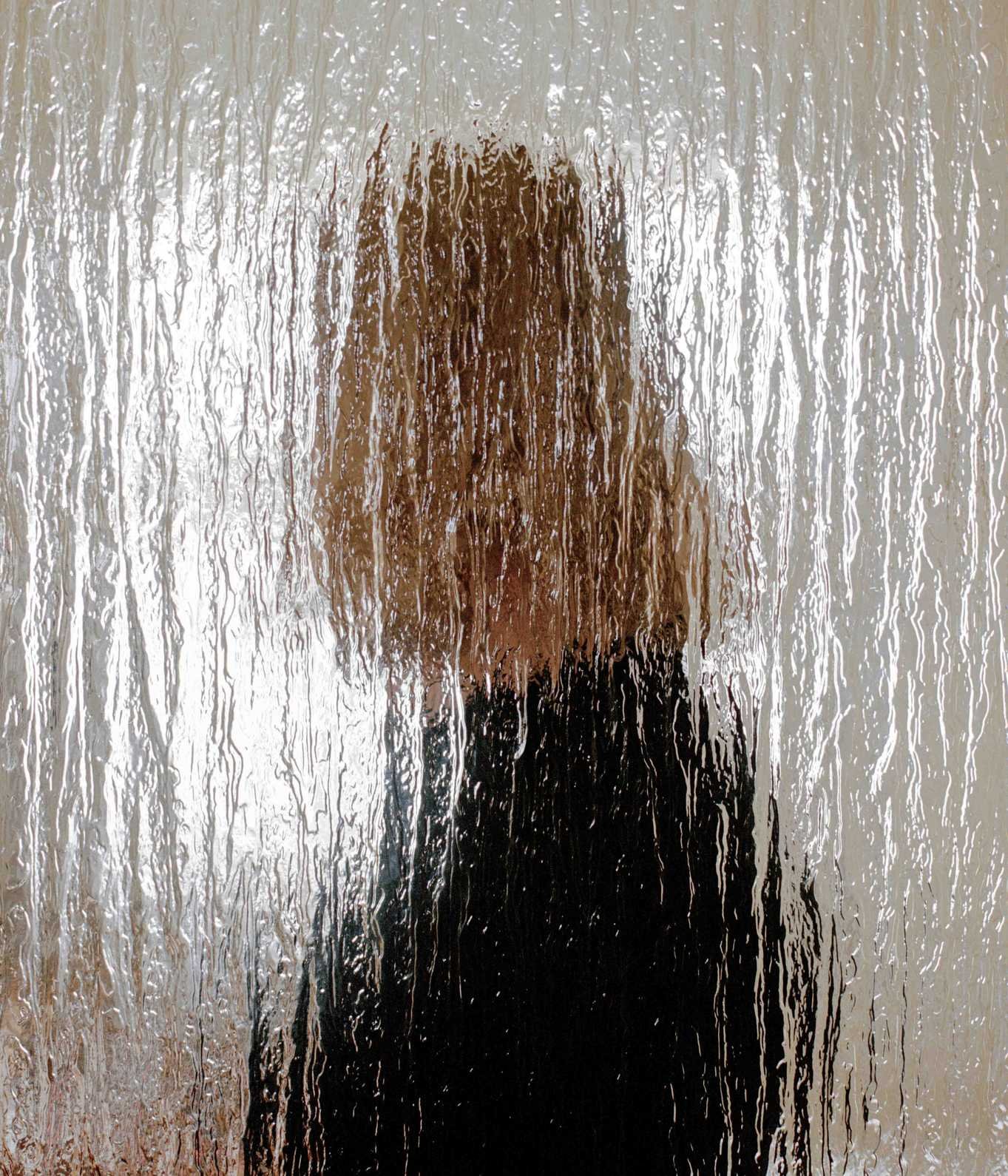
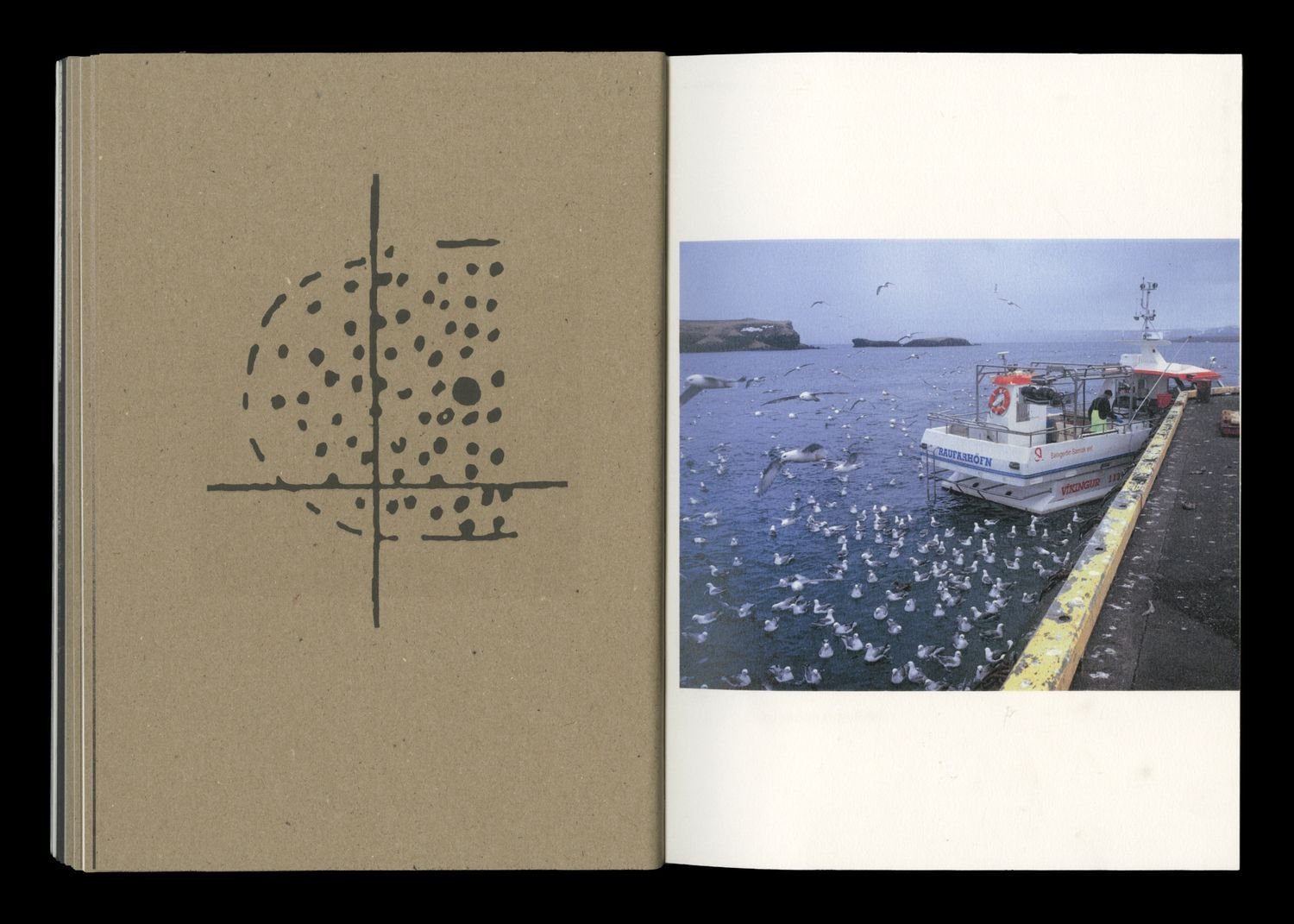
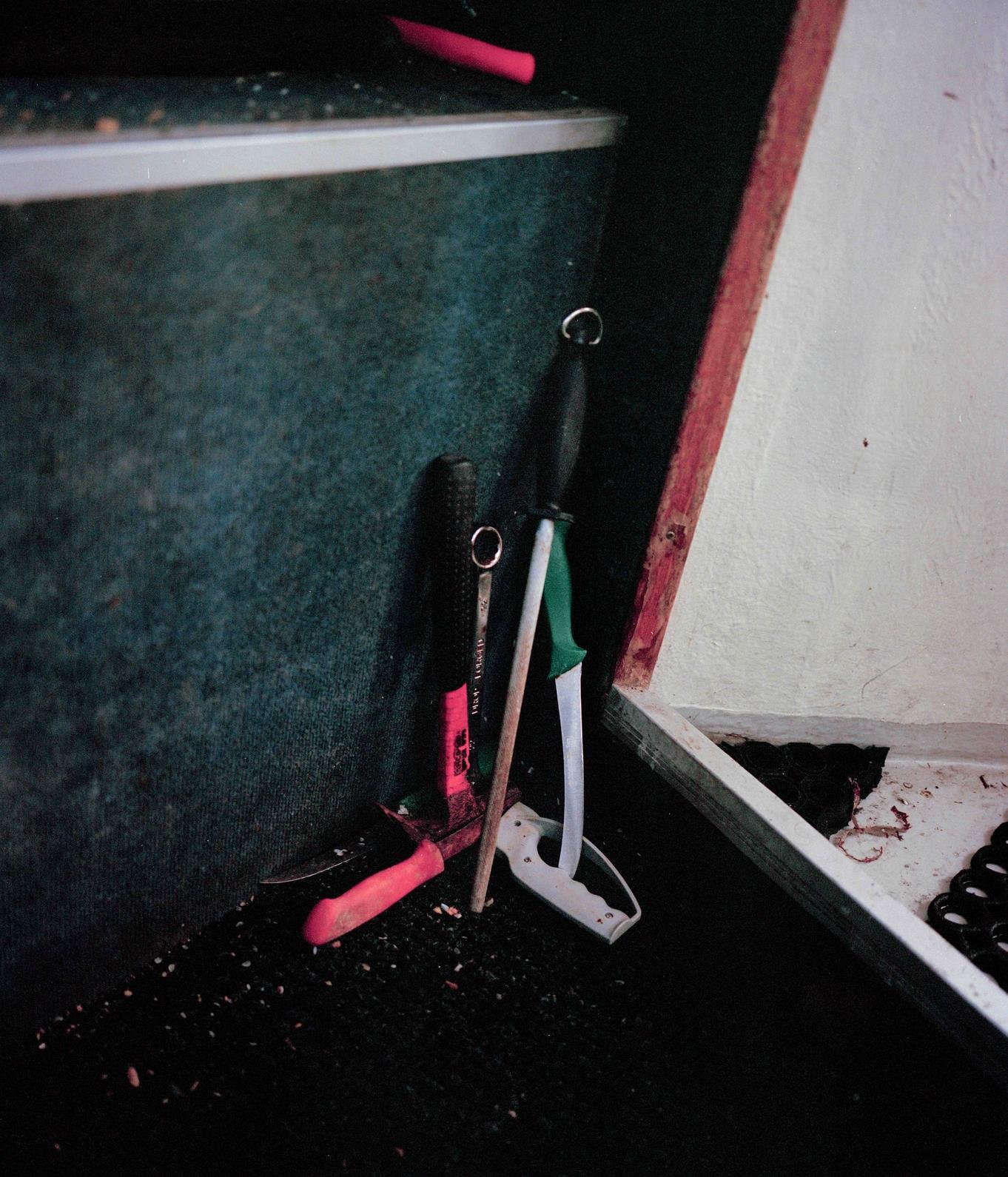
This body of work was created over a period of five years and is divided into two parts ; the first, Sléttan, Traces of Herring, was primarily produced between 2022 and 2024 and focuses on the society of Raufarhöfn, a village located in Melrakkaslétta and the birthplace of my mother. The second part, Sléttan, Yzta Annesið, builds upon the foundations laid in the first and shifts its attention to the countryside of Melrakkaslétta and its distinctive landscape, exploring how the environment shapes the character of those who inhabit it while also becoming a tool for personal reflection on my heritage in the area. I aim to merge the two projects into a single, cohesive body of work, as they both explore the life, history, and landscape of Melrak-kaslétta in north eastern Iceland.
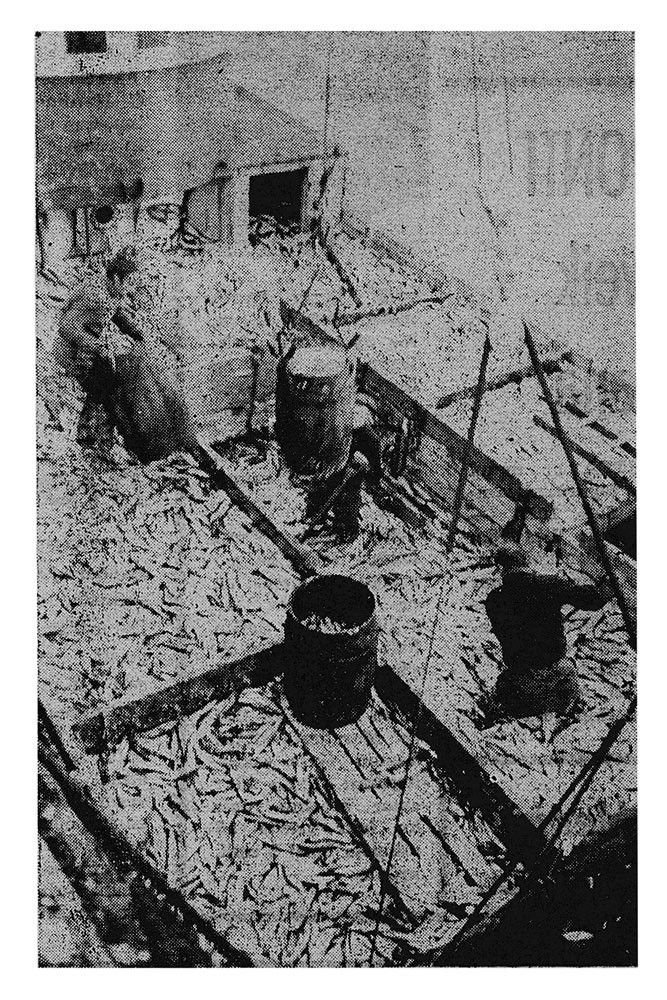
Sléttan, Traces of Herring
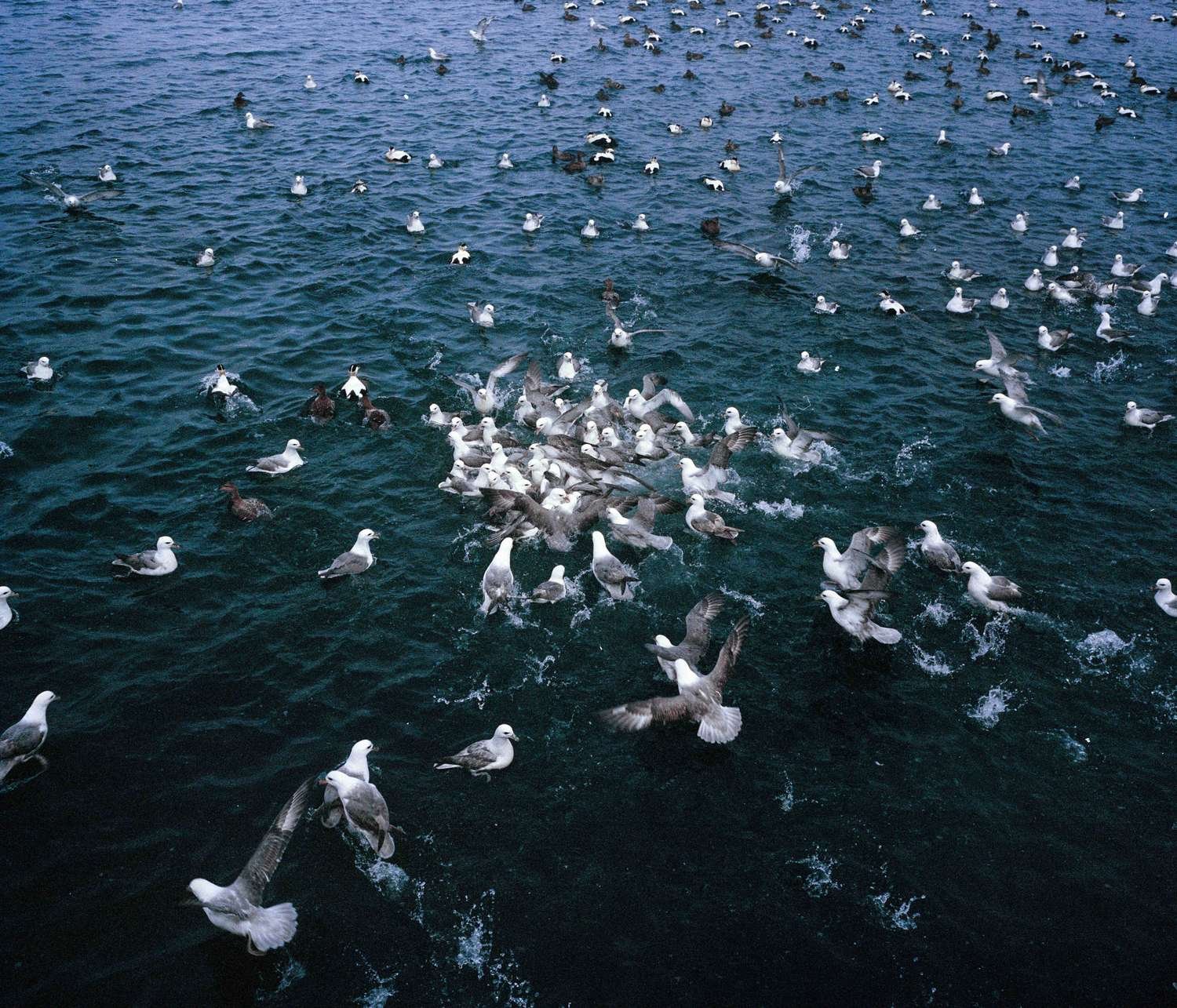
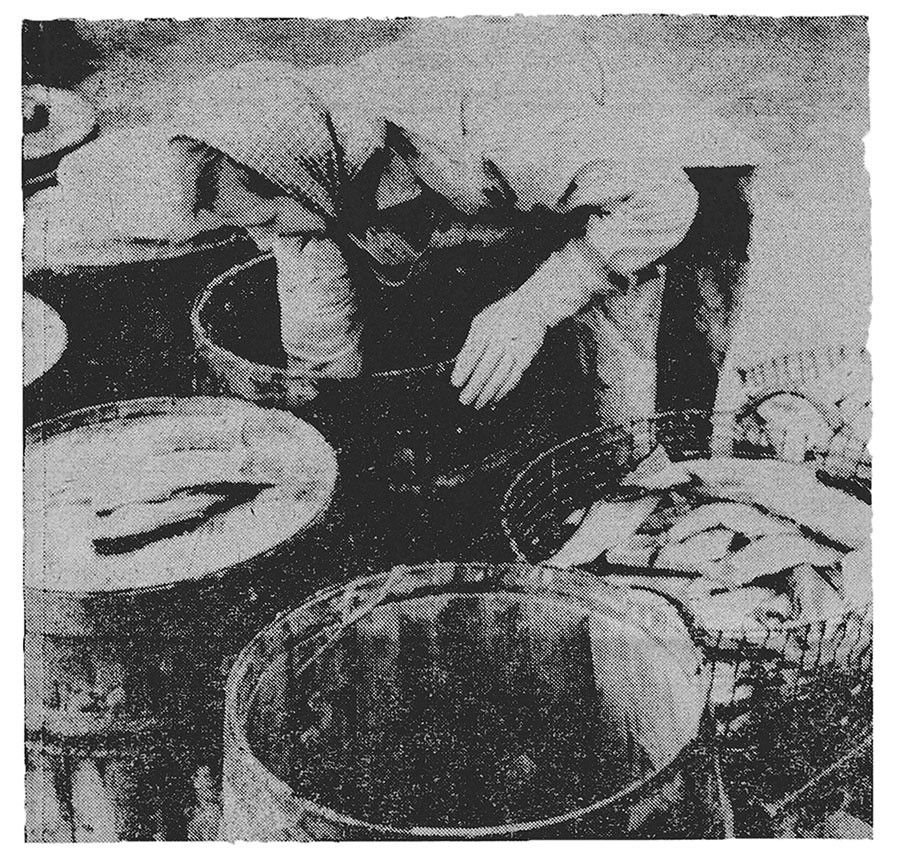
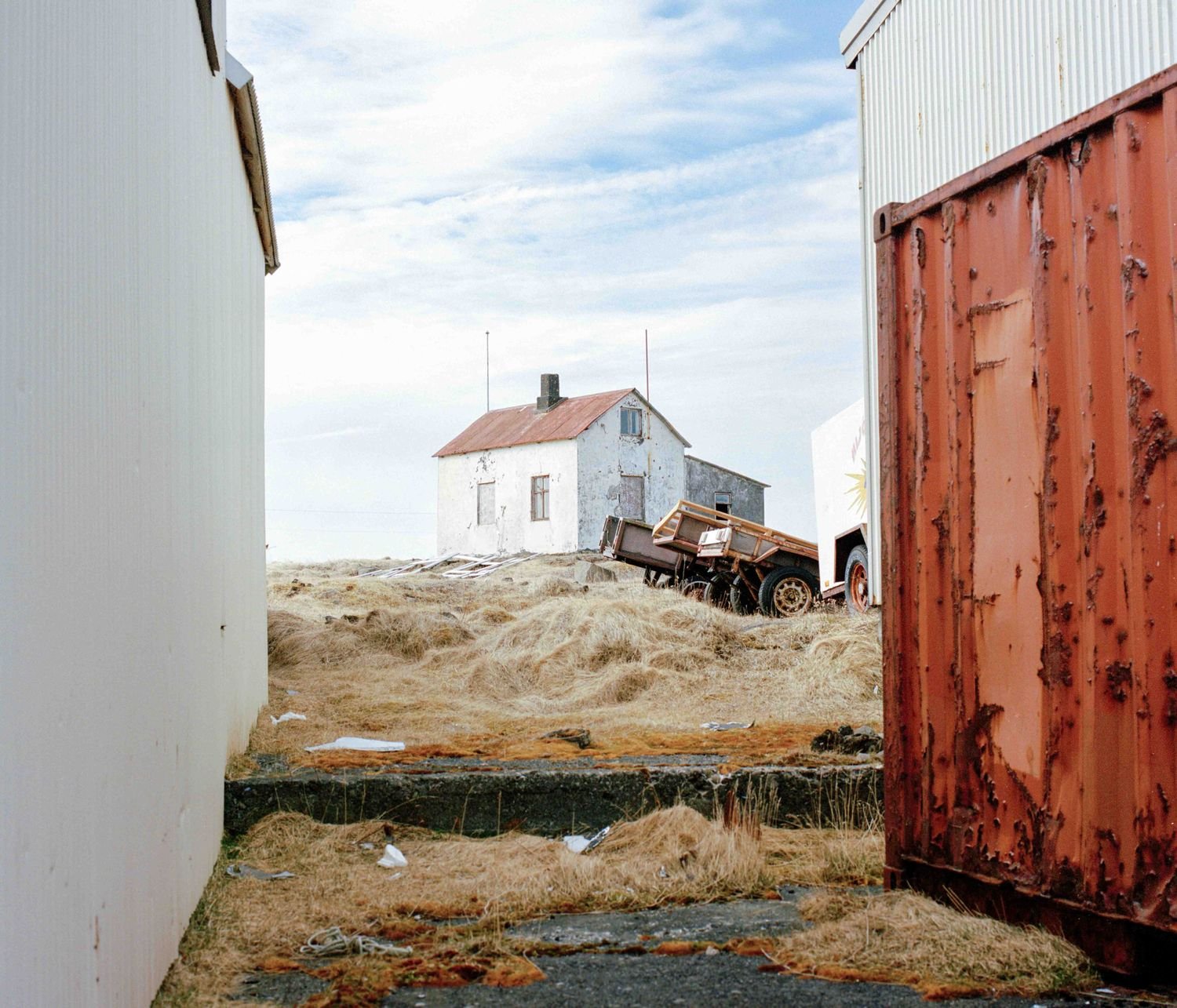
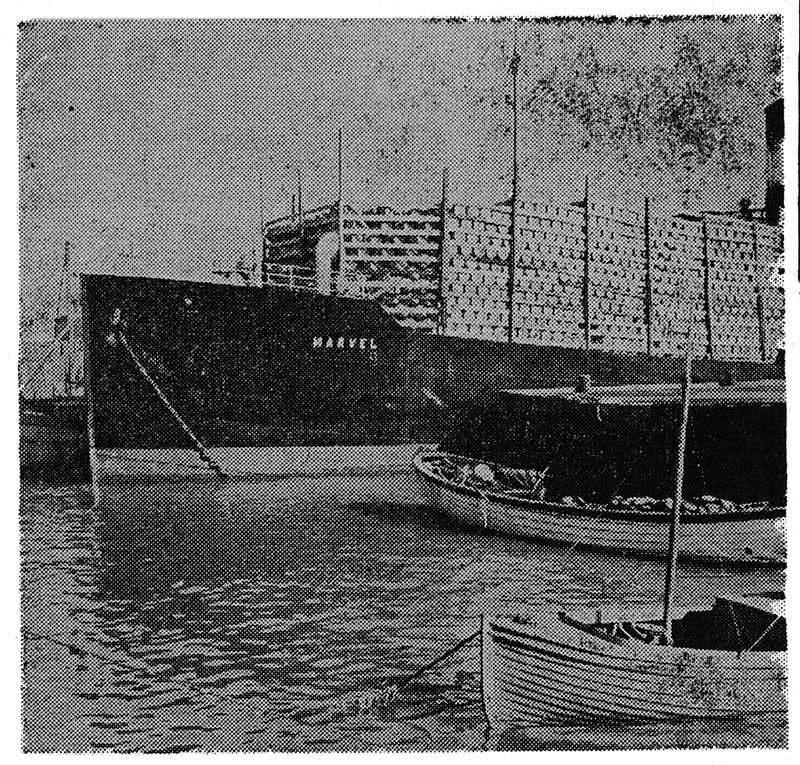
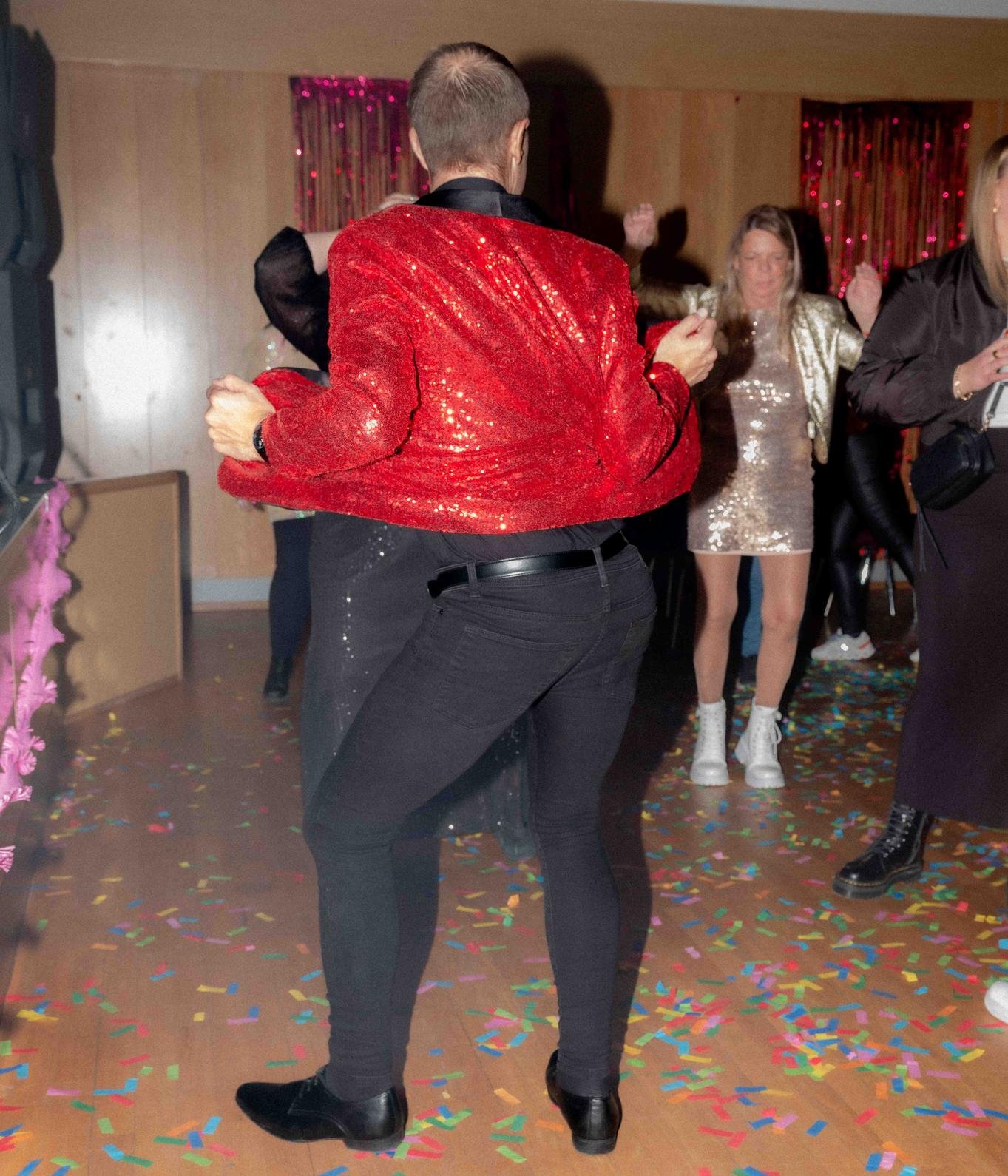
Ever since my grandparents moved away from Raufar-höfn a year after I was born, I have lost my connection to the village. Raufarhöfn is located in Melrakkslétta, the northern most part of Iceland. Although I have never lived there myself, my mother’s family ties to Raufarhöfn give me a strong sense of home. Raufarhöfn is where my mother grew up. In the 1950s and 60s, the village flourished under a period later known as the Herring years (síldarárin). The fishing and export of herring provided the village with abundant income and employment. The village grew significantly, and the opportunities the herring provided for the village seemed never-ending. Raufarhöfn had big dreams and made big plans with the expectation of the continuing growth the herring provided. Then, however, in the late 1960s, the herring suddenly disappeared from the nearby ocean, leaving Raufarhöfn motionless. This project is a personal endeavour to reconnect with the village and my extended family. Using photography as a tool to explore and understand how local history and events have shaped the current characteristics of the village and its inhabitants’ identity. Today, fewer than 200 people live in the village, and it suffers from an aging population, a lack of infrastructure, and opportunities. Since the Herring Years, time has stood still for Raufarhöfn. Yet, resilience remains within the remaining inhabitants, an optimism of a turning point. Raufarhöfn is their home; within their small community, they find comfort and purpose.
Sléttan, Yzta Annesið (The Farthest North)
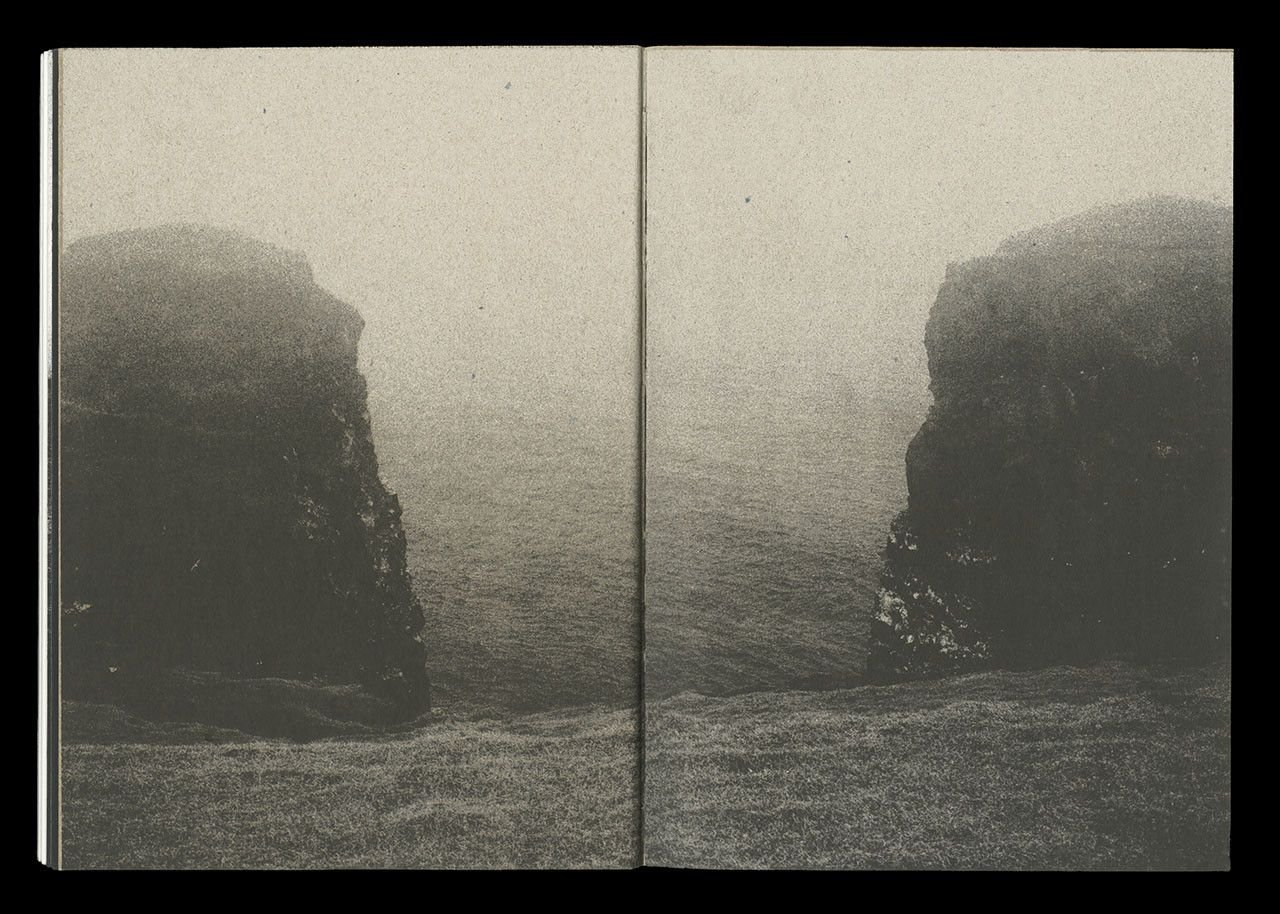
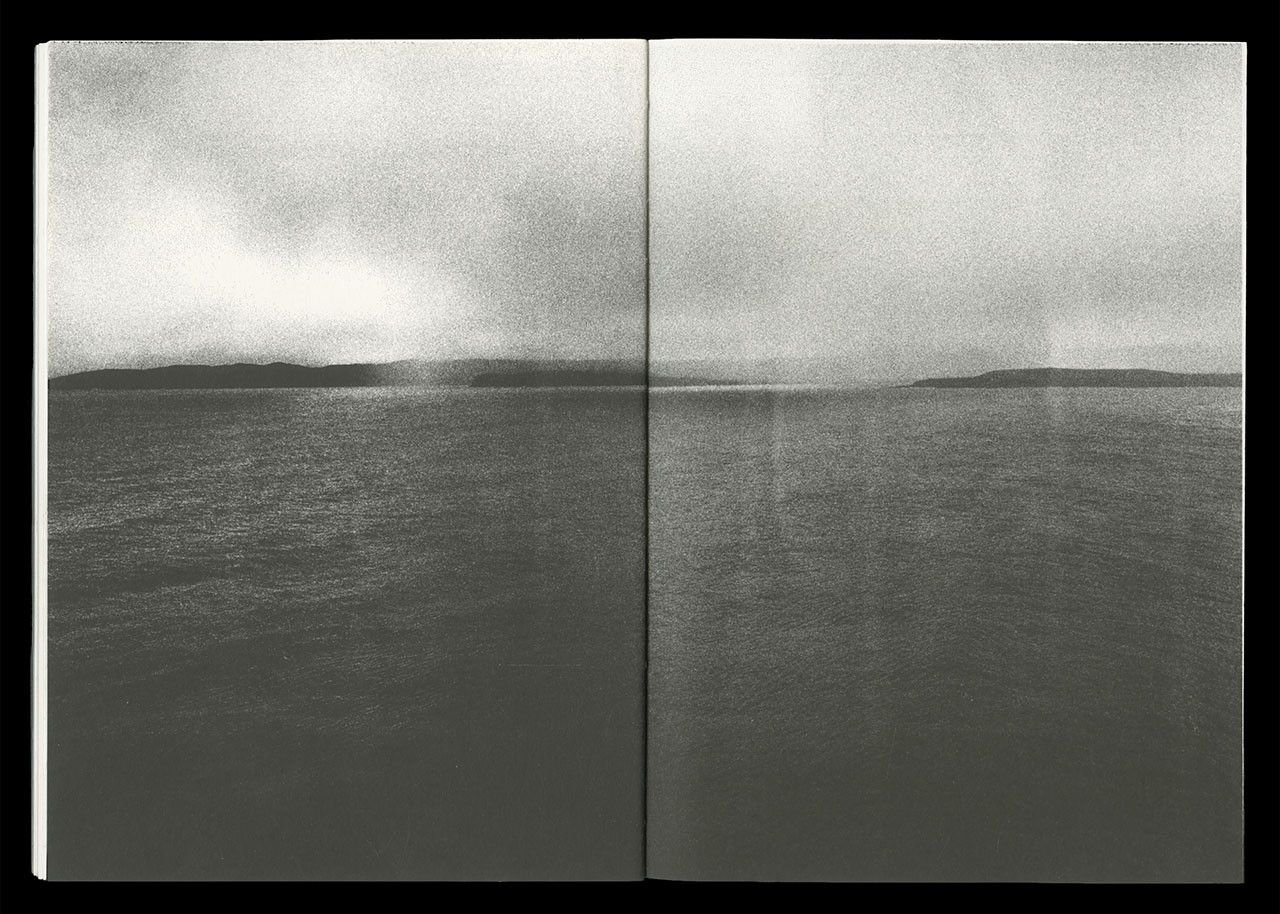
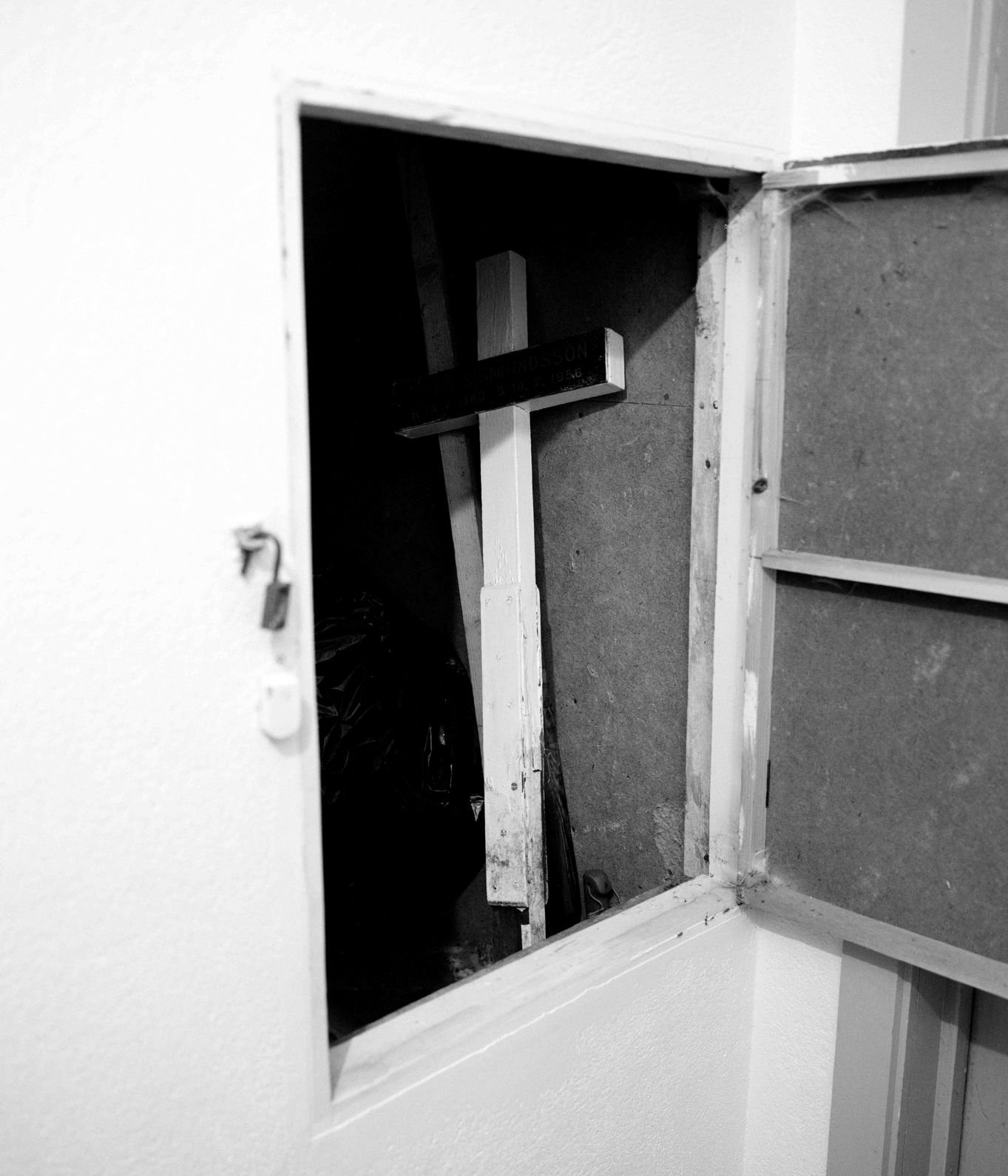
At an unknown point in history, a great plague is said to have wiped out the entire population of Melrakkaslétta, leaving only two survivors: a man in the eastern part of the region and a woman in the west. As they journeyed through the landscape, moving from farm to farm in search of others, their paths eventually crossed in the middle of Melrakkaslétta, now known as Meyjarþúfa (“Virgin’s knoll”). There, it is said that a new generation was born. Melrakkaslétta in North east Iceland, situated at the very edge of the Arctic Circle, is a vast, barren, flat land constantly exposed to the elements. The only respite from the harsh climate comes with a clear south westerly wind. Sléttan, Yzta Annesið is a visual exploration of this remote landscape, an investigation inspired by local folklore, narratives of the past, and inherited memory. Through photography, found objects, and archival intervention, the work examines the emotional and complex relationship between people and the landscape they inhabit. Informed by my heritage in the area, the work reflects a growing personal connection to the landscape’s presence. It considers how it shapes the identity and character of its inhabitants. In a time of accelerating environmental and social change, the work quietly addresses the delicate balance between the resilience and vulnerability of small rural communities and their surroundings, while emphasizing the deep bond between land, identity, and people.