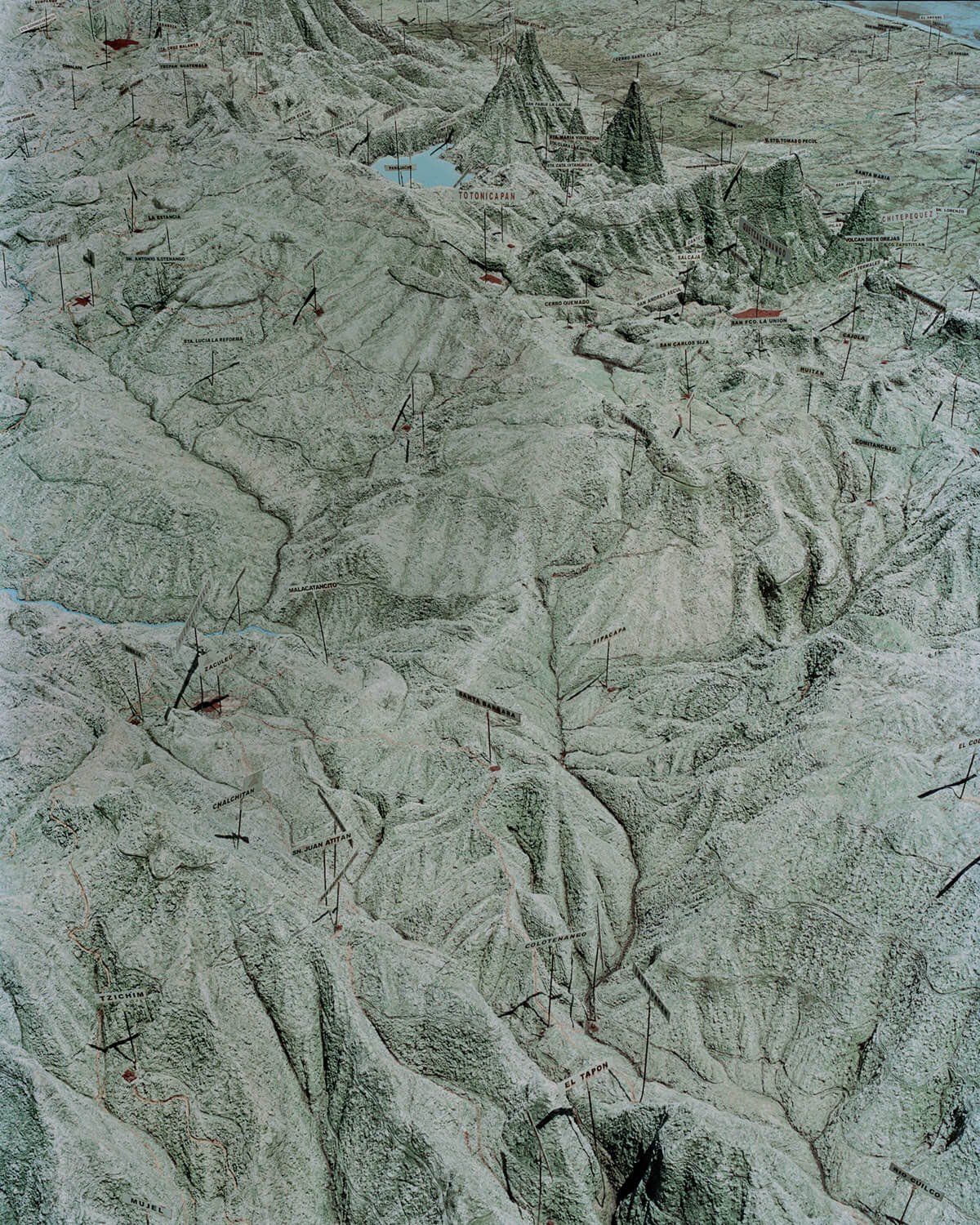
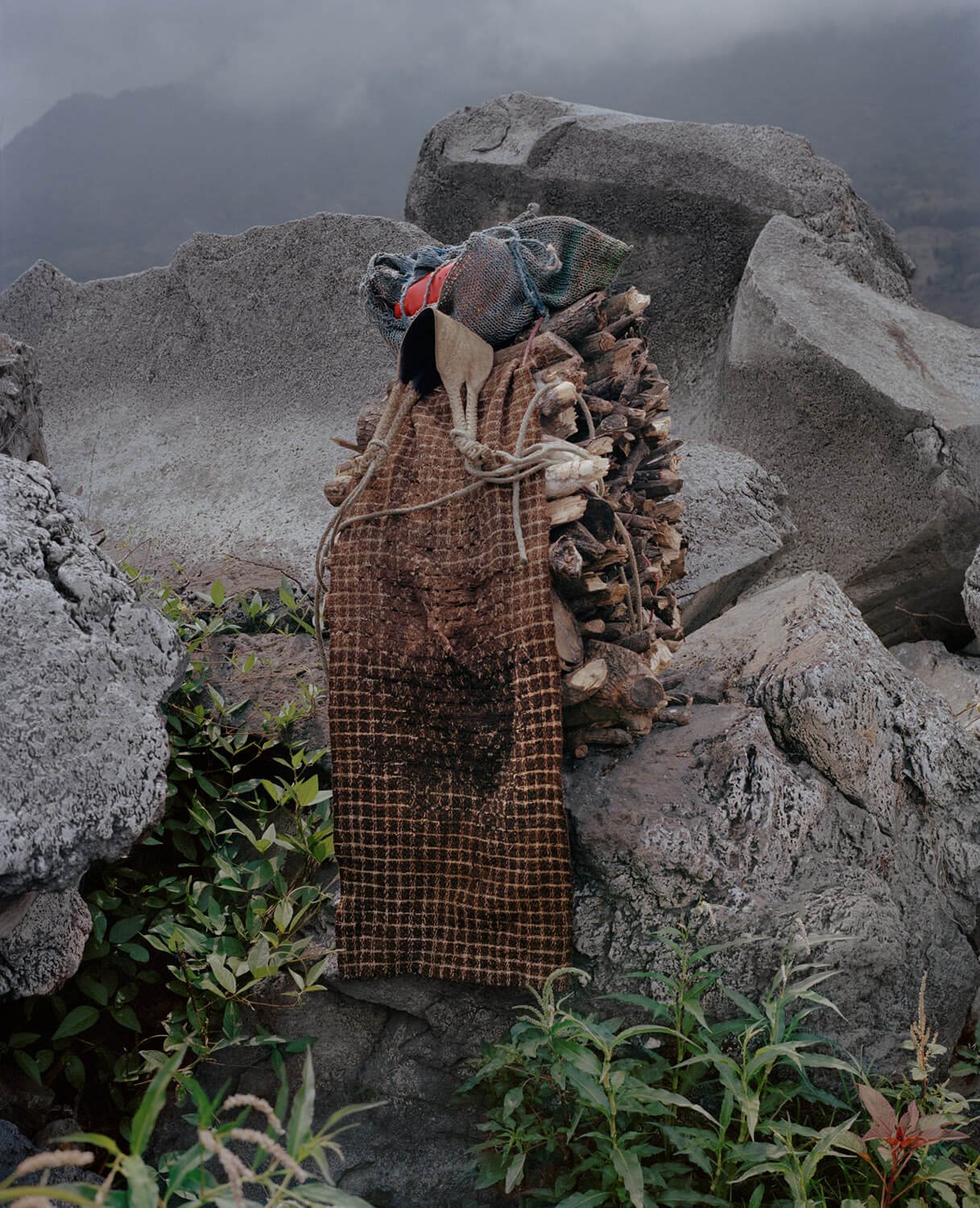
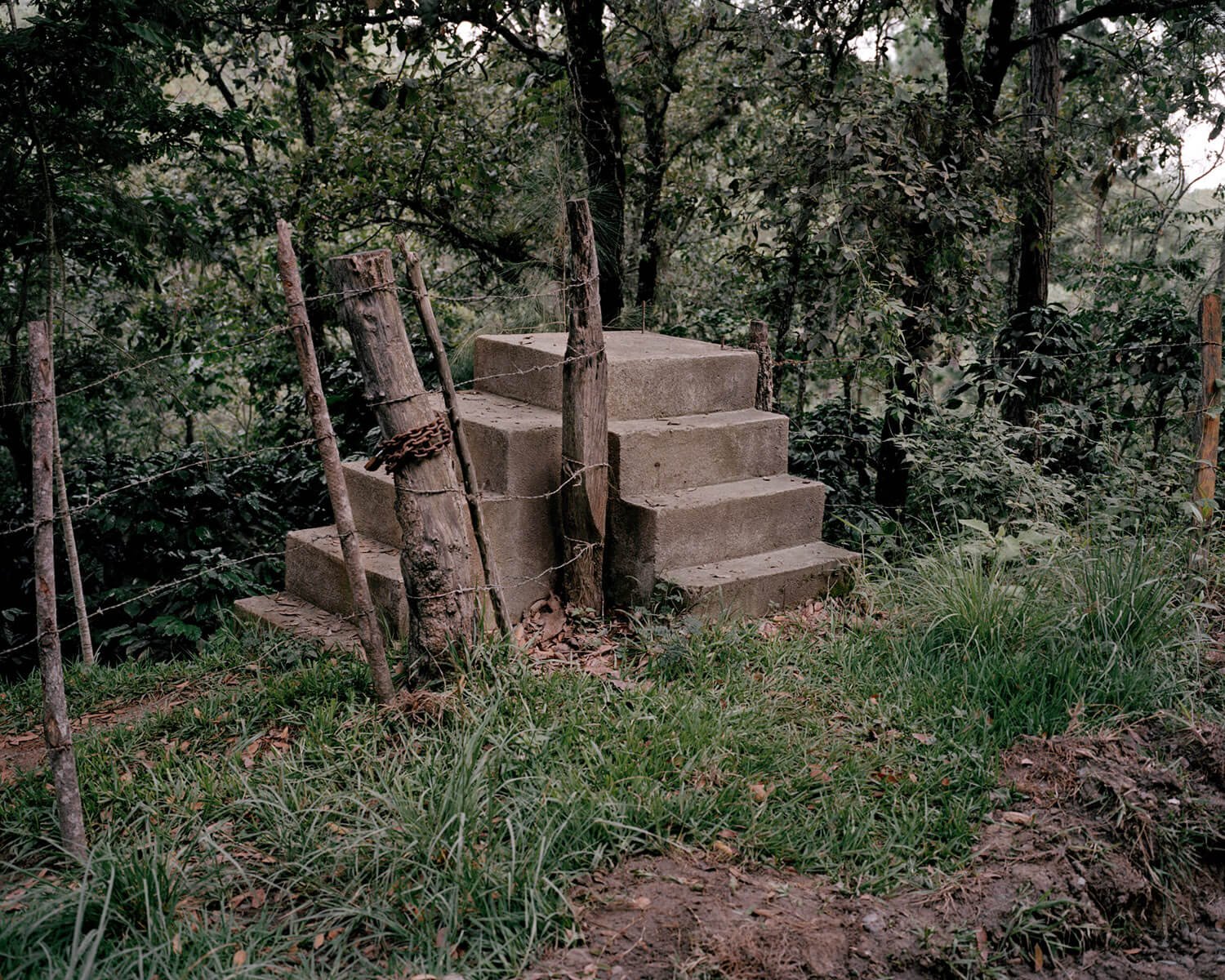
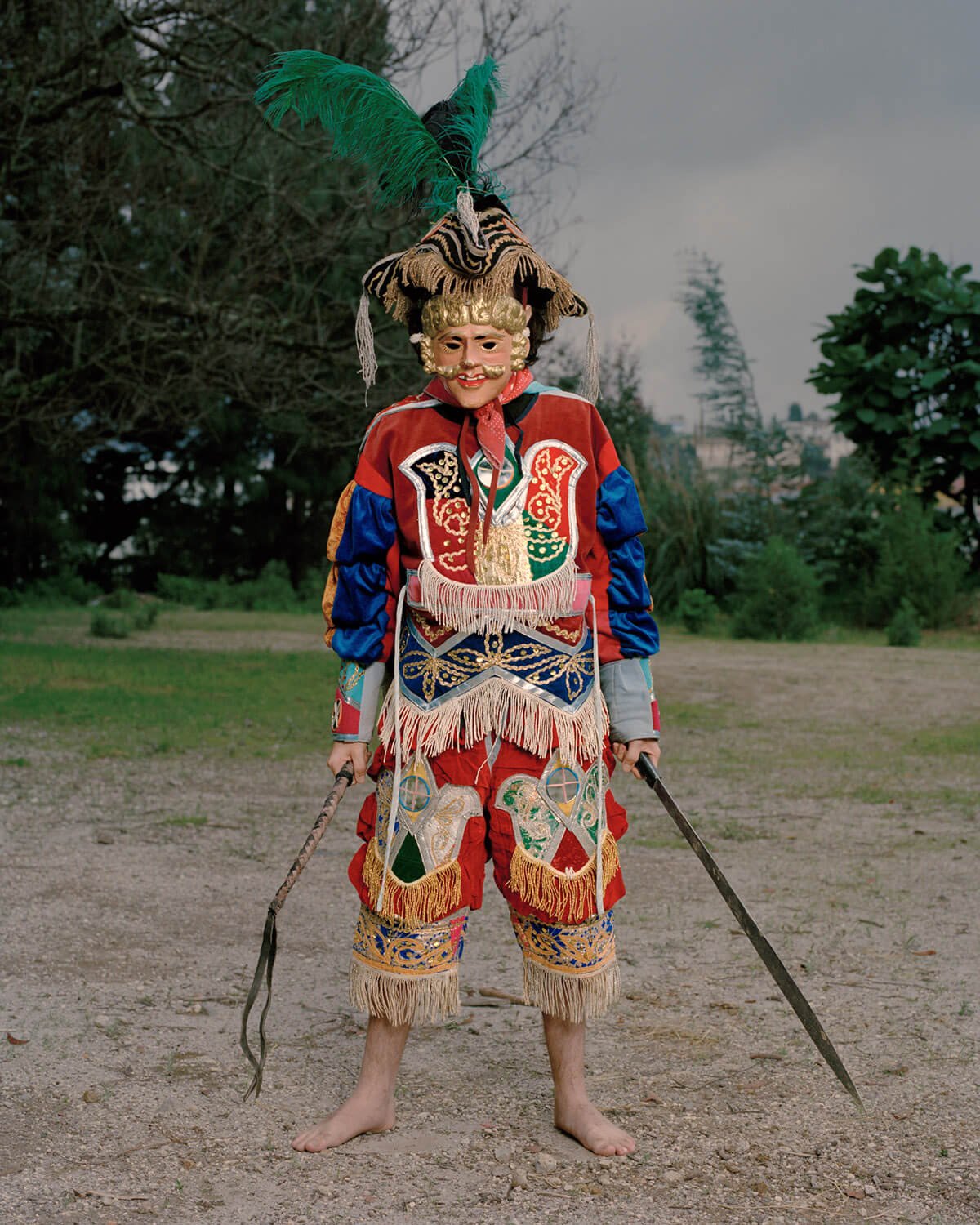
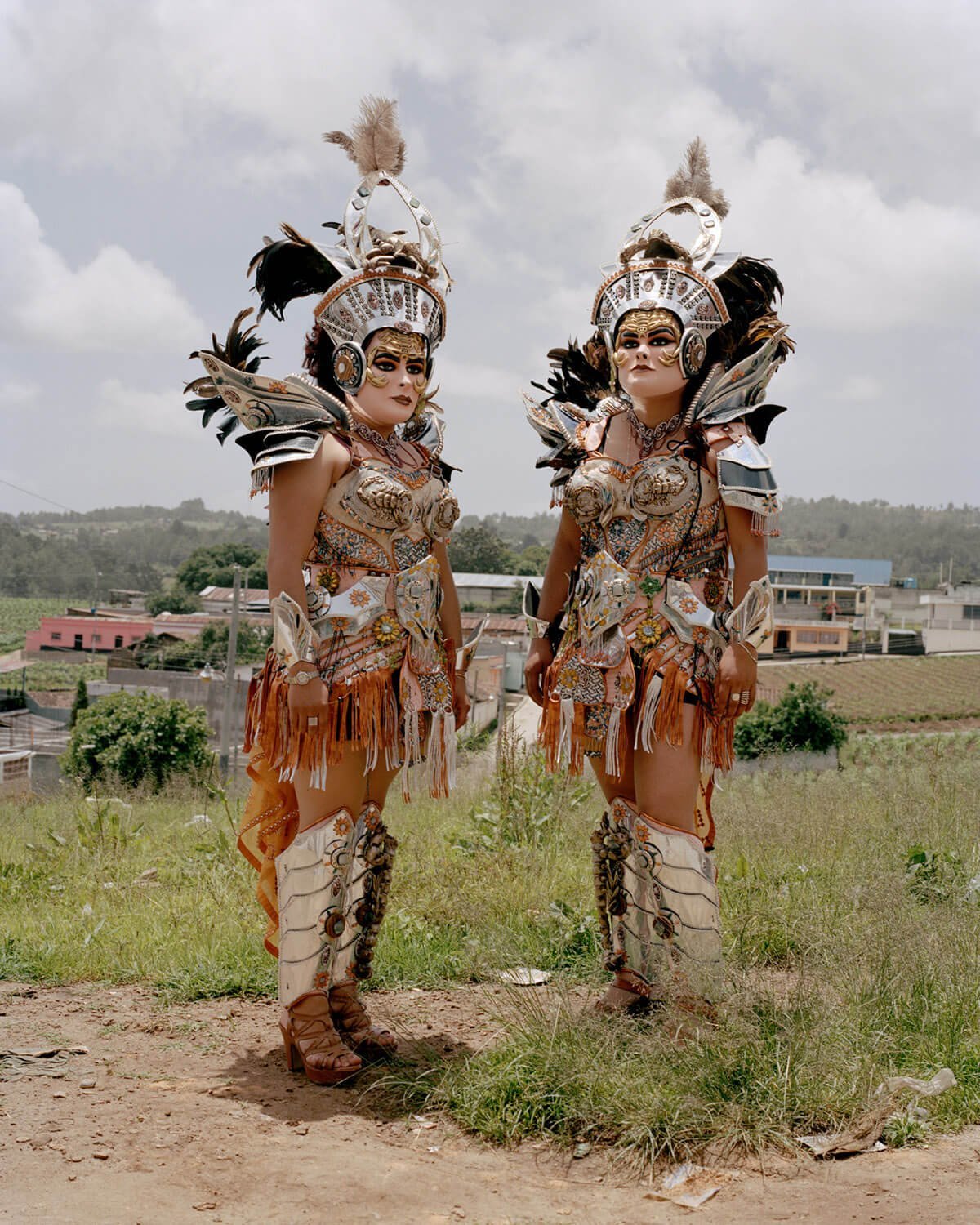
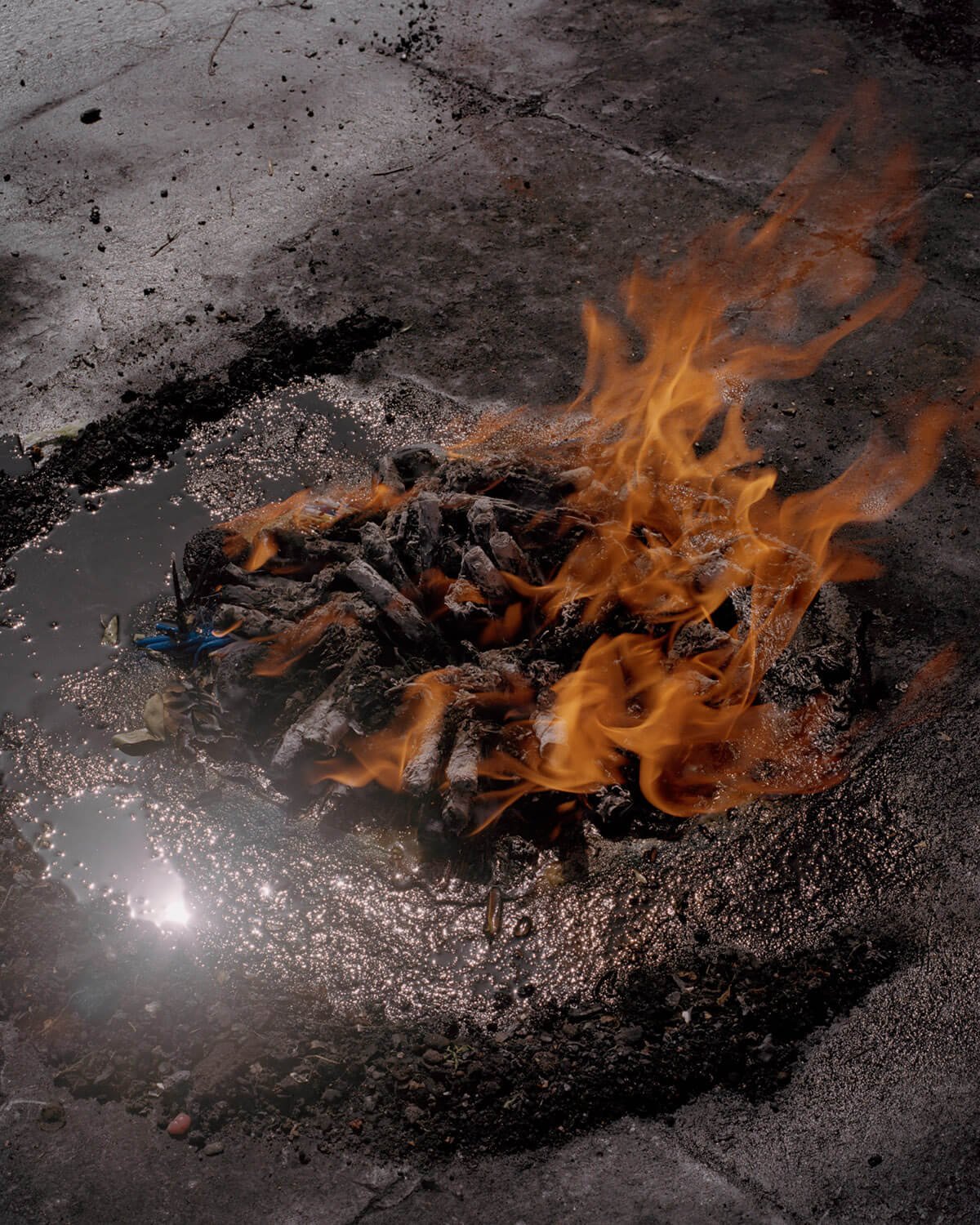
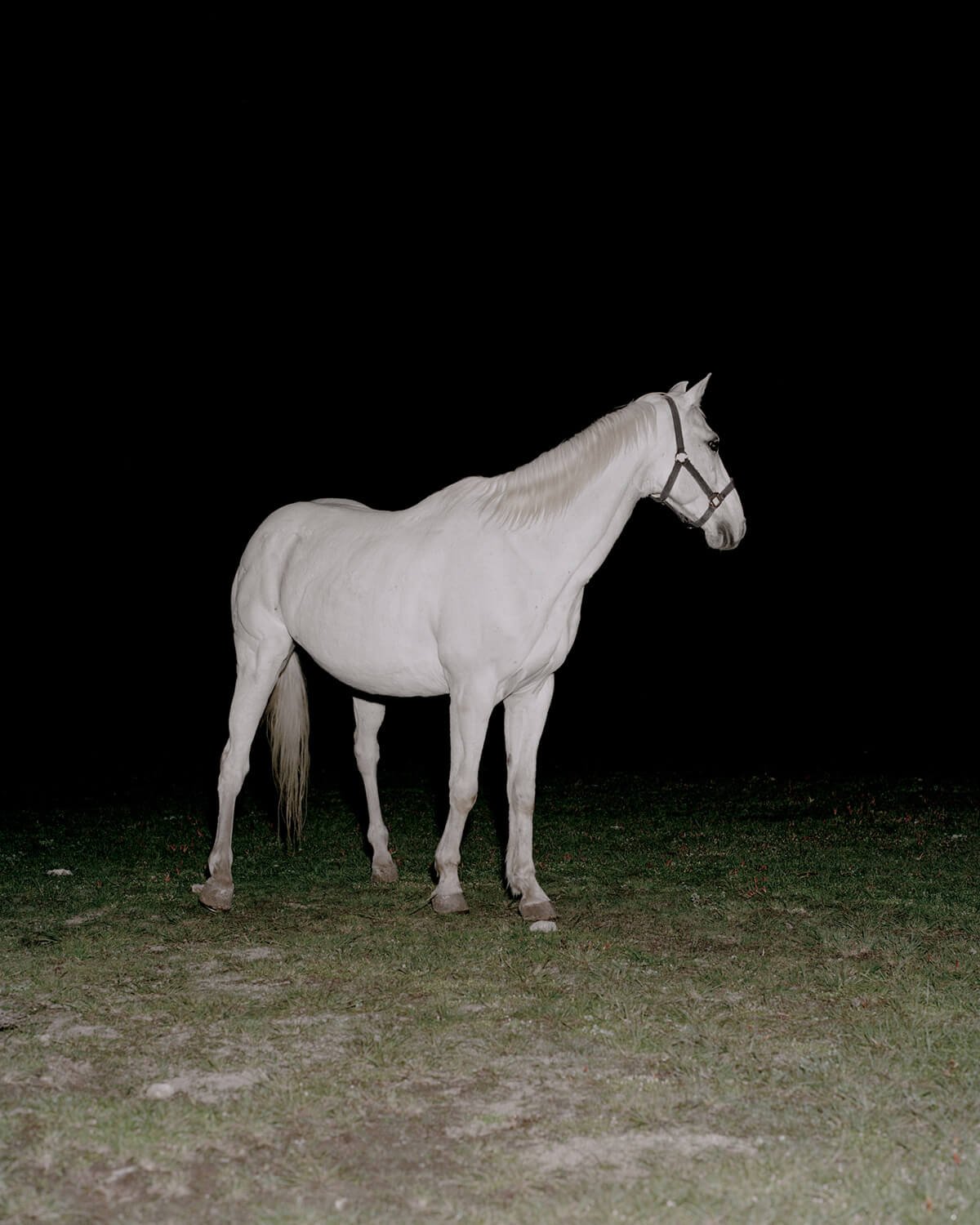
In Aztec mythology, Tonatiuh was the Sun God. The Aztec people considered him the leader of Tollan, heaven and was also known as the fifth sun because they believed that he was the sun that took over when the fourth sun was expelled from the sky. According to some accounts, when Spanish conquistador Pedro de Alvarado arrived in Mexico, he was mistaken for Tonatiuh because of his blond hair and red beard, which aided his taking over the Aztec empire and, subsequently, much of Central America including Guatemala (where he was governor), Honduras and El Salvador. Tonatiuh is a series in which photographer Juan Brenner carries out an in-depth visual study of current Guatemalan society from the perspective of miscegenation and the incalculable consequences of the Spanish conquest. Establishing Pedro de Alvarado as a central figure not only in the conquest of Guatemala, which in fact he was, but rather as a key figure in the formation of a complex, segregated and deeply troubled society, Brenner proposes a series of images that re-establish the lens through which both history and a contemporary Guatemalan can be looked at. The complete series follows the steps of de Alvarado as he made his bloody and triumphal path into Guatemala from Southern Mexico, eventually claiming power over the country and its people, in a group of images that capture the complexities of cultural hybridization and, more poignantly, the way power, hierarchical structures and inequality are instrumentally continued through time. The images in the series suggest that rather than an inevitable event in the history of Mexico and Central America, the conquest was a deliberate effort to gain territory and enslave a population –that has, under different terms, remained so– in order to uphold a power system that unsurprisingly benefits only the top of the pyramid until today.
Through Tonatiuh, Brenner aims at unravelling Lovel, Lutz and Kramer’s claim that “stigmas such as corruption and impunity, as well as intimidation and the blatant rejection of the law, all hallmarks of Guatemala to this day, have a fertile progenitor in Alvarado” as stated in their praised “Atemorizar la tierra”. With critical eye and empathy for its subjects, the photographs in the series provide not only a thorough if sometimes painful portrait of Guatemala, but also an interpretation of the consequences of the conquest and long standing colonial system. Tonatiuh is a visual essay on the state of a country on the verge of failure and its incapacity to address its own history and learn from it.