Fake bird clown
by Gareth I. Davies


«We need to open up the human sensorium to other forms of intelligence and perception, to recognize our entanglement with creatures and machines, to look around, askew. This opening needs to involve our recognition of the human capacity for telling stories, having visions and dreaming dreams». Zylinska. J, The Perception Machine
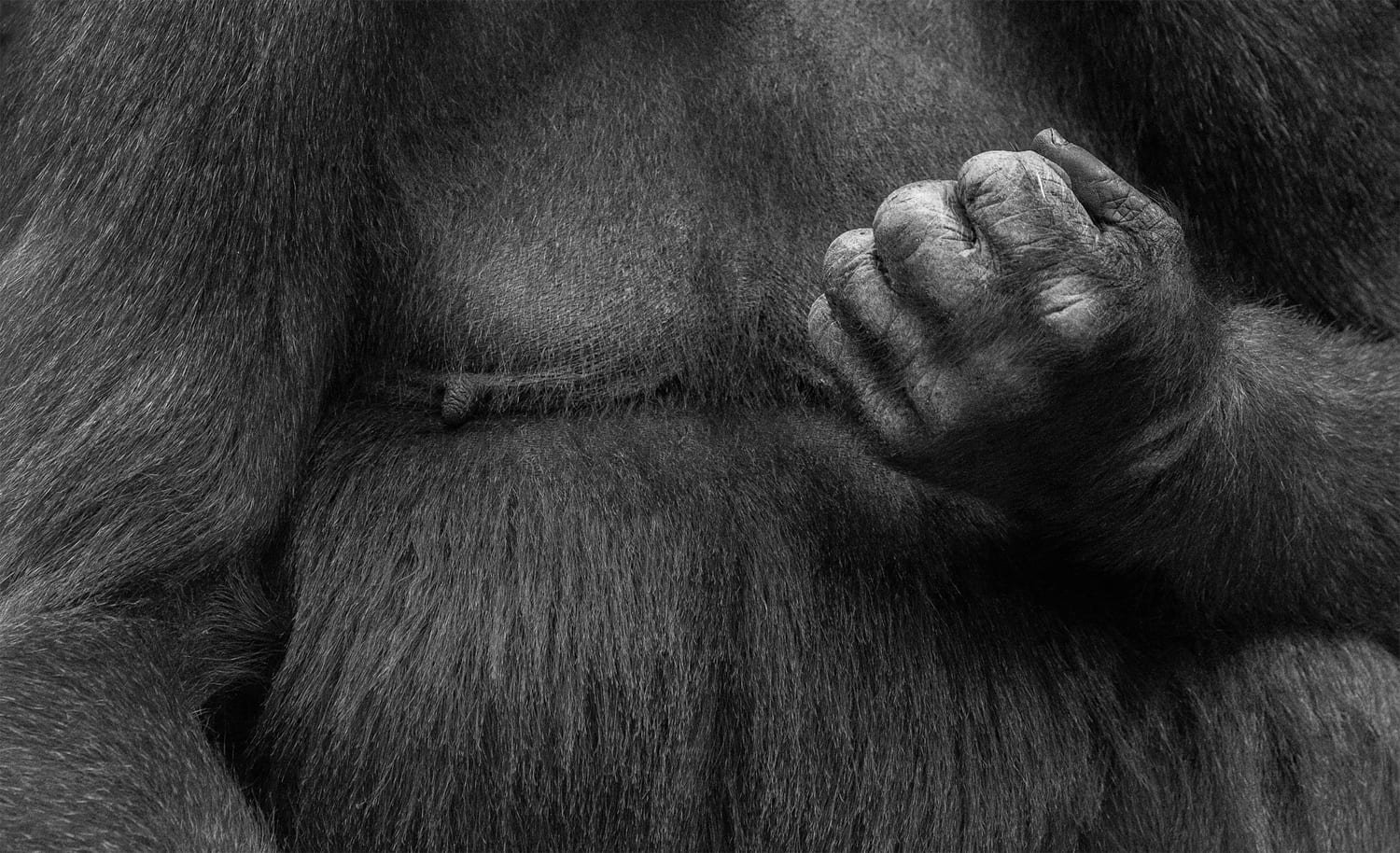
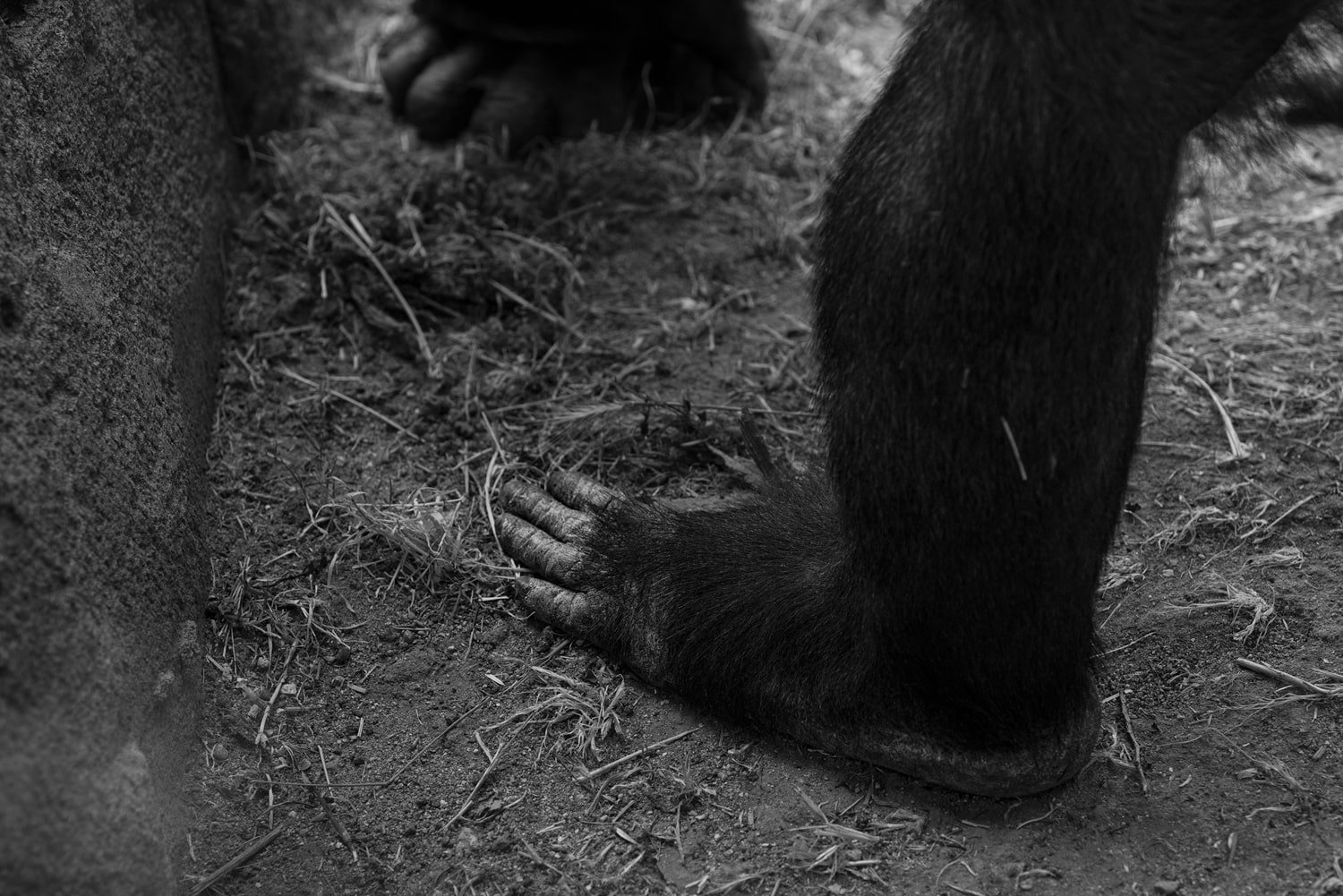
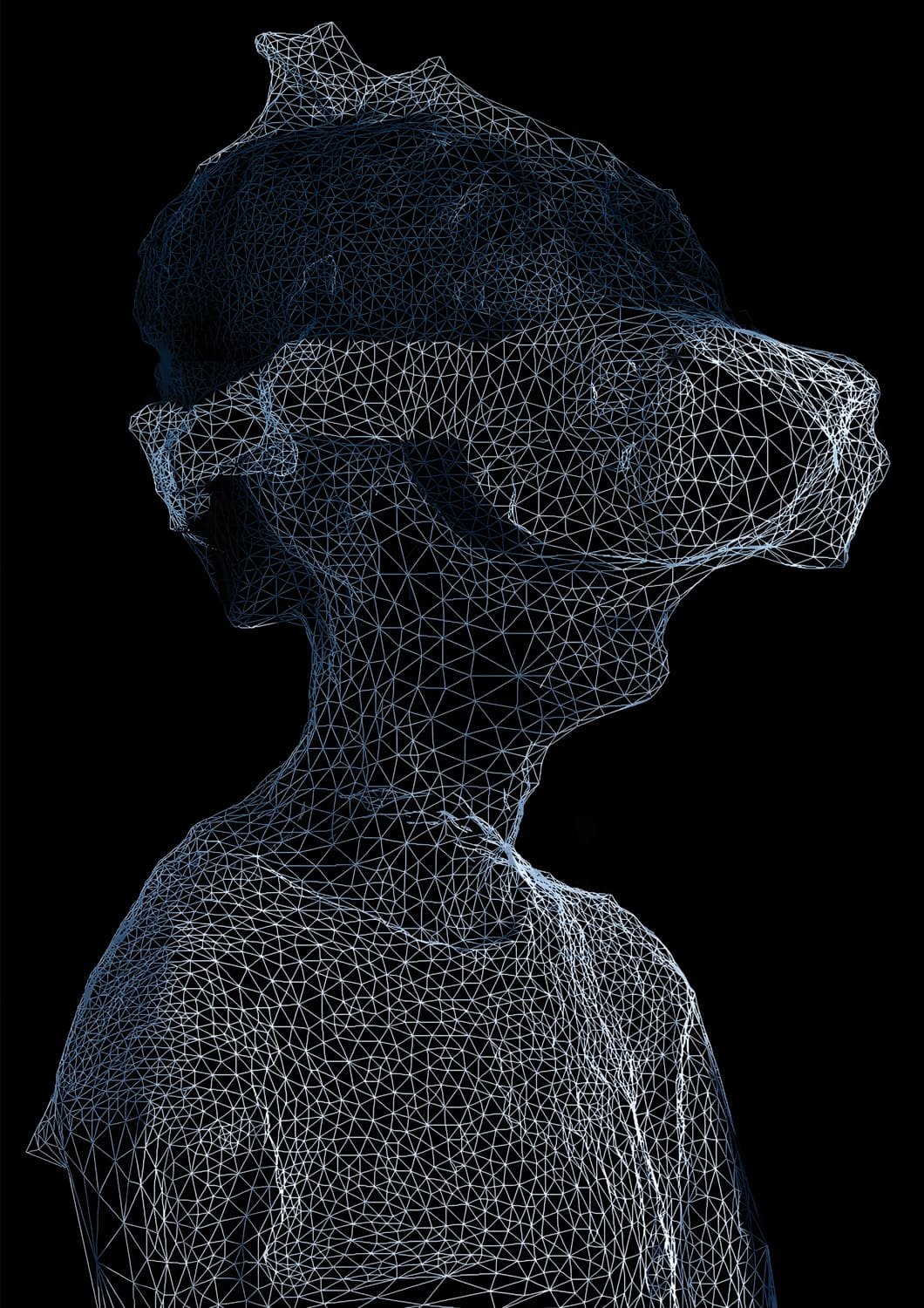
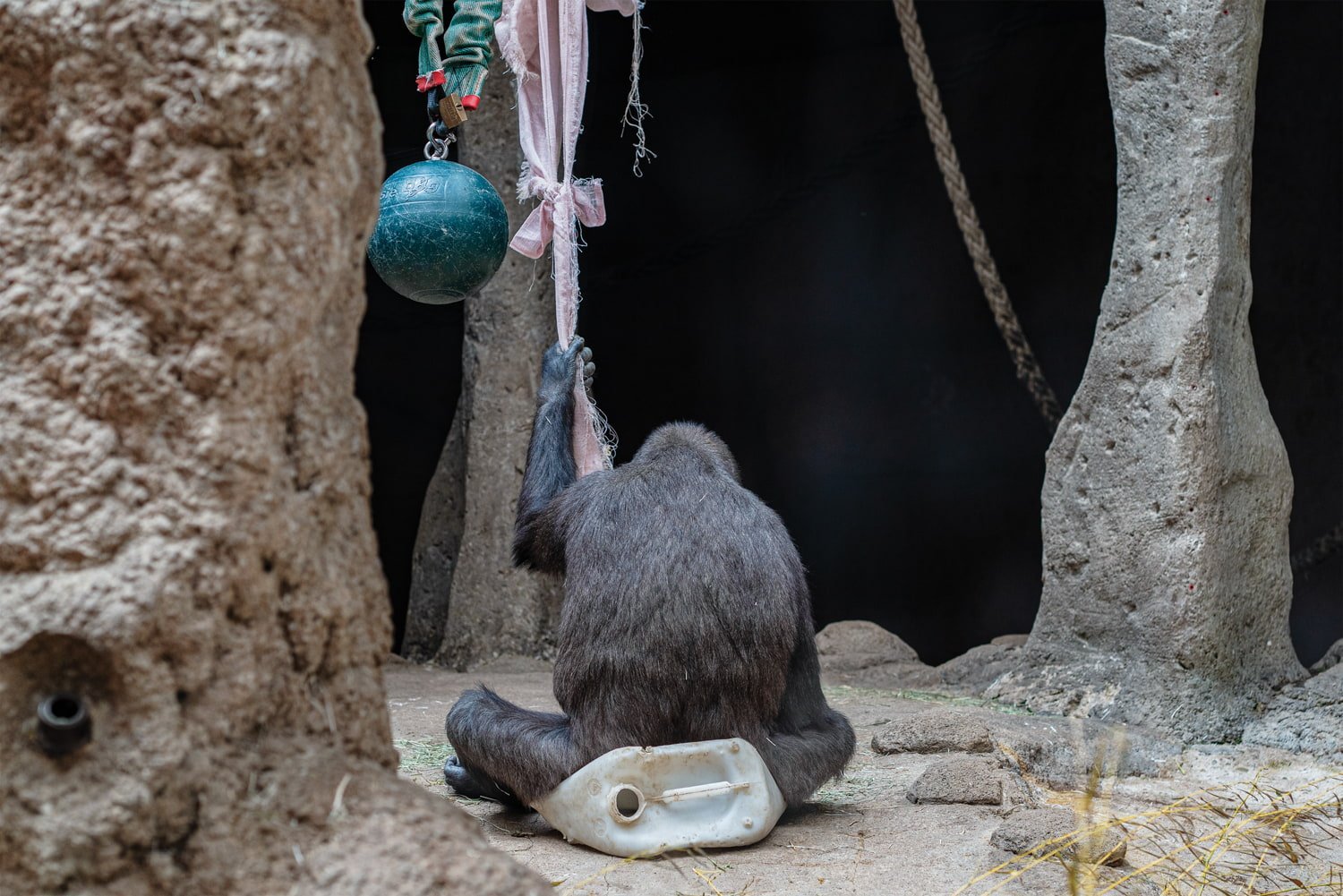
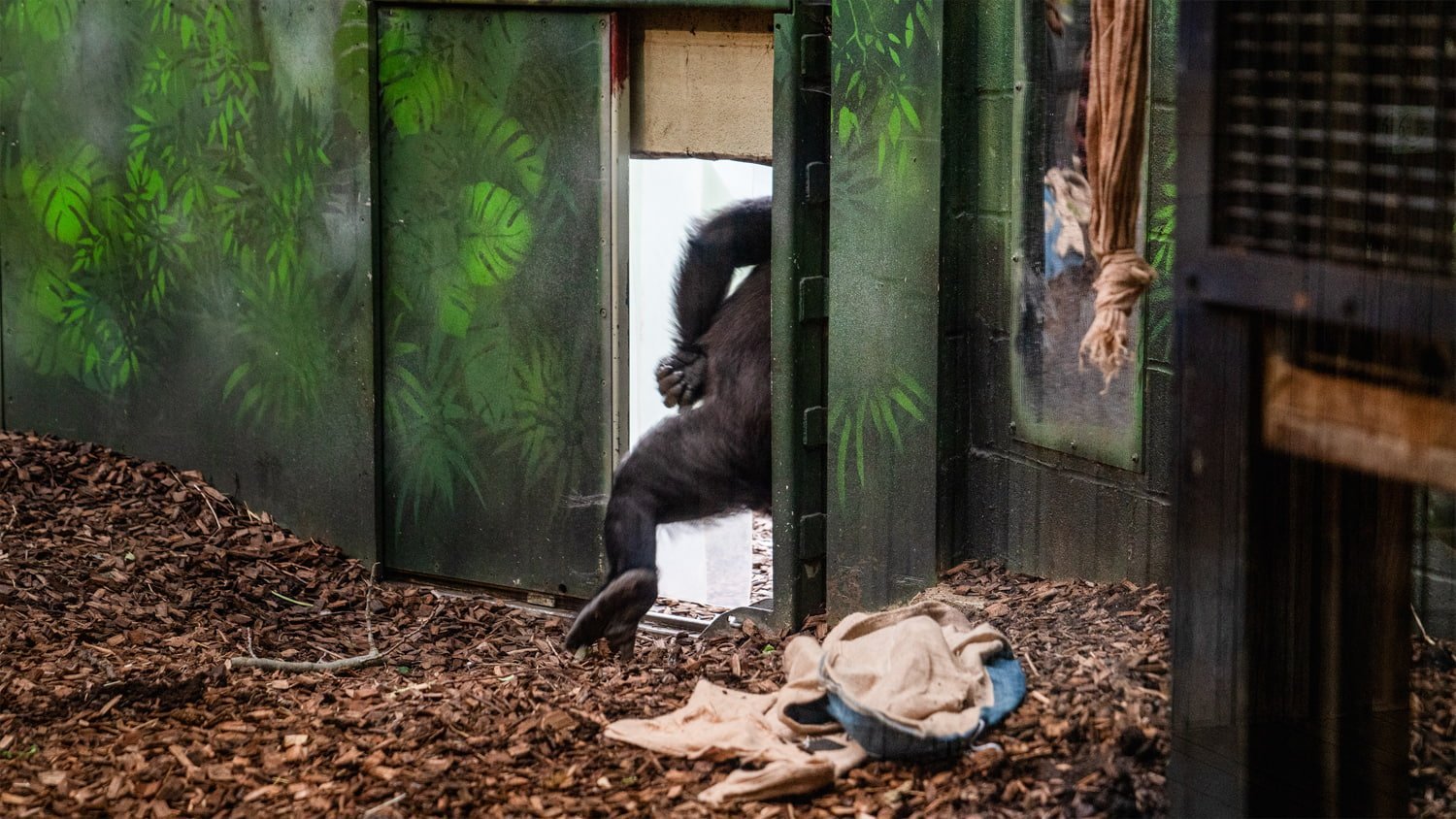
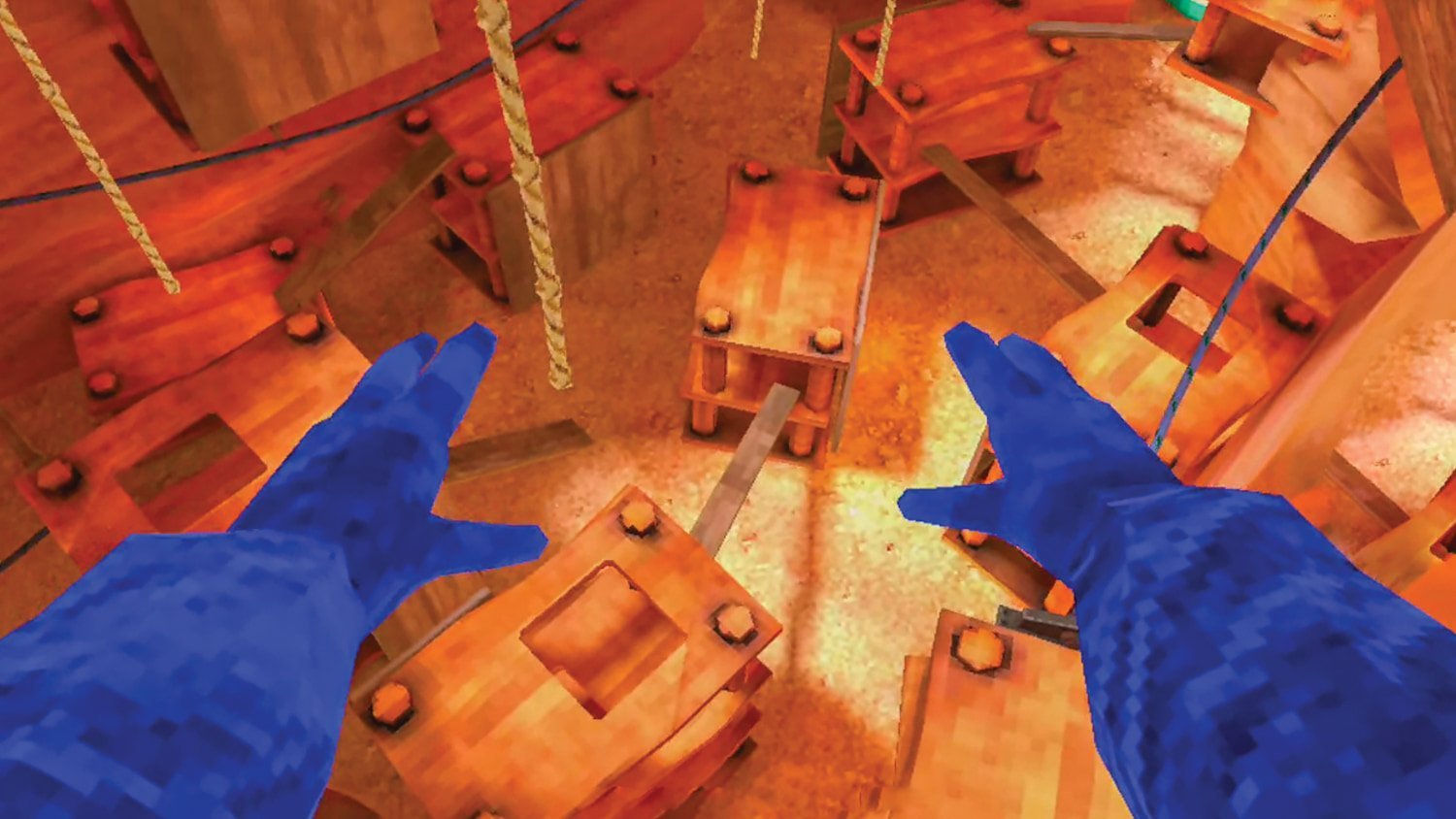
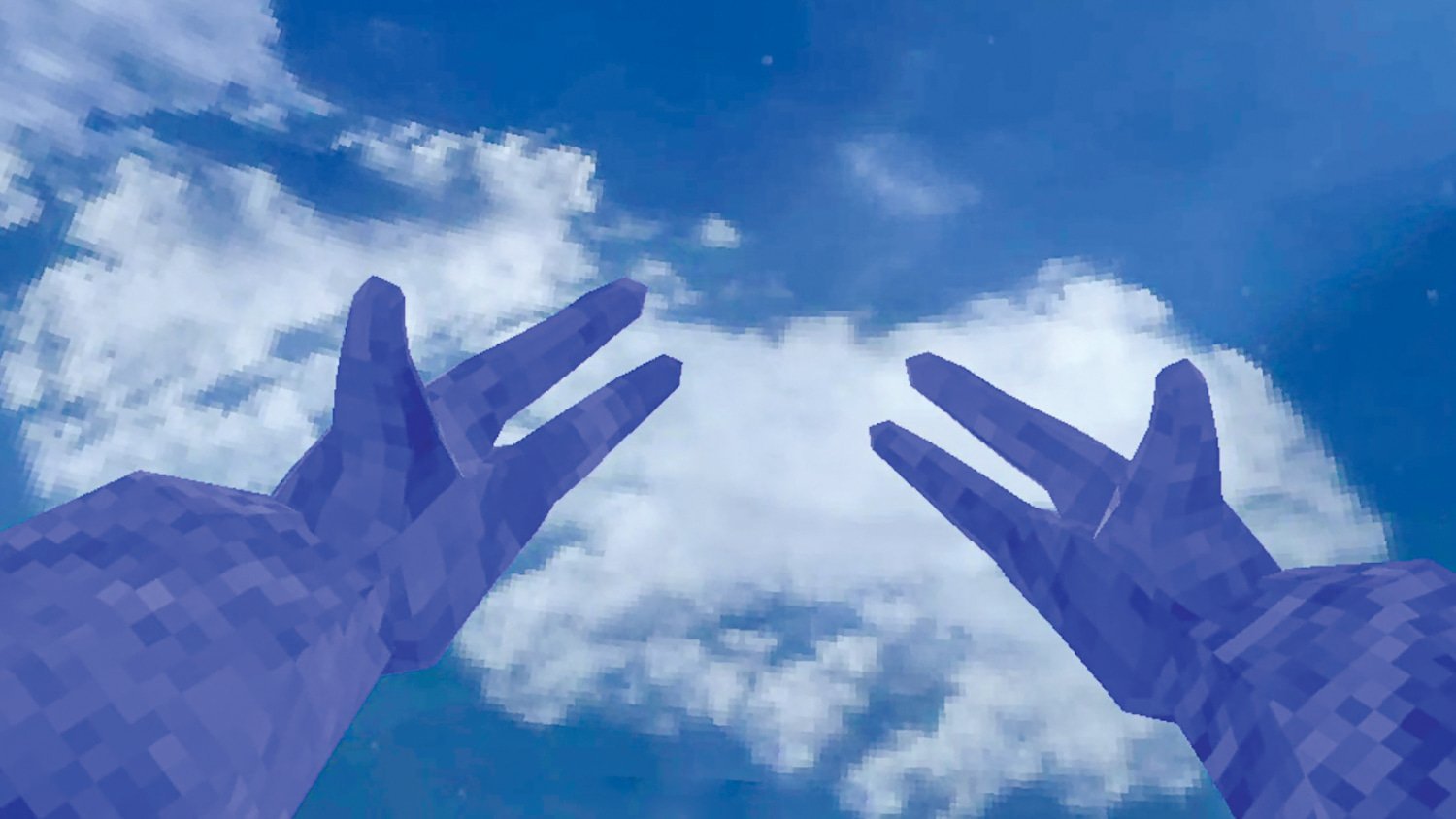
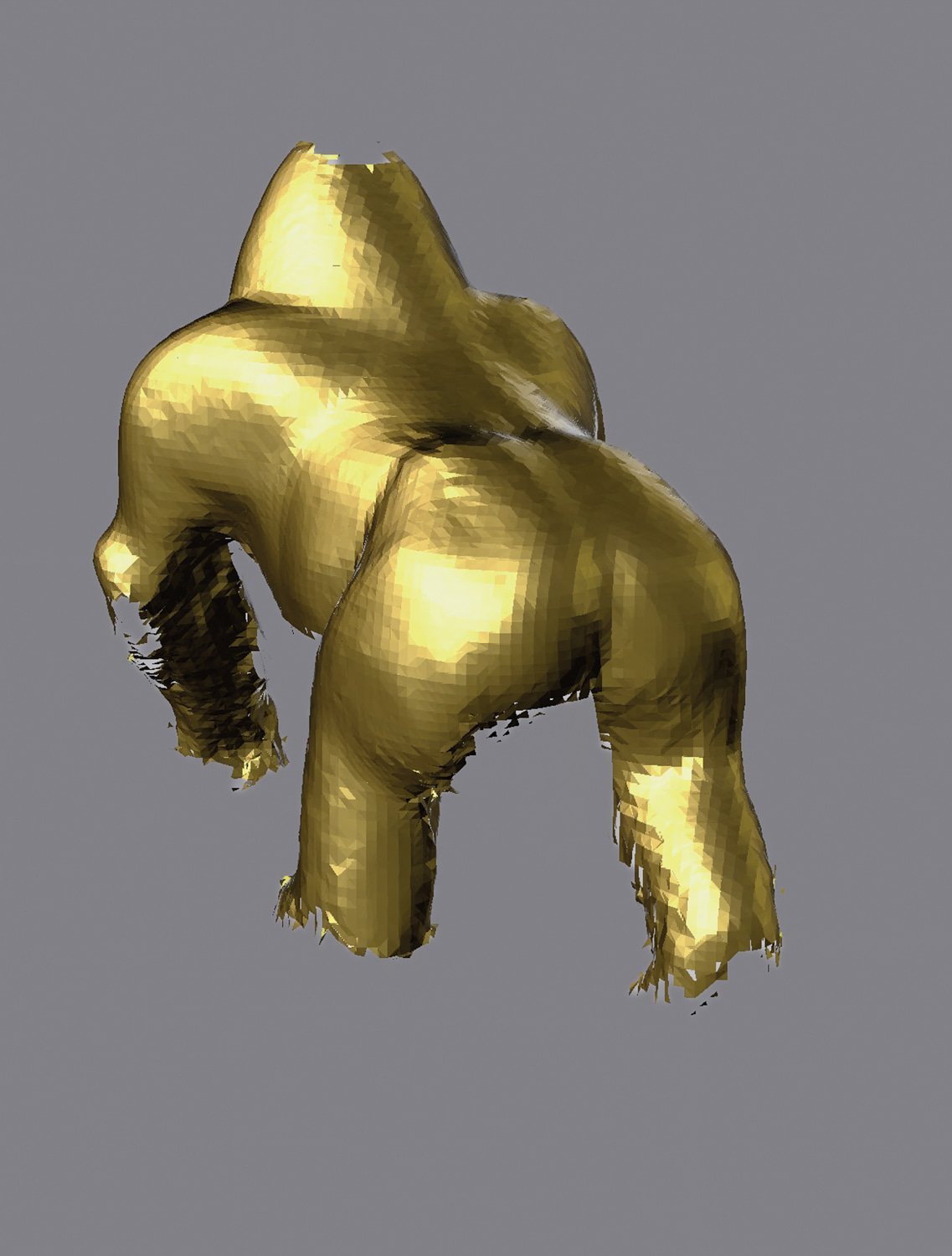
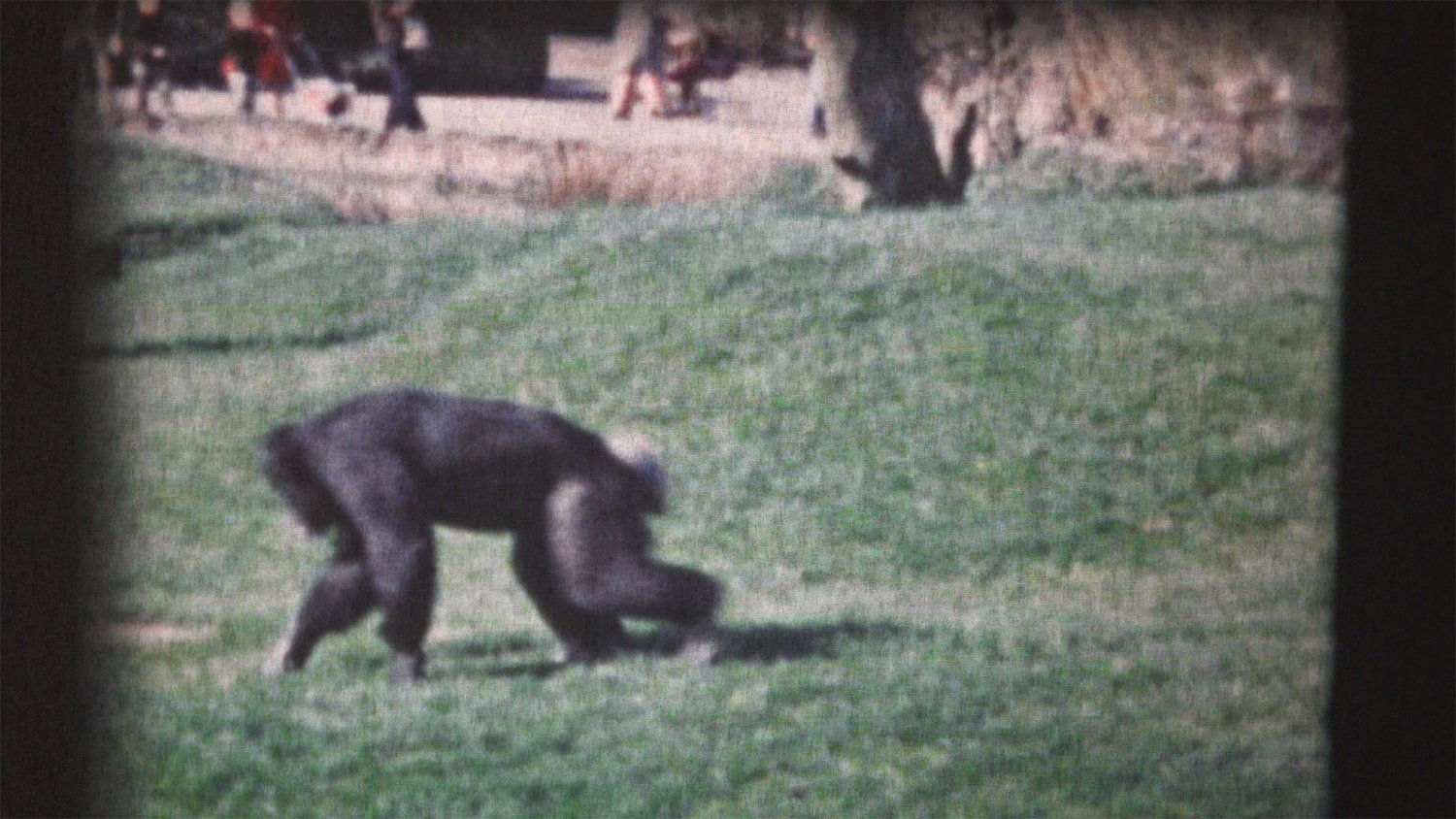
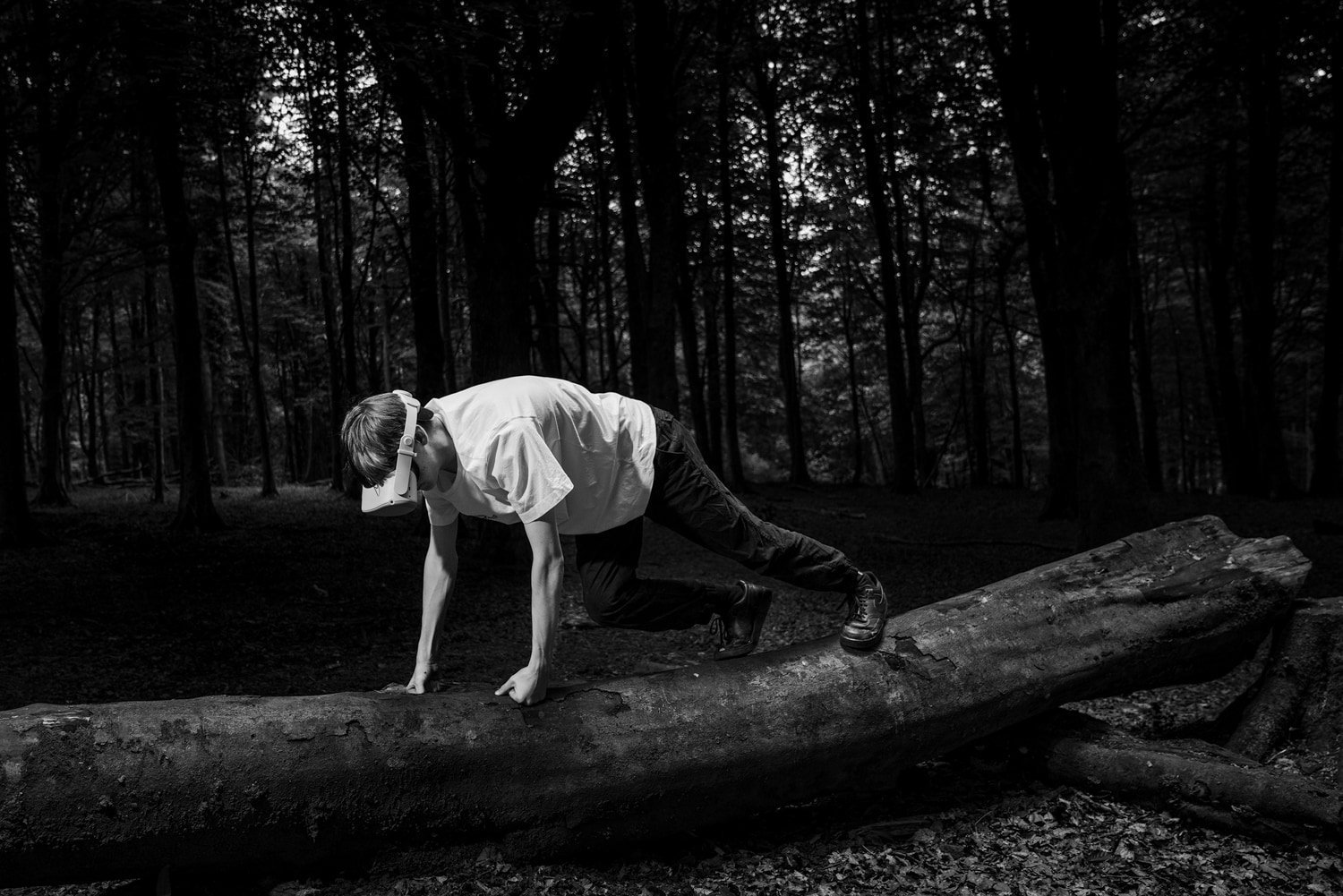
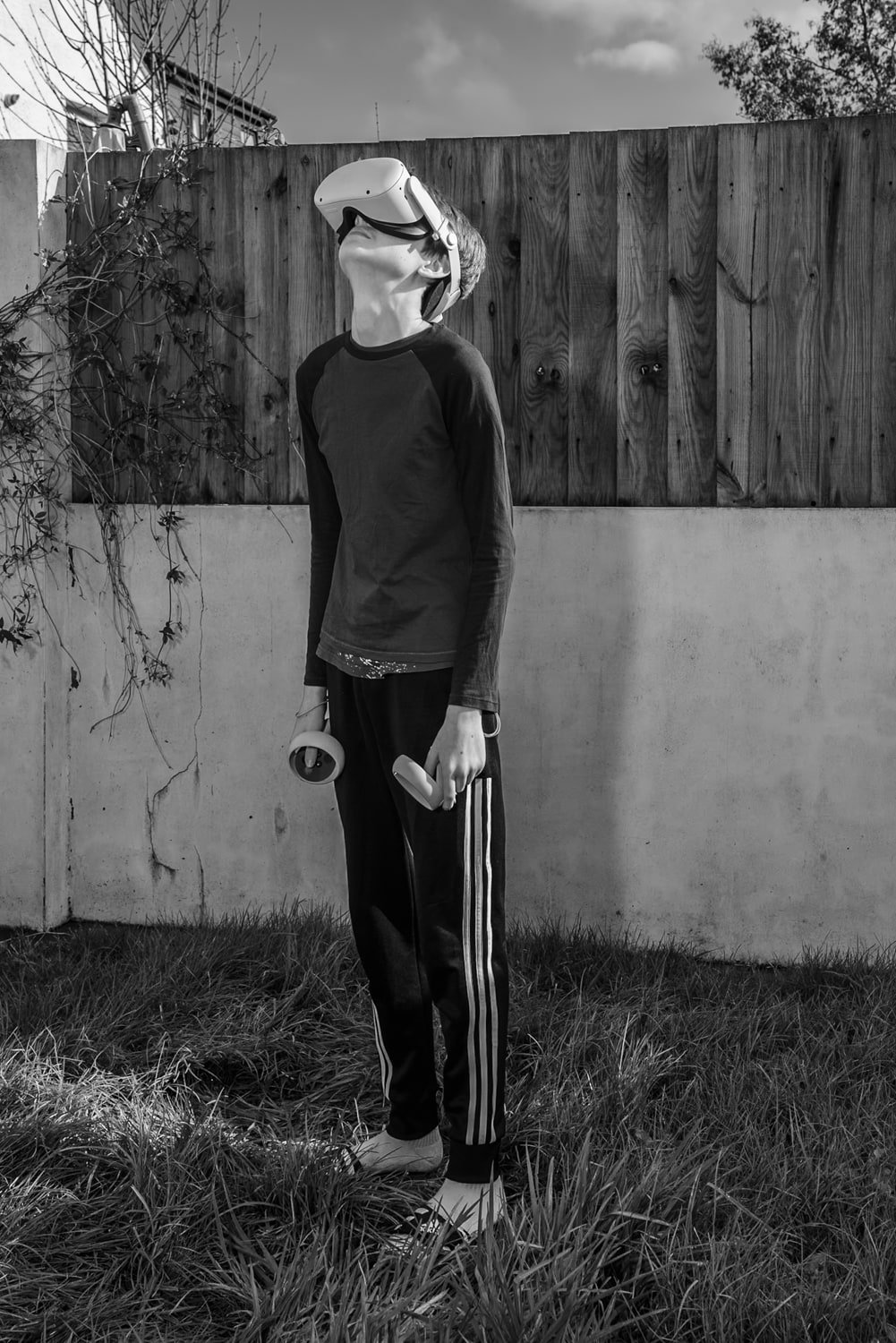
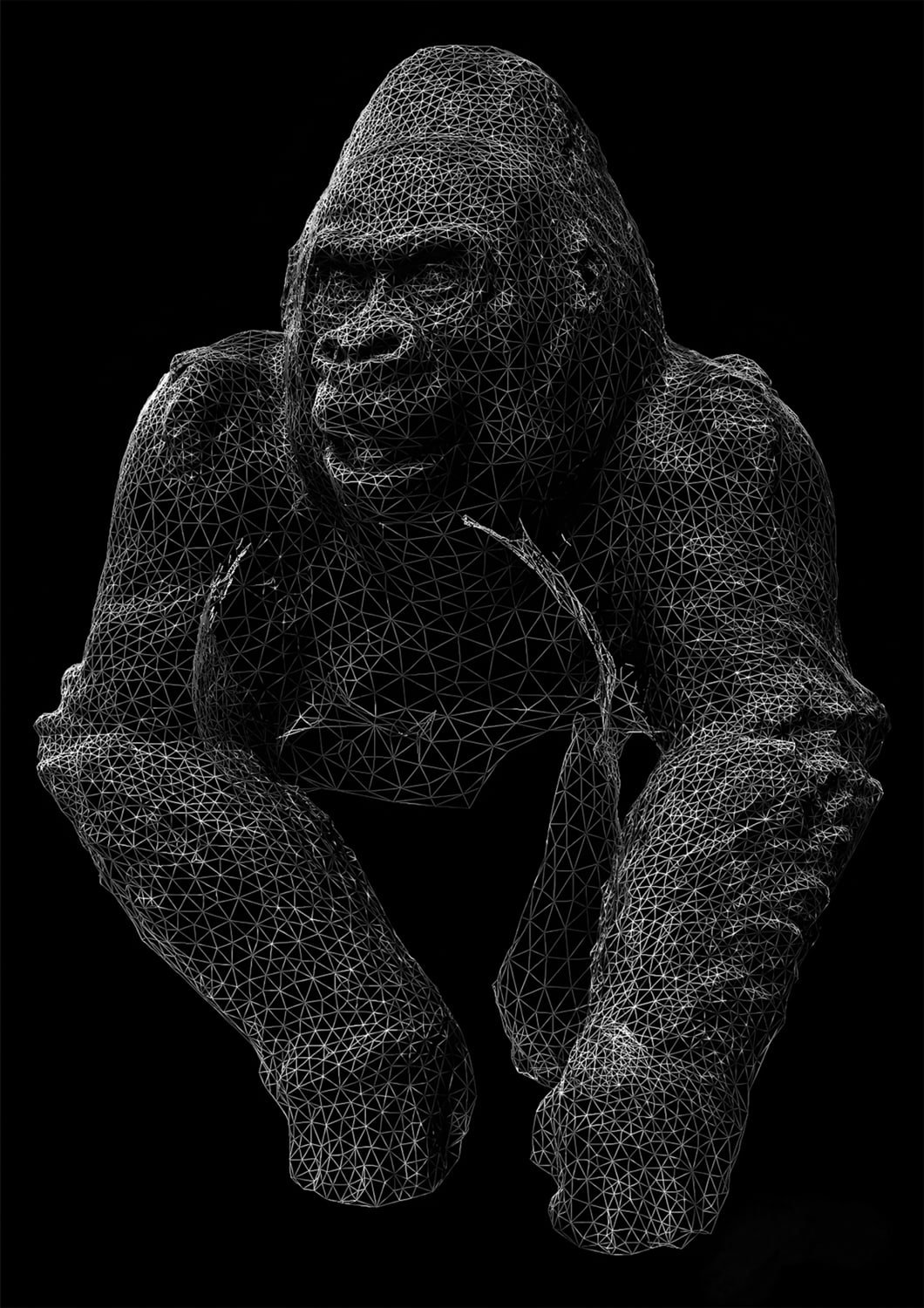
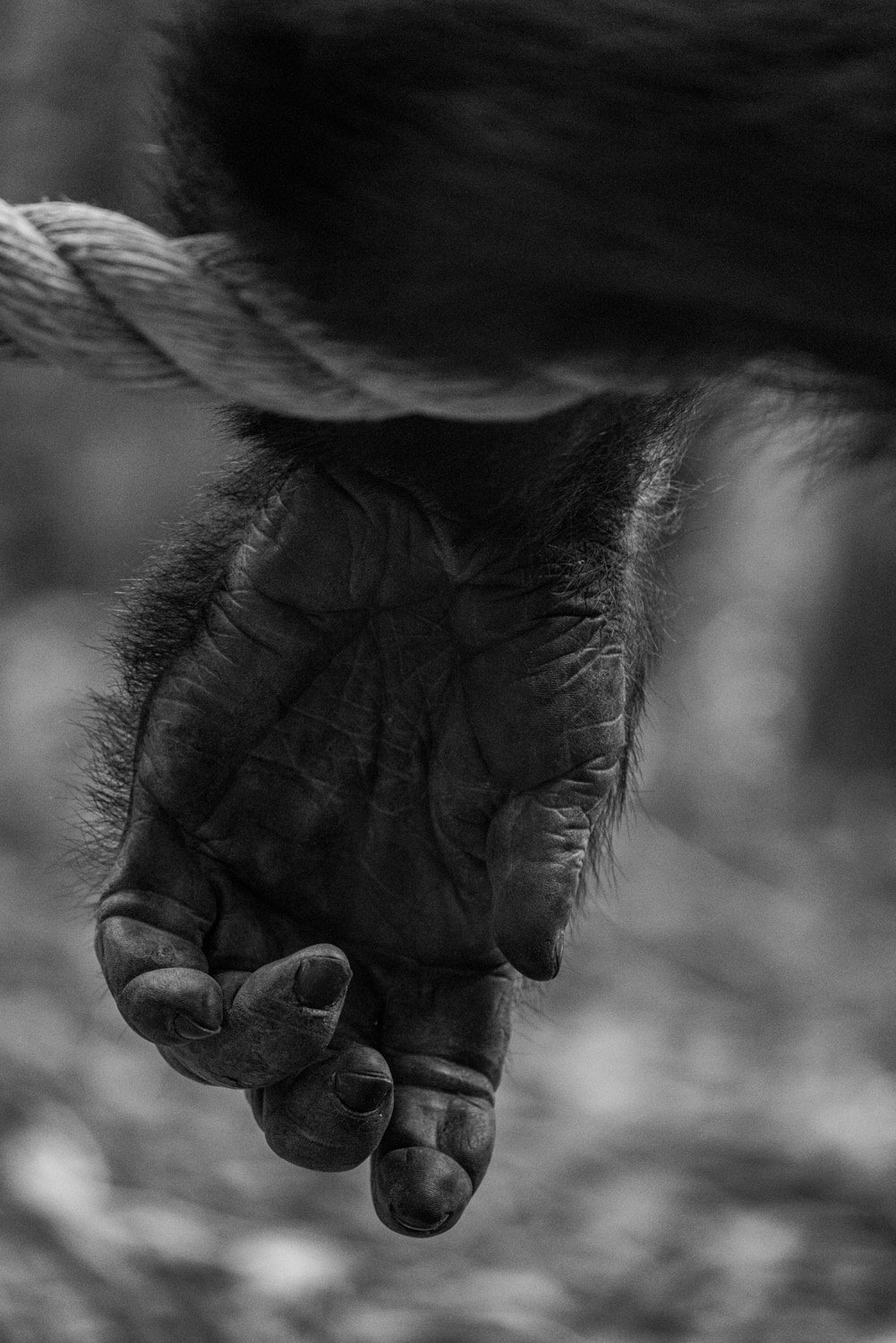
Fake bird clown is a fictional story that explores the ecological tensions between non-human creatures and humans in the contexts of culture, science, and tourism. The project uses a mixture of analogue, and synthetic images, with the utility of machine learning generative software to give voice and agency to a non-human species, a gorilla, that question the dominion of a human-centred planet.
The narrative examines whether humankind’s technological ambition brings species together, or pushes them apart, to the detriment of all life on earth. Sharing a genome sequence of 98.3% with humans, gorillas are our closest biological relative, and classified as critically endangered, with populations declining because of human activities such as deforestation, poaching, and bushmeat consumption.
The title Fake bird clown refers to a sign language exchange between a gorilla named Koko and her caregiver. Koko identified a photograph of a bird as a picture of herself as a bird and not a gorilla. Koko appeared to use irony, suggesting that communicating using human-centred methods may prevent us from fully understanding the minds of other species.
The project invites us to question our anthropic entanglement with the Gorilla and our ethical perceptions of a more-than-human world. It offers a multi-layered and playful journey that weaves between real-world engagement and virtual gaming spaces. It reveals the ecological and technological vulnerabilities between species, and the challenges we face in finding a common ground of equitable understanding in which the non-human need not suffer.
Might we as a species improve the way we live on this planet if we listen to other forms of sentient beings? As James Bridle notes in his book “Ways of Being”, humankind’s challenge is to acknowledge all multiple forms of intelligence through mutual entanglement that manifests new associations. We need an awareness of other systems of communication and interaction beyond our present-day human-centered encounters.