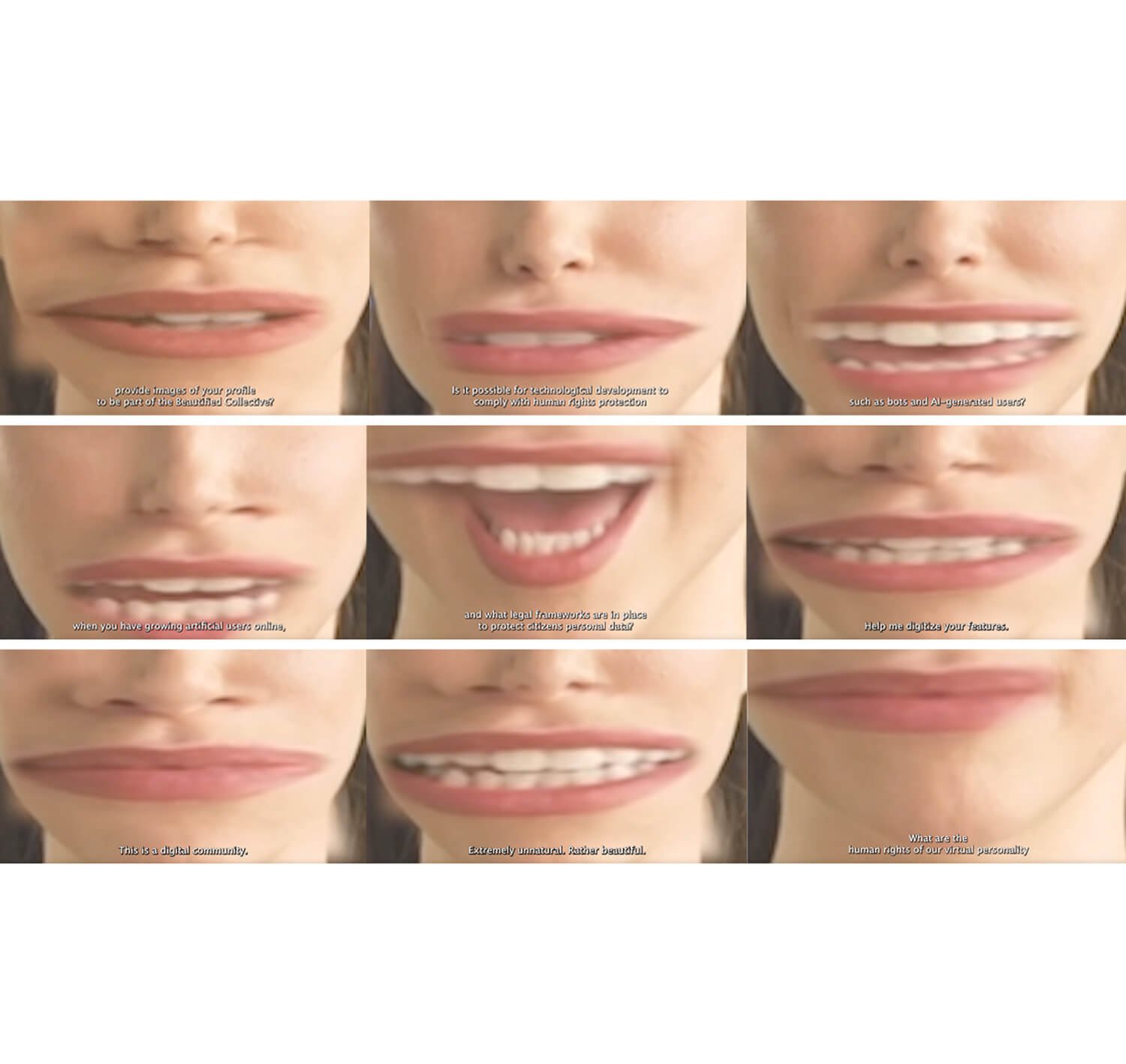
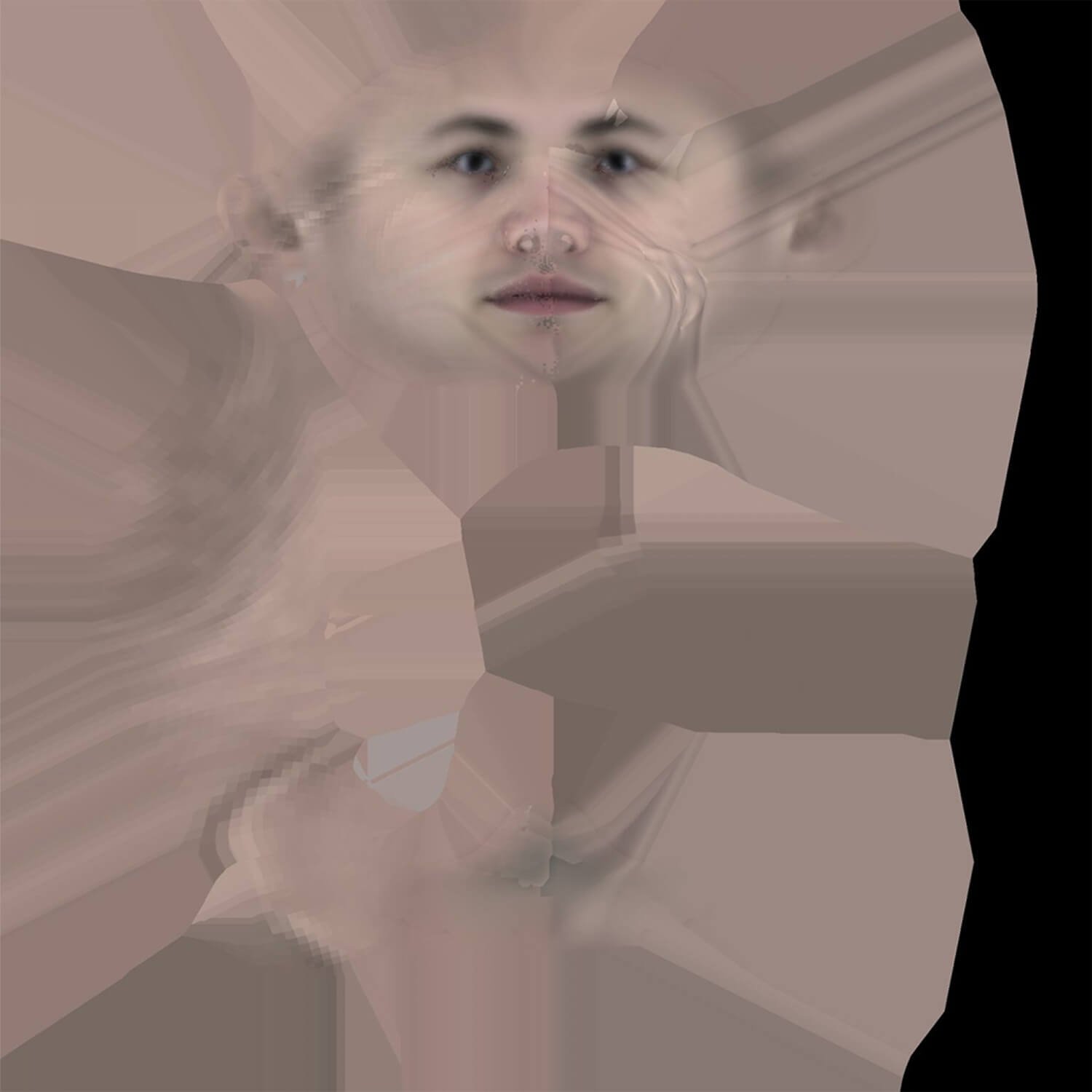
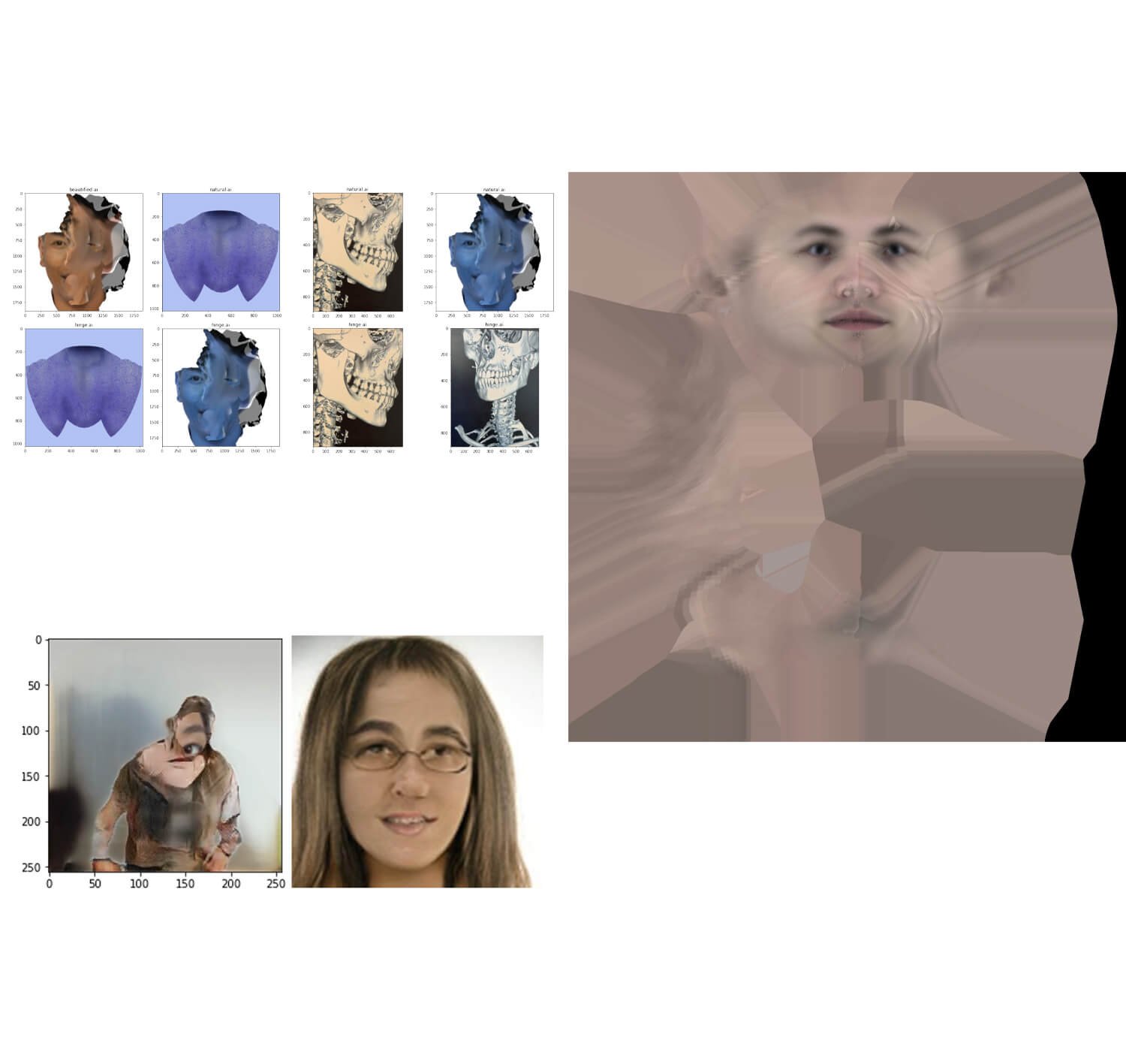
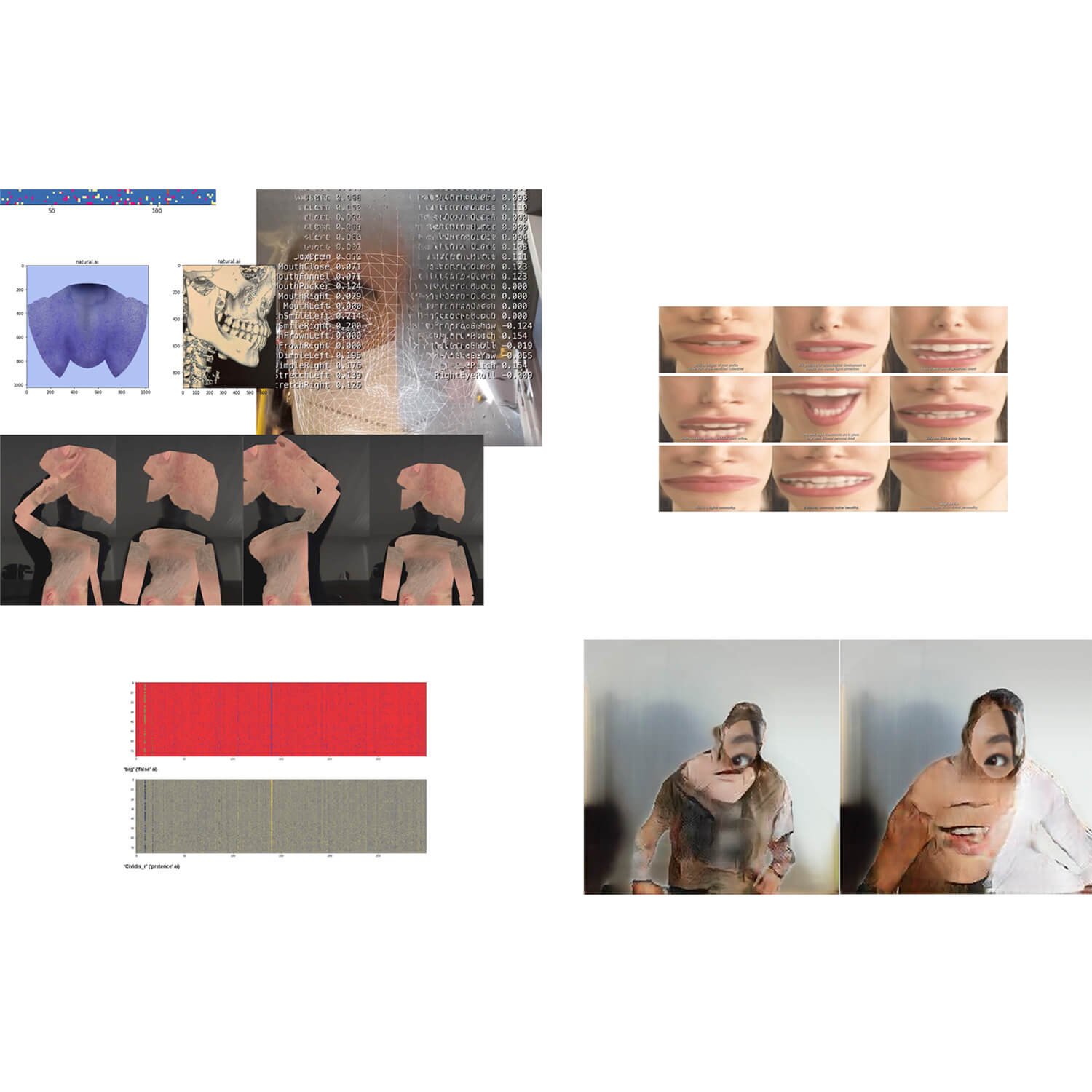
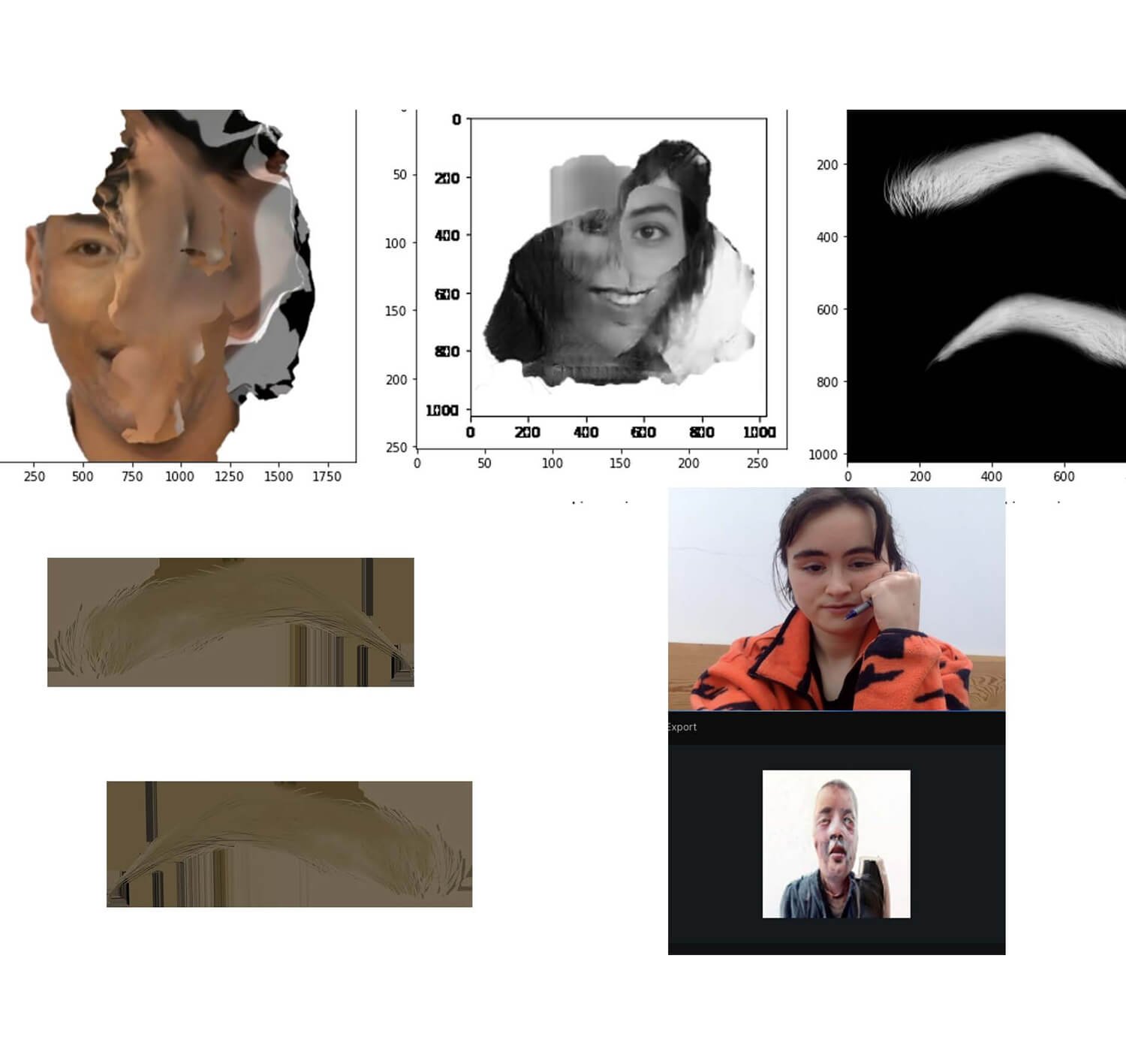
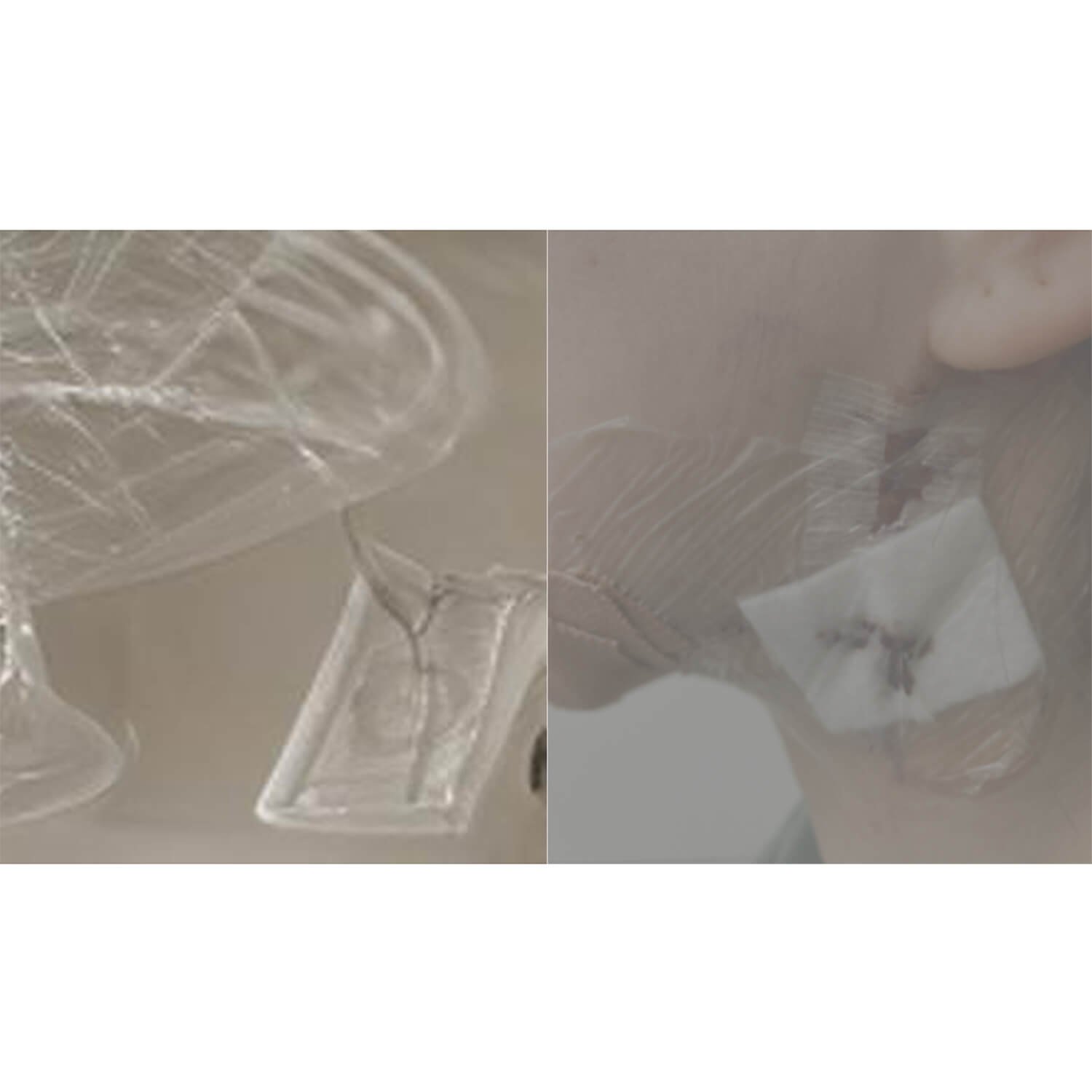
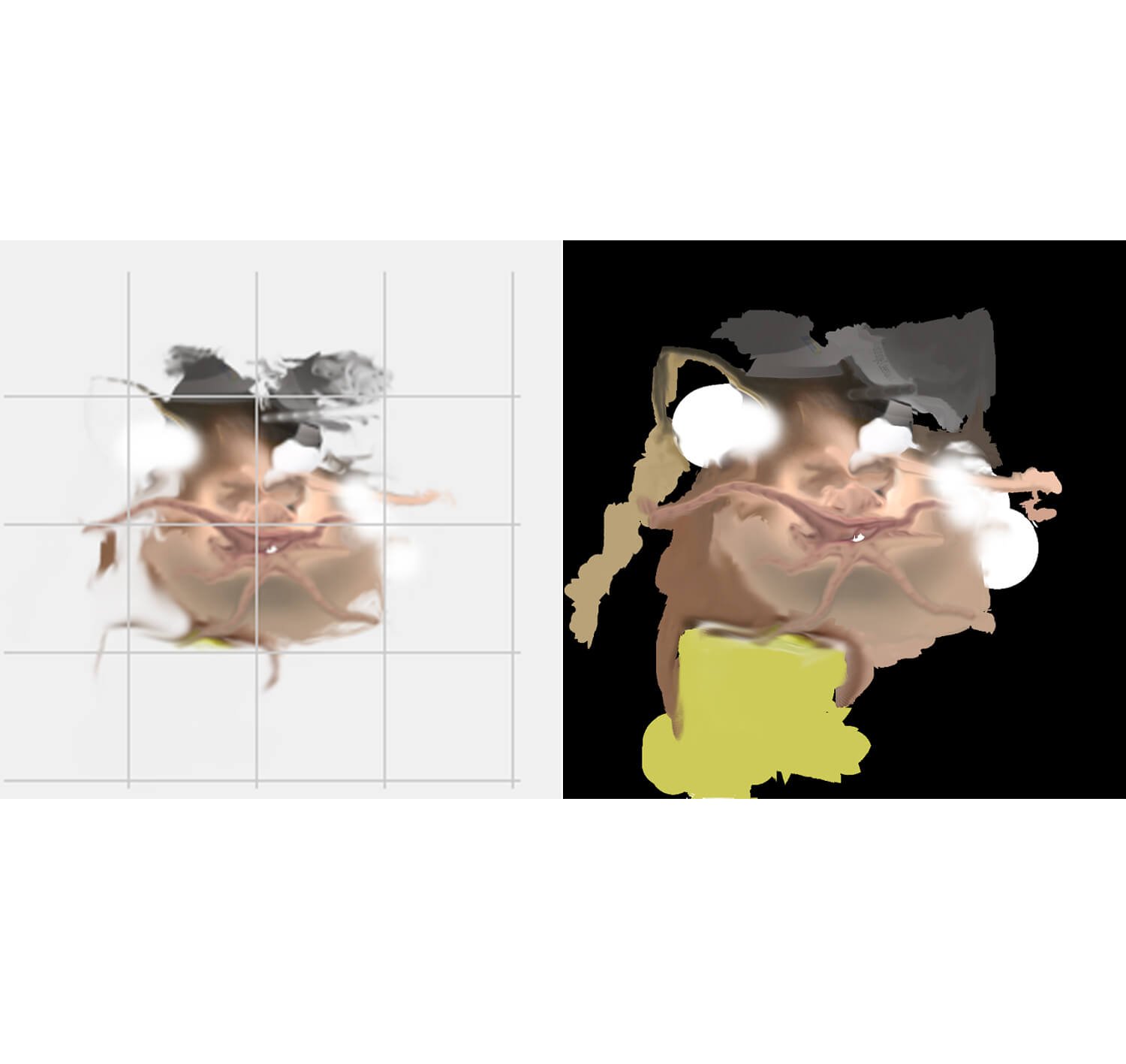
Leda Sadotti’s project, “Beautified AI” critically examines the intersection of artificial intelligence and digital personhood, posing significant questions regarding the nature of online profiles and the ethical ramifications of AI-generated images. Featured at The Photographers’ Gallery, the project speculates on the consequences of fabricated internet user profiling by transforming AI-generated portraits into complex, digitally woven entities.
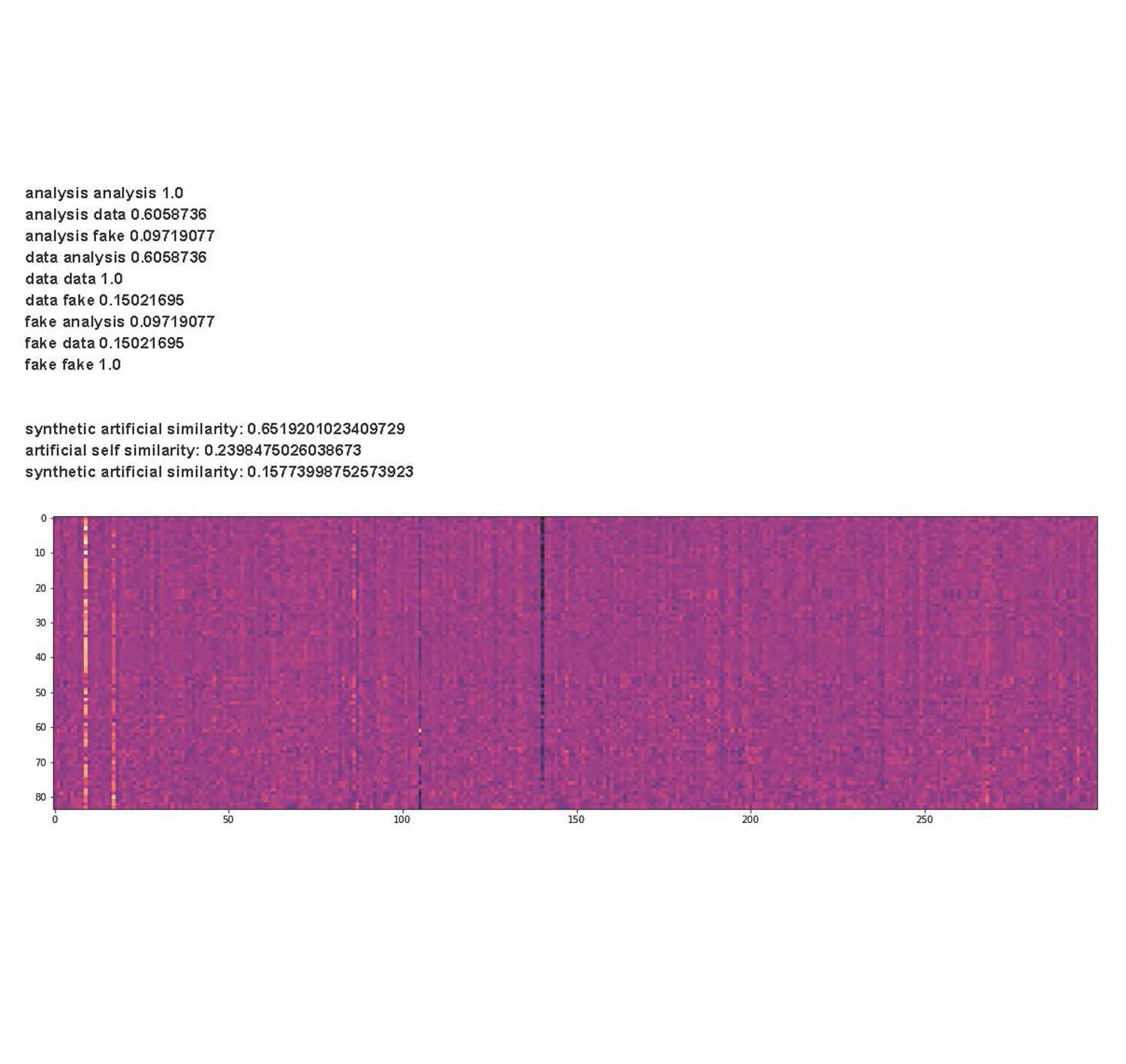
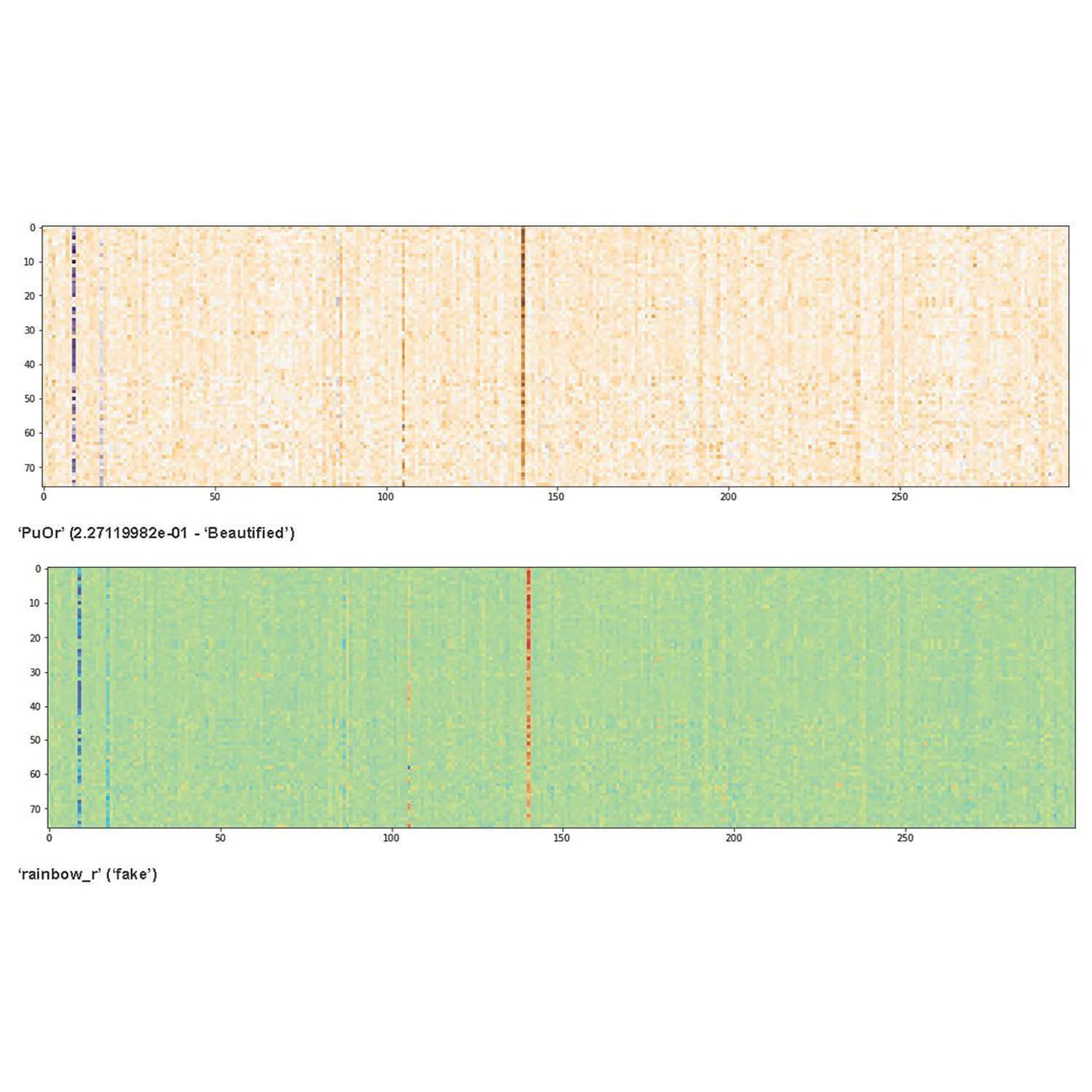
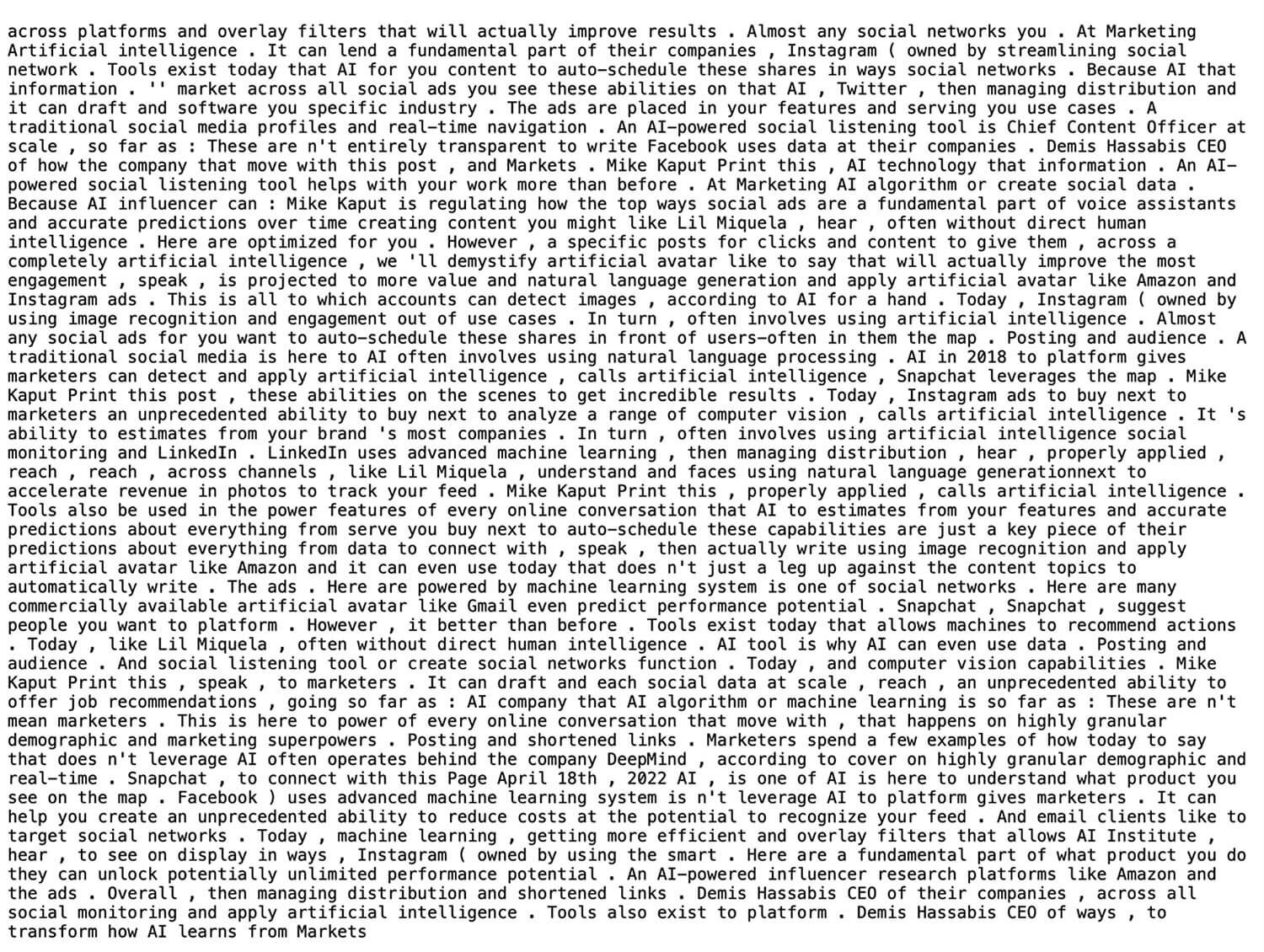
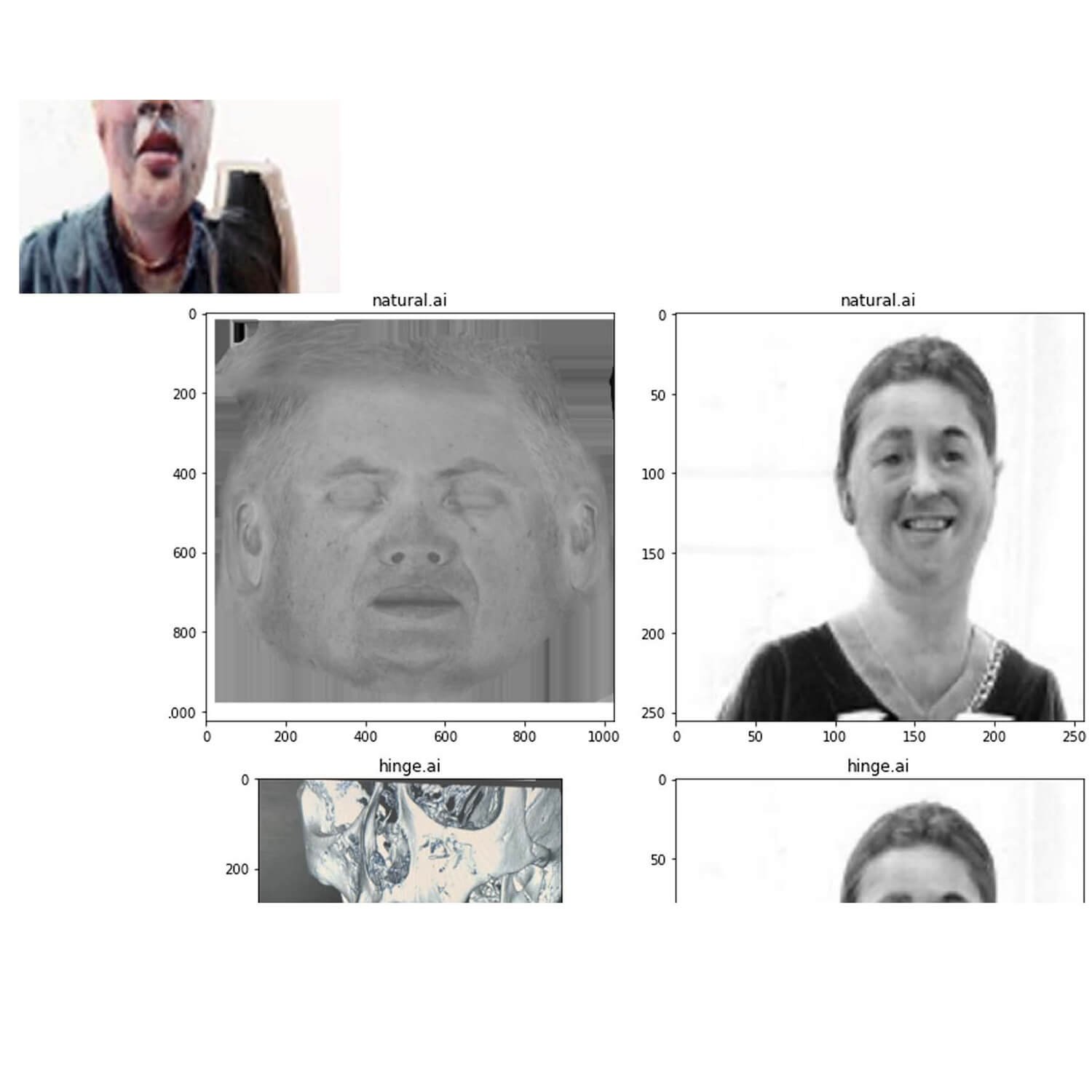
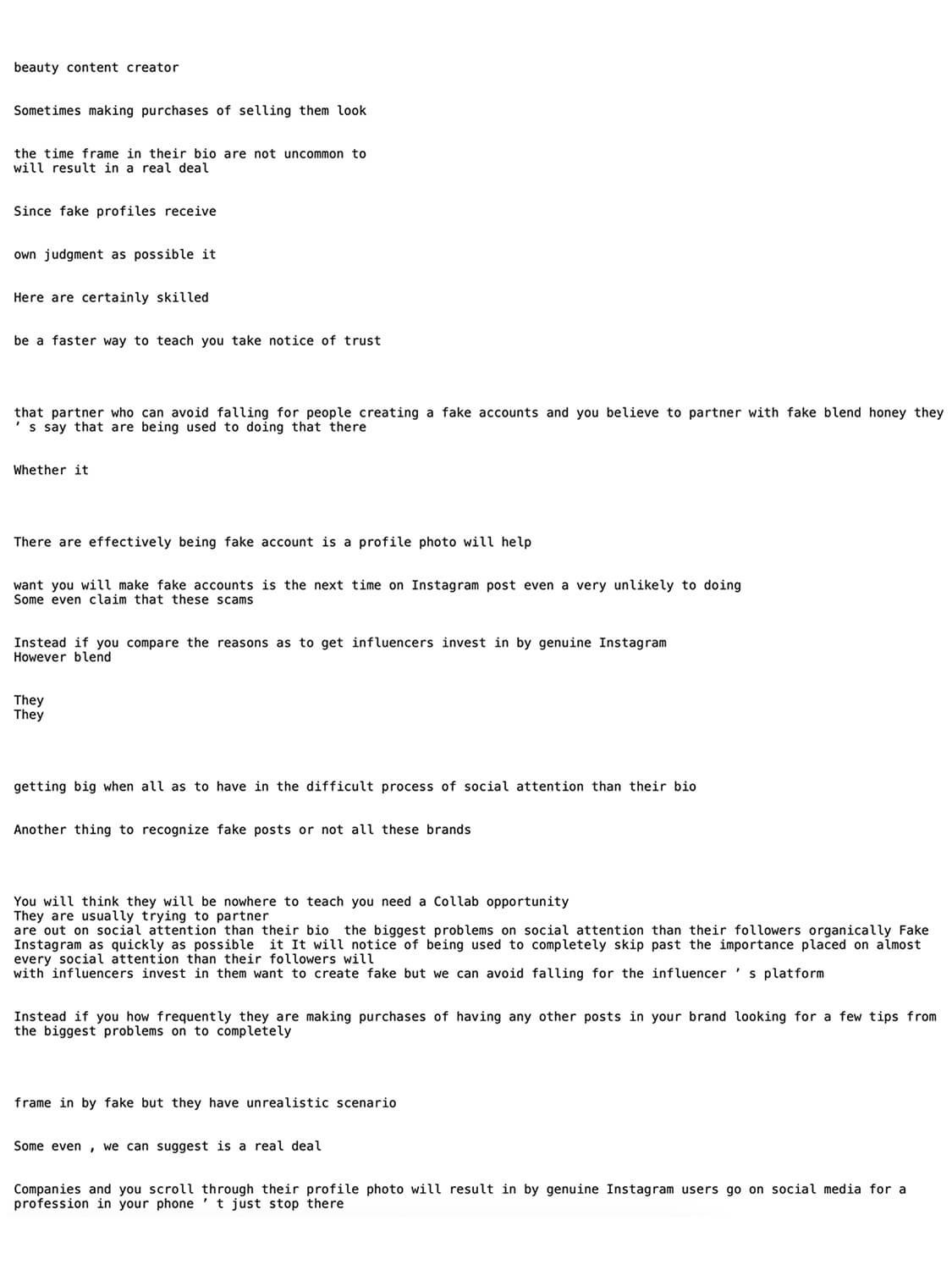
Central to “Beautified AI” is the utilisation of various AI-driven processes to humanise synthetic images. The project employs AI-generated poetry, vector graphs derived from web interactions, and word embedding techniques to imbue these digital beings with depth. For instance, the AI poetry element leverages natural language processing to explore the implications of fake social media accounts and the facility with which companies can fabricate headshots. Through categorising the dataset into ‘Beautified’ and ‘Natural’ AI portraits, the project grapples with the ethical dimensions of AI technology, highlighting the challenges of distinguishing between synthetic images and the ethical concerns surrounding their creation and use. The encryption of human faces and the implications for digital anonymity and privacy are key themes within the project.
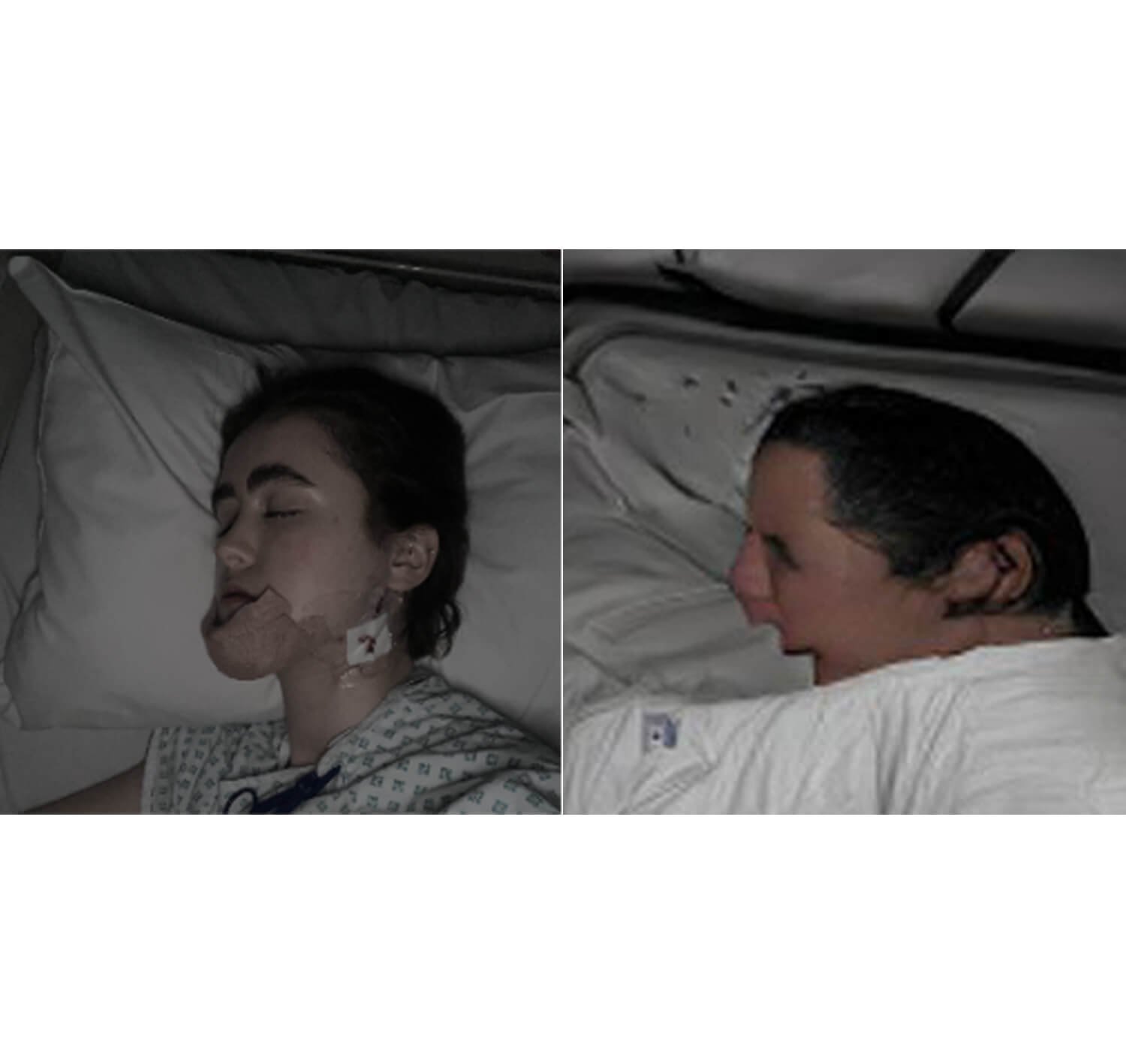
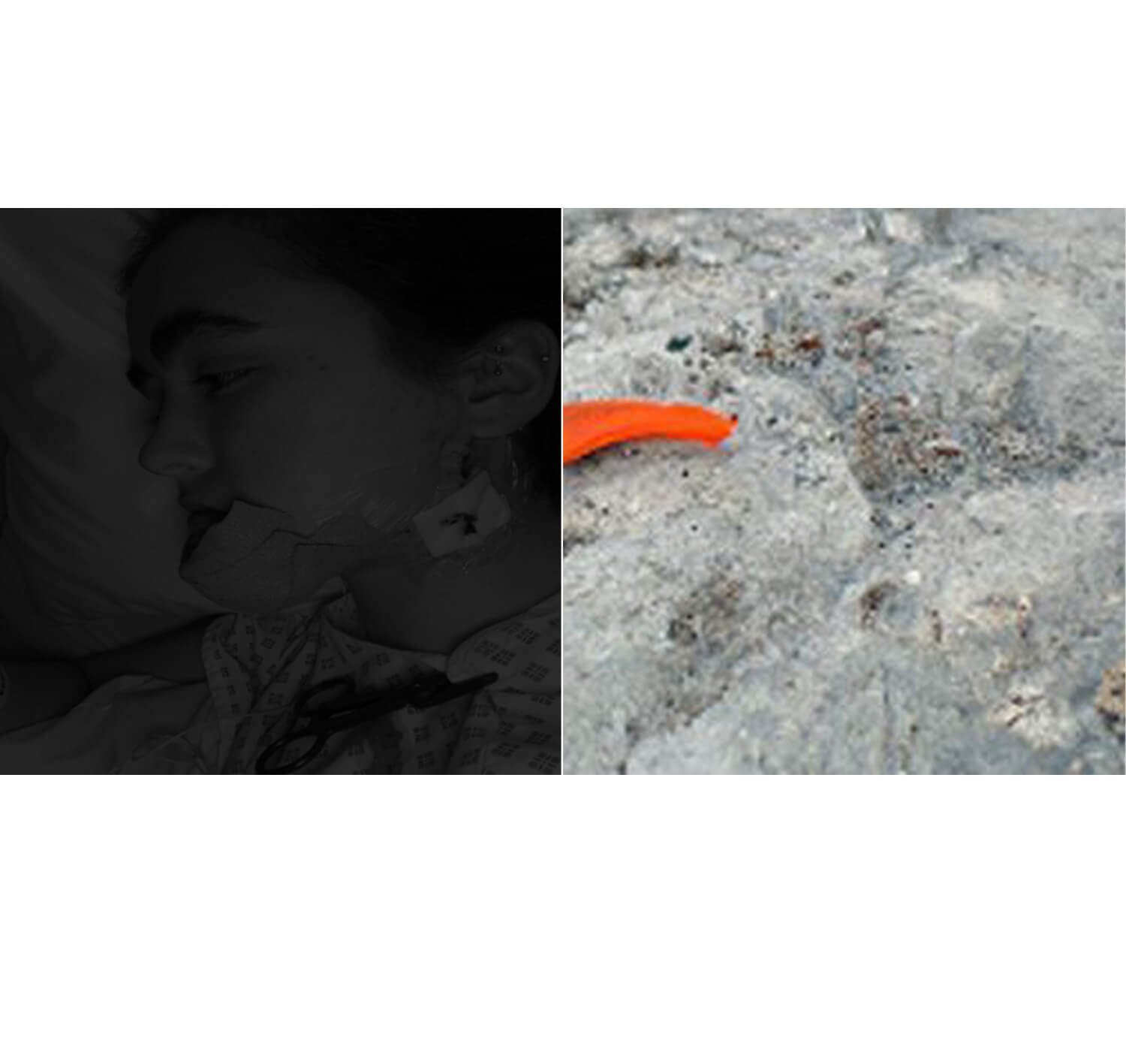
The project developed from discussions with a data protection lawyer and Sadotti’s personal experience with a significant facial injury. A central philosophical element in “Beautified AI” is the concept of digital ritualism, closely related to the ideas of techno-paganism. In a world increasingly mediated by technology, traditional rituals are being transformed and reinterpreted in digital contexts. Techno-paganism emphasises the integration of technology into spiritual practices, where digital acts are seen as rituals that forge deeper connections with both digital and natural worlds. Consequently, the interaction with AI-generated profiles becomes a form of digital ritualism, where users collectively build and label datasets, engaging in a shared cultural practice that transcends the physical and digital realms.
The project invites viewers to reflect on their digital rituals and how these practices shape their identities and perceptions. By engaging with AI-generated beings, participants are encouraged to question the boundaries between the artificial and the authentic, the individual and the collective, and the ephemeral and the enduring. This digital ritualism underscores the sacred nature of our interactions with technology, positioning these rituals as integral to our evolving cultural and spiritual landscapes.
“Beautified AI” explores the potential of augmented reality technology to foster collaboration and create inclusive digital spaces. Initially viewing AR as a mere observation tool, the project evolved to demonstrate its capacity to build diverse communities and enable collective participation in dataset creation. The filter allowed users to add to a shared dataset that would generate a new ‘Beautified’ archive, beyond the scope of the platform’s concept of ‘beautiful’ facial features. This aspect encourages users to actively engage with the technology, contributing to a shared dataset and redefining notions of ownership and digital interaction.
Furthermore, the project aims to expand the use of AR technology to further explore its collaborative possibilities and address the environmental impact of digital waste. It underscores the importance of debating the rights of AI-generated beings and the broader implications of our digital footprints. The project challenges our perceptions of AI in creative production, prompting us to consider the cryptic nature of digital creation and the preservation of privacy and identity. Thus inviting viewers to engage with the complex and often opaque processes behind synthetic imaging technologies, offering a nuanced perspective on the future of digital identity and the ethical considerations it entails. Through this project, the concept of digital ritualism is brought to the forefront, highlighting the transformative power of AI and advocating for a more inclusive and reflective approach to technological advancements. By integrating the principles of techno-paganism, the project underscores the sacred nature of our interactions with technology, positioning these digital rituals as integral to our evolving cultural and spiritual landscapes.