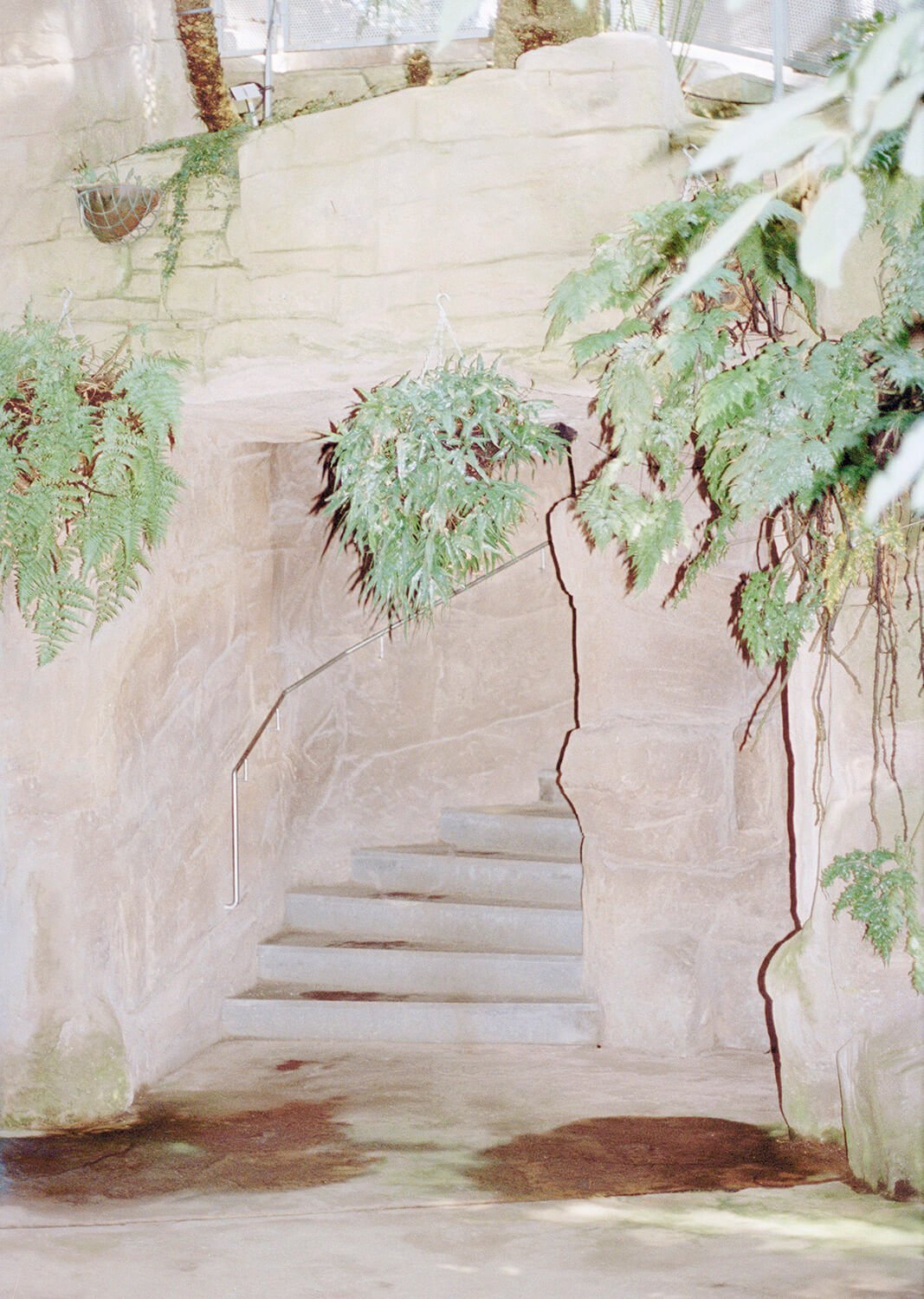
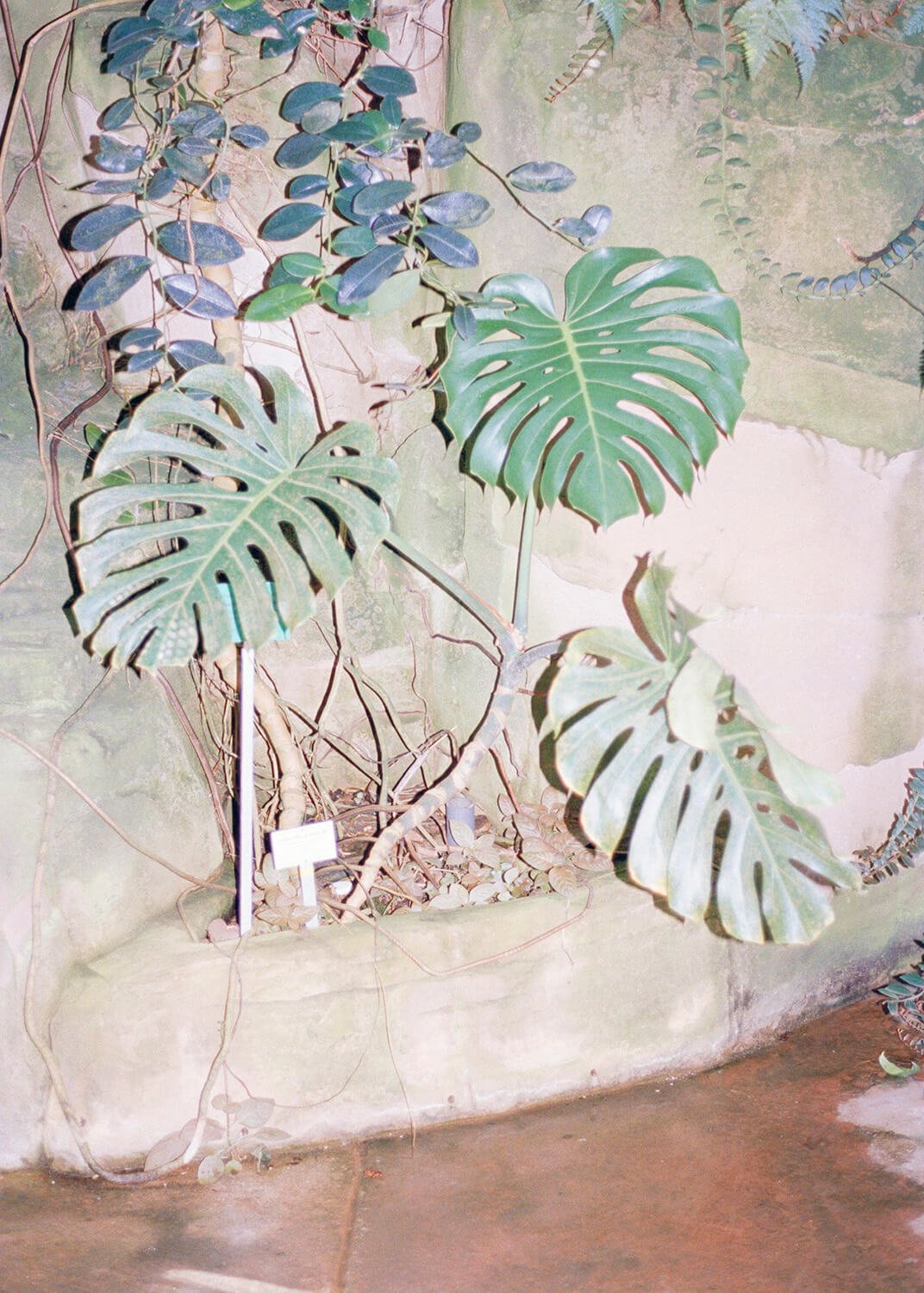
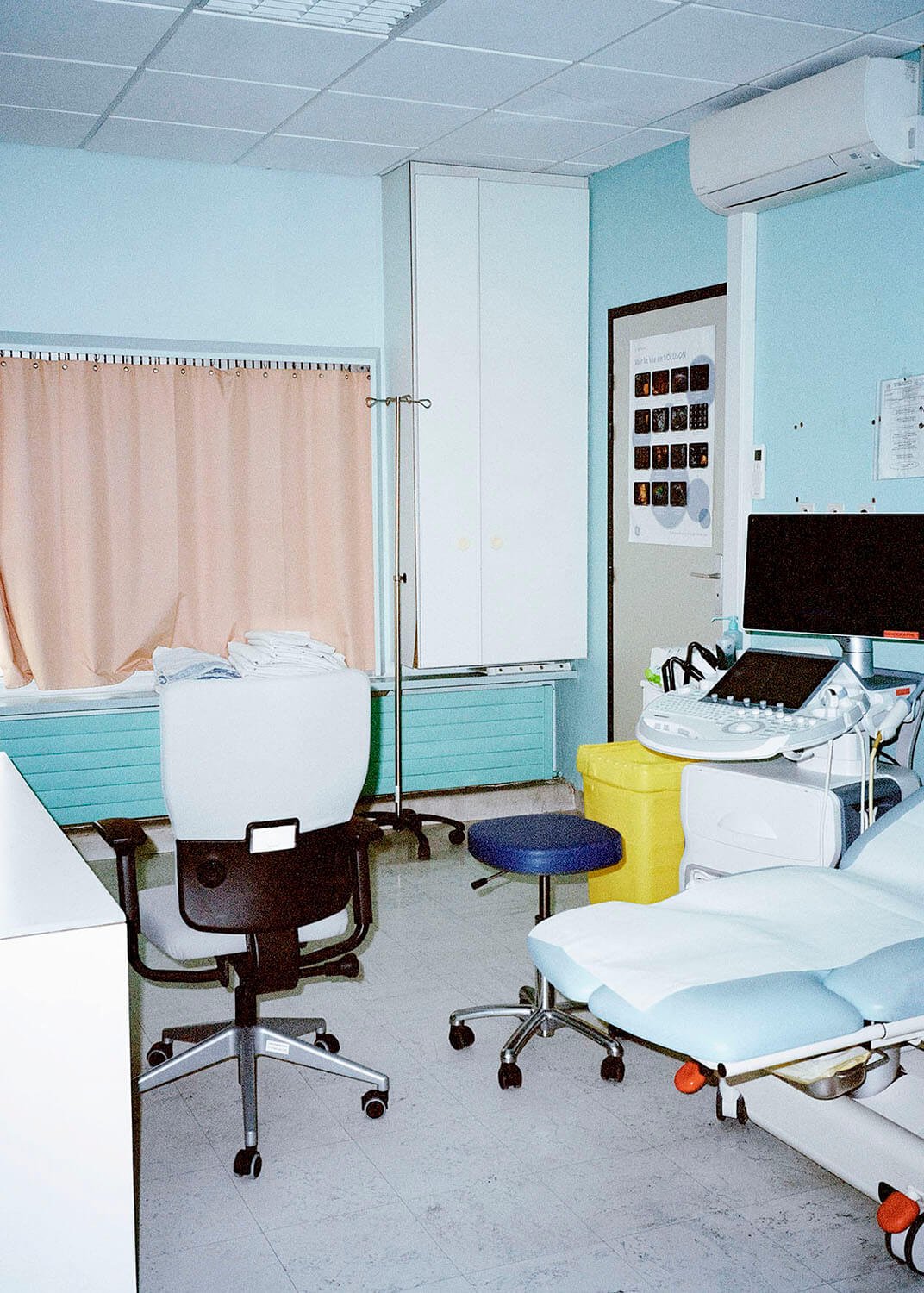
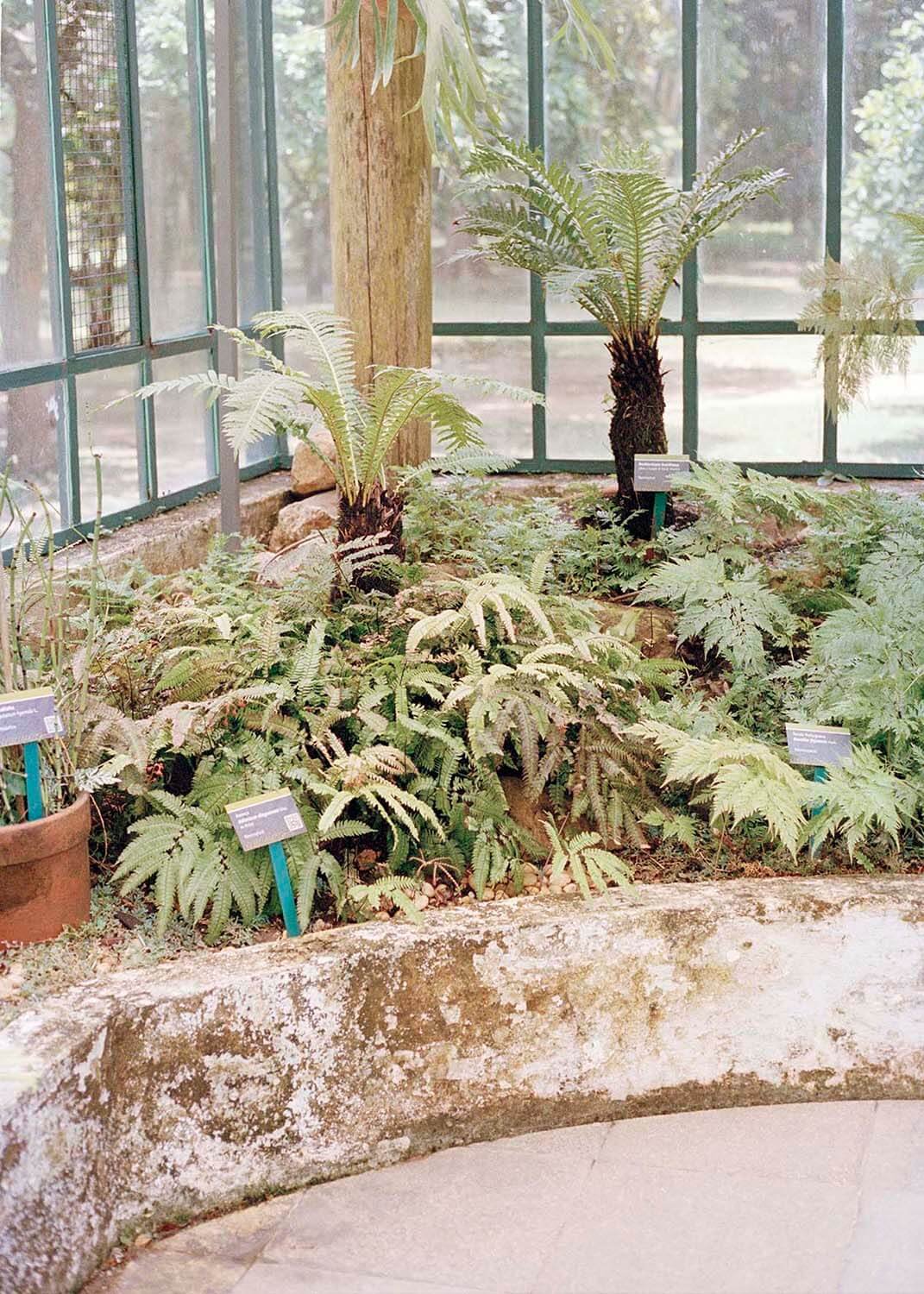
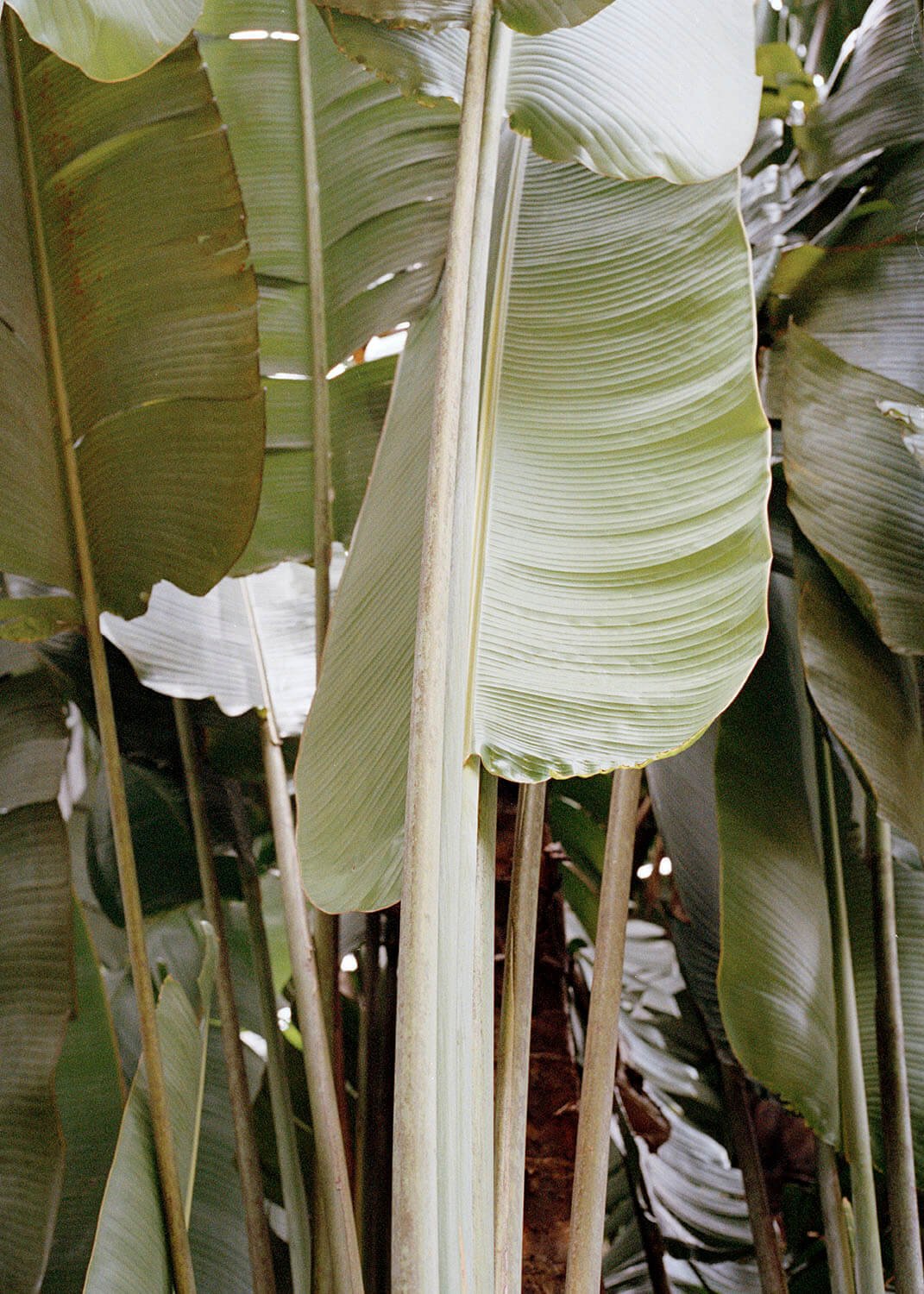
On my way to the hospital, there’s a botanical garden. The huge, exuberant Monsteras Deliciosas at the entrance to the garden gave me a strange feeling when I first walked past. In Brazil, the walls of my mother’s house are covered with the same plants. But here, in the middle of winter, they fall on false walls with a tropical decor.
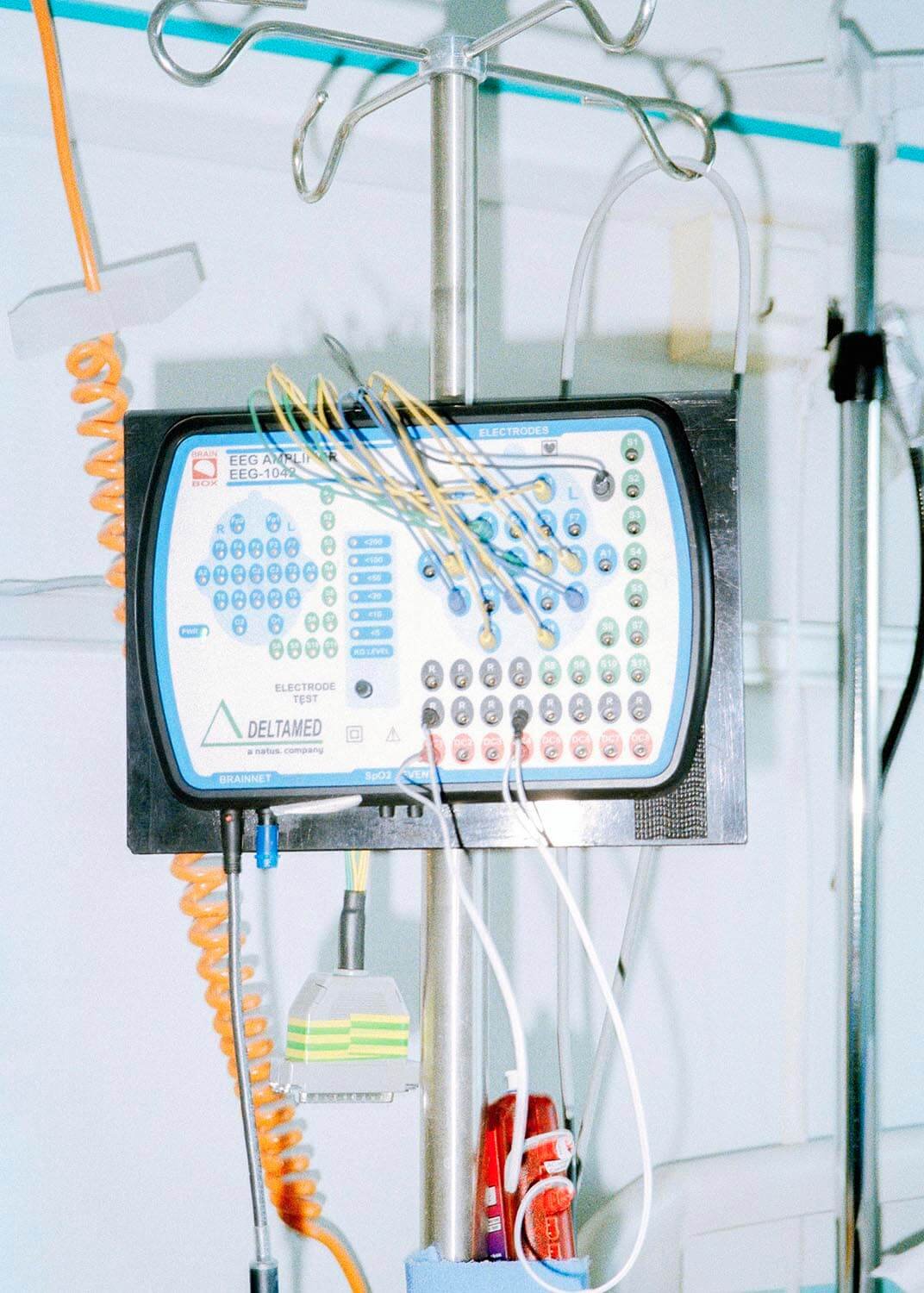
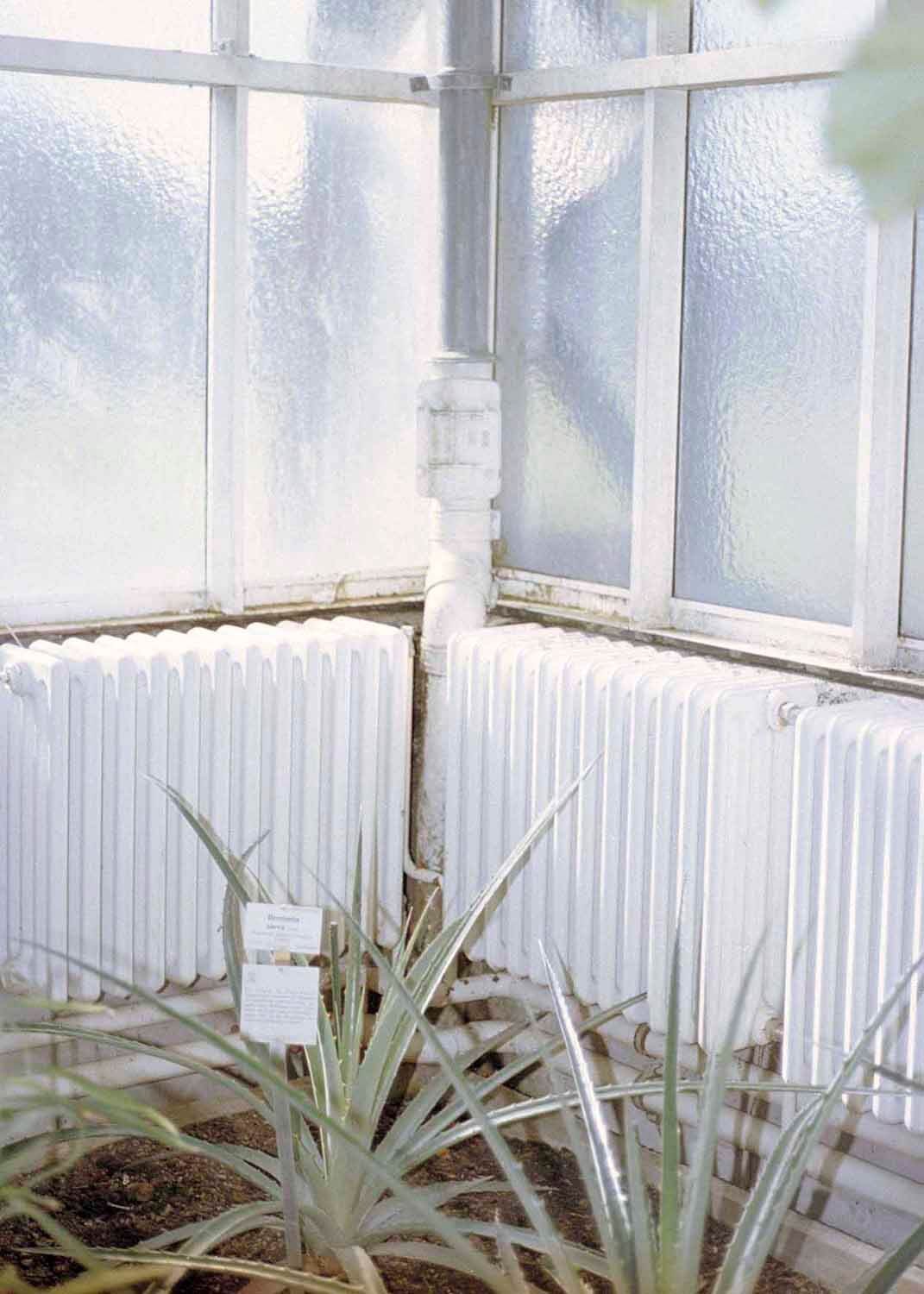
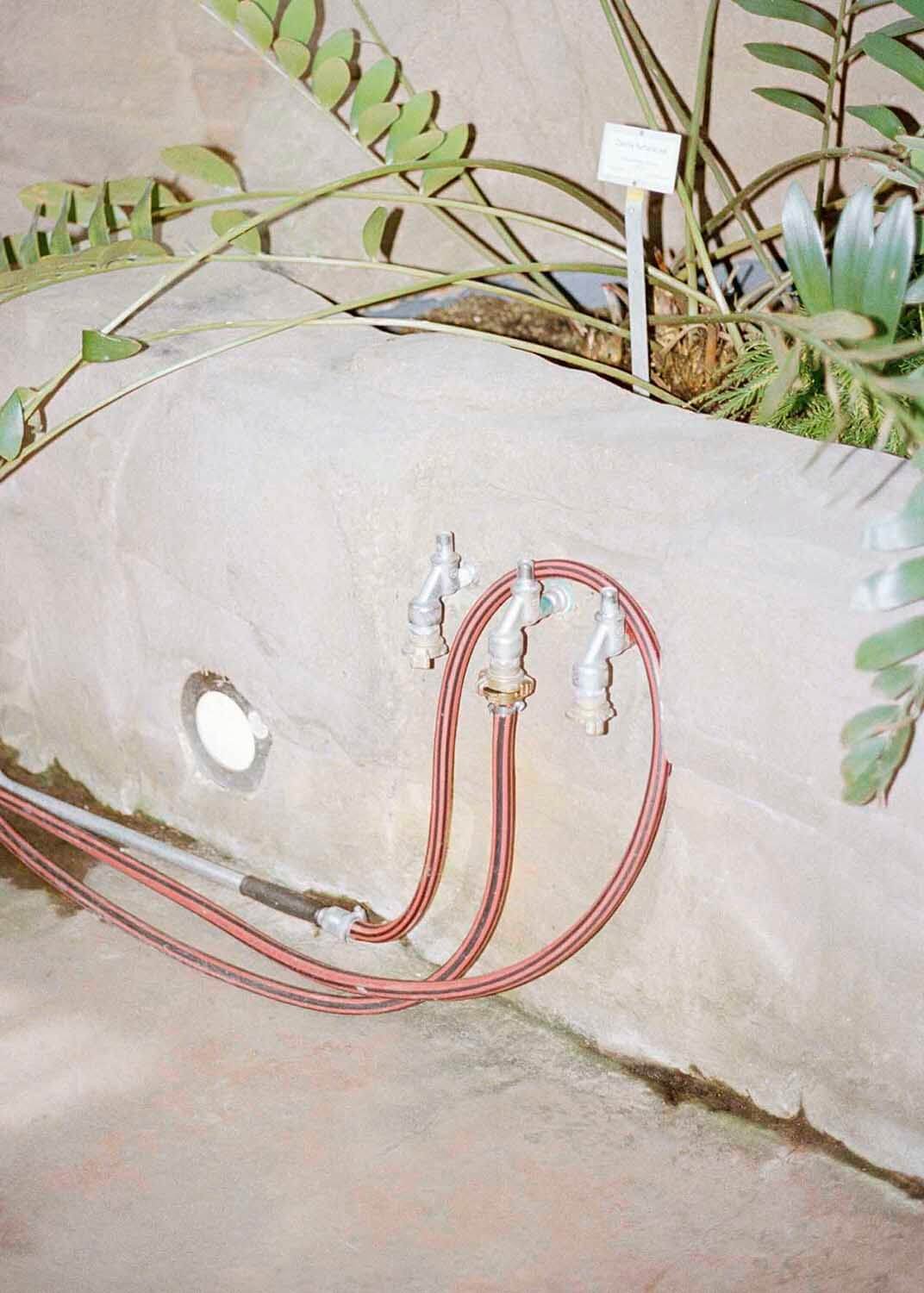
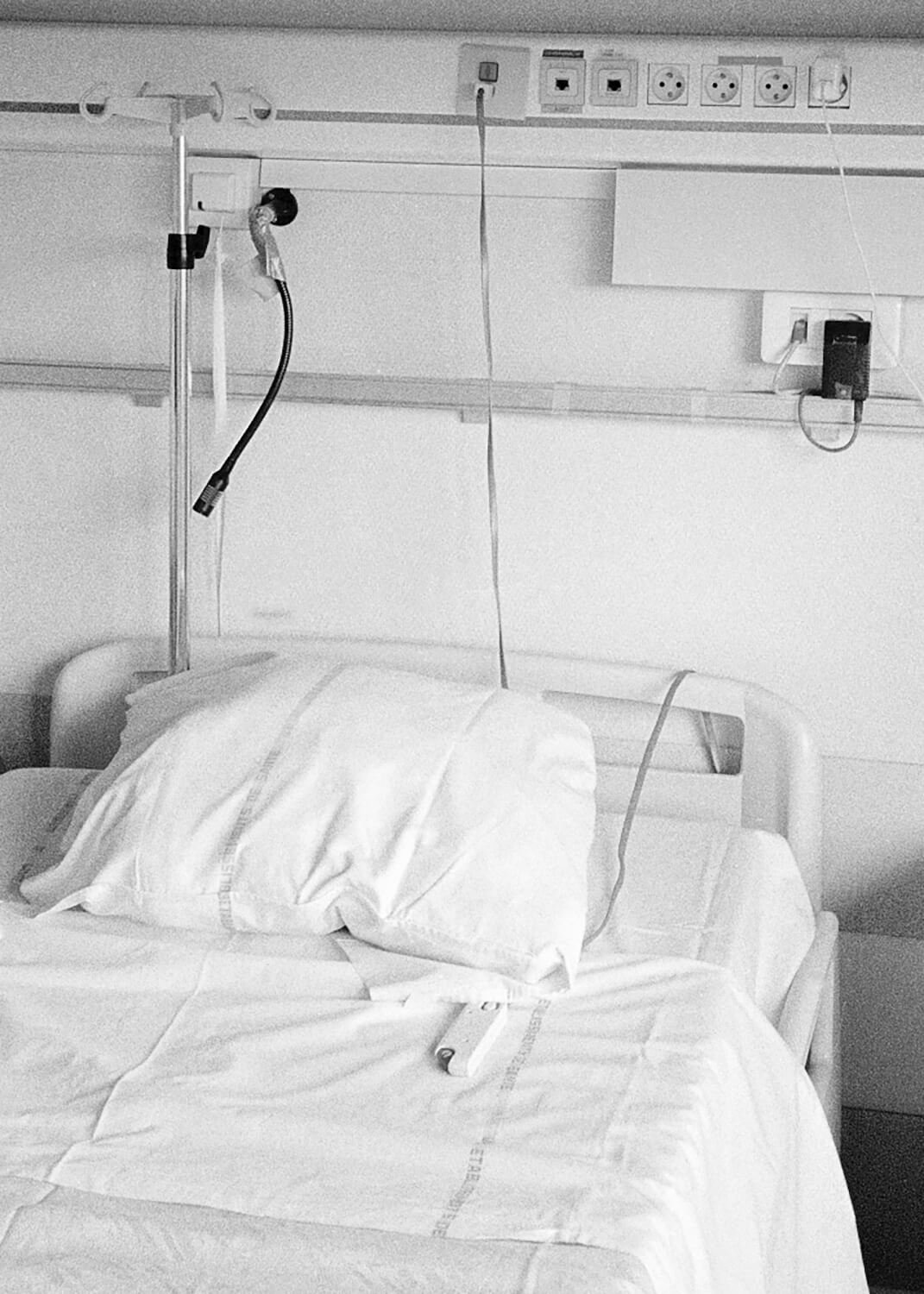
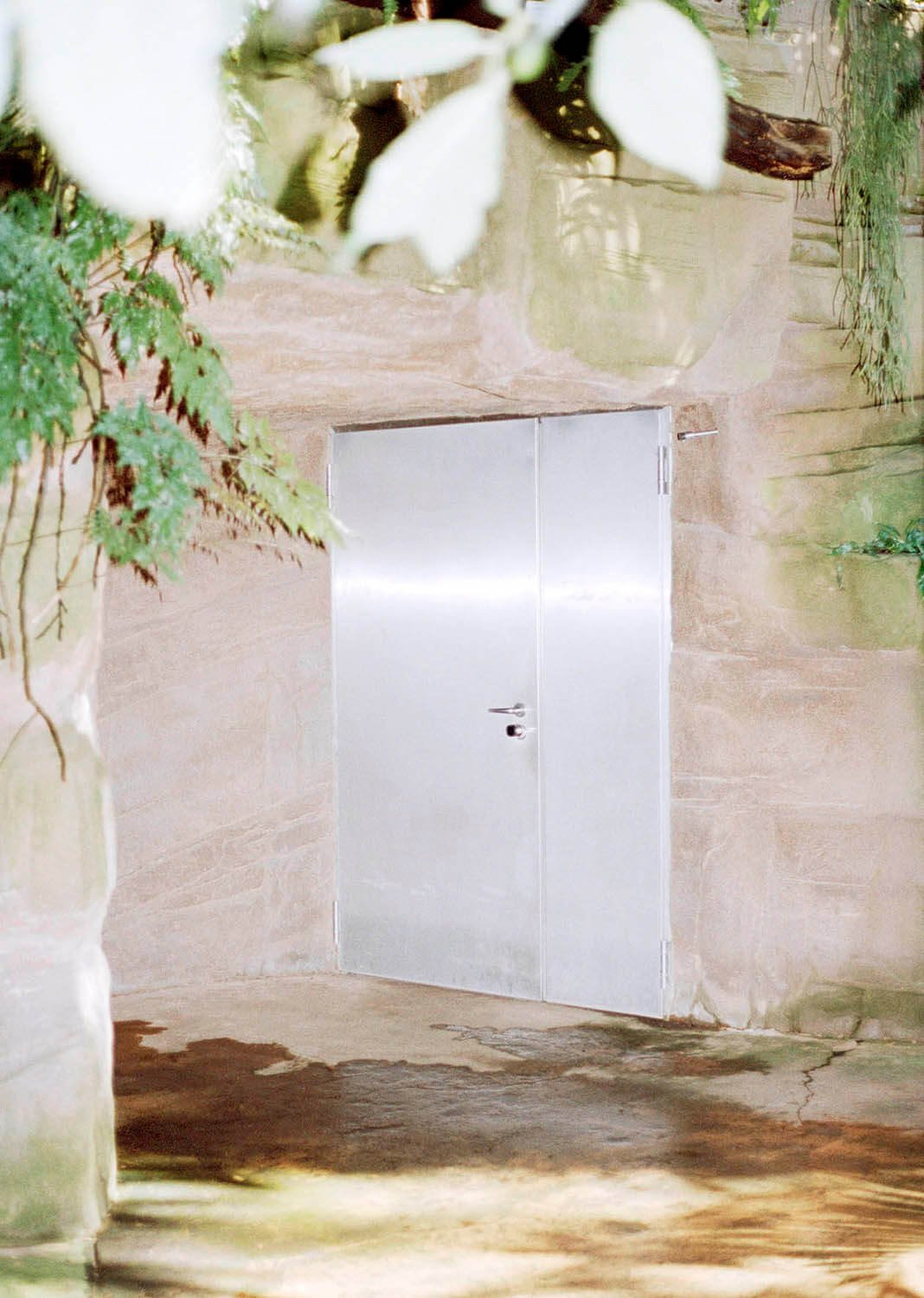
A closer look reveals the network that supports them: modern greenhouses, humidifiers, irrigation pipes and electric cables. These are artificial structures that sustain life, just like the hospital just a few meters away. These structures are at once so different and so similar. Places of interdependence, stability and instability, artificiality and vulnerability.
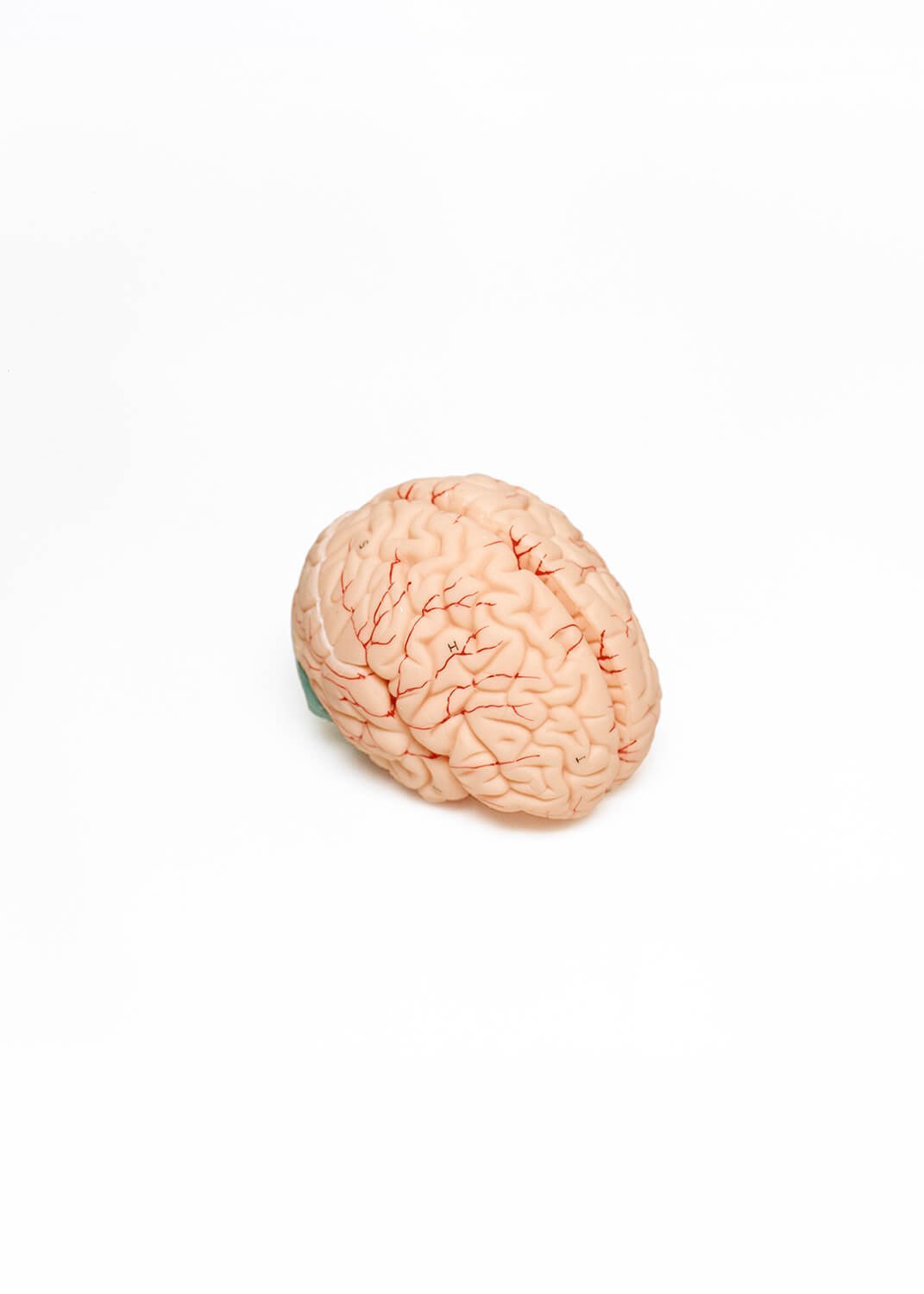
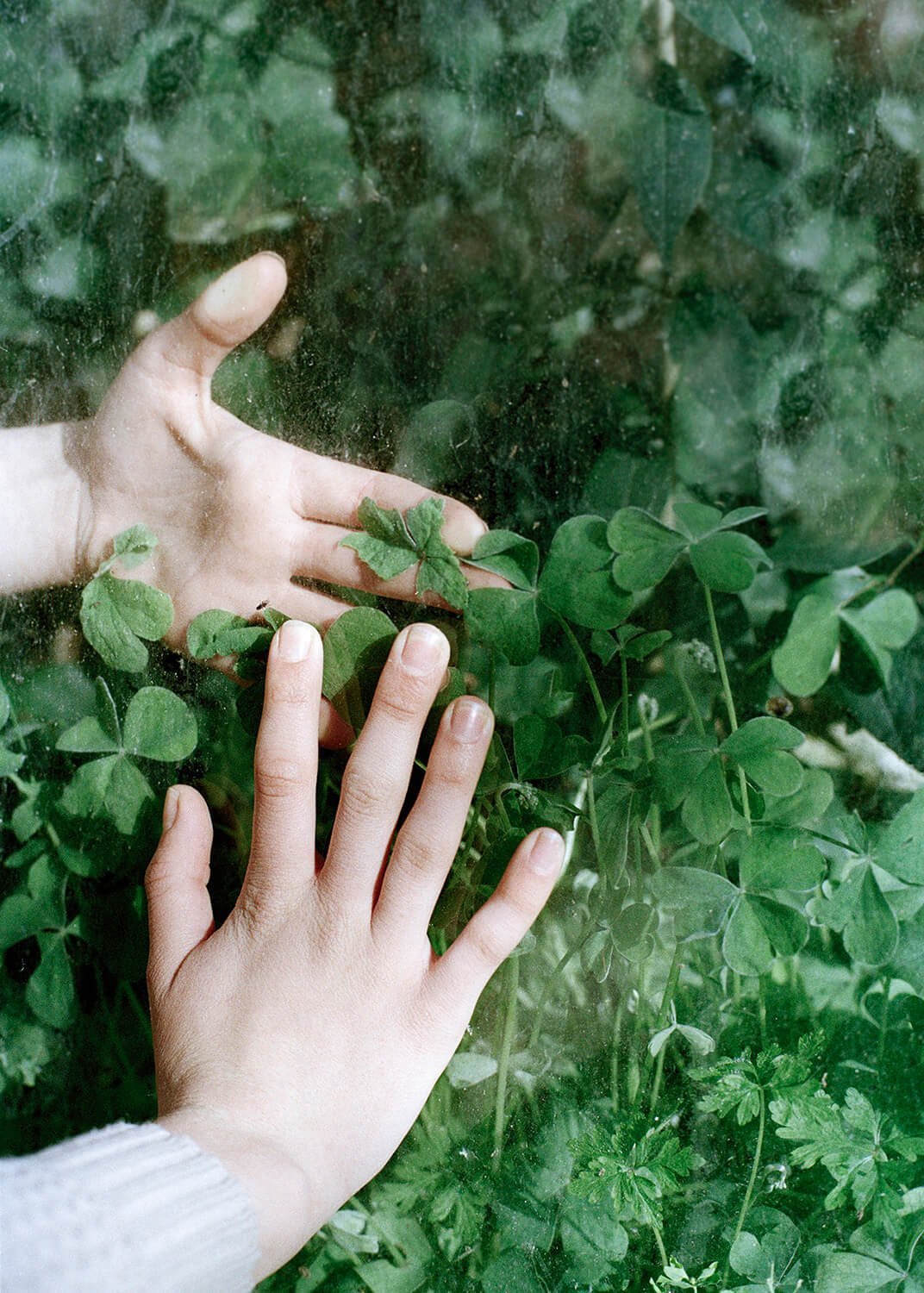
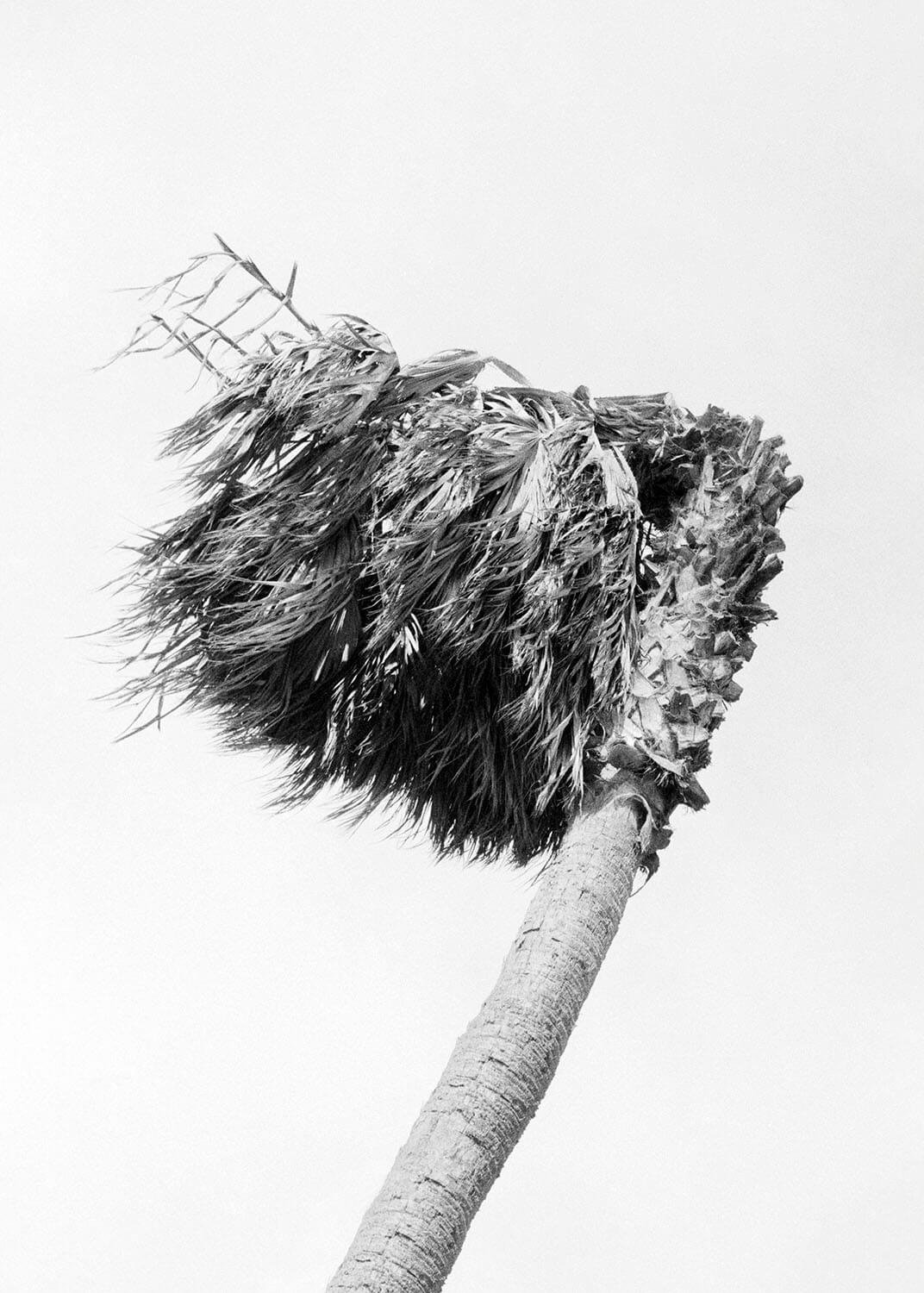
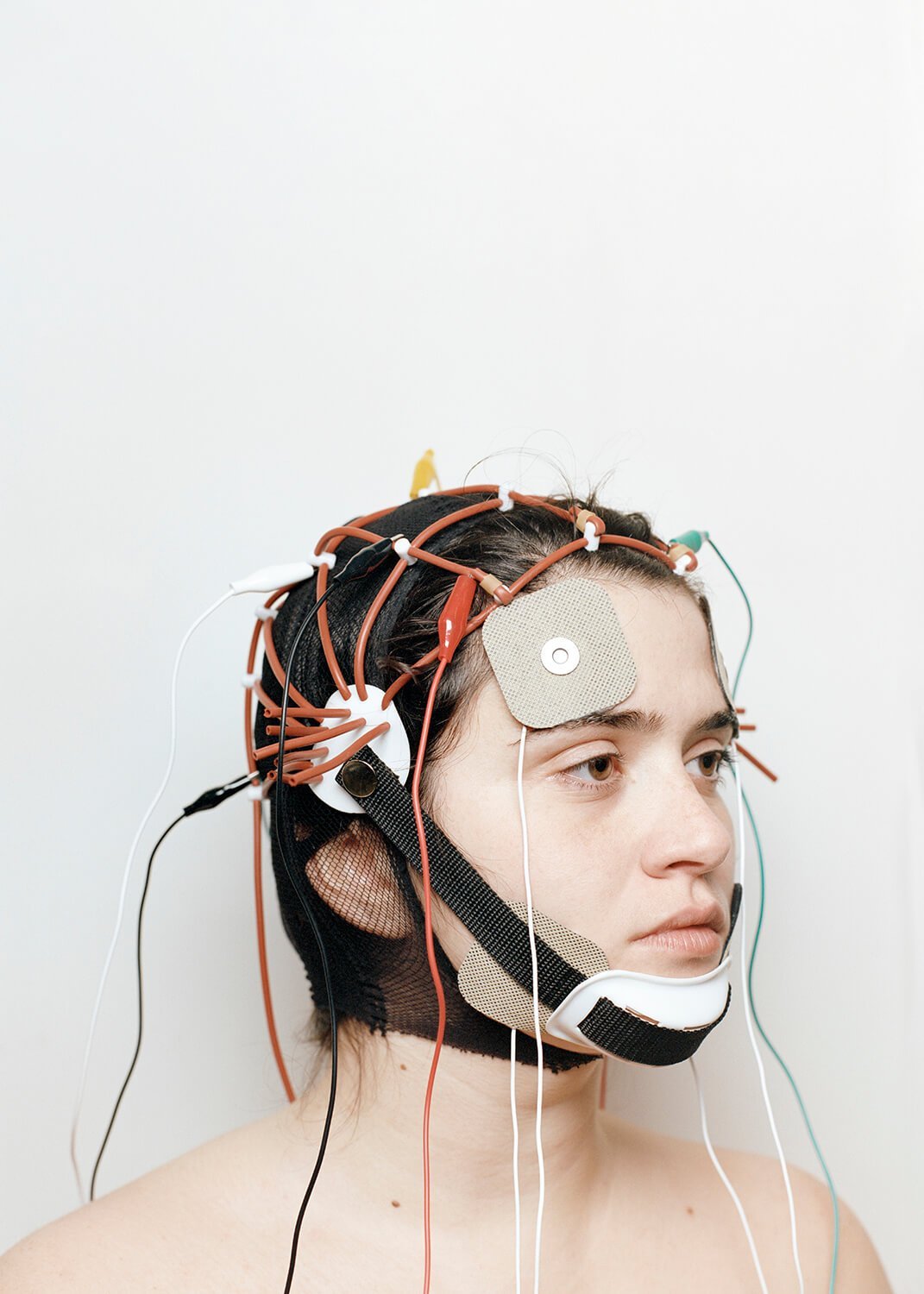
I look at the tropical and exotic plants as if in a mirror. I see my body, which, like the plants, is vulnerable and foreign. Powered by machines, wires and electrodes, measured, studied and processed. Bodies and plants foreign to the places where they live. Each step reveals different parts of this trajectory.
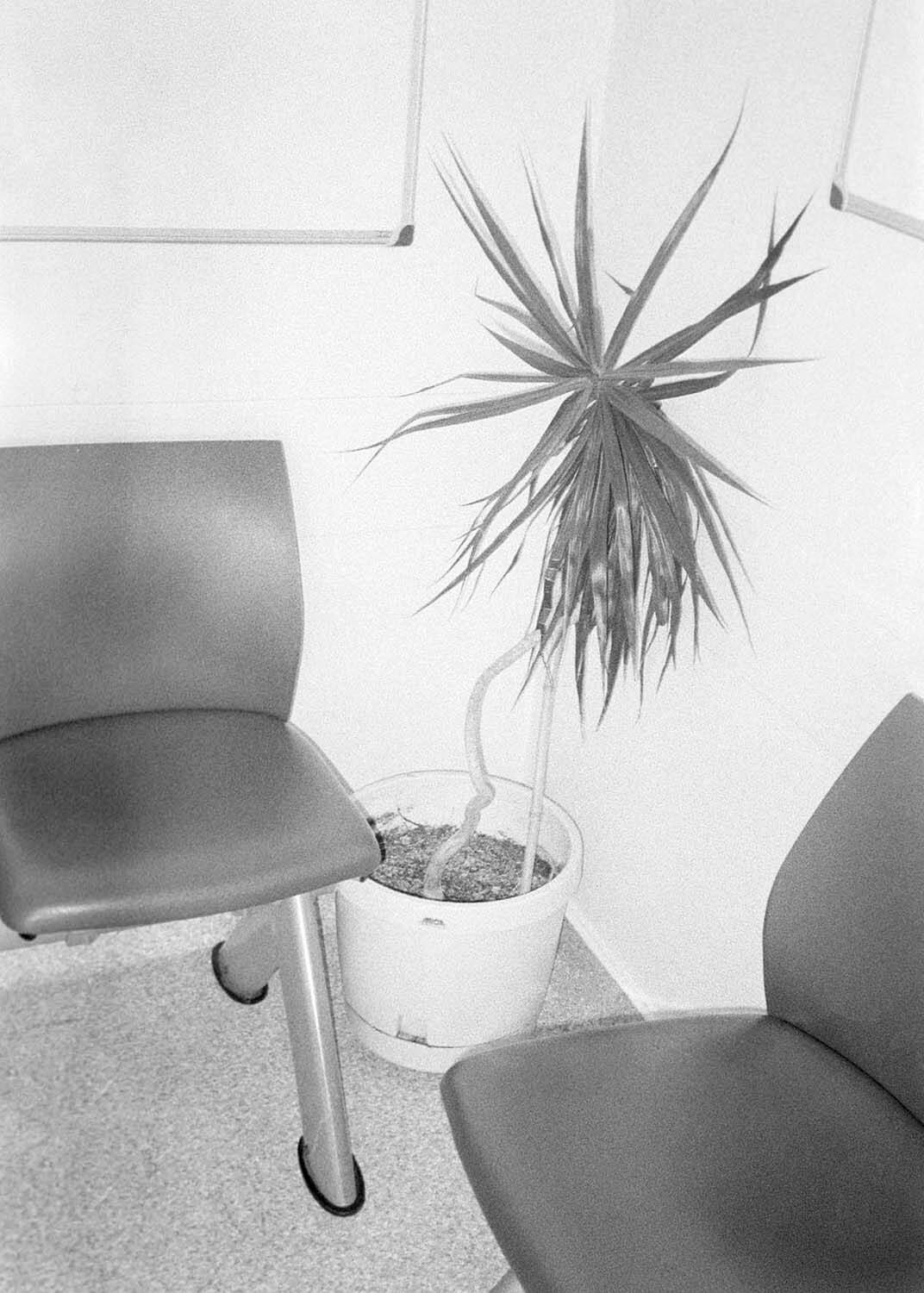
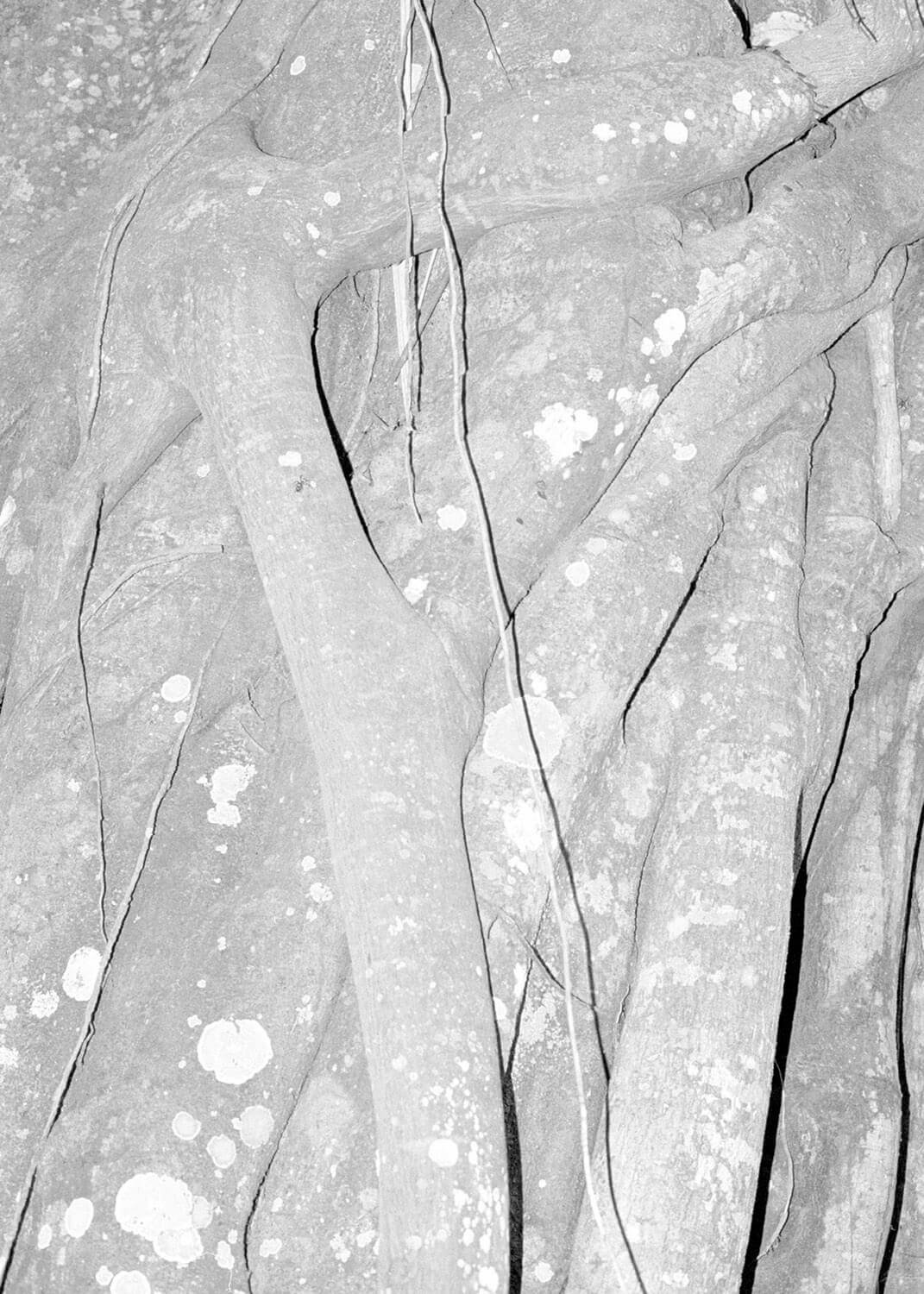
There’s something beautiful in the midst of the strangeness of these places: living beings trying to establish links, through roots and rhizomes in the case of plants, or through touch and emotional bonds in the case of humans. Plants that bring joy and life to hospitals. Roots that grow and intertwine, creating a veritable ecosystem. Lives that, though planted on concrete, develop powerful and unexpected alliances.
Each time, the botanical garden’s exit door brings me face to face with myself and brings me back to reality. Trajectoires is a reflection on the strangeness, unbelonging and artificiality of the world we live in, and on our ability to put down deep roots, to create an incredibly strong and unexpectedly beautiful ecosystem.