The Serpent’s Thread
by Emilia Martin
This project can be seen this year at Fotografia Europea, which takes place from April 30 to June 14 in Reggio Emilia, Italy.
The full program is available here.


This project can be seen this year at Fotografia Europea, which takes place from April 30 to June 14 in Reggio Emilia, Italy.
The full program is available here.
“As a child, I spent countless hours observing my beloved grandmother, a Polish countryside textile worker, stitching together scraps of materials into things that were new, wonderful and soft. Like a storyteller weaving many fragments into a tale, her textiles wove many fibres, many threads, and remnants into compositions of persistence and expression. Never formally educated to write fluently due to gender politics at the time, her textile works were her language, carrying a knowledge of generations of women before me. Once she passed away, all her textiles, perceived as of no value, were discarded or lost. The Serpent’s Thread emerges from this absence.
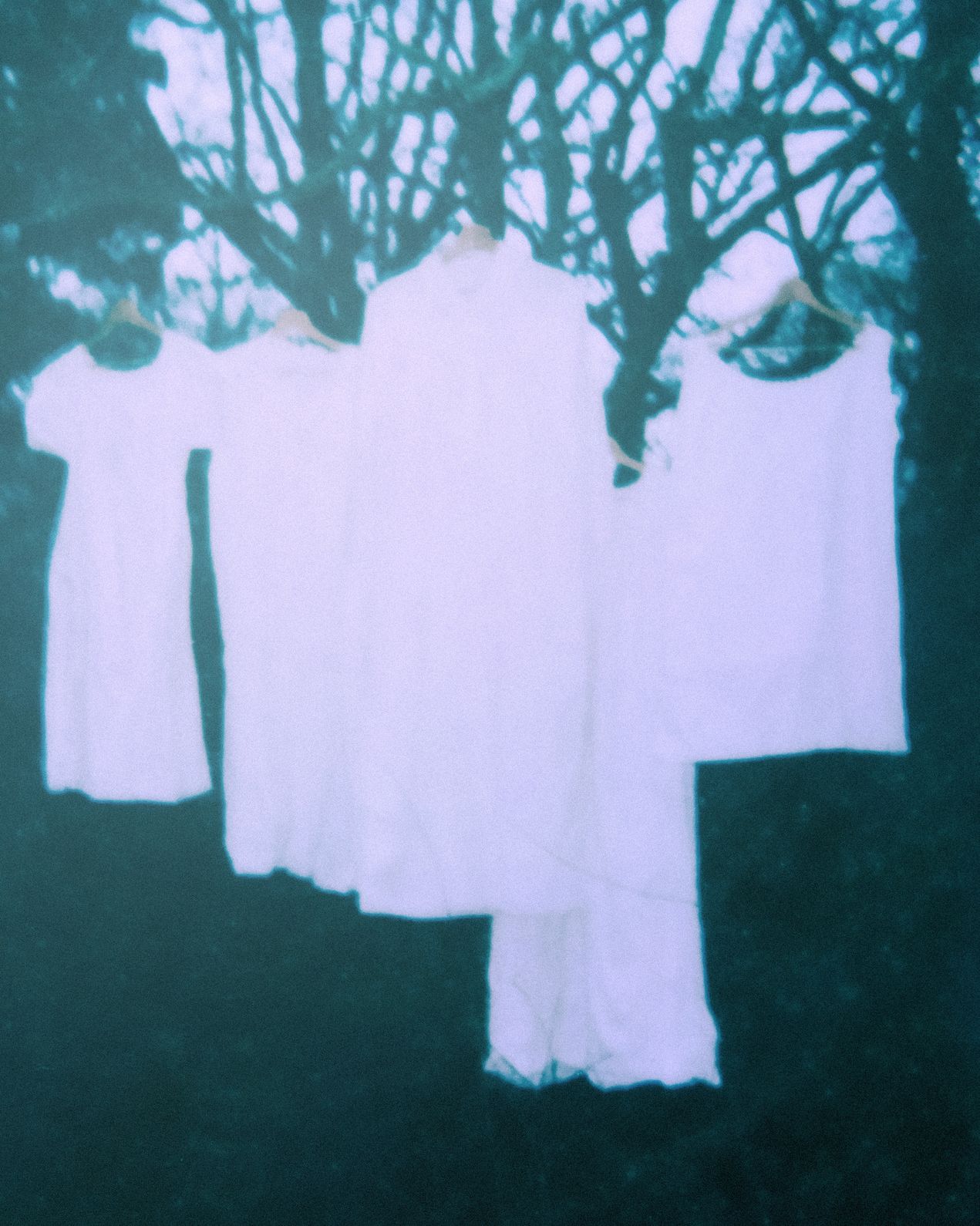
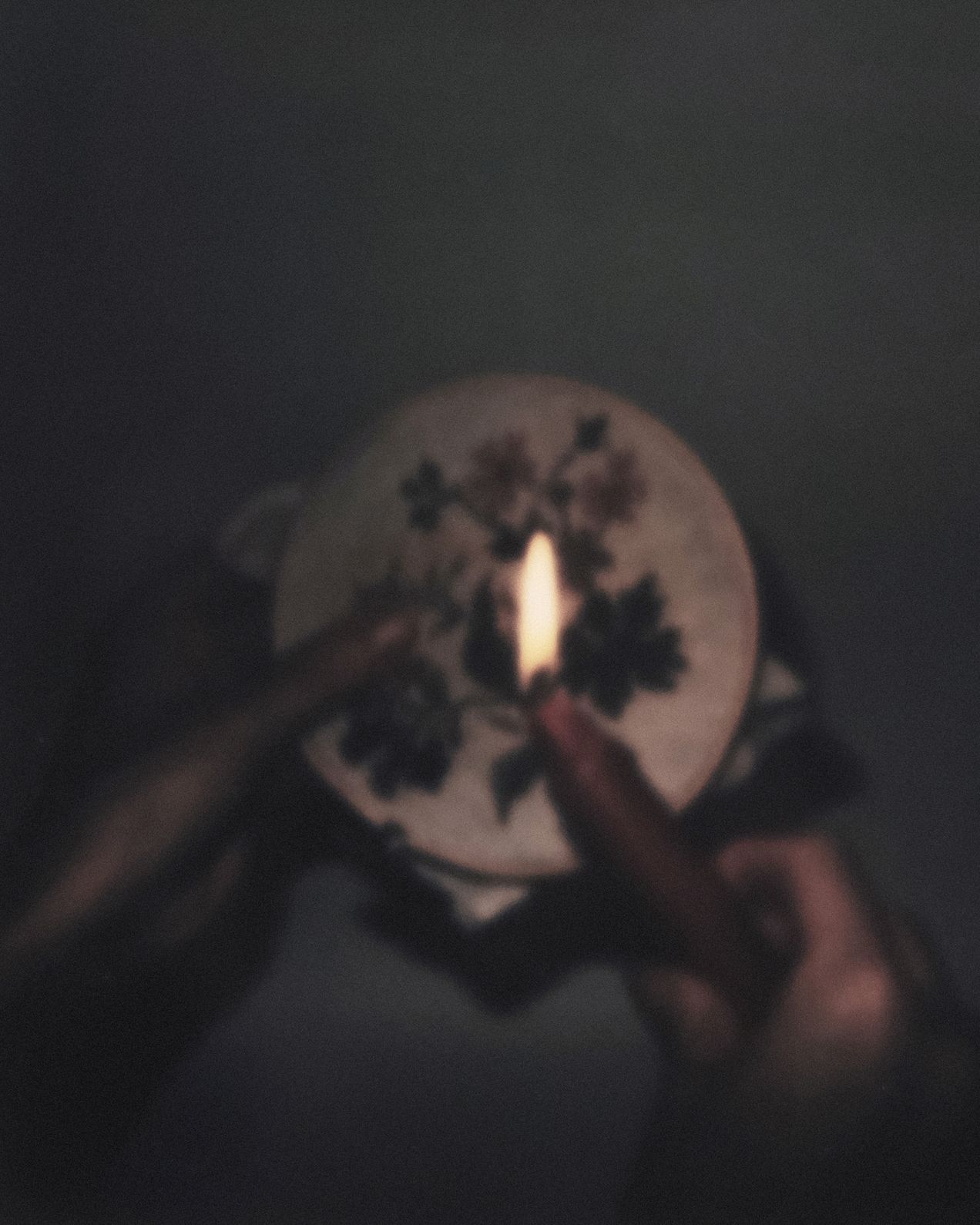
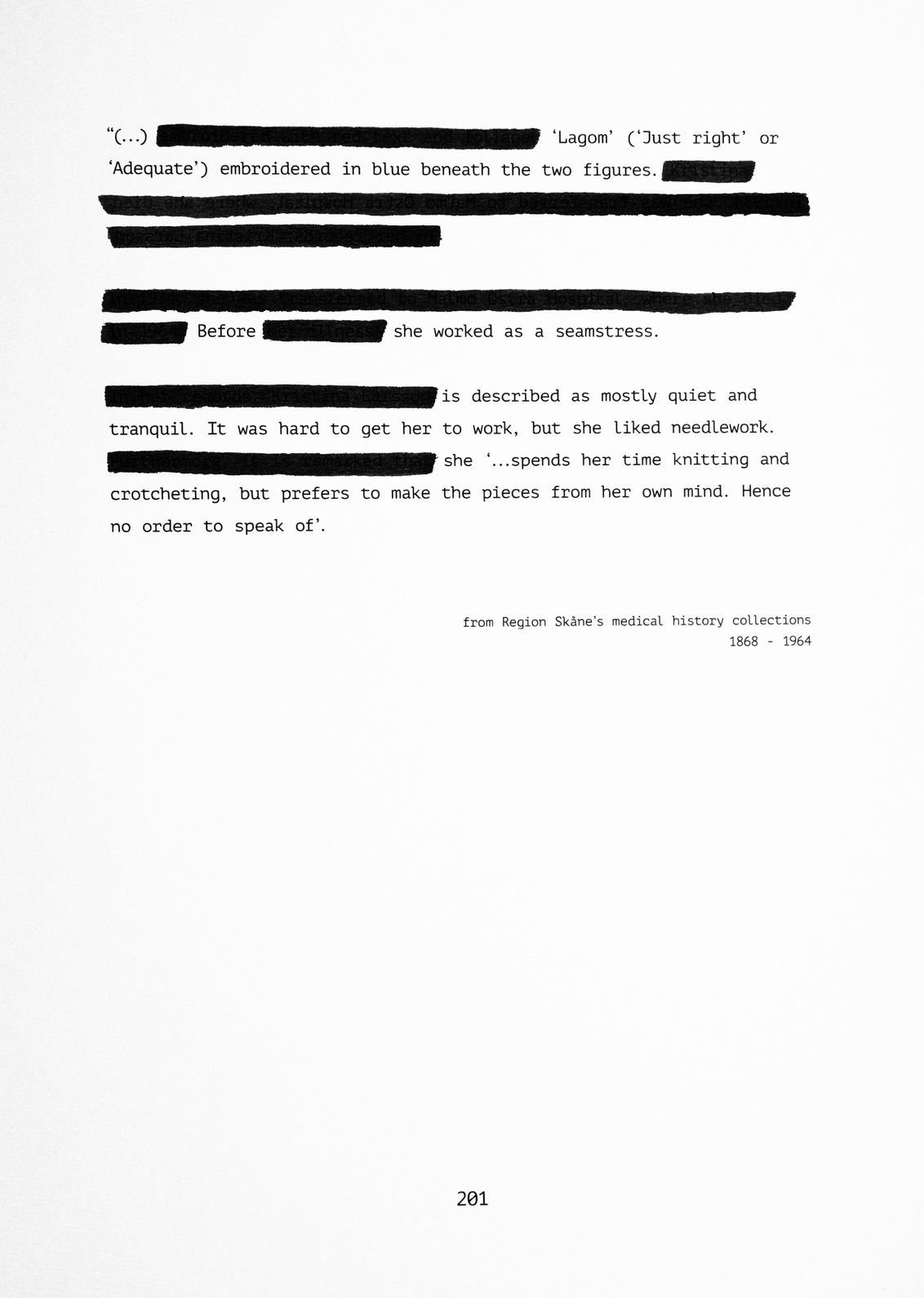
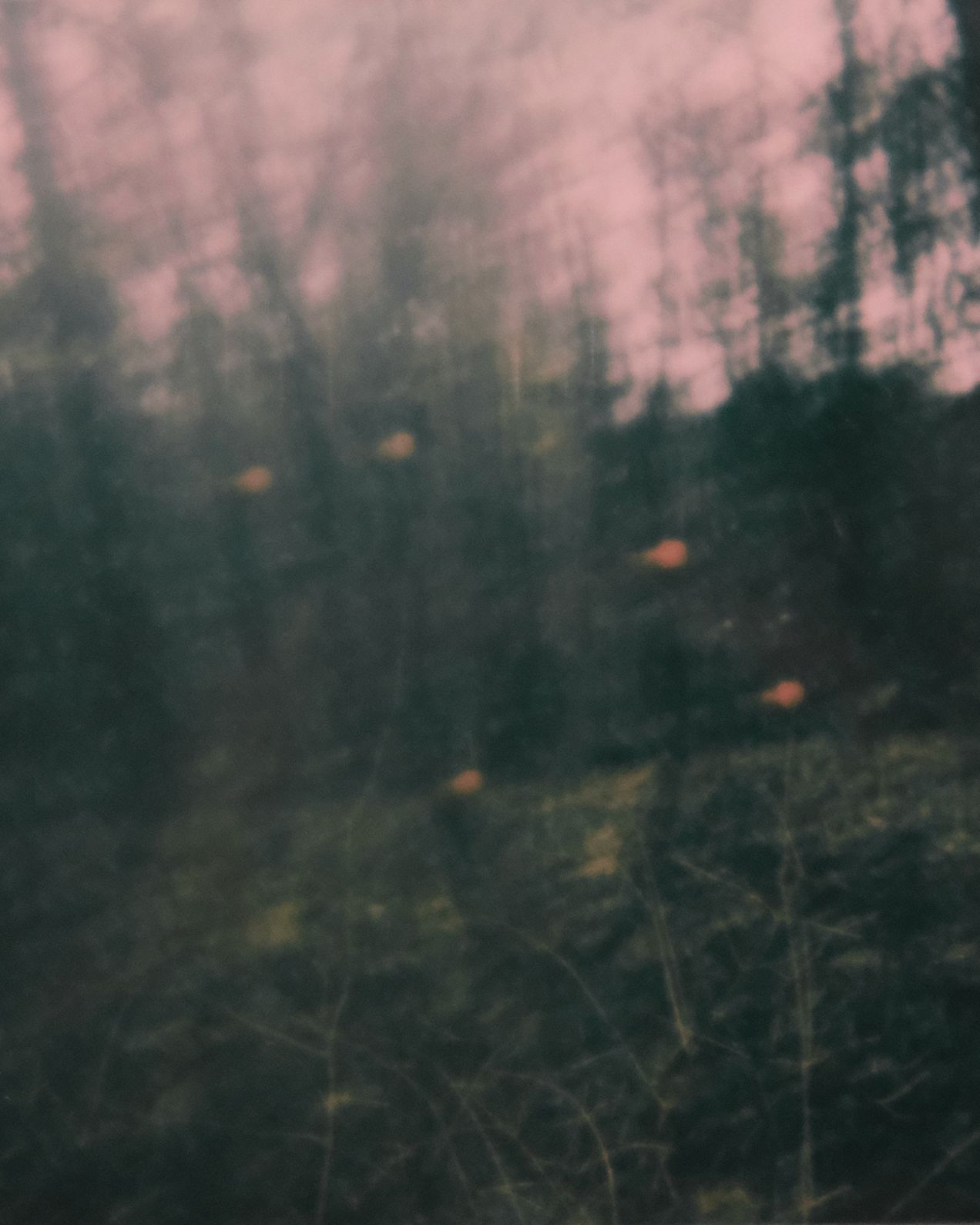
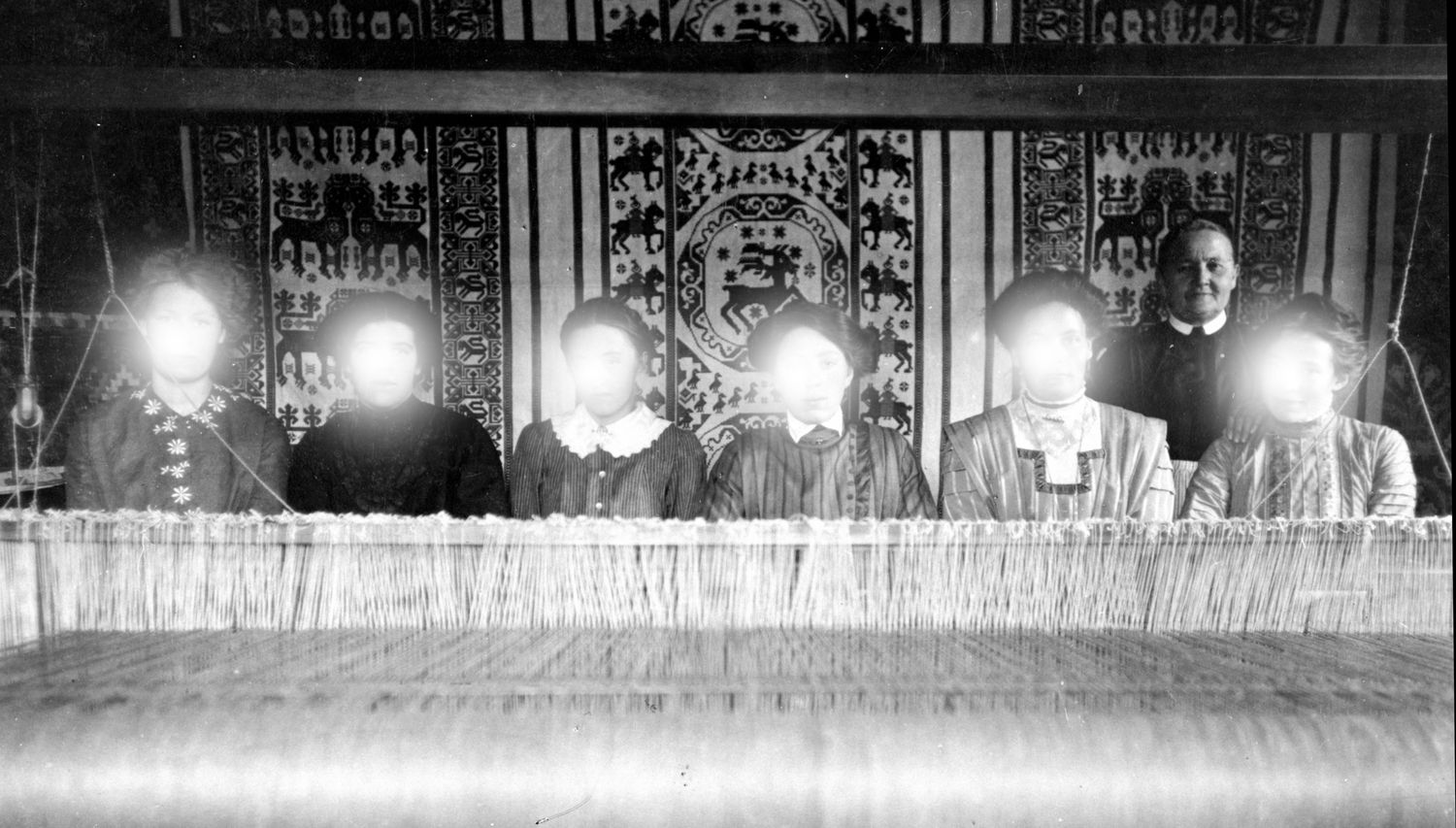
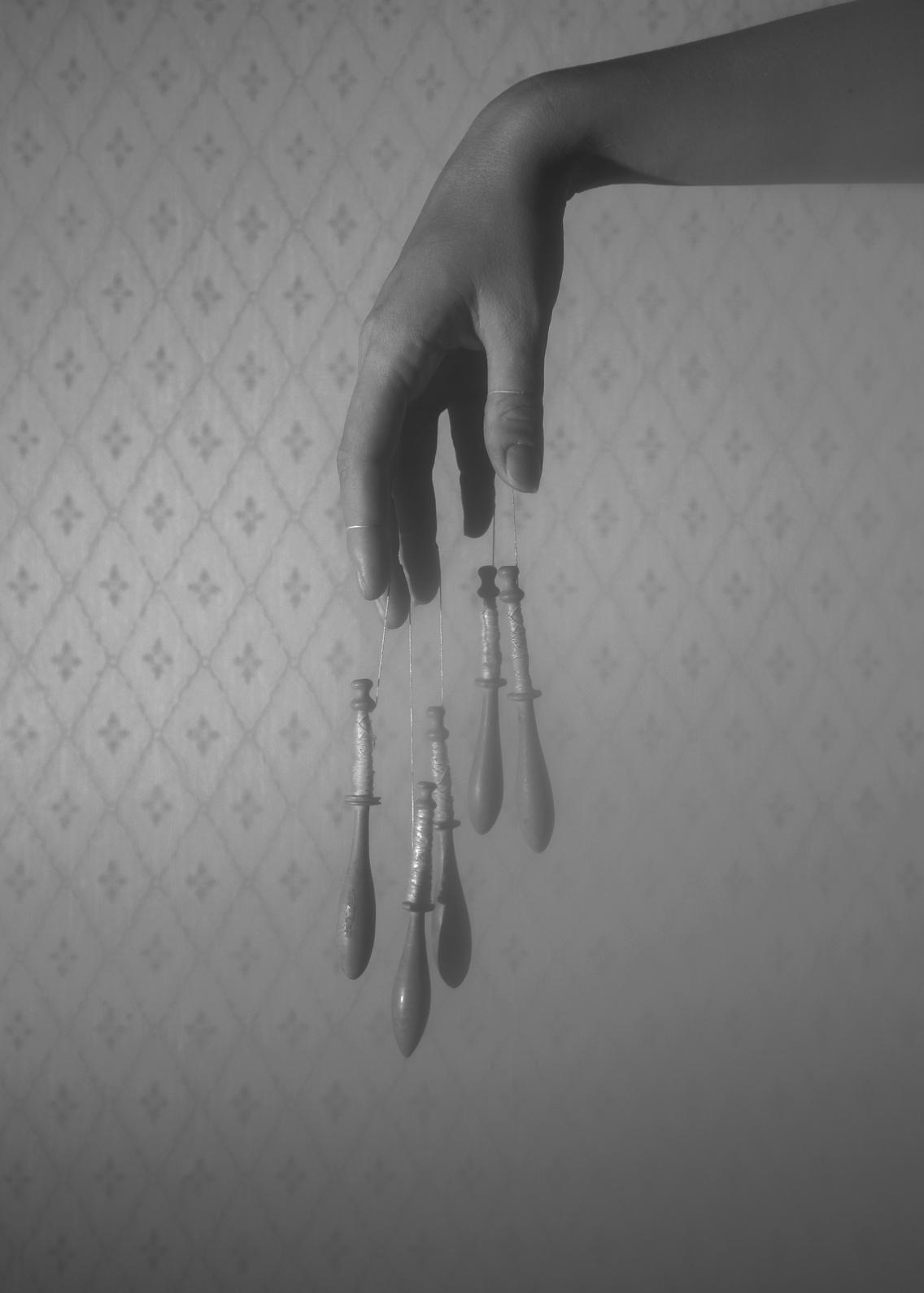
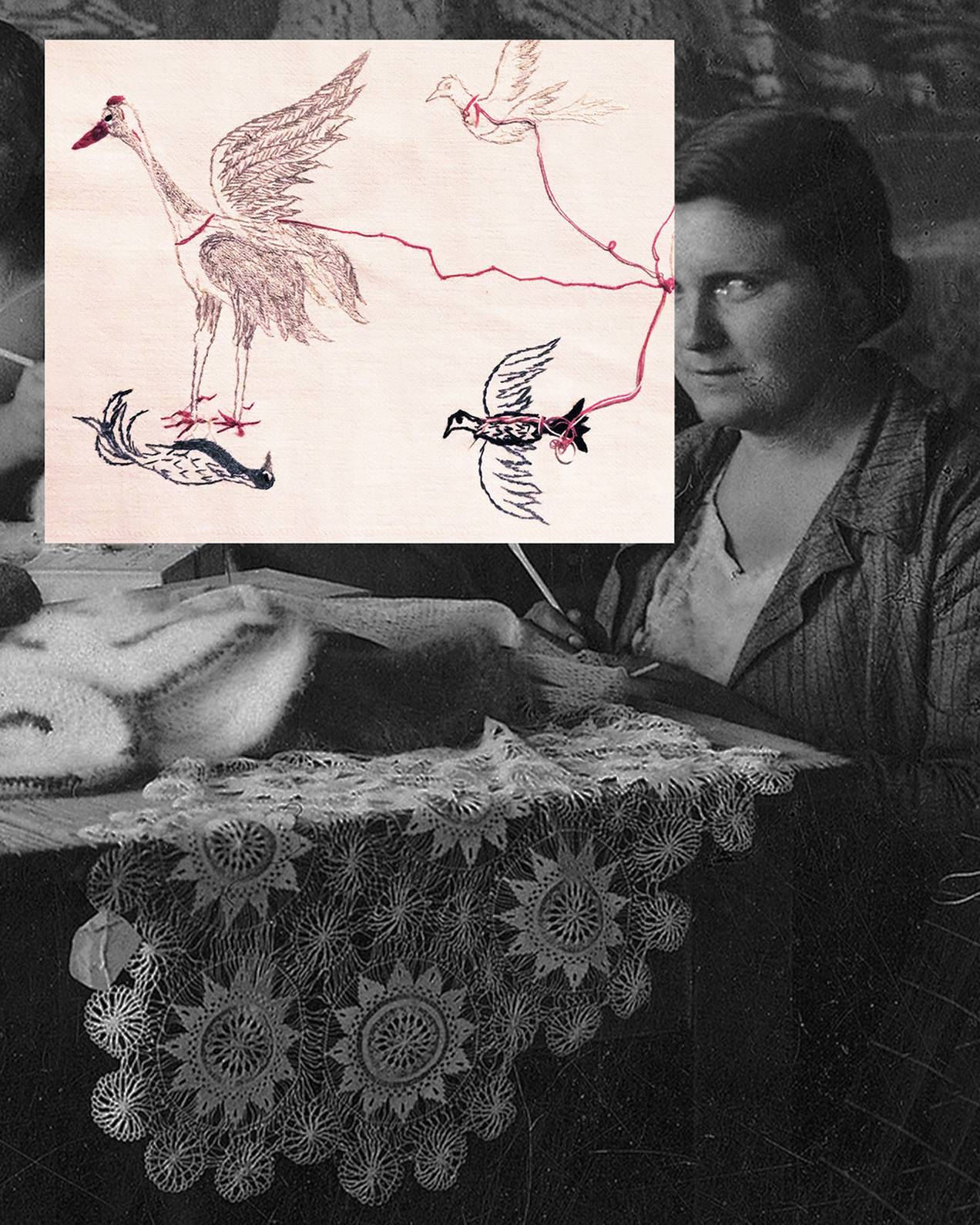
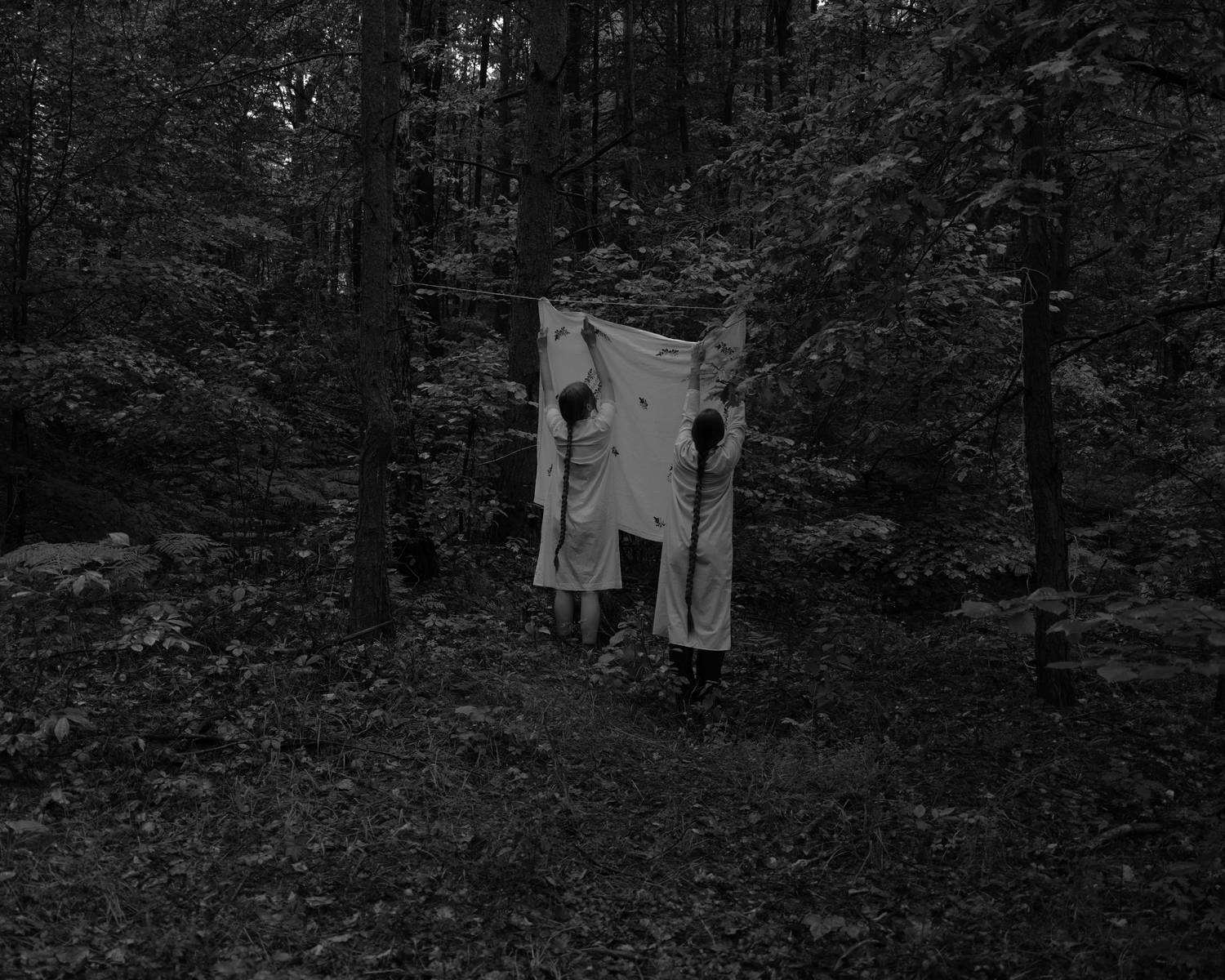
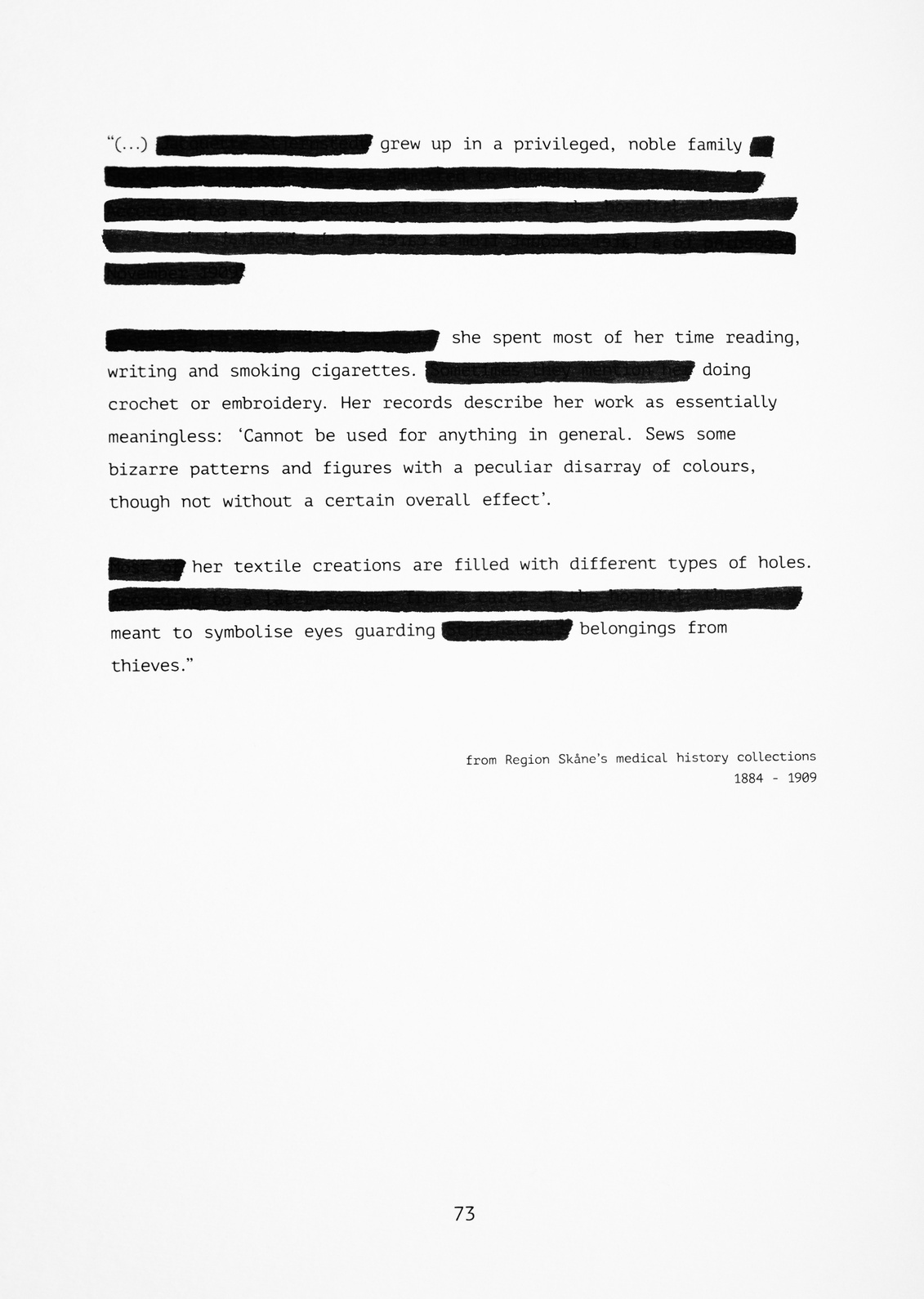
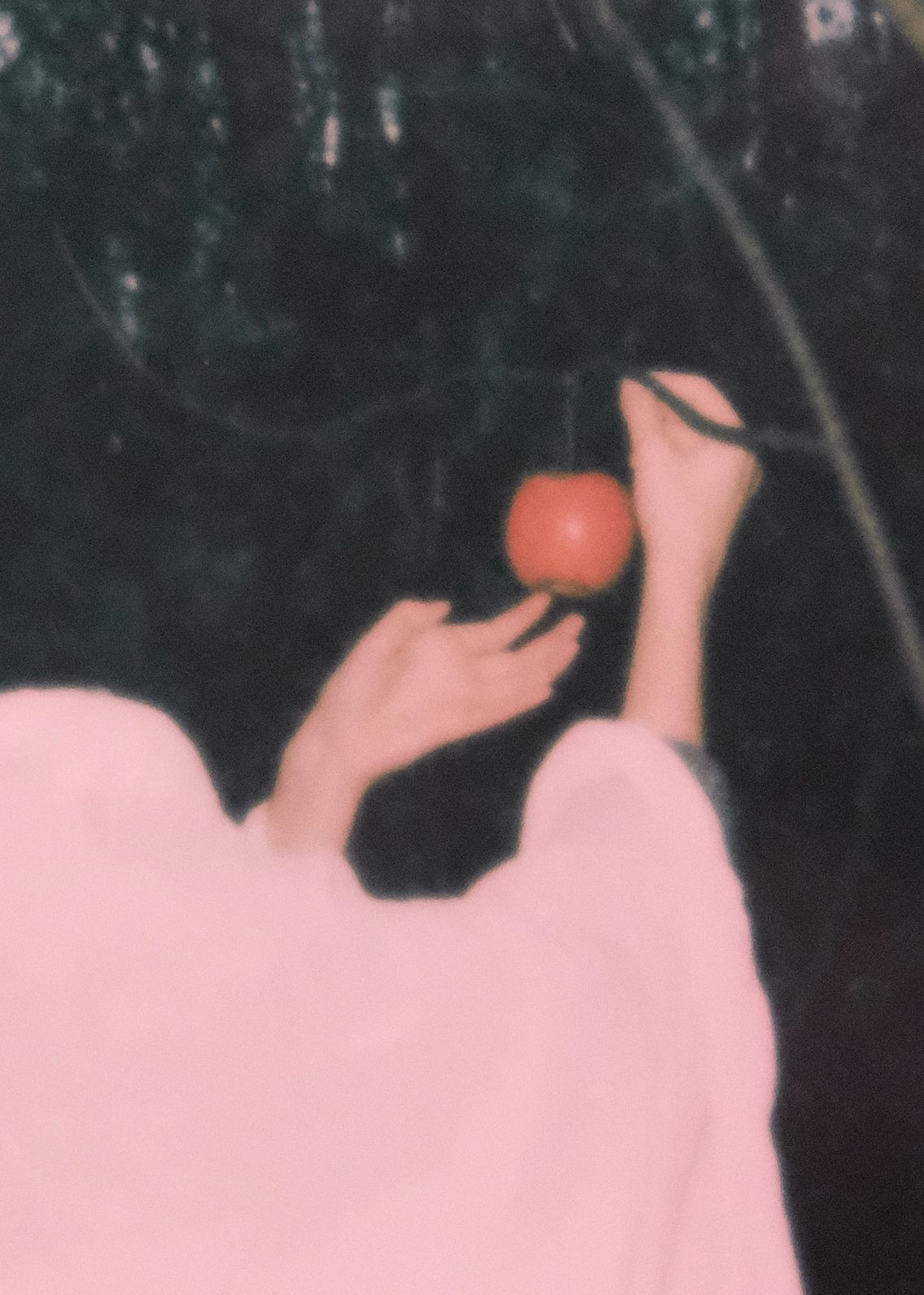
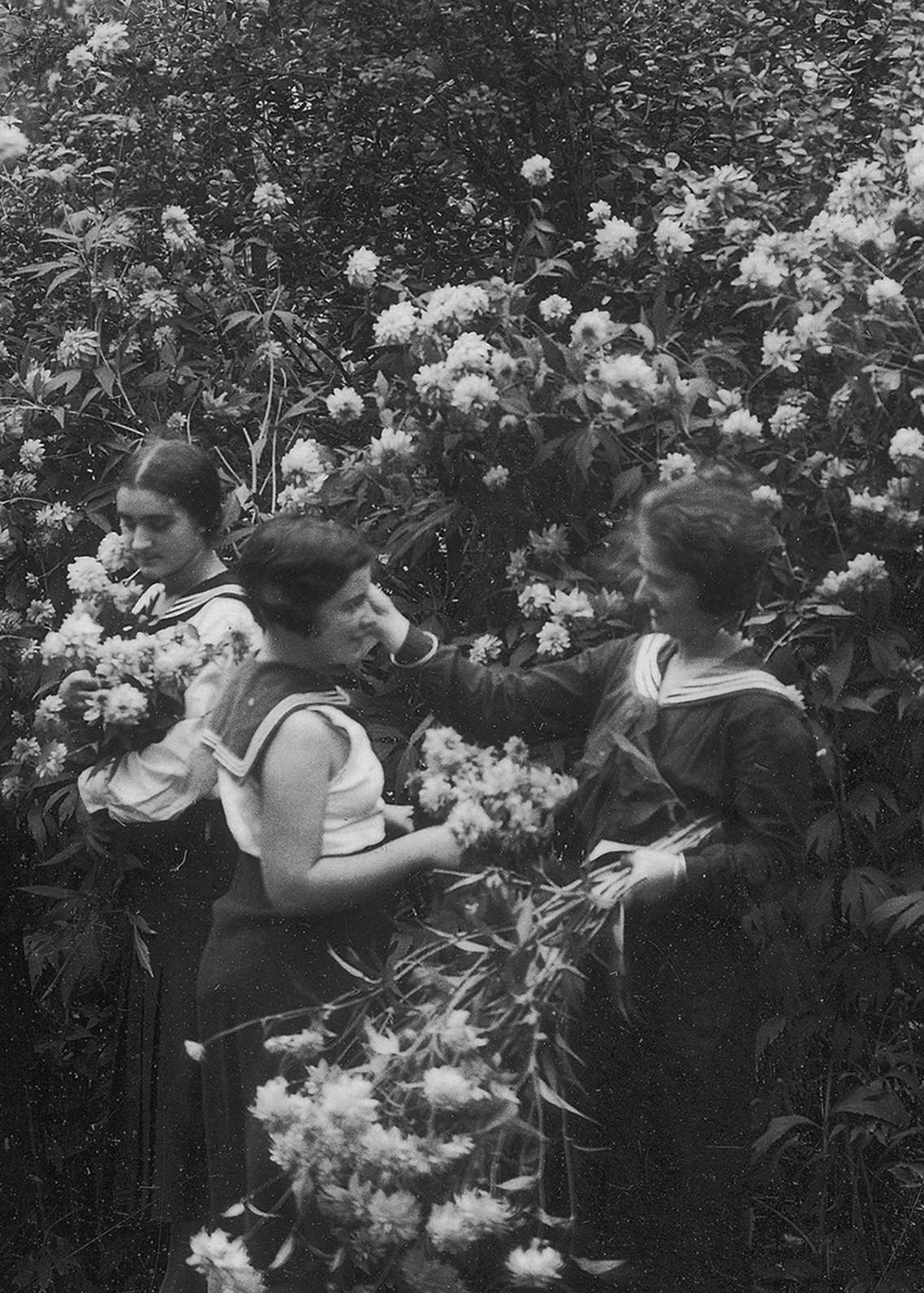
The project traces fragmented (hi)stories of women whose textile labour speaks where official records fall silent. It connects my grandmother’s rural life in Eastern Poland with the fragmented records and folklore surrounding the five Andersson sisters of Åsmundtorp, Sweden, at the turn of the 20th century. Their history, partly documented and partly mythologised, revolves around the textiles they produced as elaborate dowries, which, never used, stand as ambiguous evidence of expectation, patriarchal oppression and everyday resistance. Their works serve as a parallel my grandmother’s practice, while expand the narrative of domestic folk female experiences that resonate beyond political borders and histories. Developed across Poland, Sweden and the Netherlands, the work moves between documentation and speculation, archives and myth. It brings together archival photographs, found documents, staged compositions, and photographic interventions printed and layered through textile processes. I am currently developing a sound piece in collaboration with British sound artist and musician Isobel Anderson, introducing a sonic layer that traces the rhythm of domestic textile labour: repetition, whisper, time, gossips. Rather than reconstructing a history, the work approaches archival gaps as material. It approaches textiles and textile practices as counter-archives: tactile documents of domestic space, inherited symbols and accumulated time.
Through many layers, the project explores how representations – both personal and collective – are formed, and how silences speak volumes. Like a woven cloth containing many threads, The Serpent’s Thread serves as a reconstruction based on multiple (hi)stories stitched together: those of women makers, of rebels, and those whose voices were recorded, devalued, or lost”