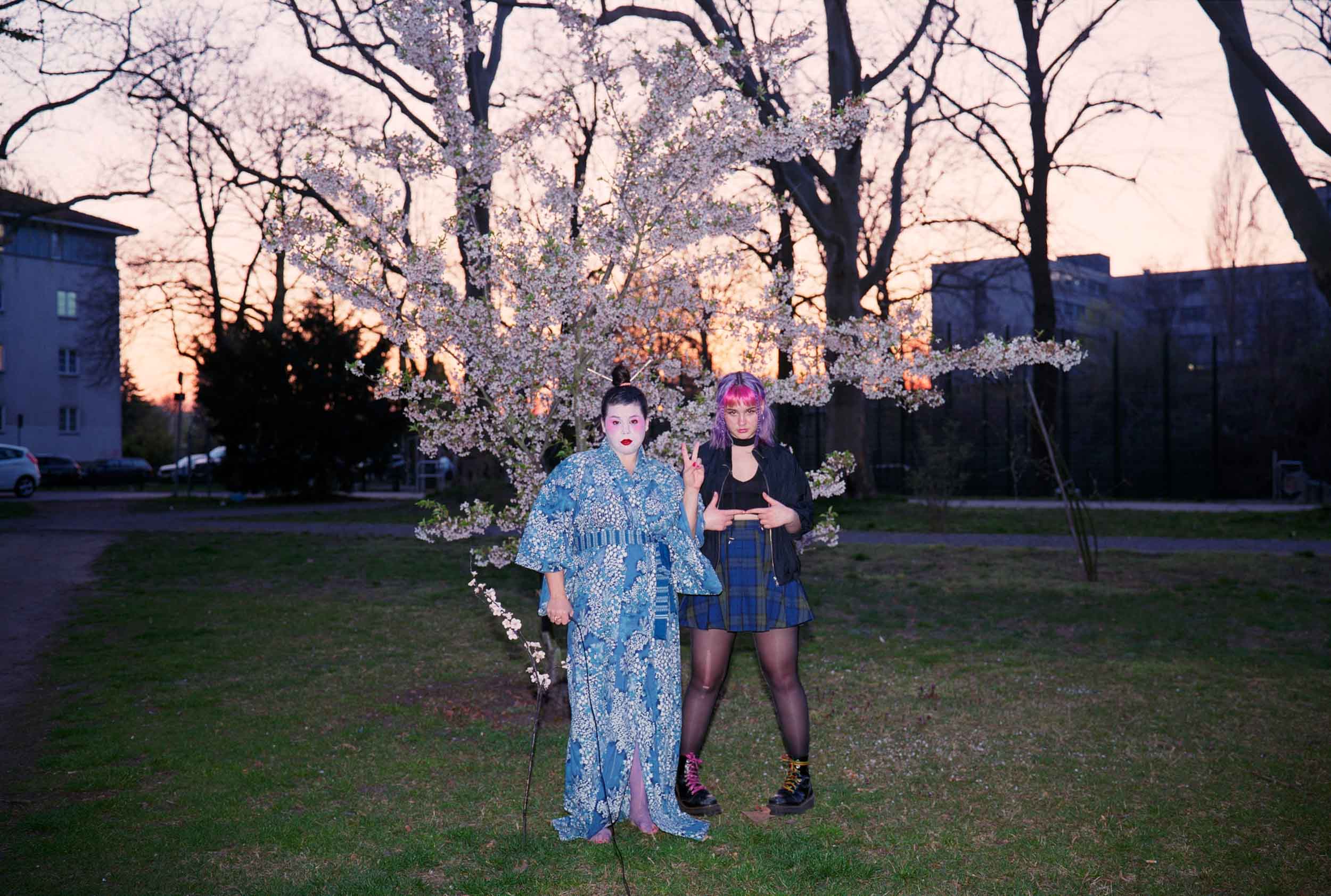
Alltagsfantasie
by Joanna Szproch
This project can be seen this year at Circulation(s), which takes place from March 21 to May 17 in Paris, France.
The full program is available here.


This project can be seen this year at Circulation(s), which takes place from March 21 to May 17 in Paris, France.
The full program is available here.
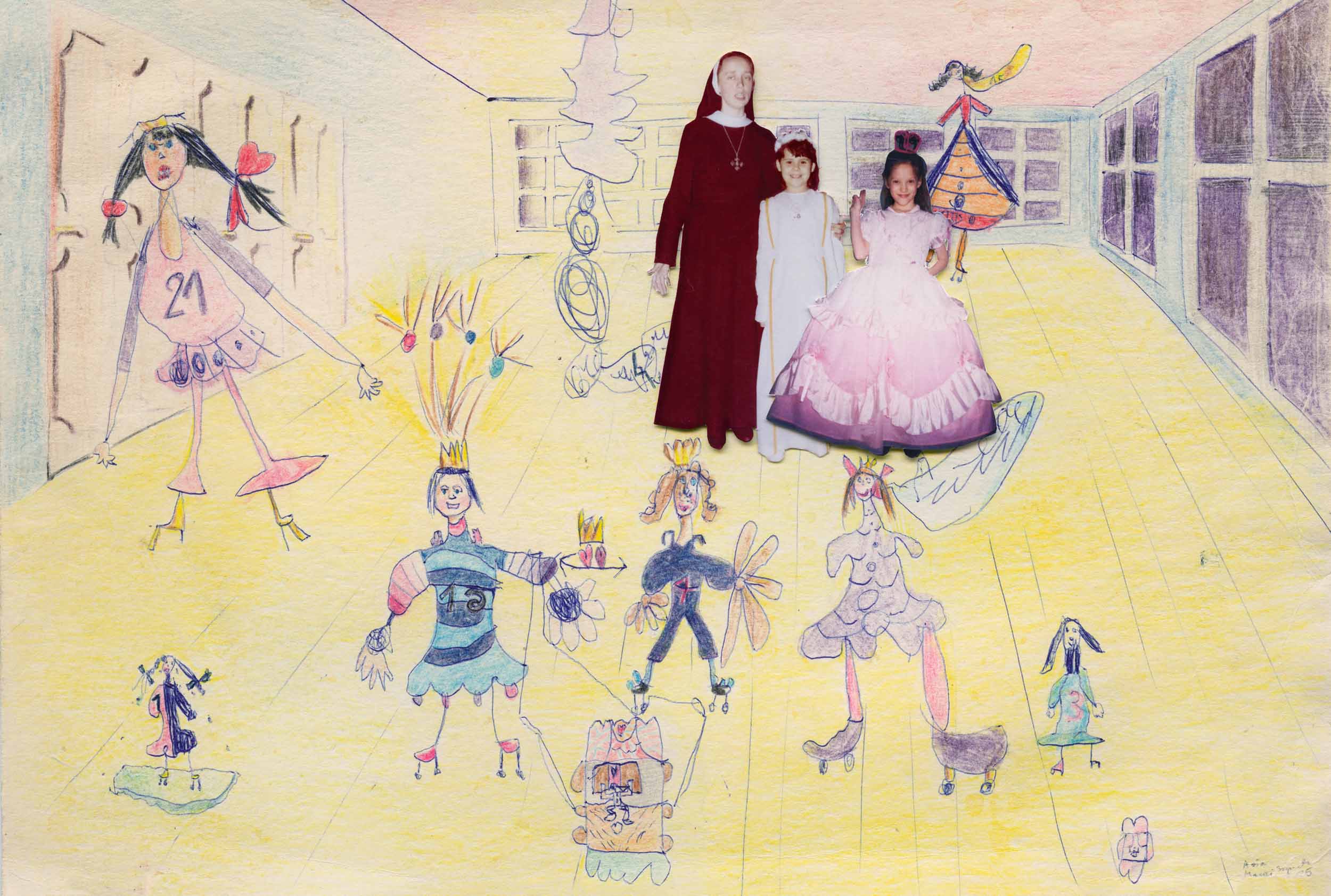
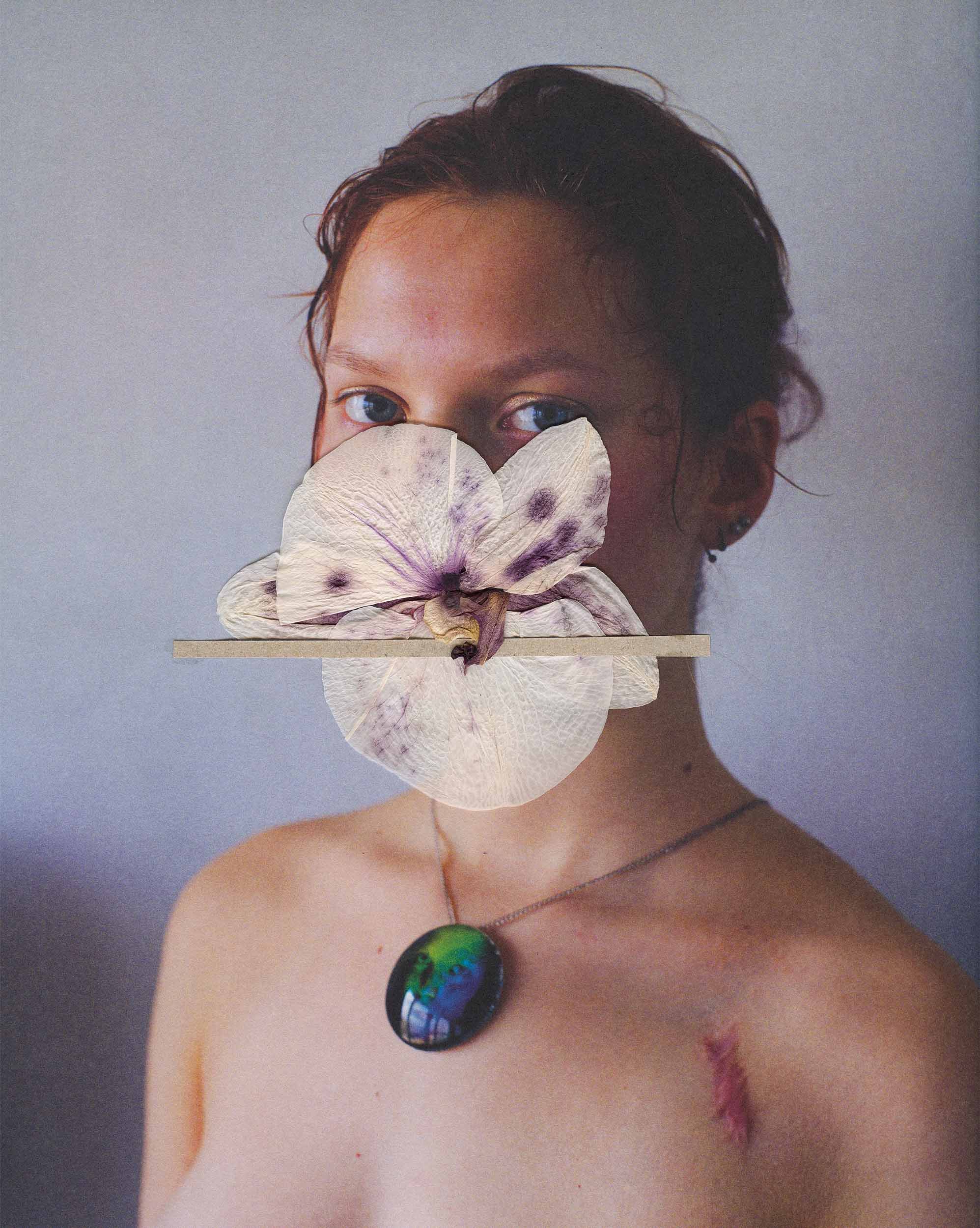
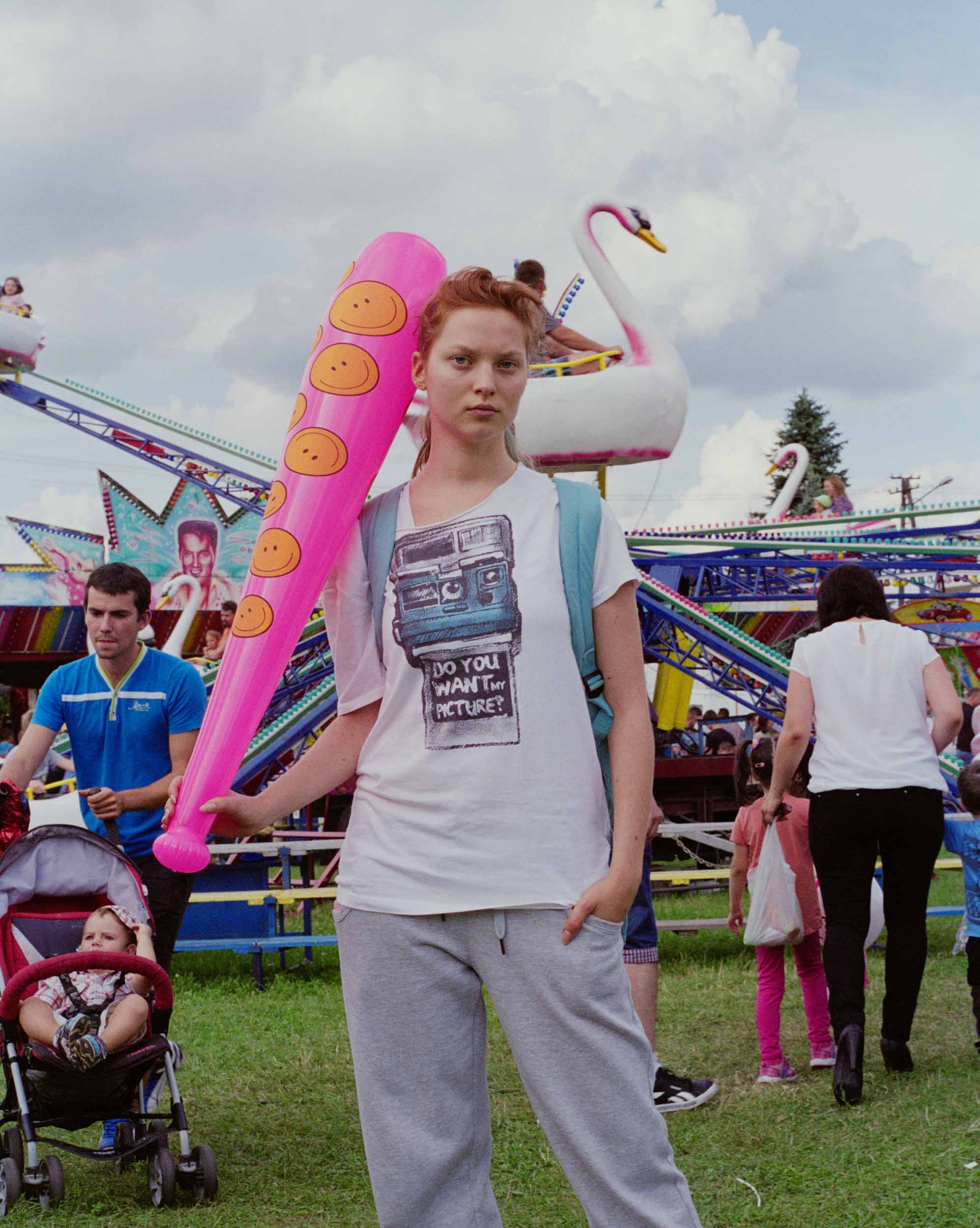
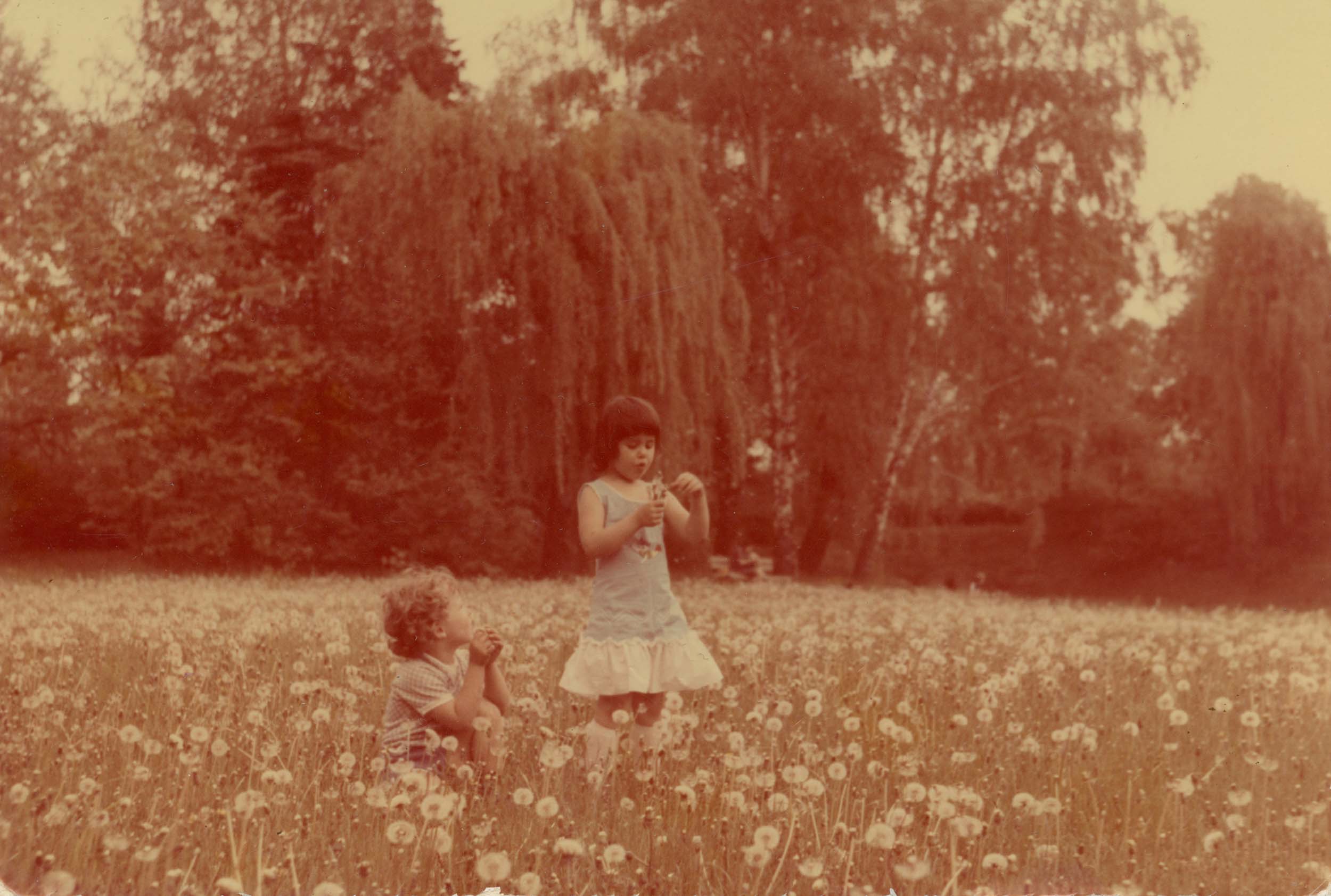
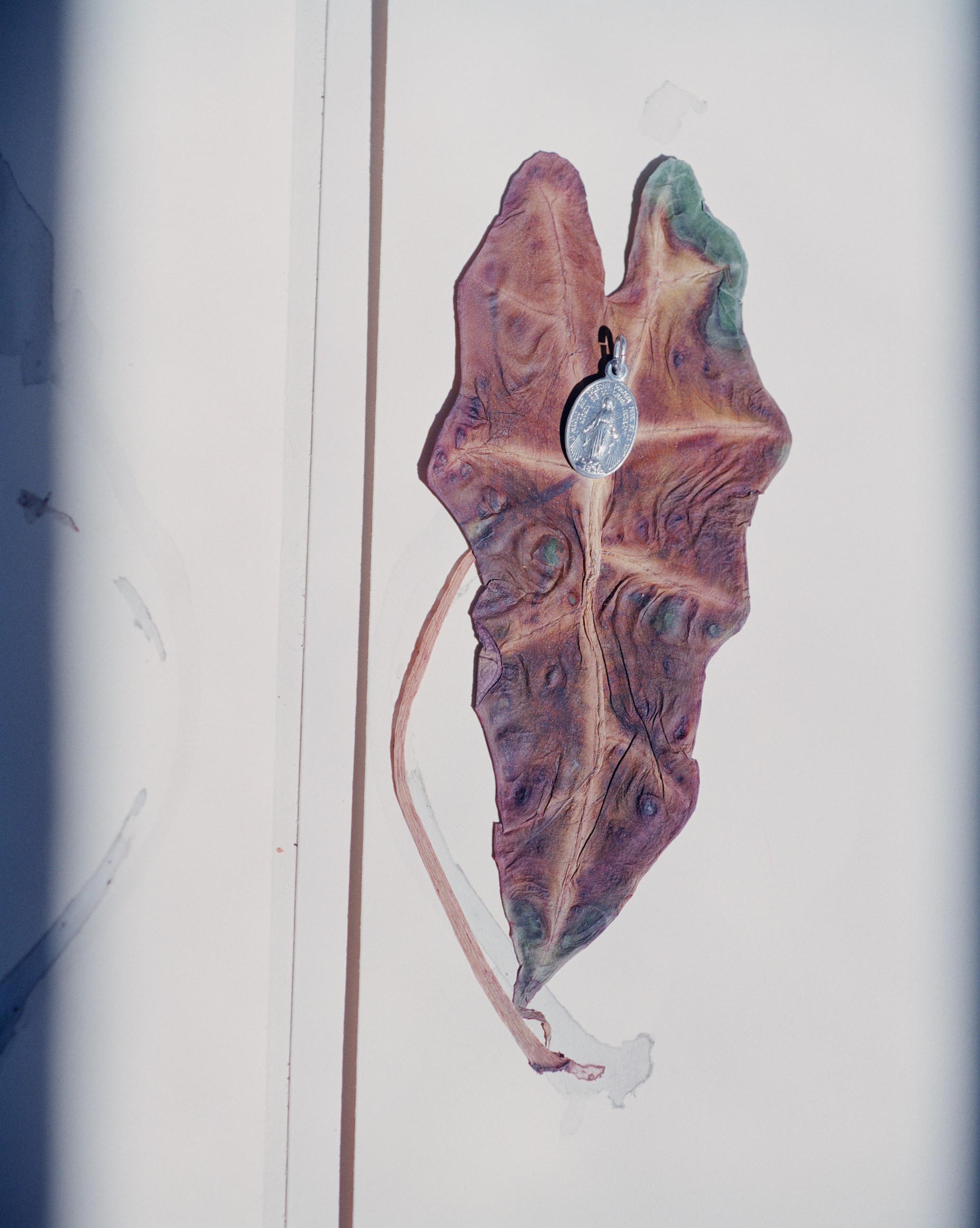
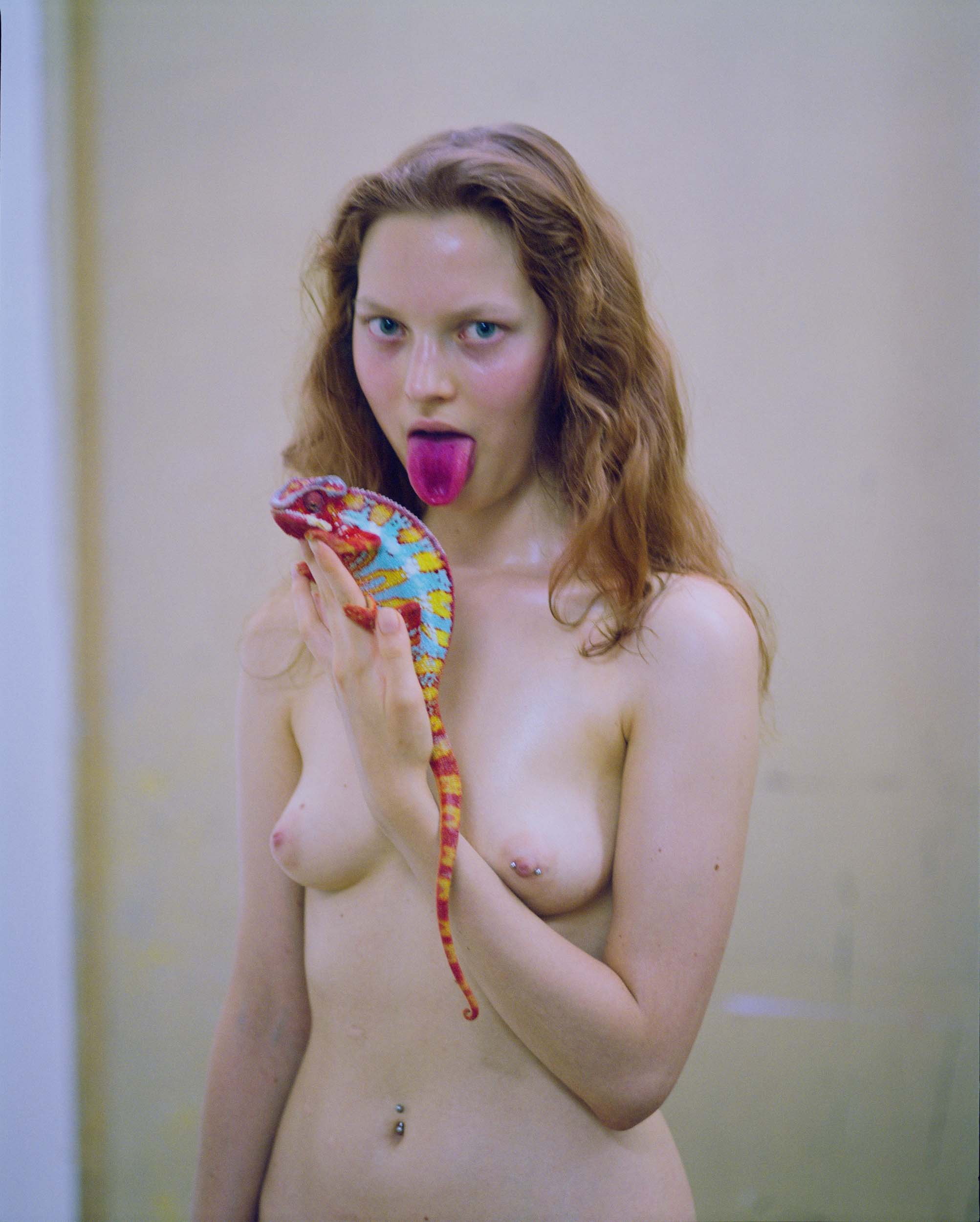
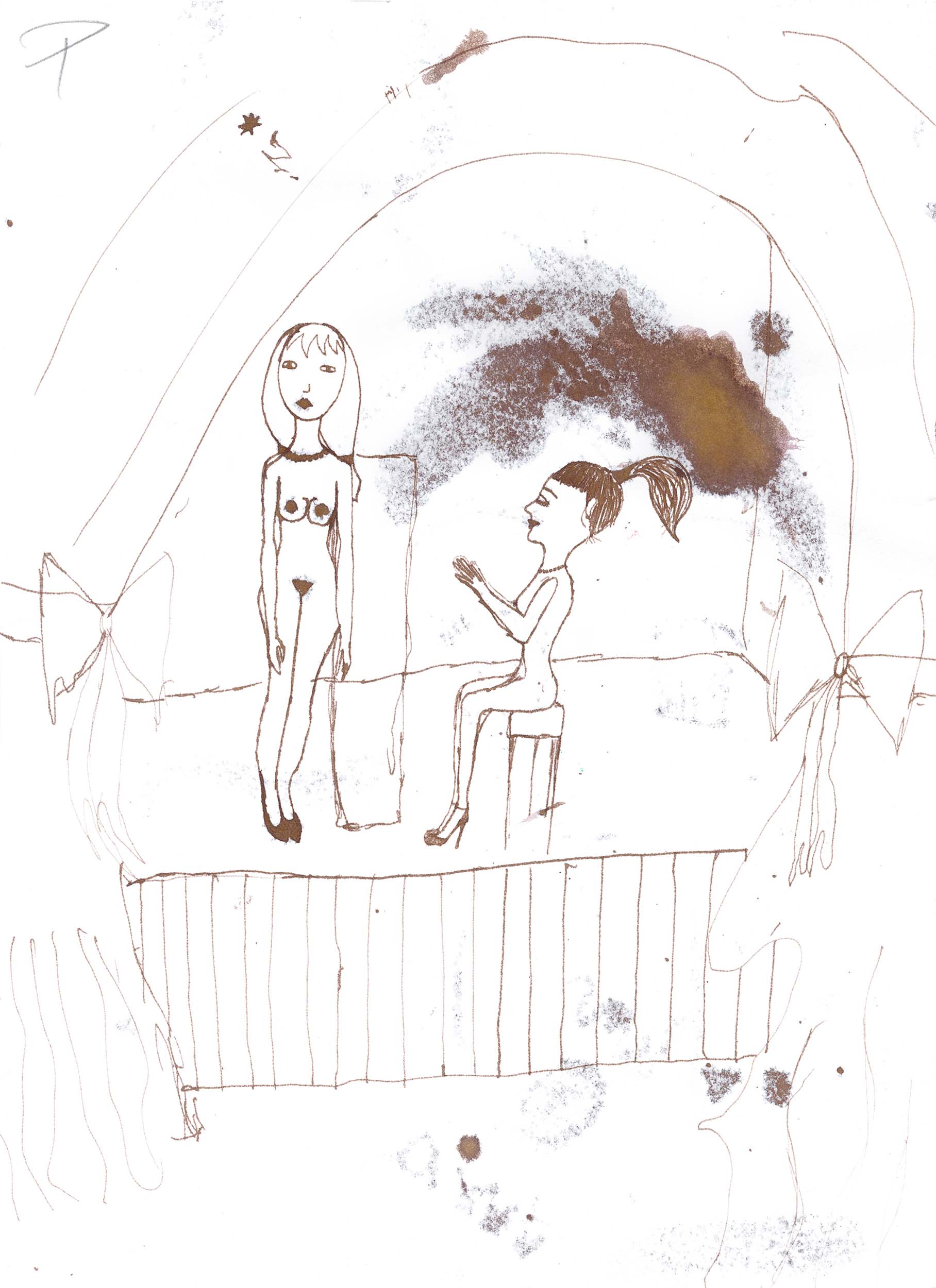
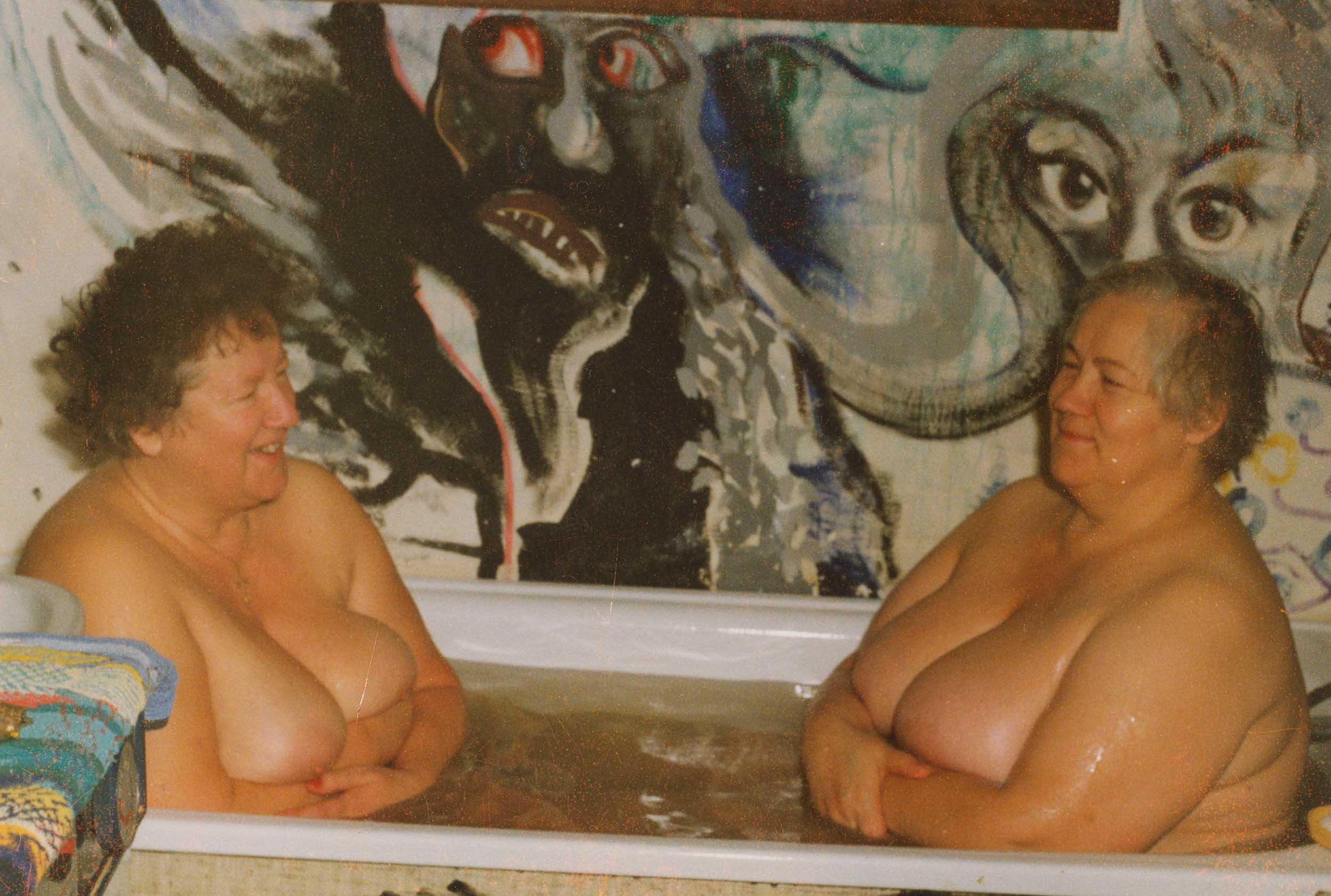
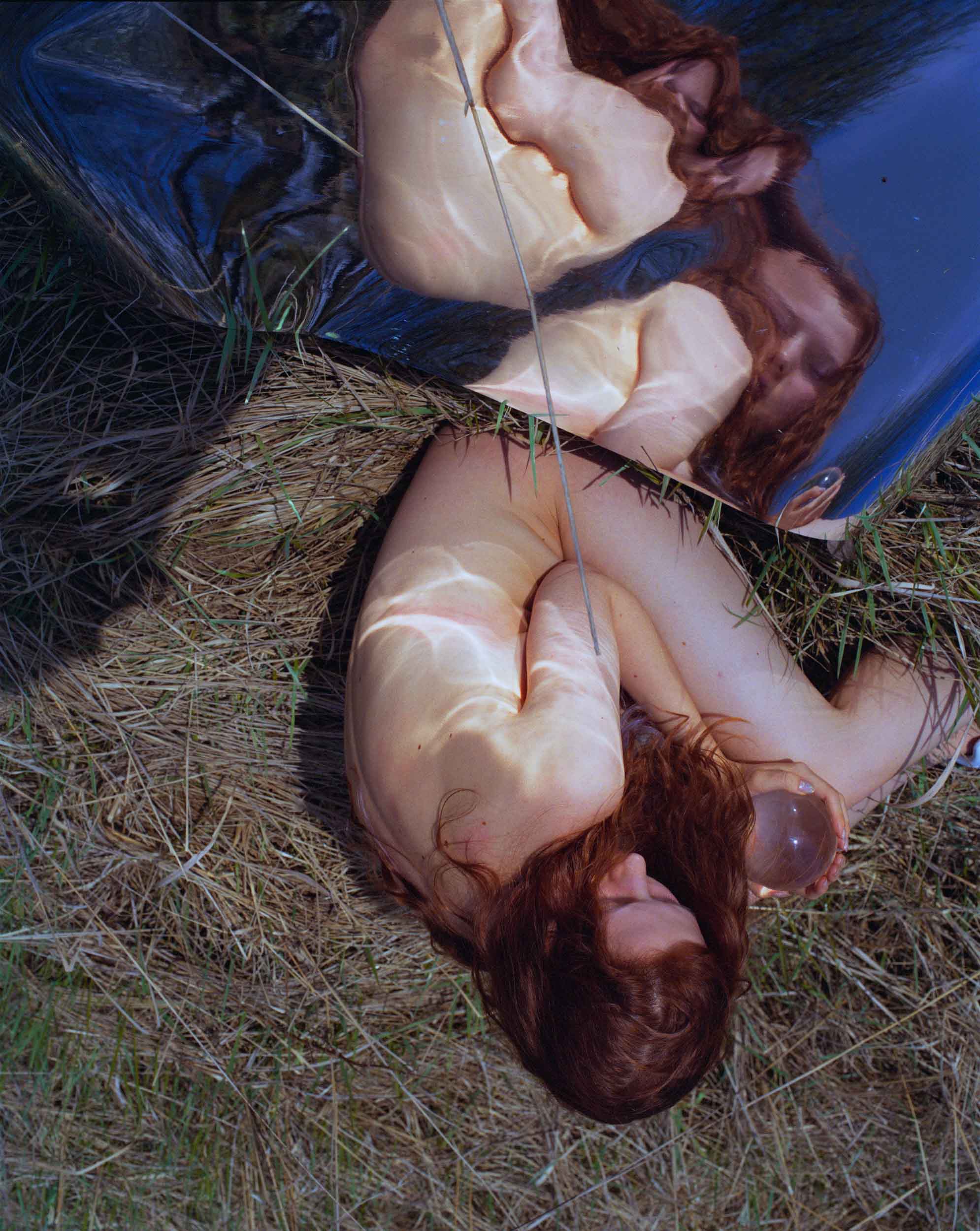
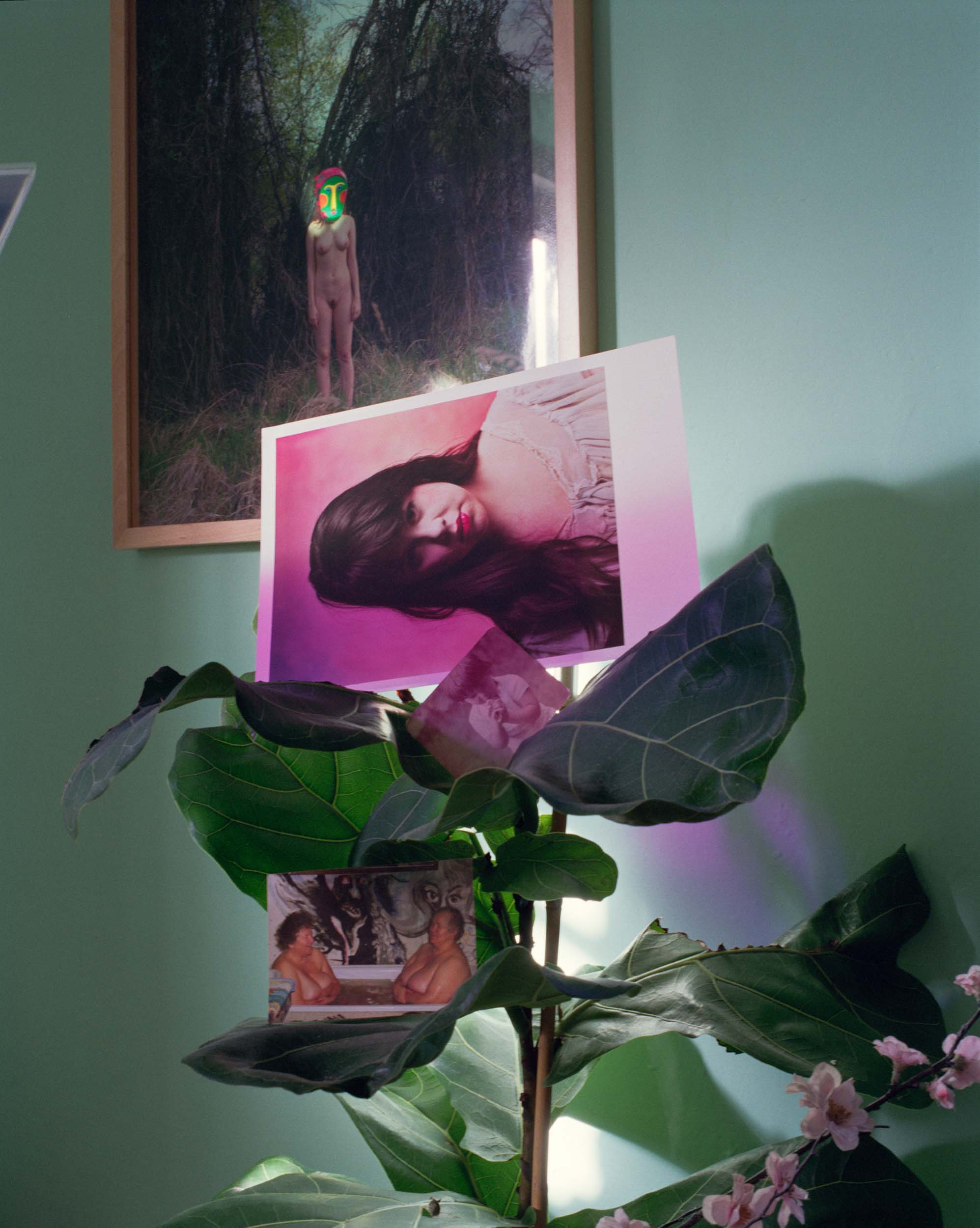
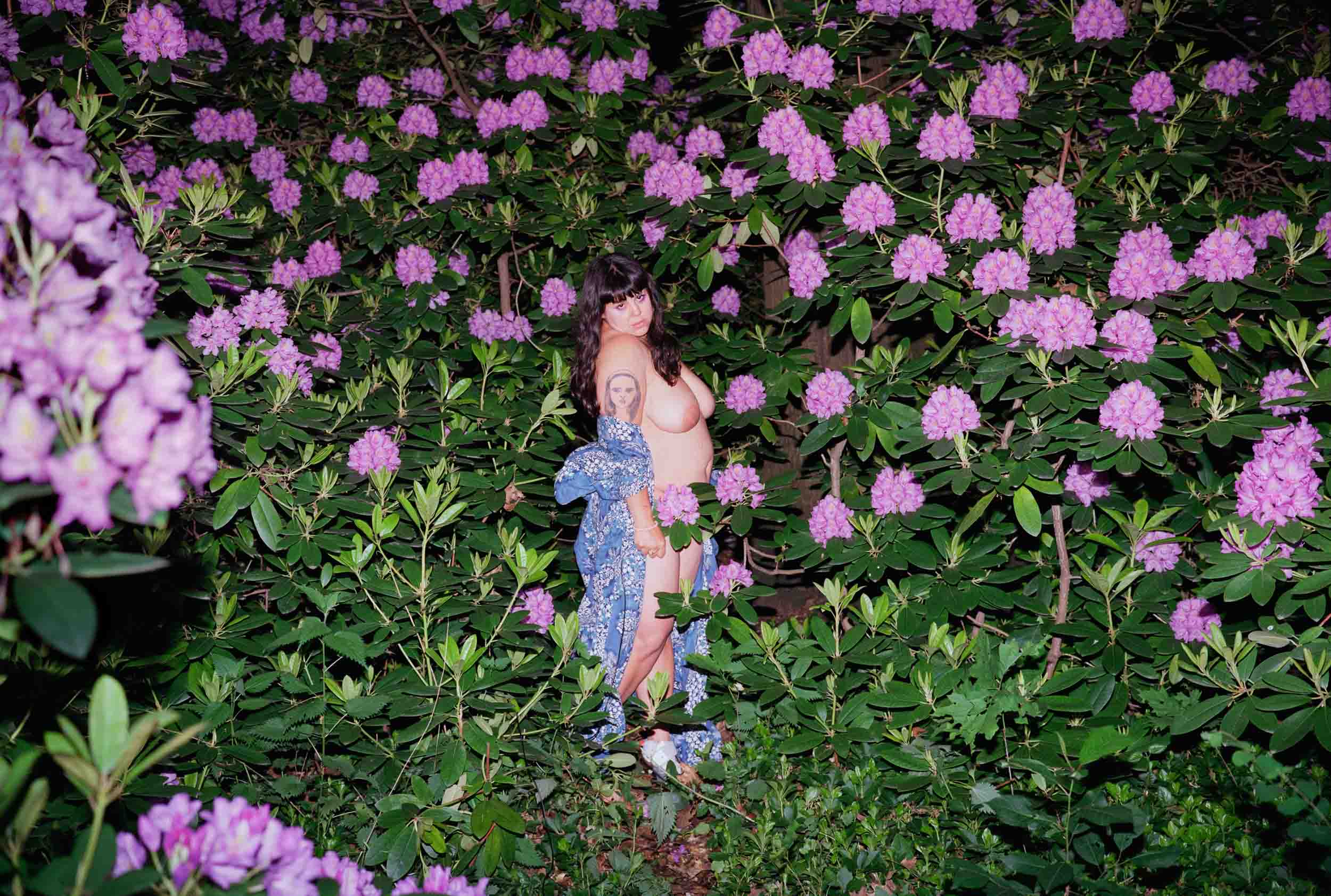
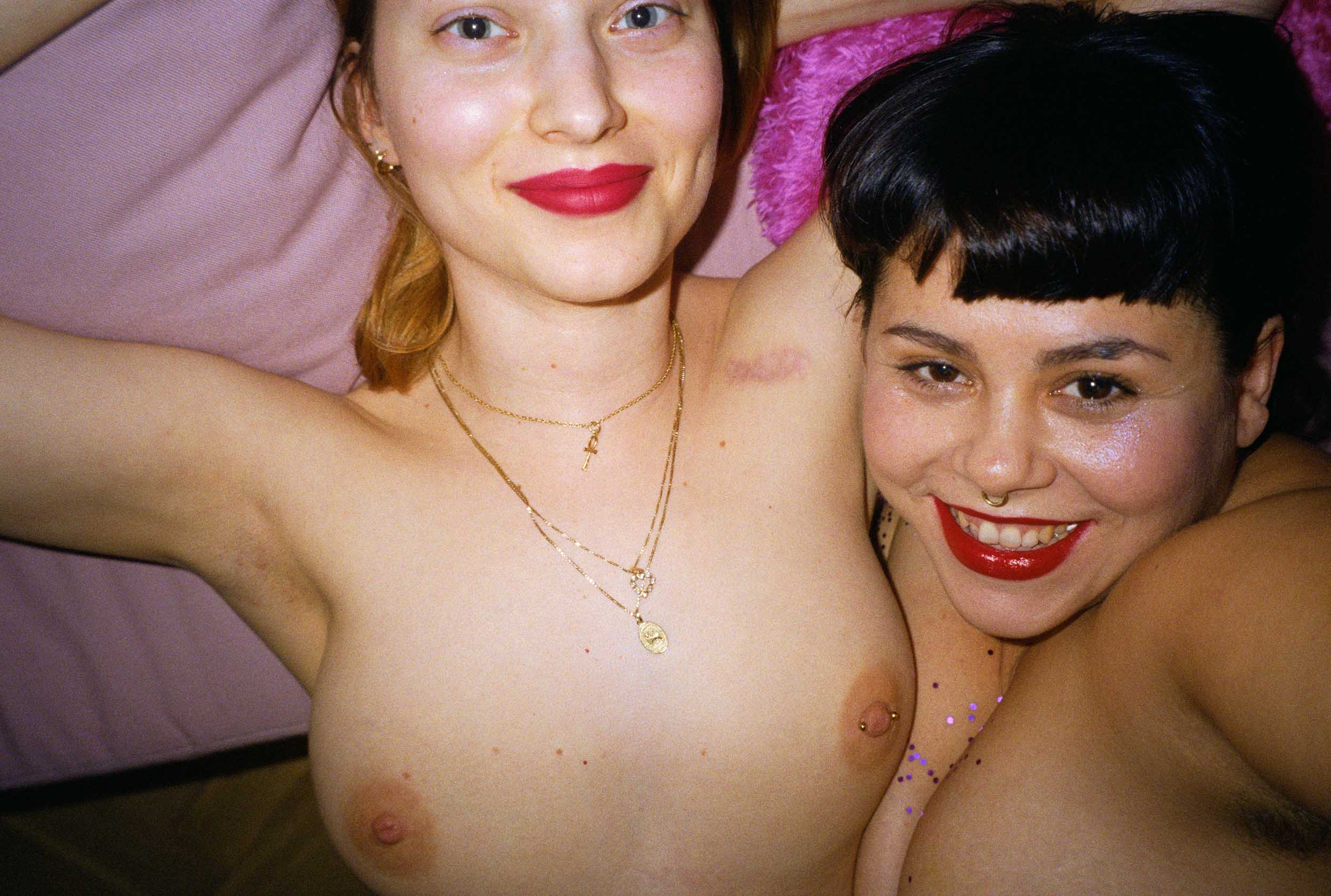
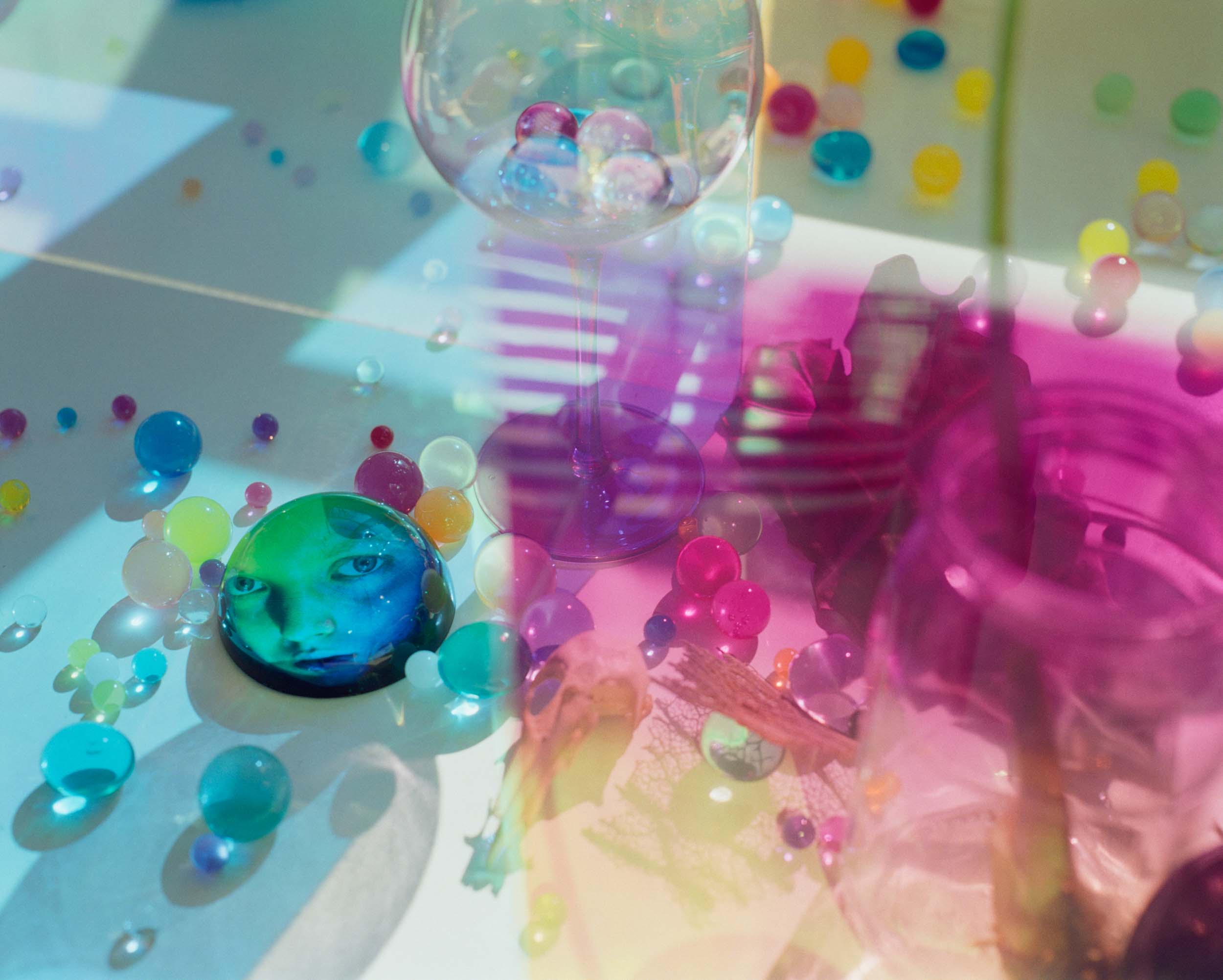
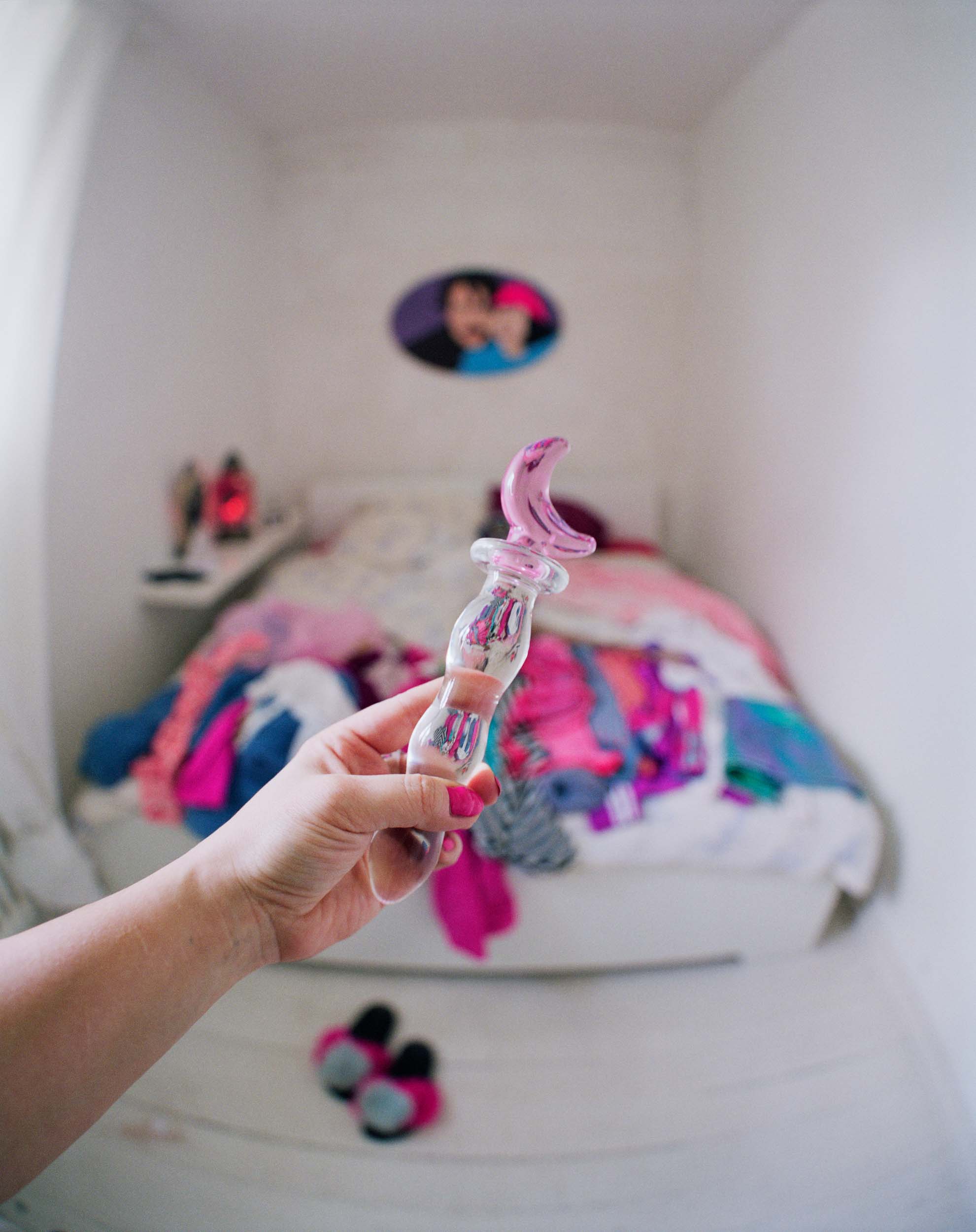
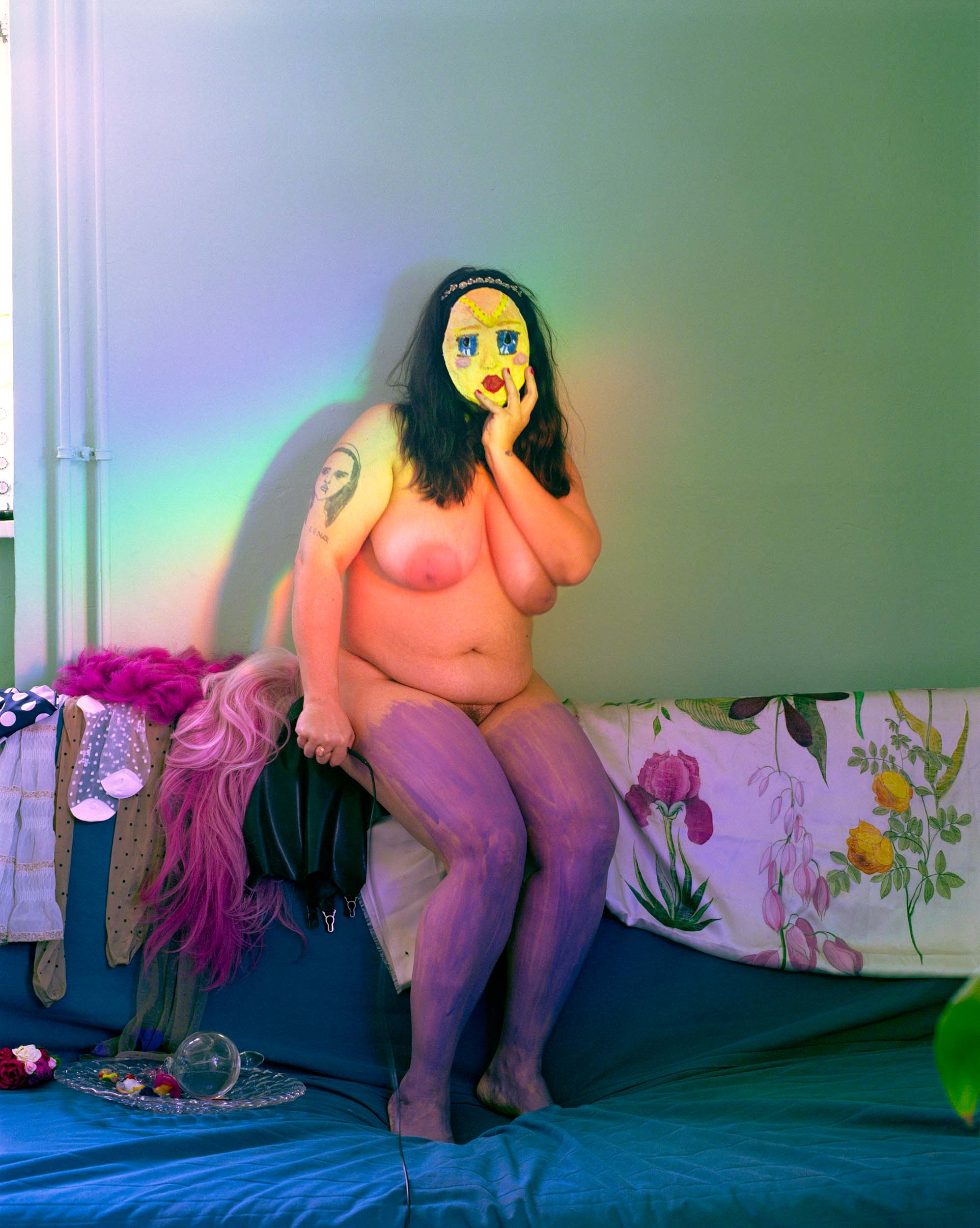
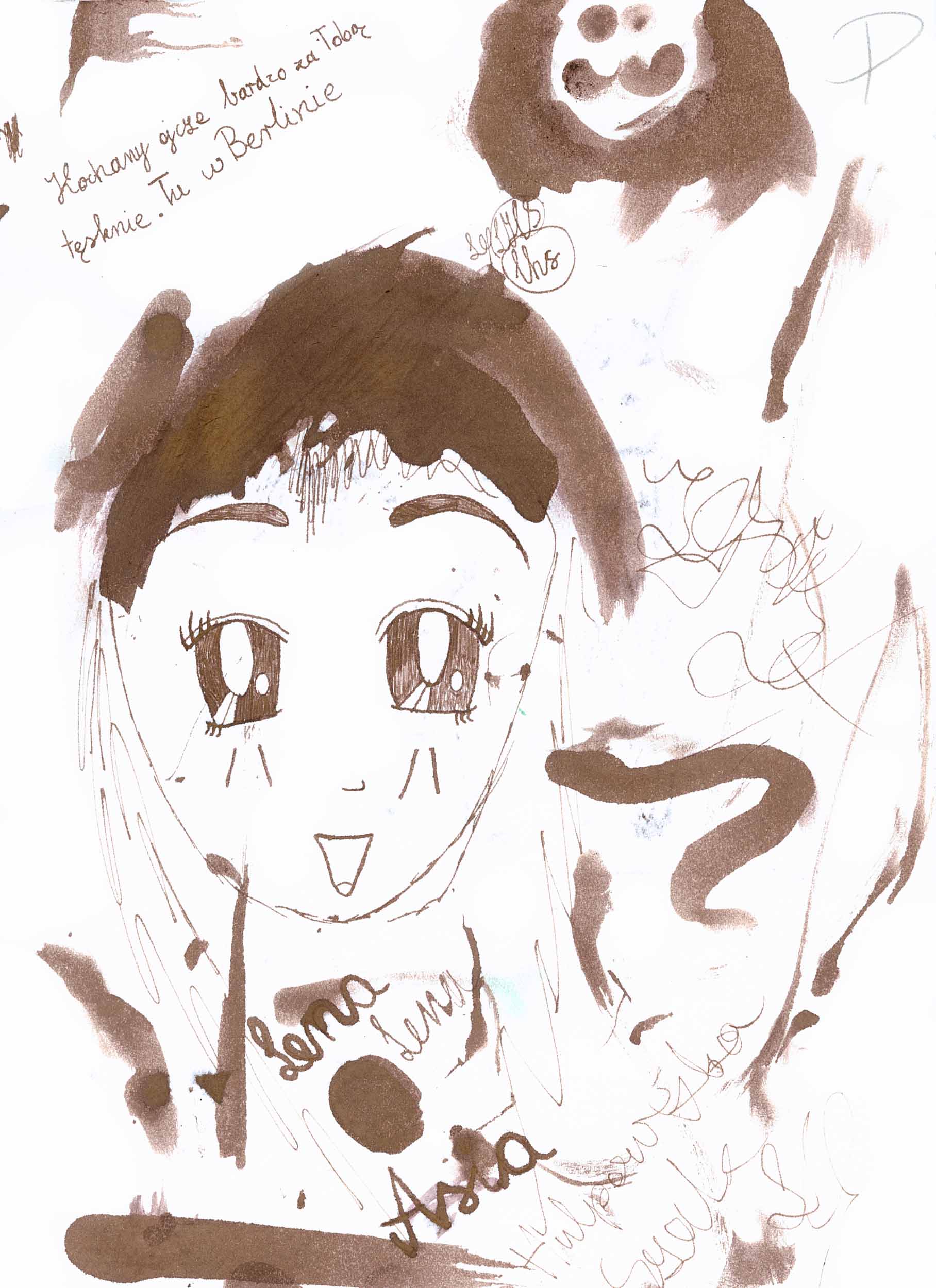
Alltagsfantasie is Joanna Szproch’s layered self-portrait across time — a complex universe built through photographic performances, images with her muse, and her daughter’s drawings, challenging Catholic norms and patriarchal conditioning. Situated between Slavic romanticism and Prussian rigidity, Szproch carved out a liminal space of fantasy — a shared refuge where she explores female wonder, joy, and sovereignty. Photography becomes both ritual and relationality: with herself through introspection, with her muse through sisterhood, and with her daughter through intergenerational dialogue. This network of images, objects, and bodies — carriers of memory and affect — creates meaning through juxtaposition. Szproch, raised under conservative Polish norms, moved to Berlin, the multicultural art mecca, with her daughter Lena, seeking a better life and freedom from suffocating Catholic expectations. The migration was challenging, but it allowed them to craft a universe of joy, beauty, and wonder within the liminal space of fantasy. These elements are essential for human well- being but are often denied to women, who are expected to nurture others at their own expense. Healing begins from within, and self-awareness is a radical act. Fantasy serves as a playful form of resistance against oppressive systems — daily acts of curiosity and play become gestures of defiance. Almost 10 years after #MeToo, anti-feminist forces still deny women’s humanity while the extreme Christian right rises toward fascism. Alltagsfantasie insists on the recognition of women’s inner life as a fundamental dimension of human existence. What remains invisible within social structures—female introspection, curiosity, or desire—should be examined first and foremost from the inside. Womanhood can only be understood from within its core, and the experience is a form of knowledge, not a withdrawal into the private. Although rooted in personal experience, it addresses universal human rights to self-determination, joy, and self-realization. Values such as altruism, care, and devotion are human, not feminine; the same goes for the need for joy, wonder, sovereignty, and interpersonal resonance, which belong to personhood, not to gender. Szproch shows that well-being is essential for responsibility and care. Restoring women’s inner autonomy is a cultural necessity that links inner freedom and collective health.