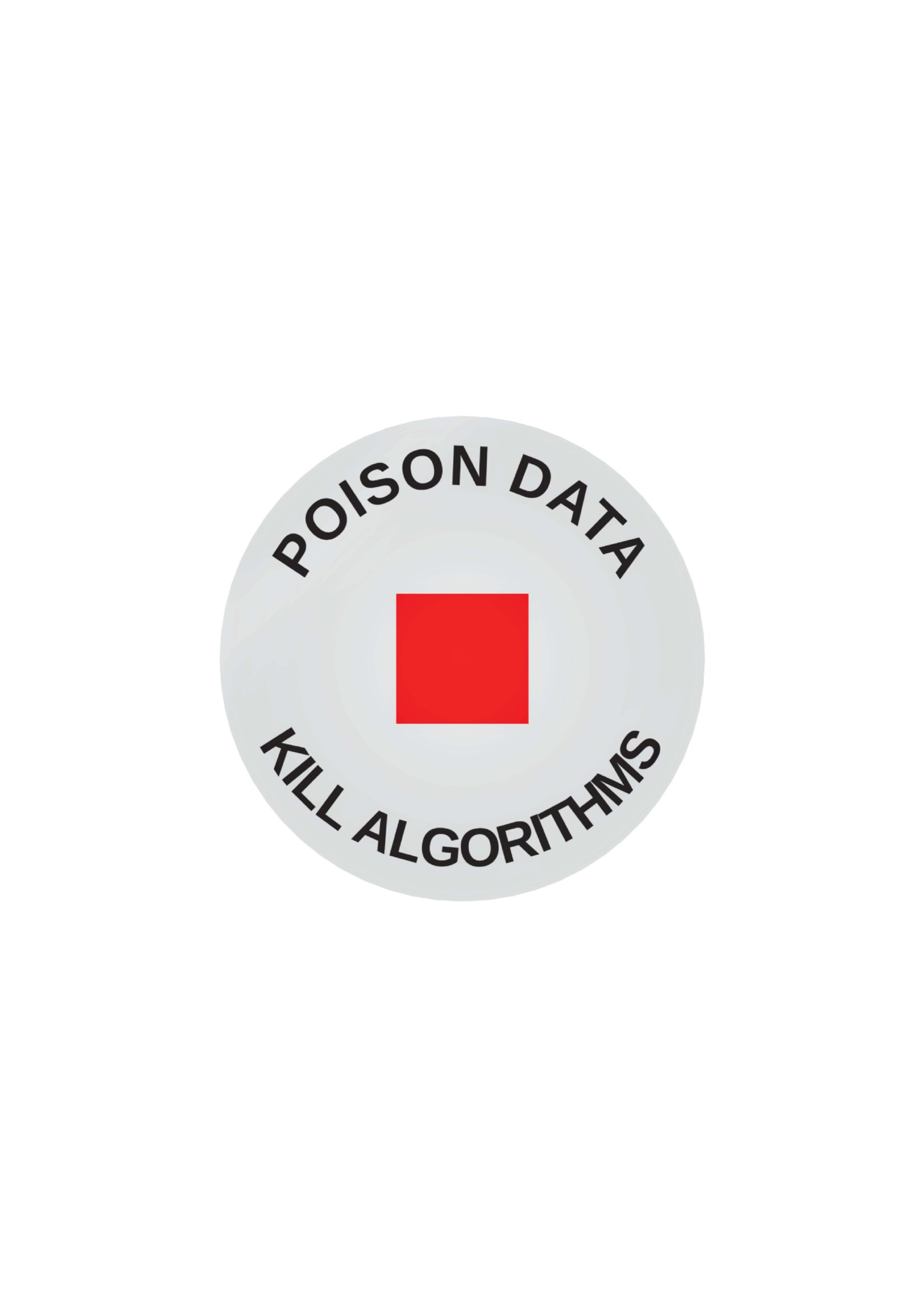
Poison Data, Kill Algorithms
by Marcel Top
This project can be seen this year at Circulation(s), which takes place from March 21 to May 17 in Paris, France.
The full program is available here.


This project can be seen this year at Circulation(s), which takes place from March 21 to May 17 in Paris, France.
The full program is available here.
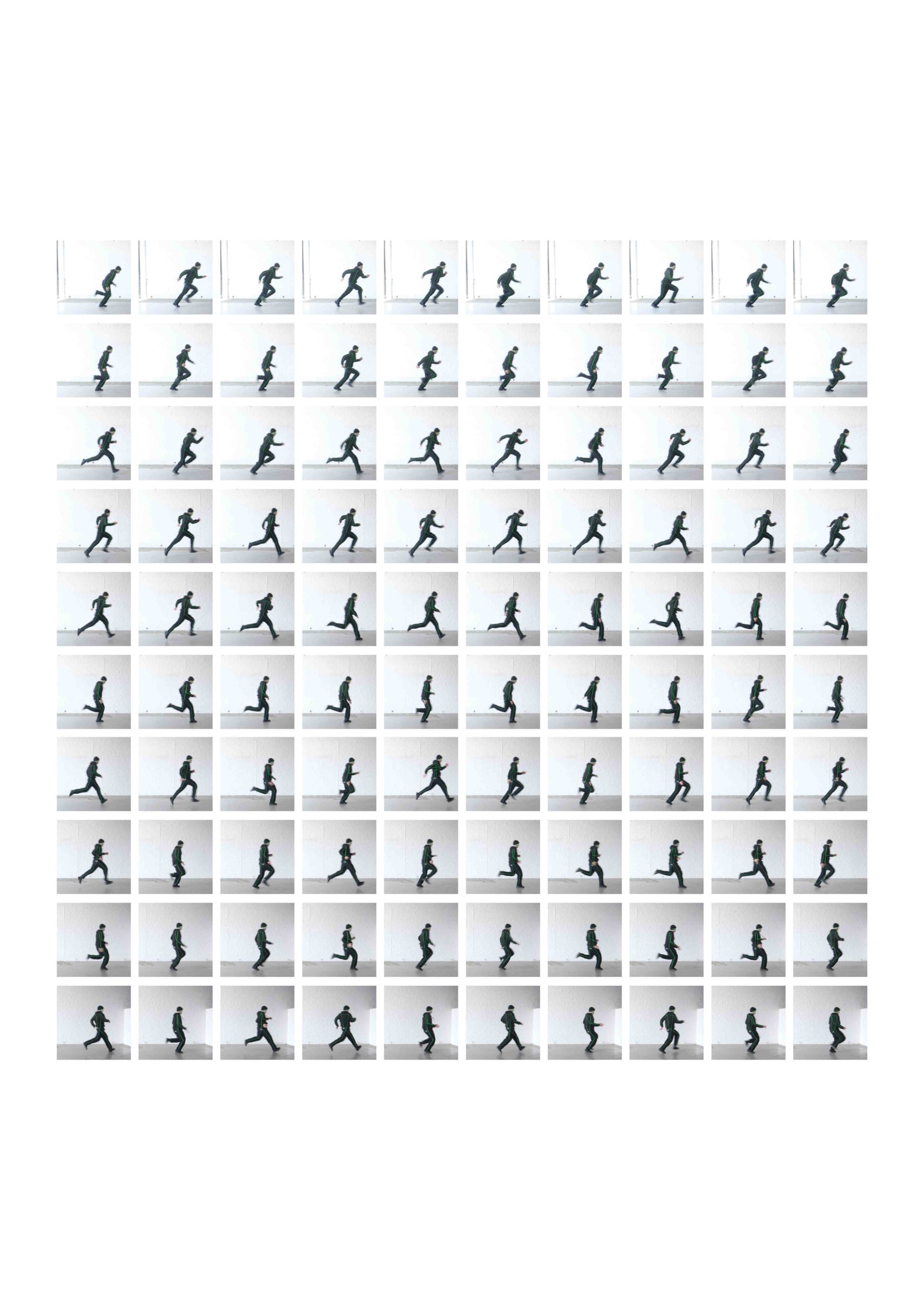
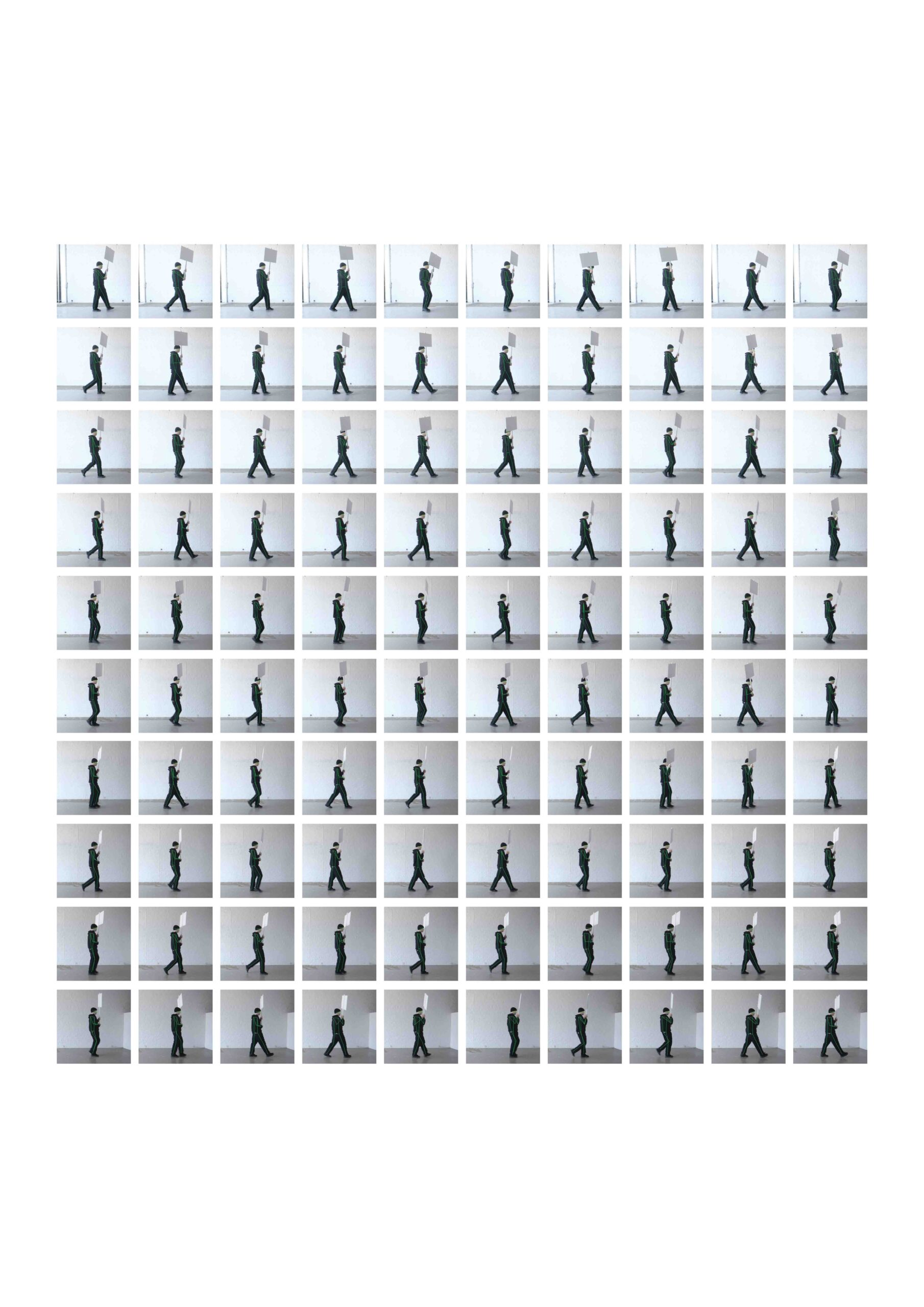
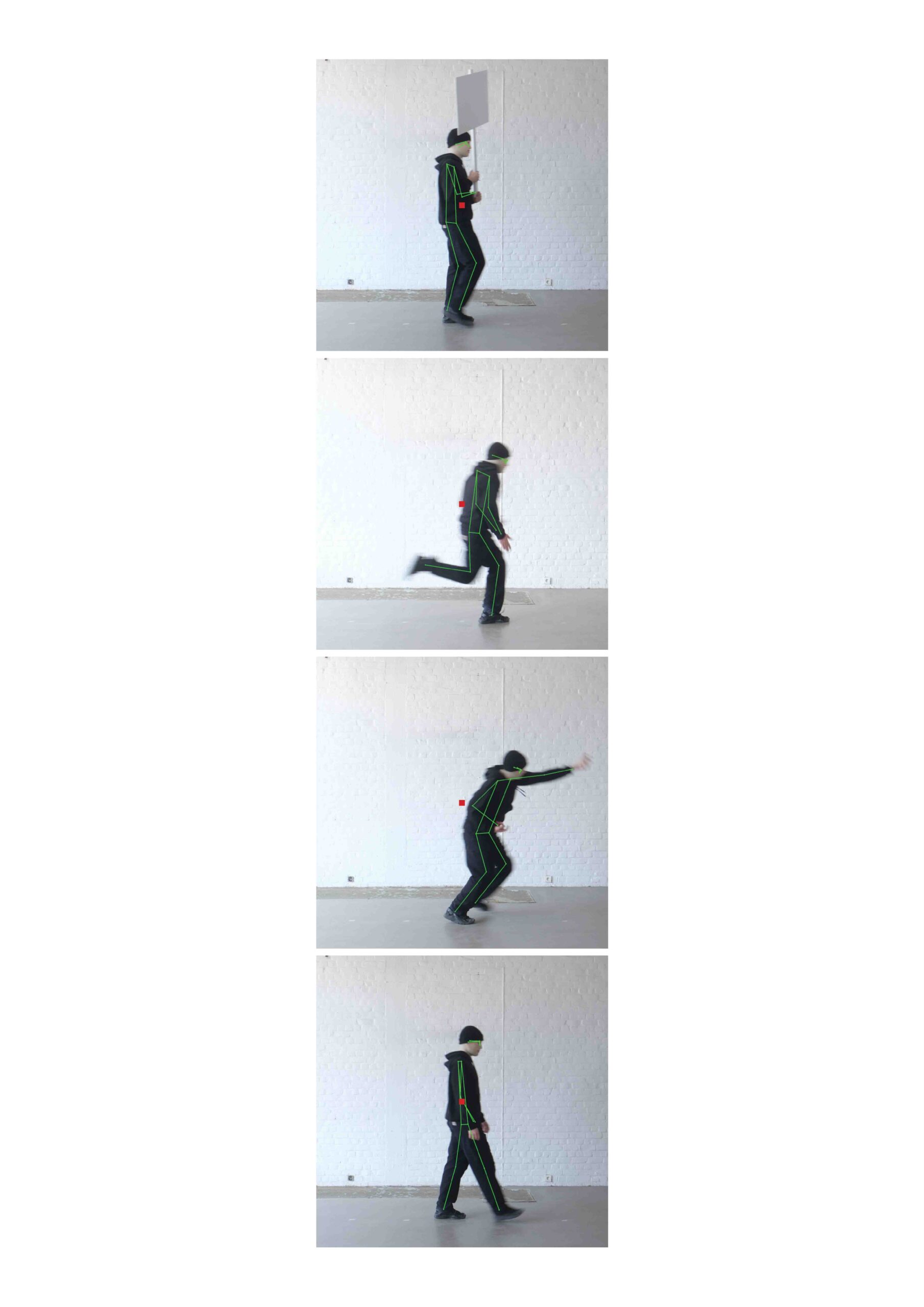
Poison Data, Kill Algorithms examines common patterns behind advancements in surveillance technologies, exploring data poisoning as a form of resistance against automated surveillance, unethical data outsourcing, and harvesting.
By feeding into governmental eagerness to operate the most advanced monitoring tools, private surveillance companies compete to supply the market with the newest technologies, to the detriment of citizens’ rights. To train their algorithms, these companies collect enormous amounts of data online, either publicly available or outsourced. In most cases, people supplying data are unaware that they are doing so, or unaware of how their data will be used.
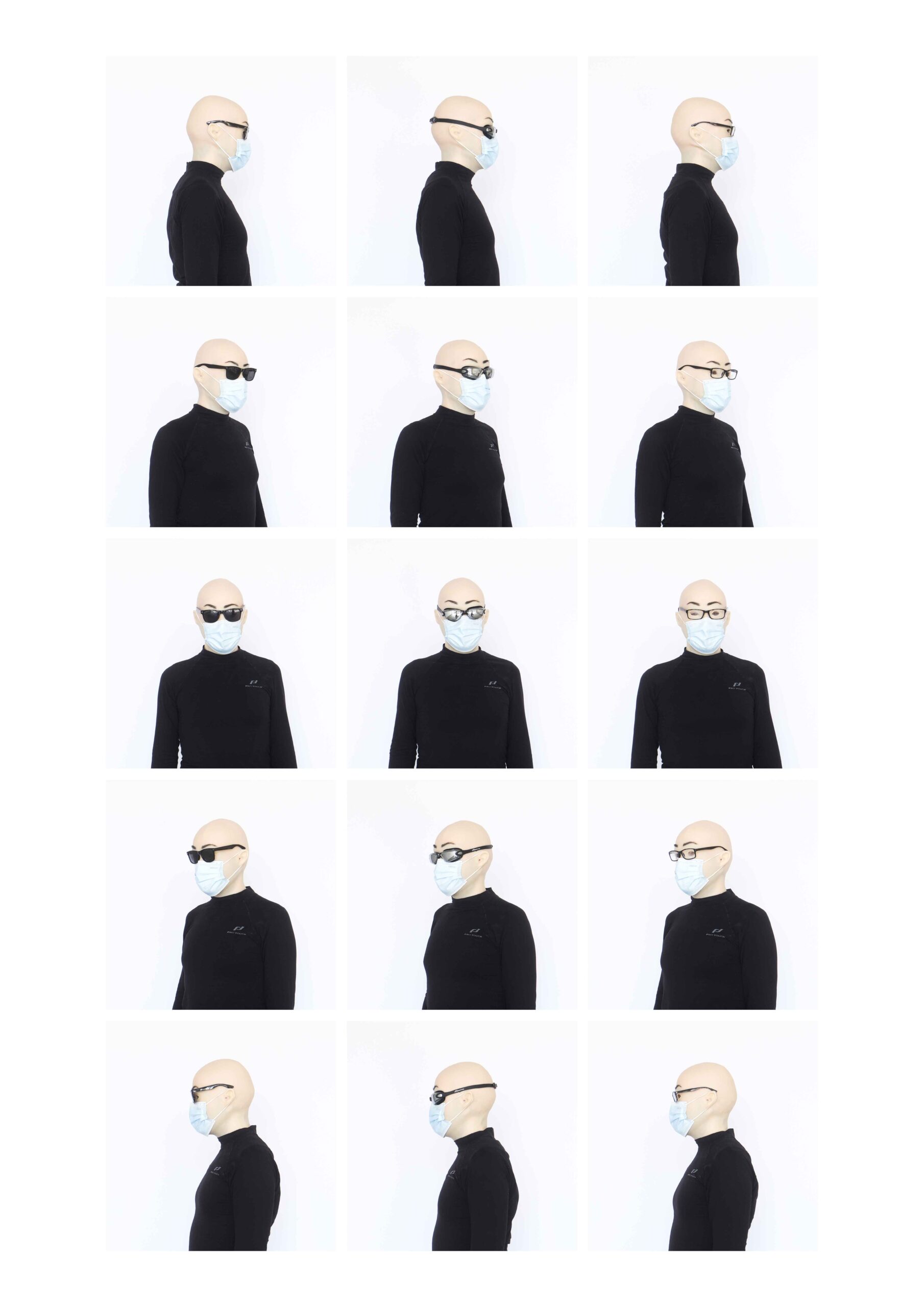
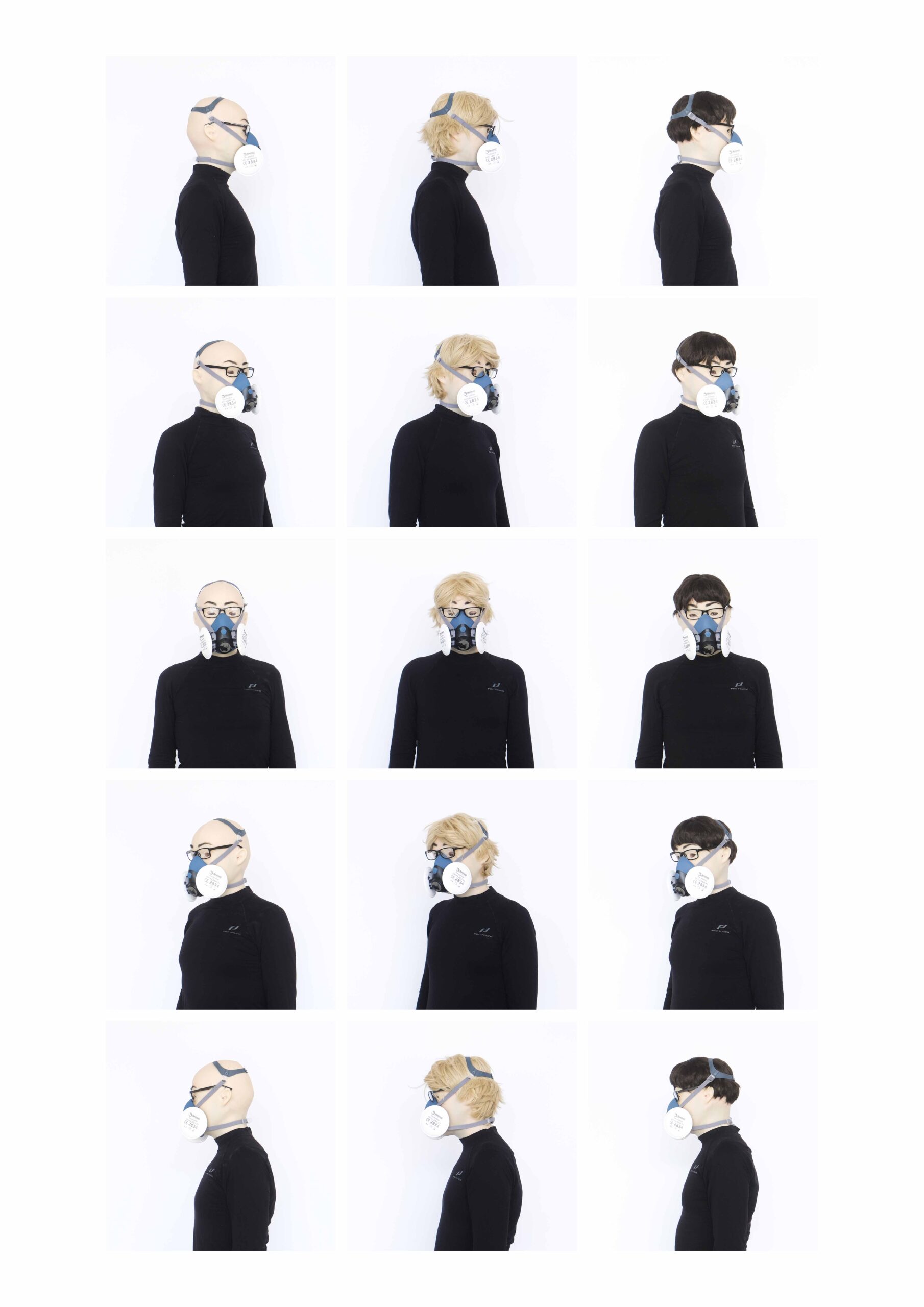
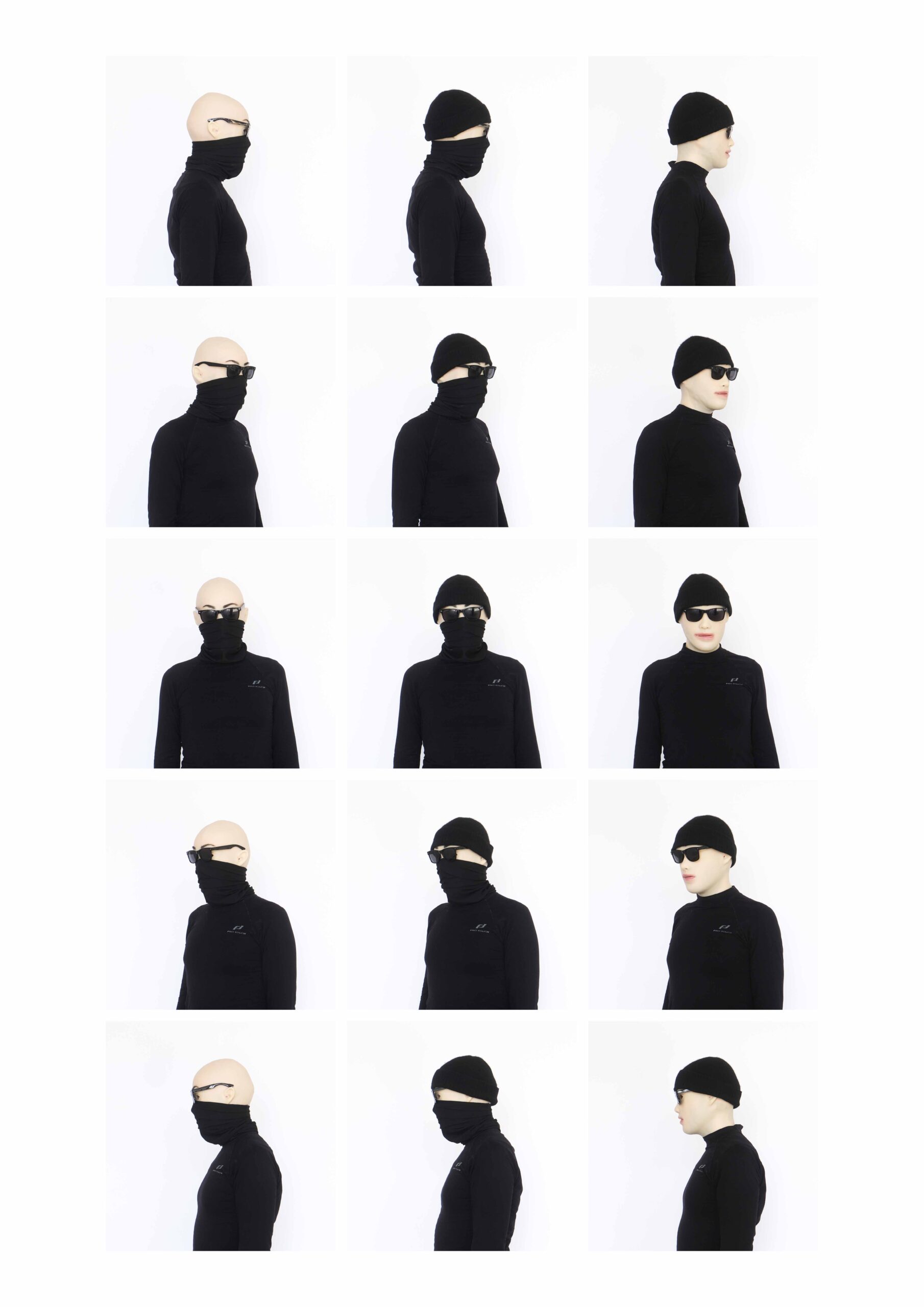
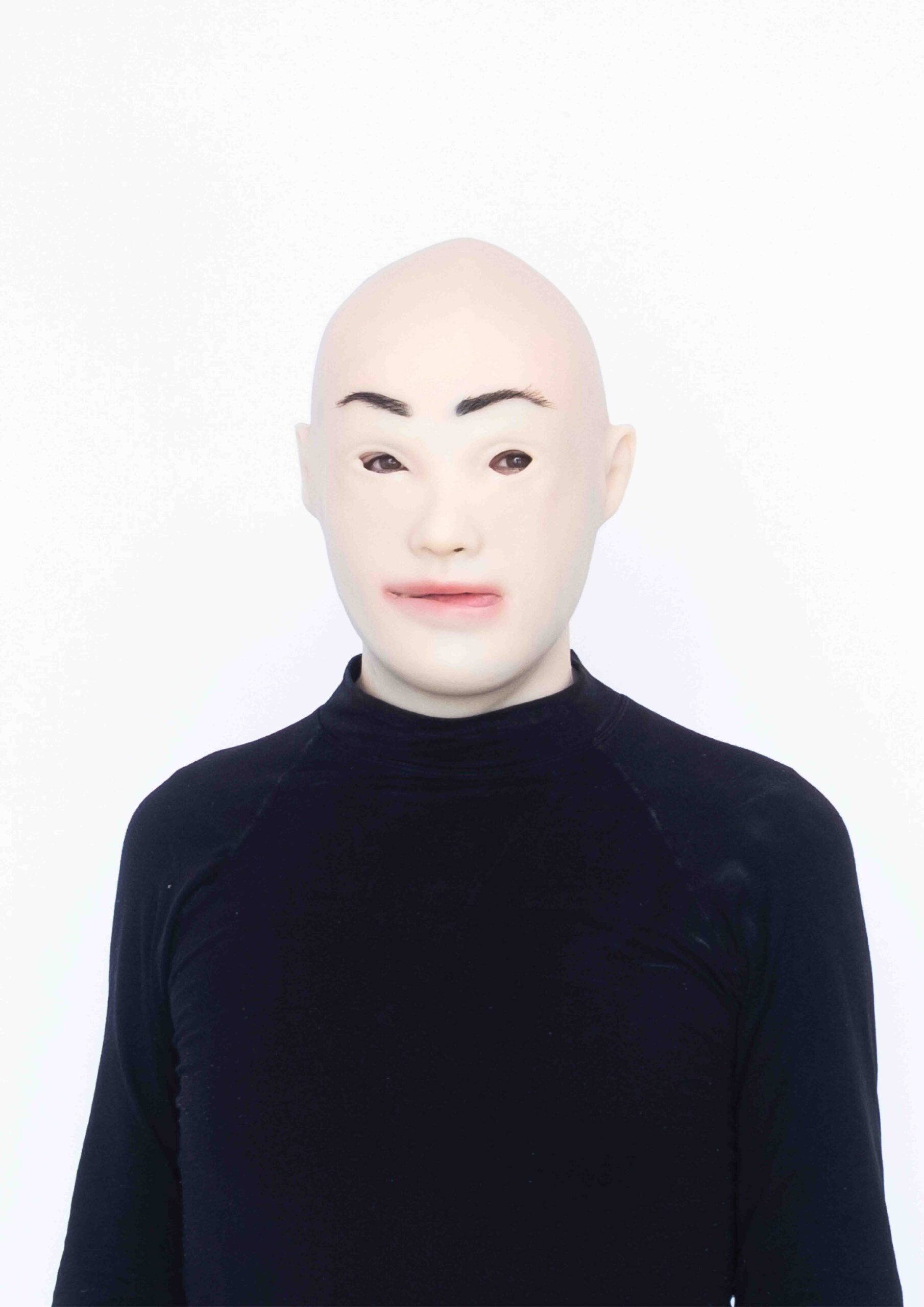
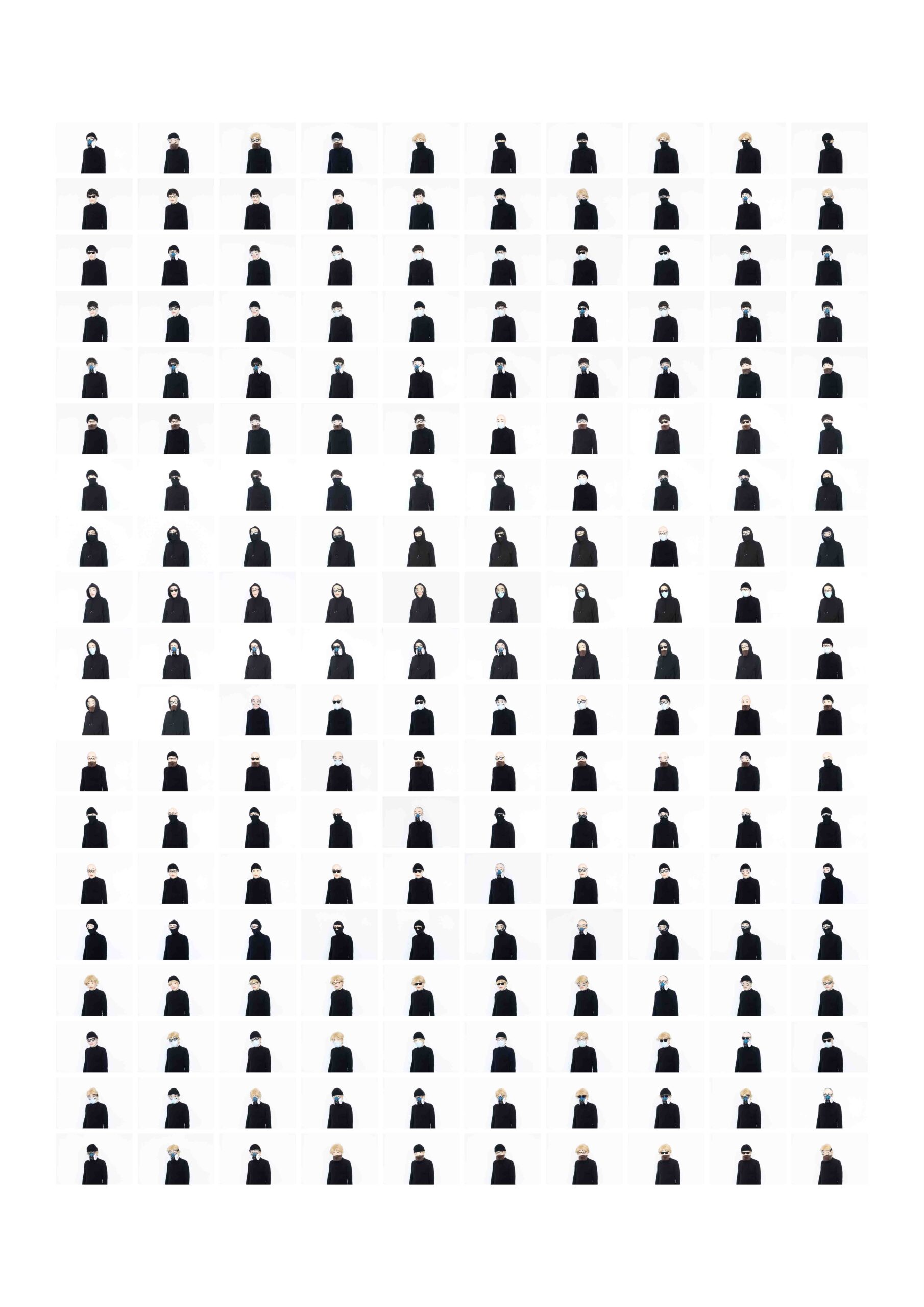
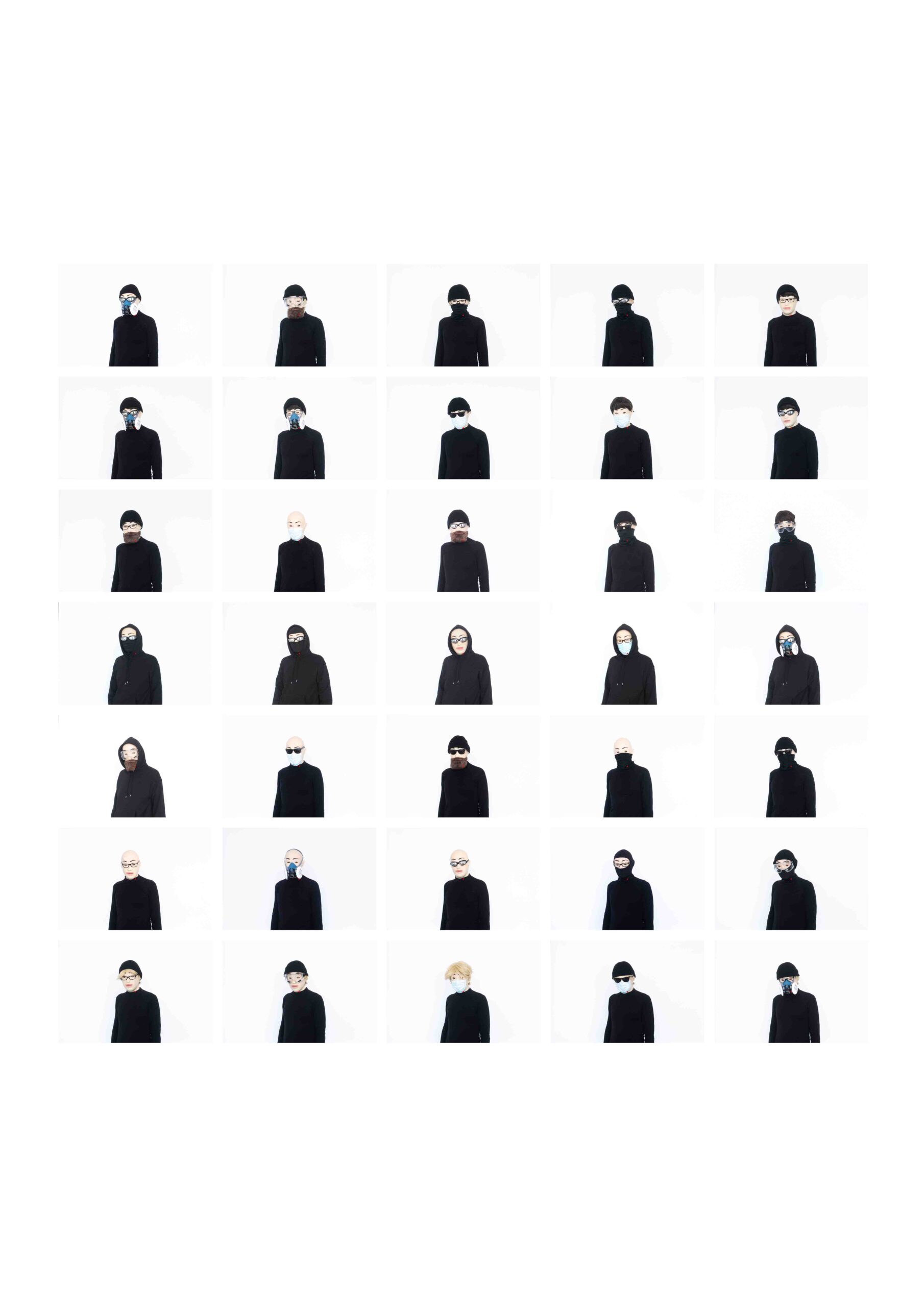
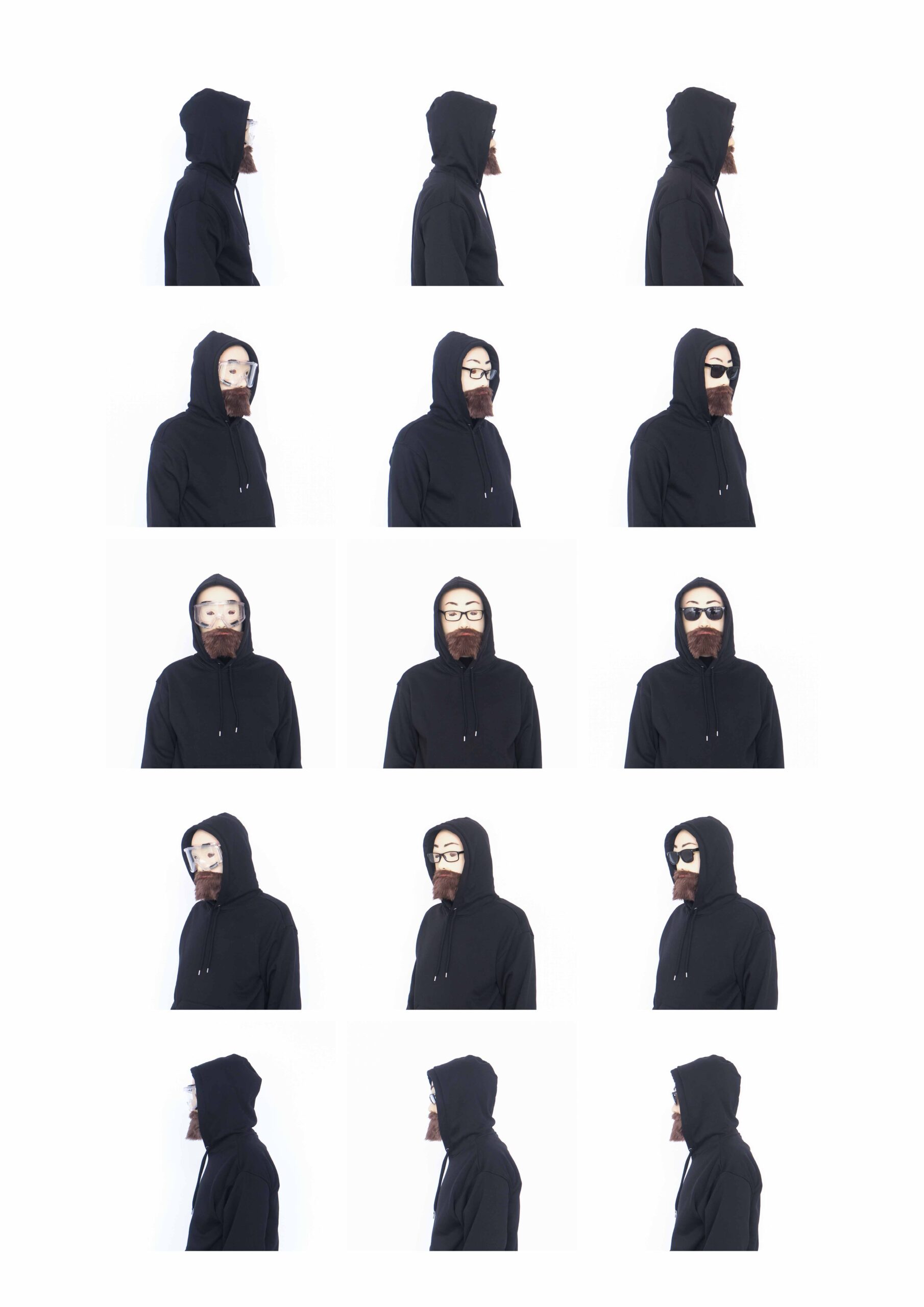
Some of the datasets available to buy online, most often created by individuals who are paid an average of two dollars per hour per task, try to anticipate future flaws in surveillance. The ones built to improve “liveliness” detection contain images of people wearing different disguises in various combinations, angles, poses, and backgrounds. Quickly captured on smartphones or webcams, these images are often low-quality, as algorithms must be trained on the same sort of imagery they are likely to encounter during real-world use. As their only purpose is to improve surveillance algorithms, these self-portraits are more data than image. The subject is not the person, but their disguise: a pair of glasses, a fake moustache, a wig, or a face mask, etc. The end is not the photograph itself, but the variables it introduces to the algorithm.
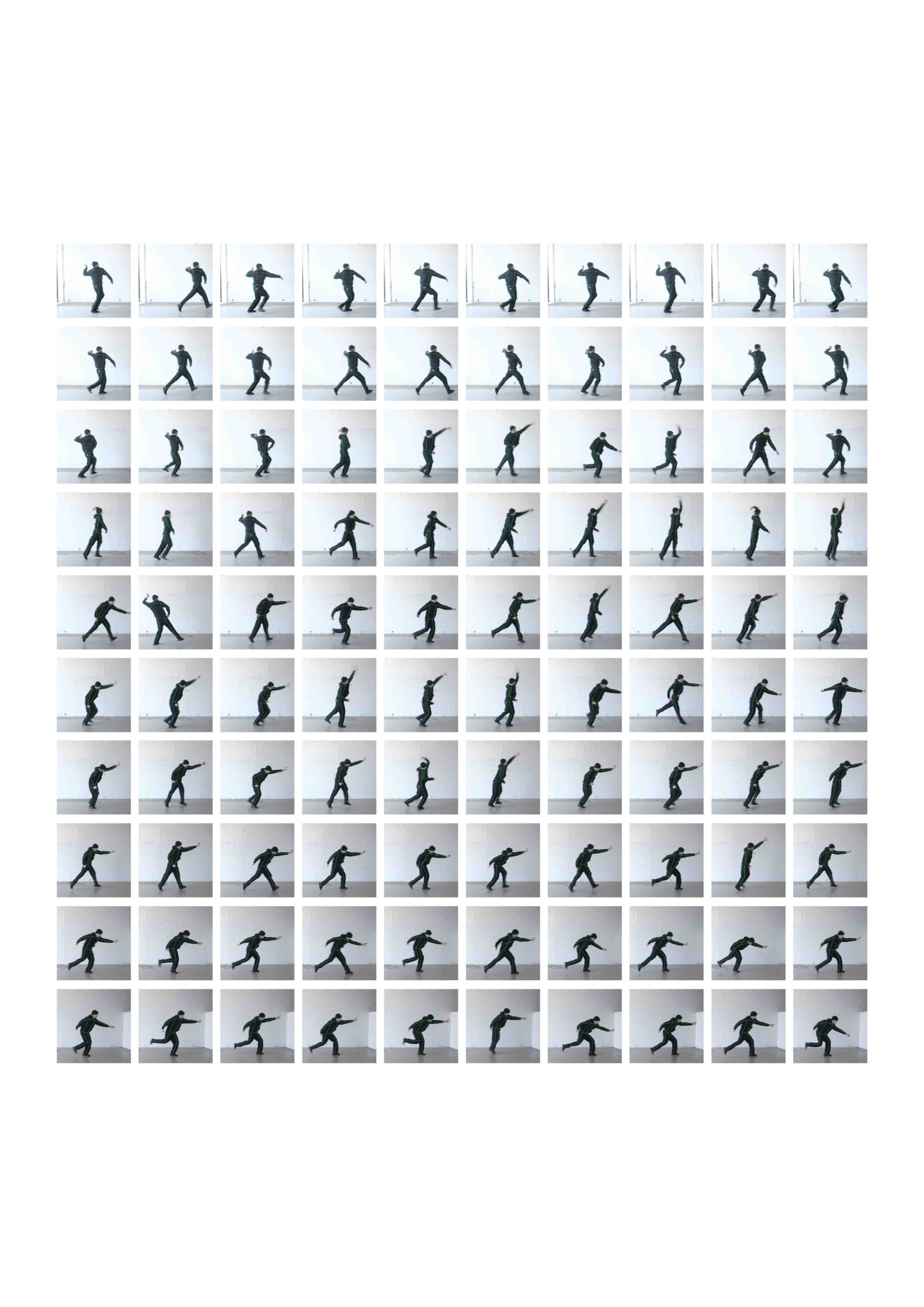
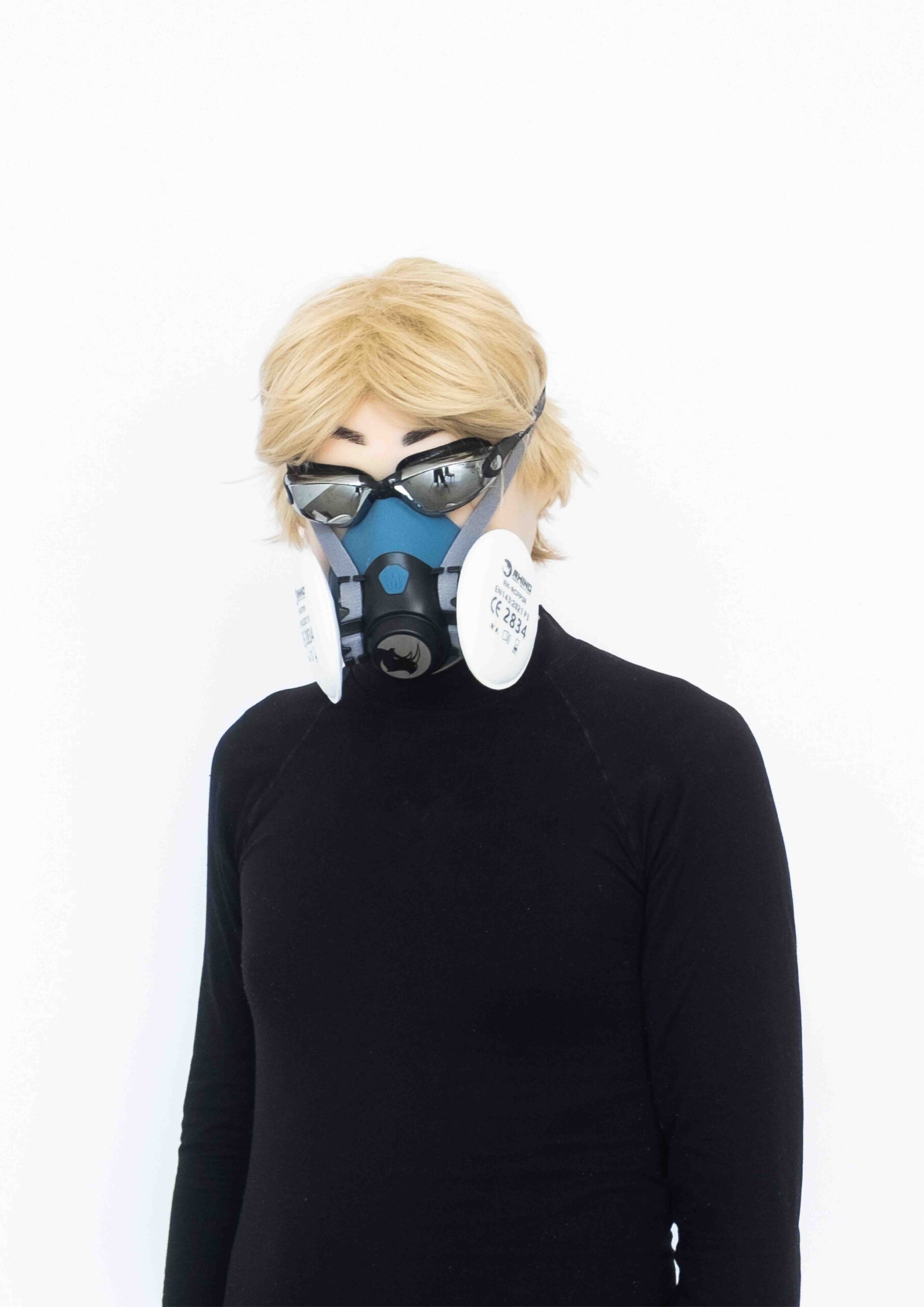
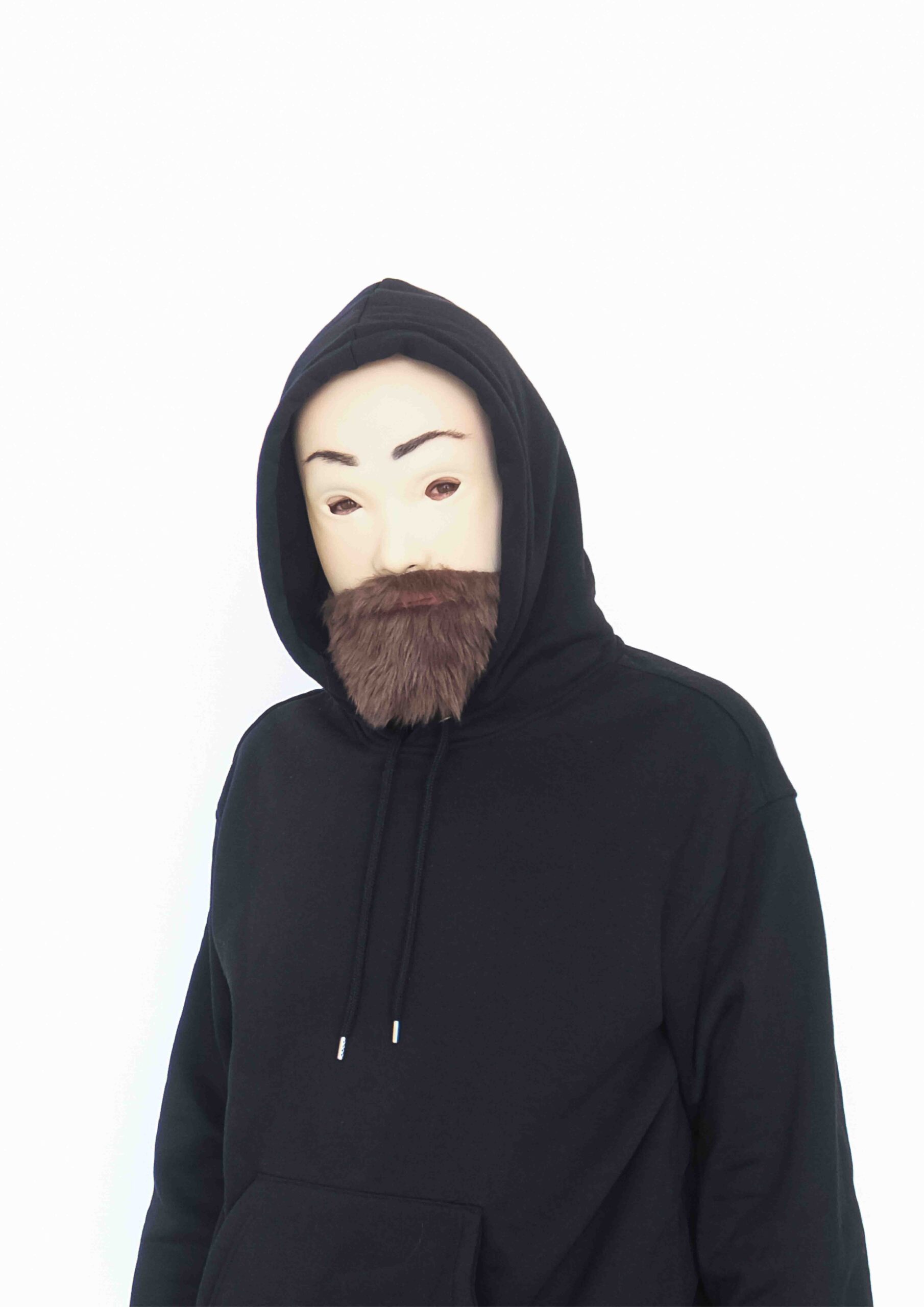
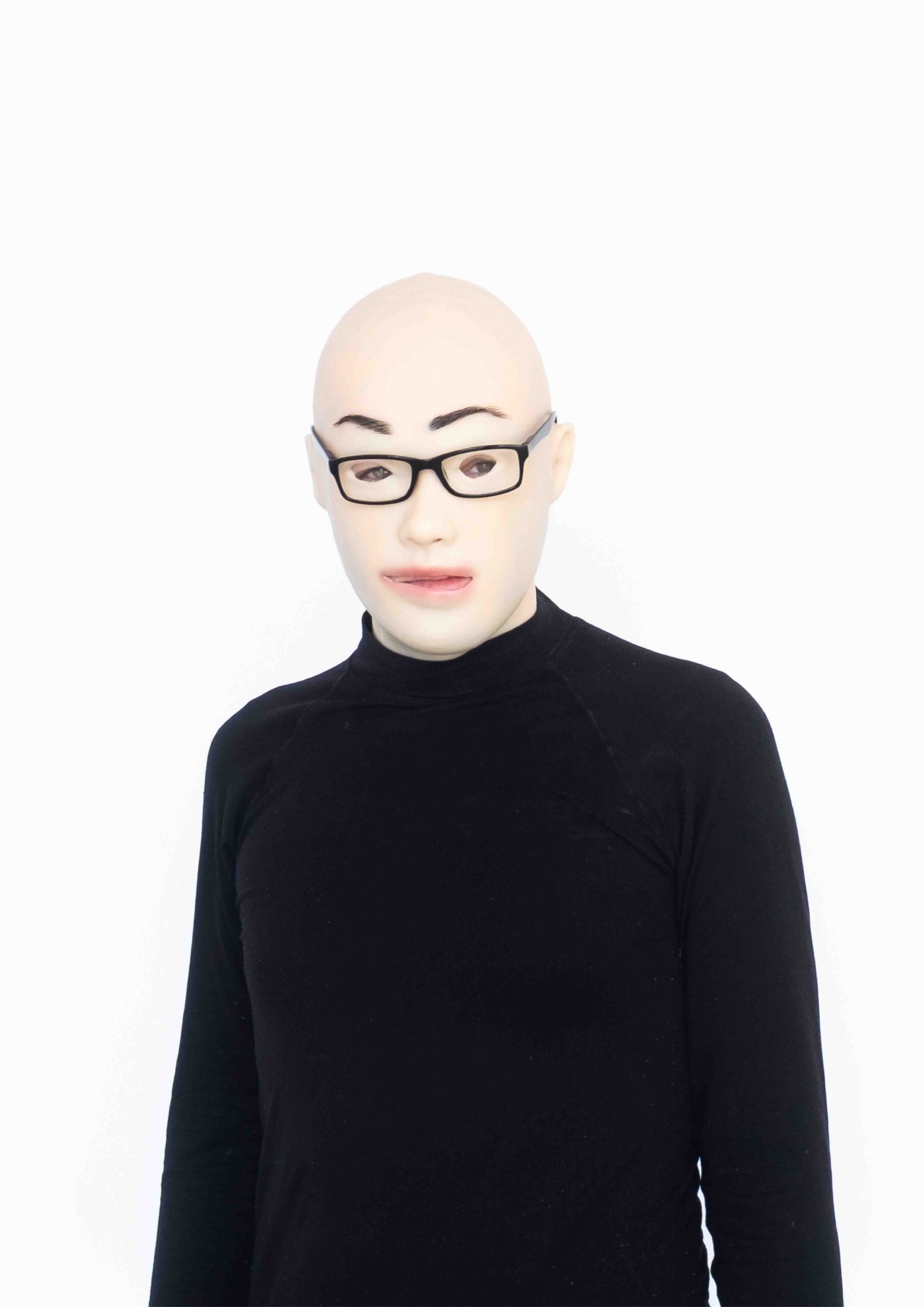
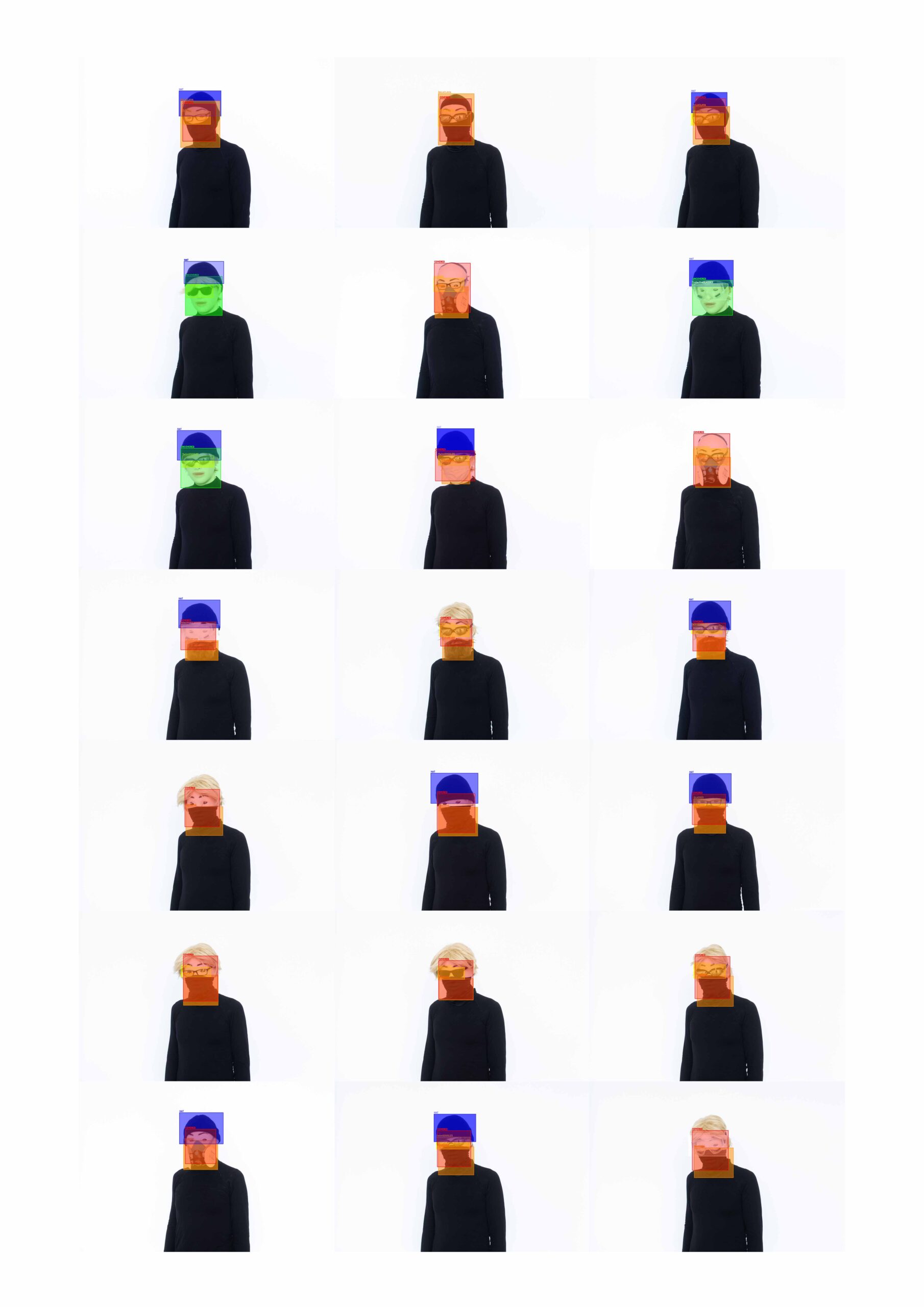
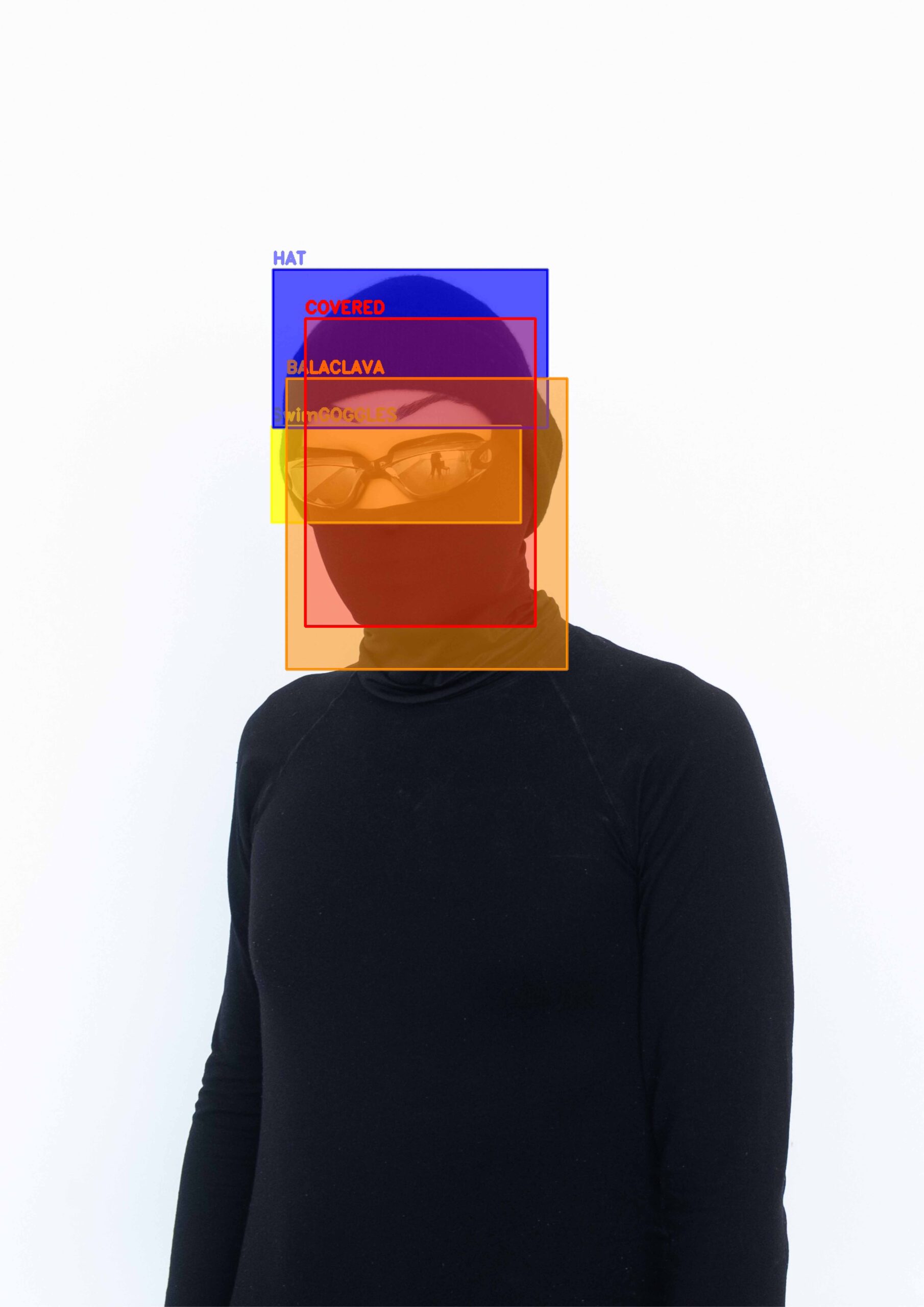
After researching some of these datasets available online, Marcel Top created his own. Using self-portraiture and video, the artist photographed himself wearing 11 common protest disguises in all their possible combinations on top of a silicone lifelike mask. Published online alongside a fake scientific paper, the dataset is designed to be very attractive to surveillance companies, as on paper, it is ideal for training algorithms to perform better during protests. However, as 10% of the dataset is corrupted (the images present a pixel pattern and are mislabelled), its use is likely to deteriorate any algorithm it trains, making it unreliable.
Poison Data, Kill Algorithms explores data collection as a site of resistance. Algorithms learn from patterns, and when they are trained on public data, it is possible to shape those patterns against oppression.