Somos Animales Poéticos
by Cristina Velásquez


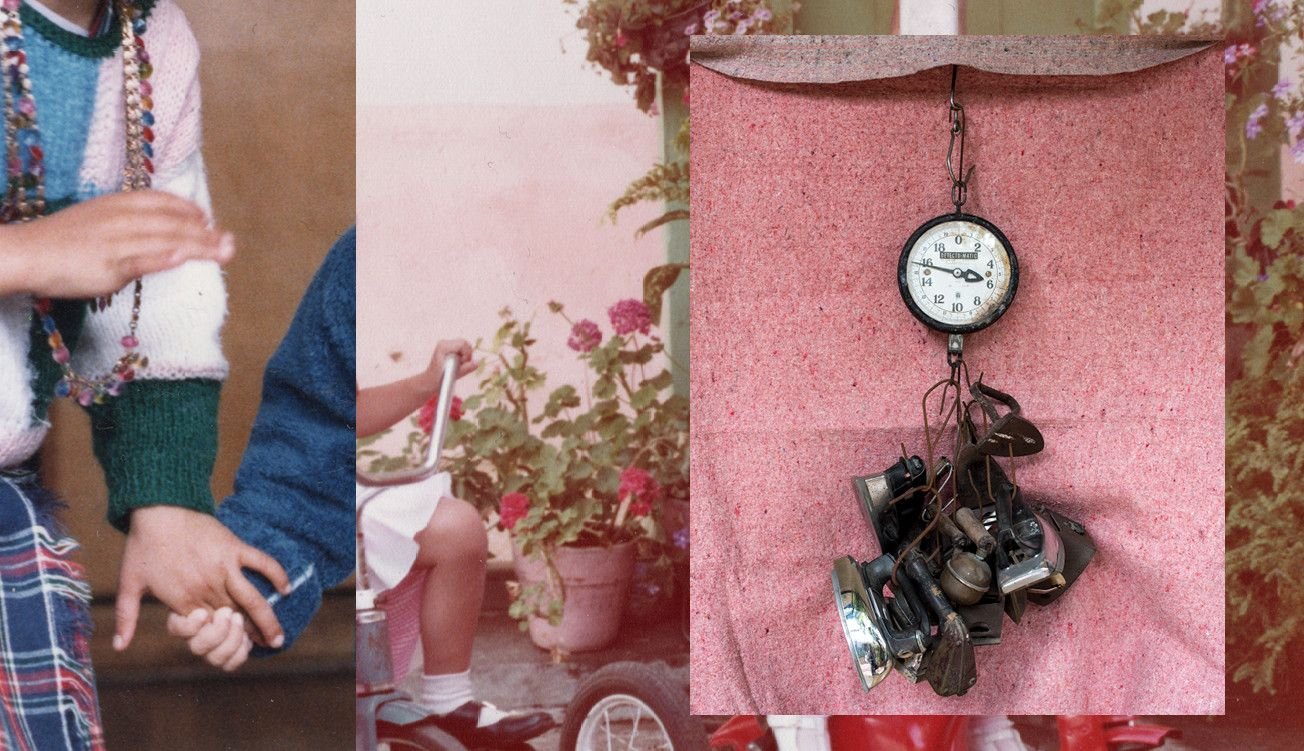
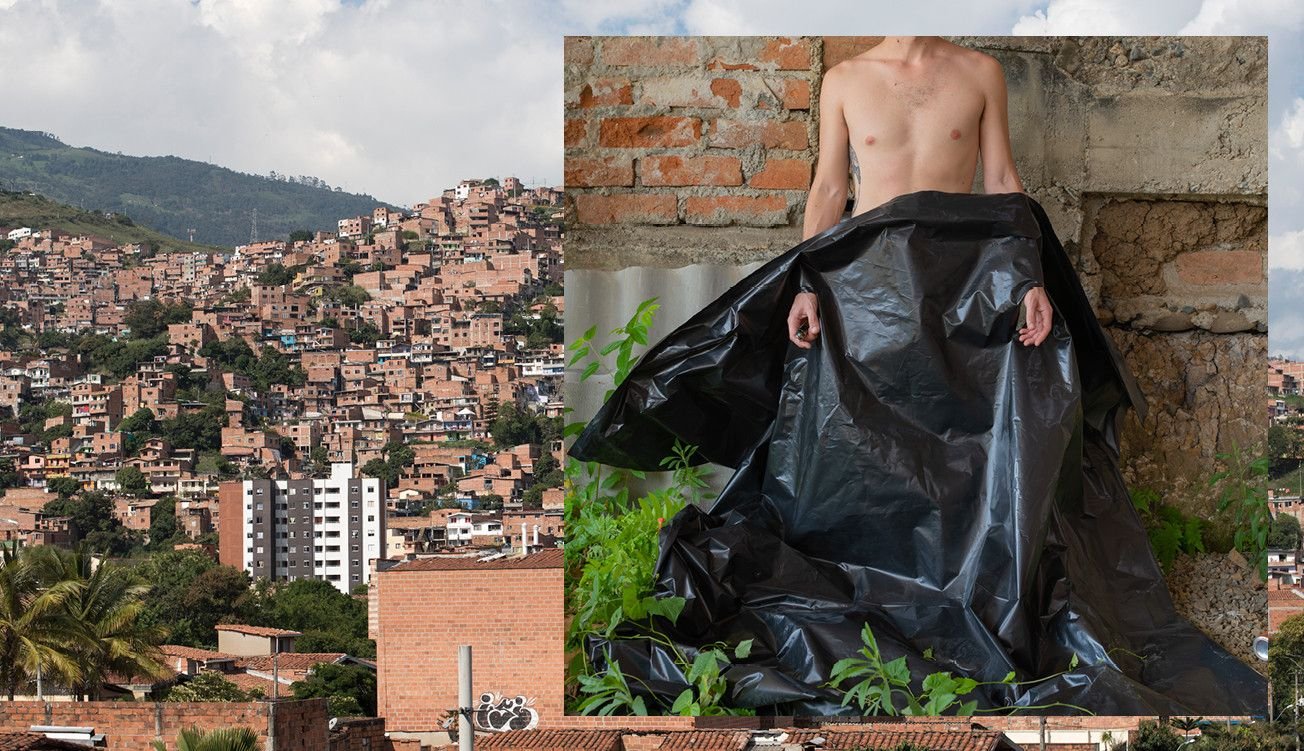
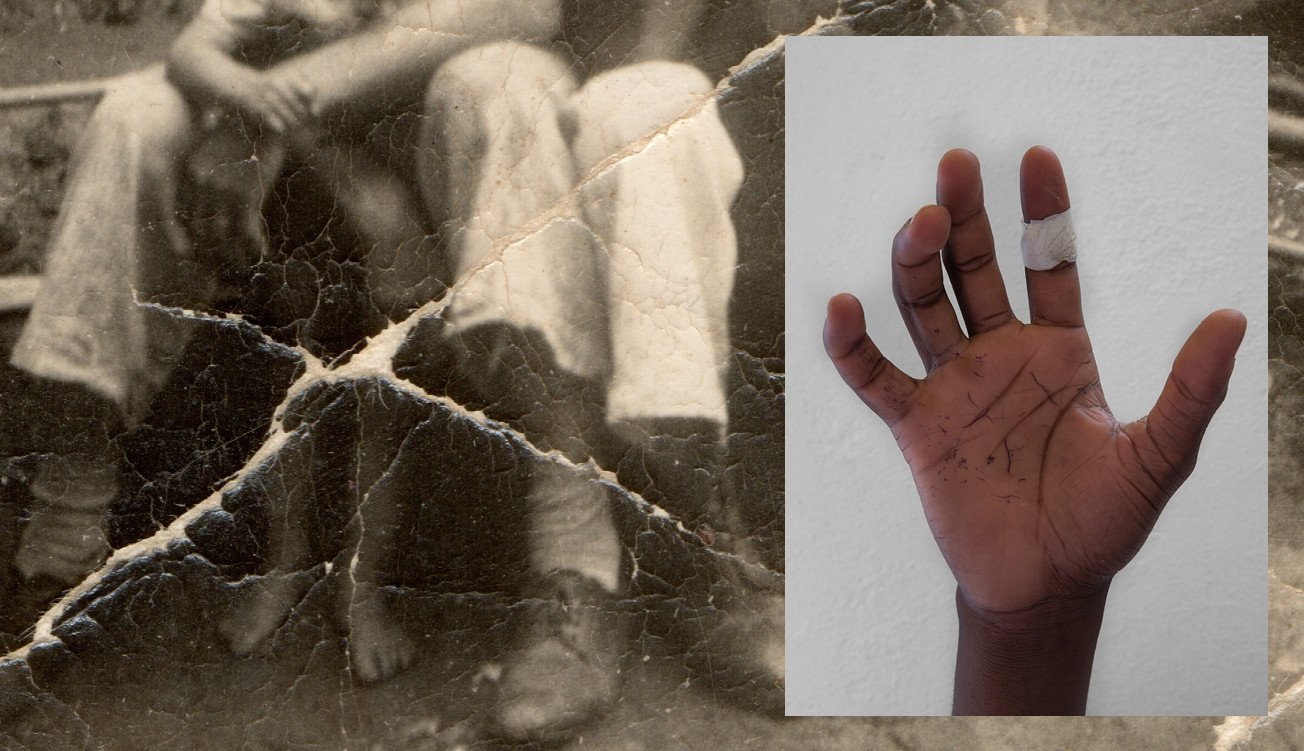
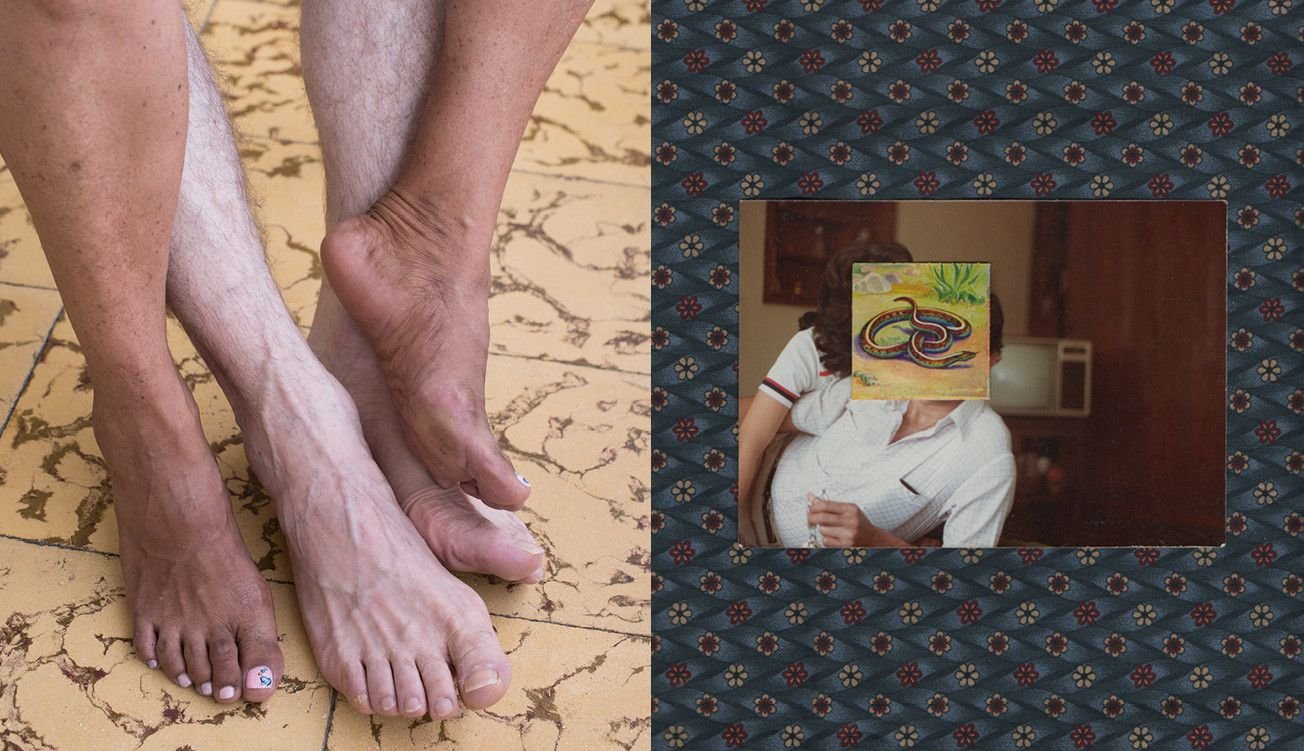
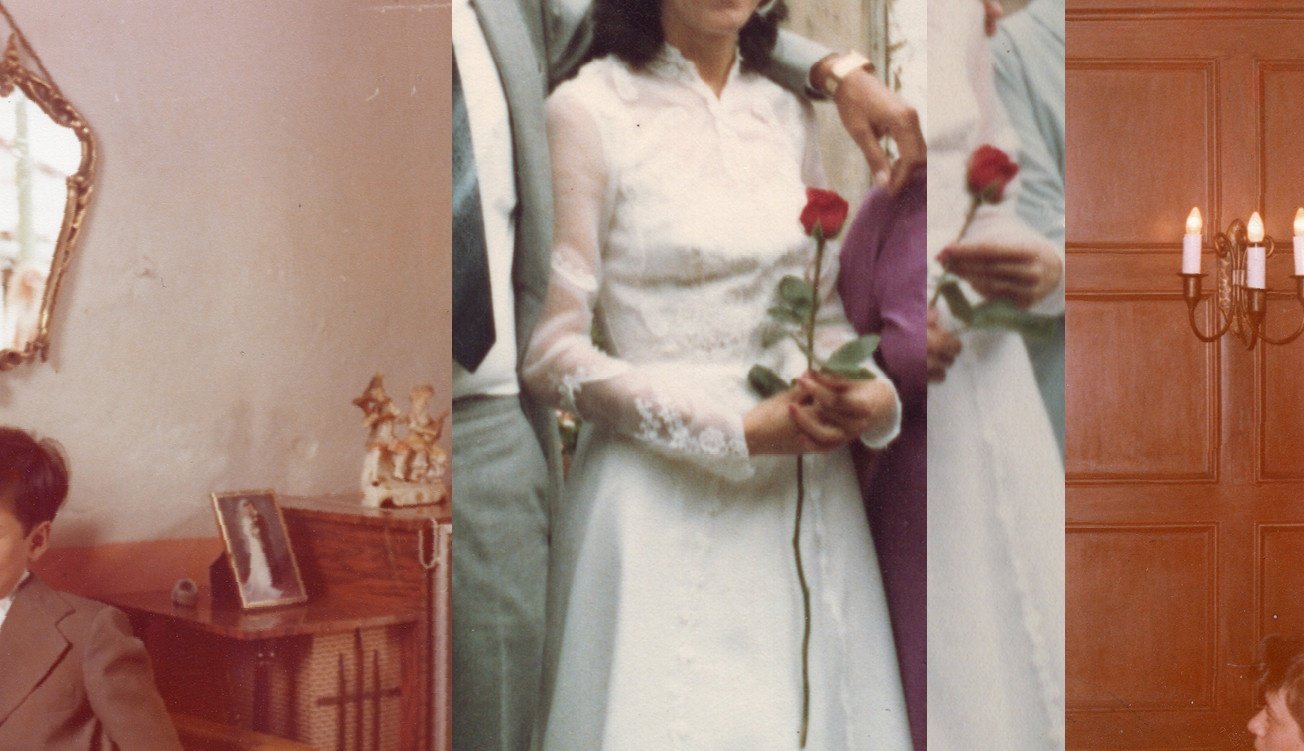
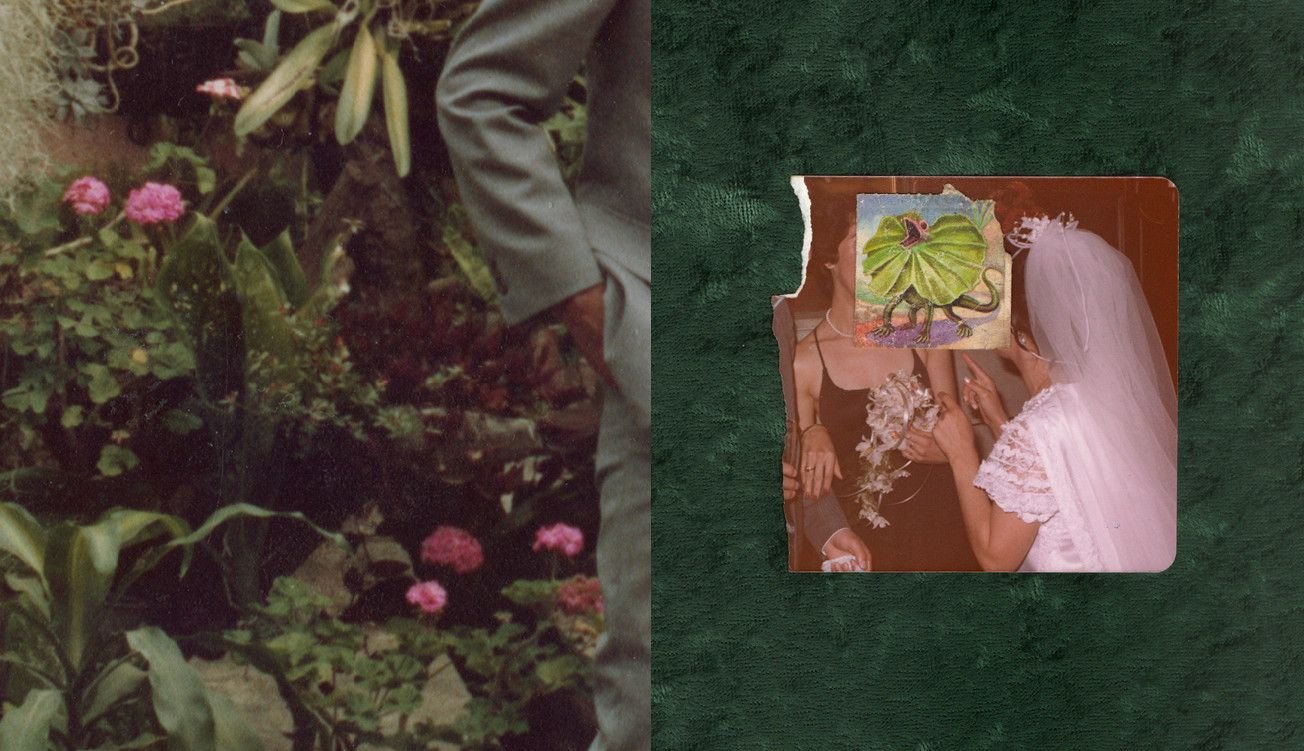
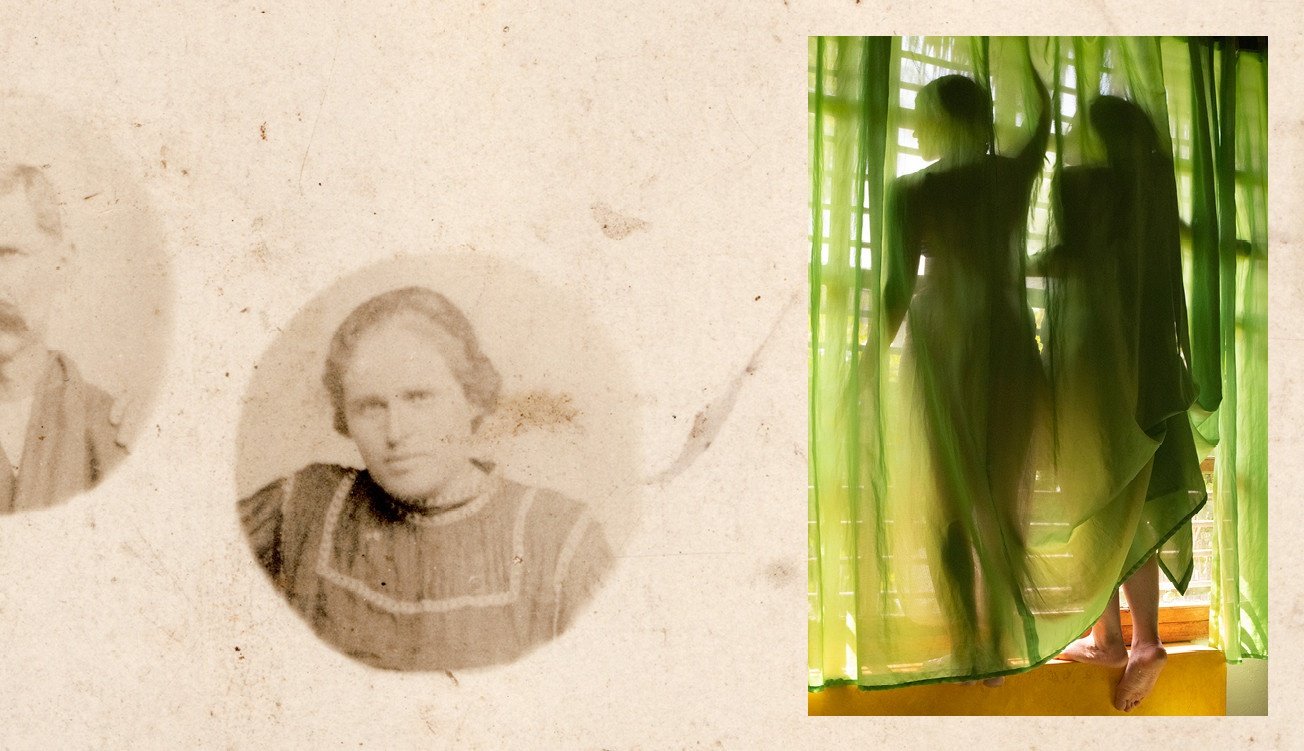
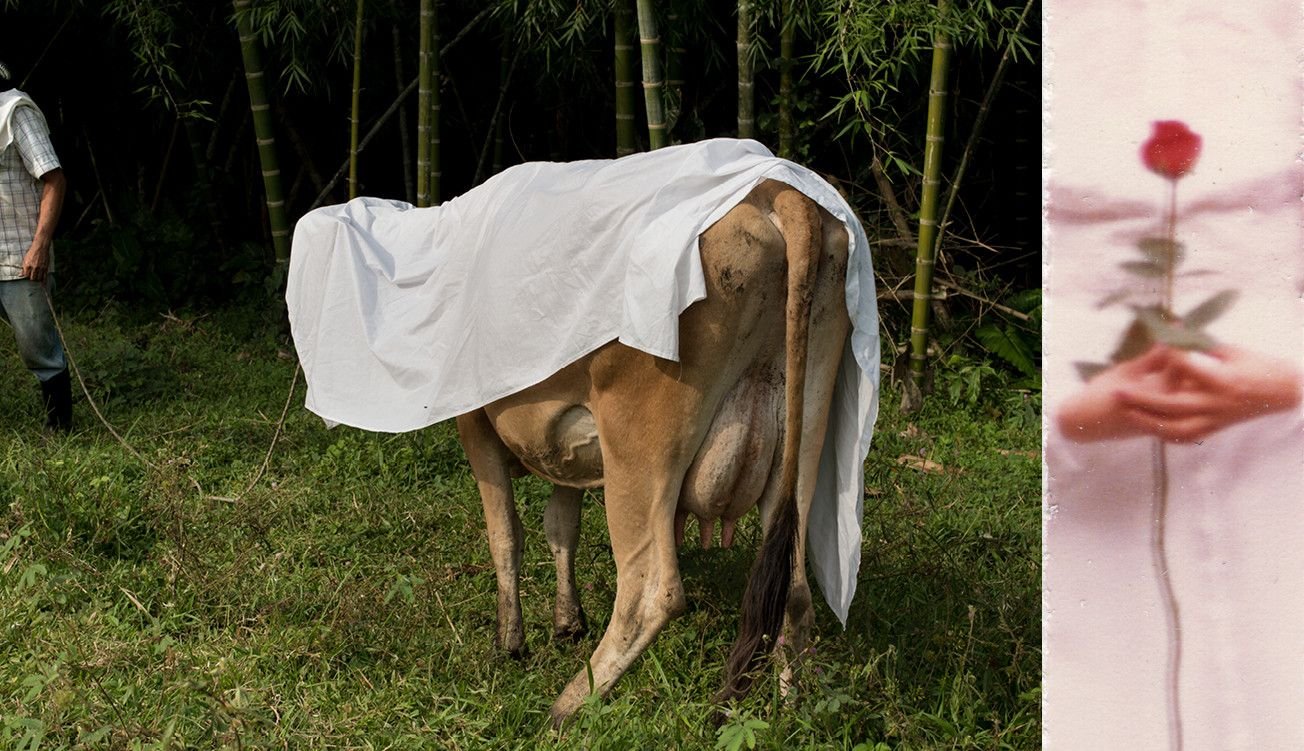
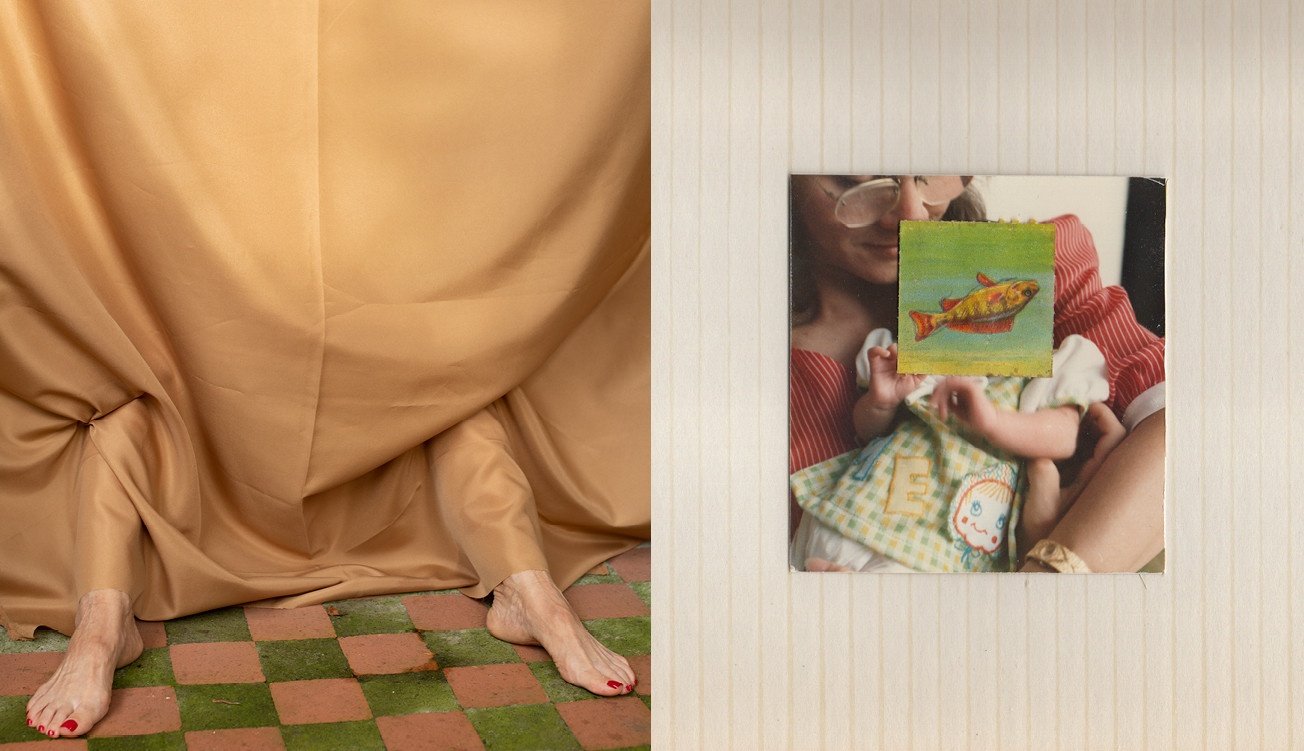
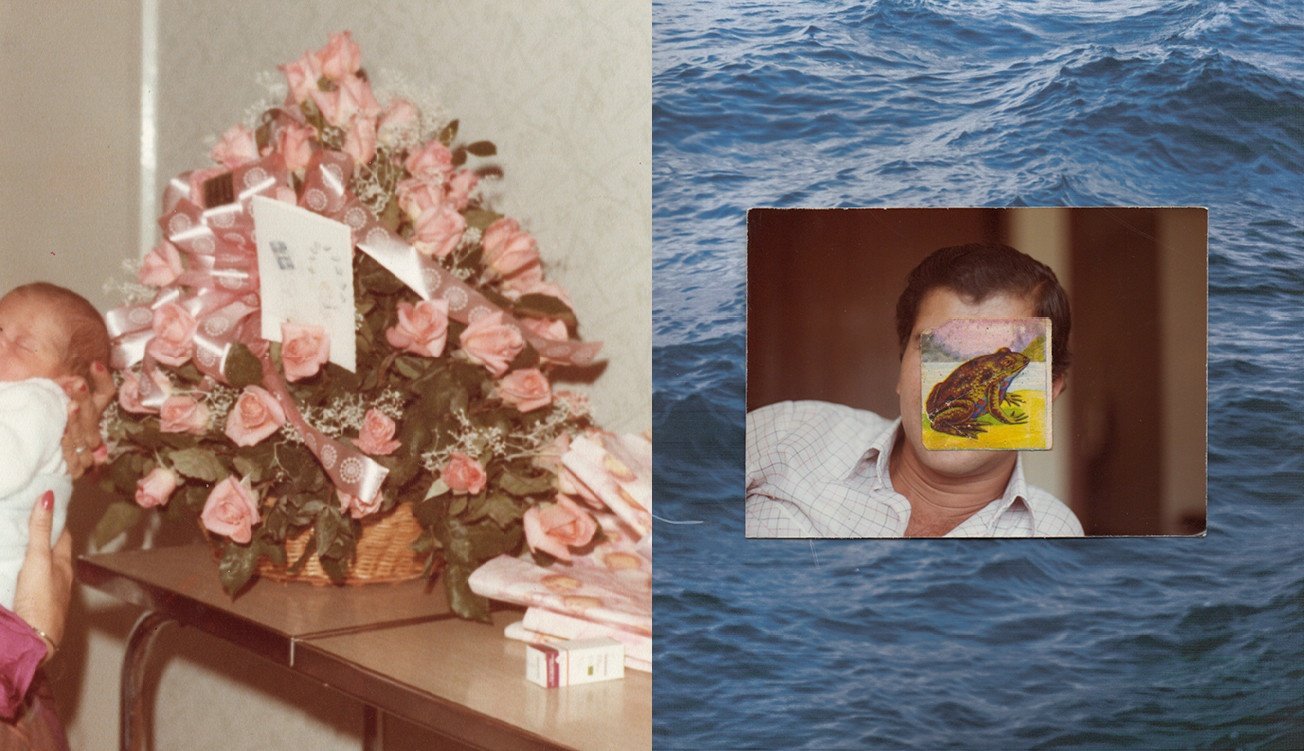
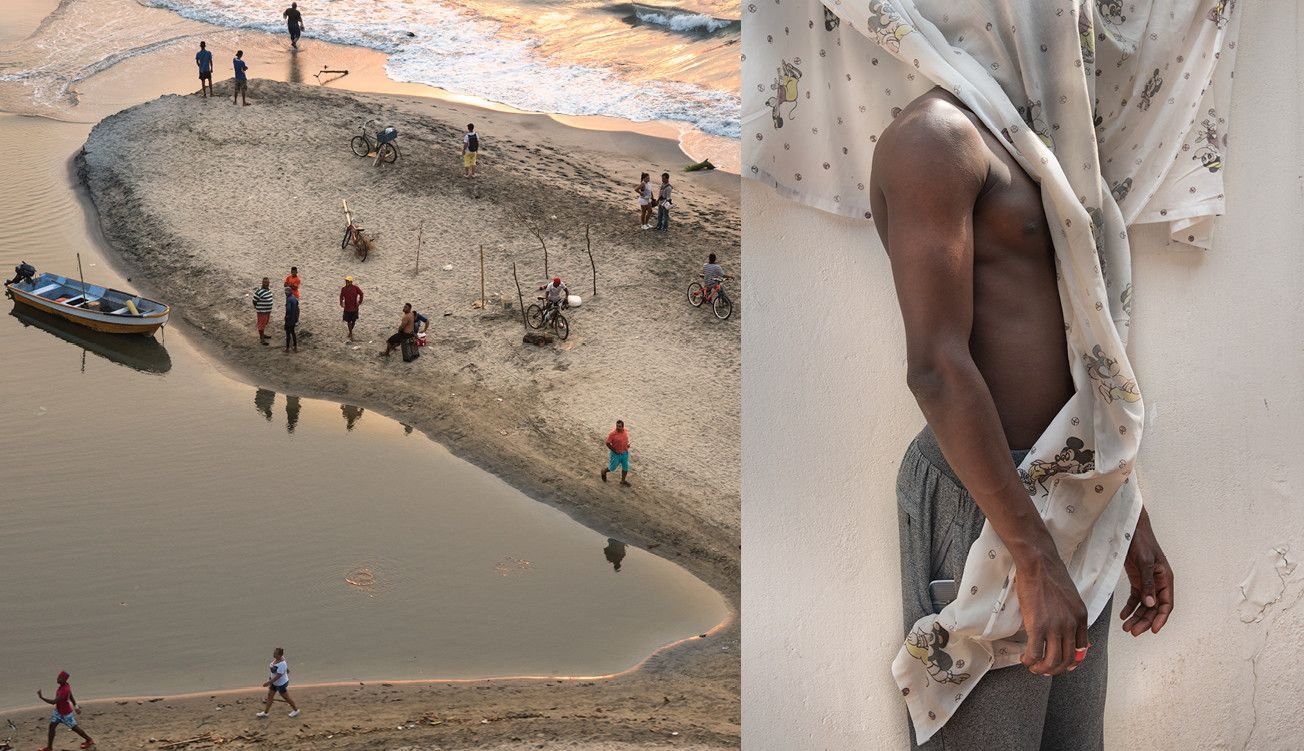
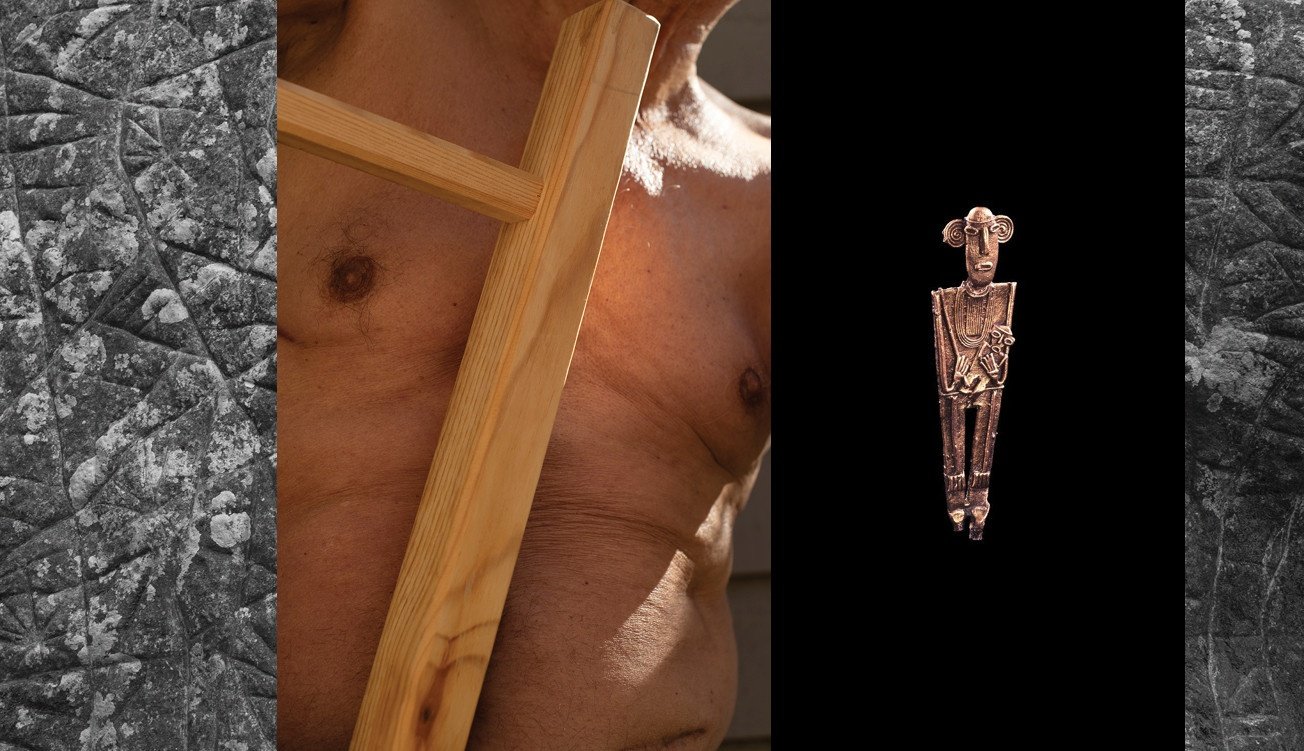
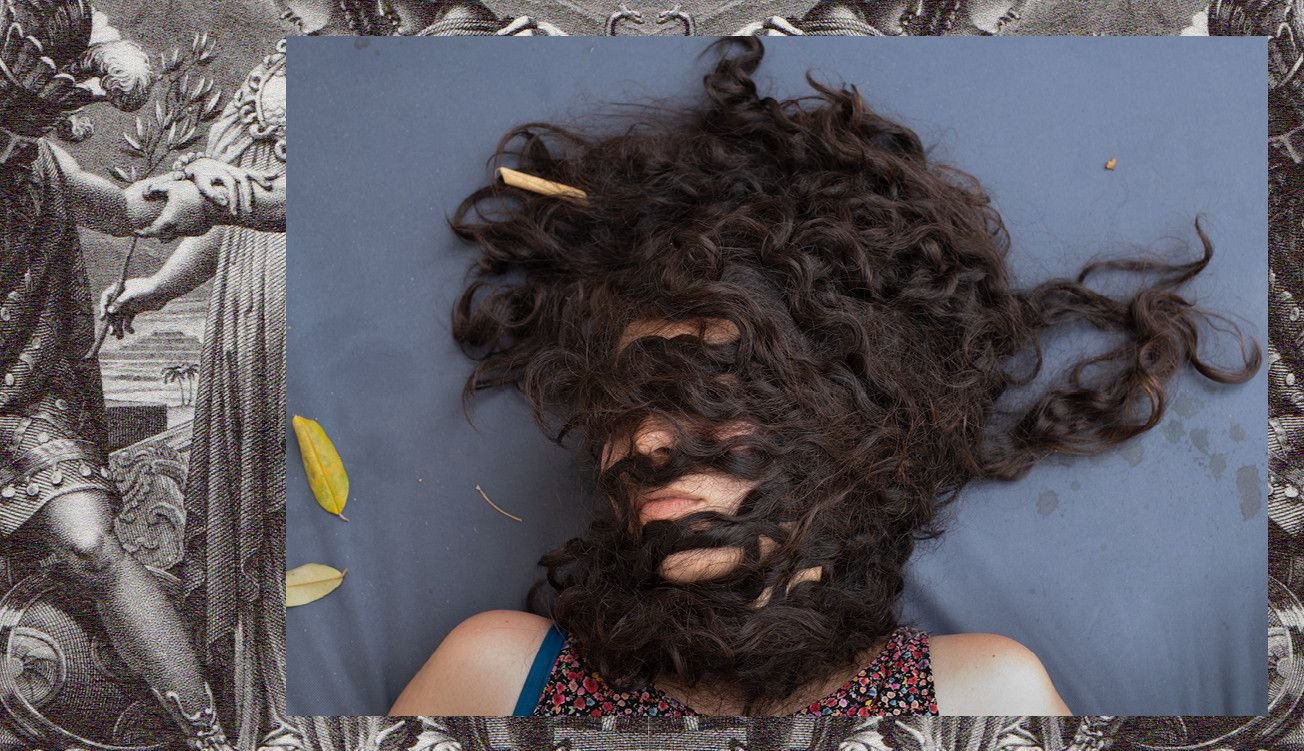
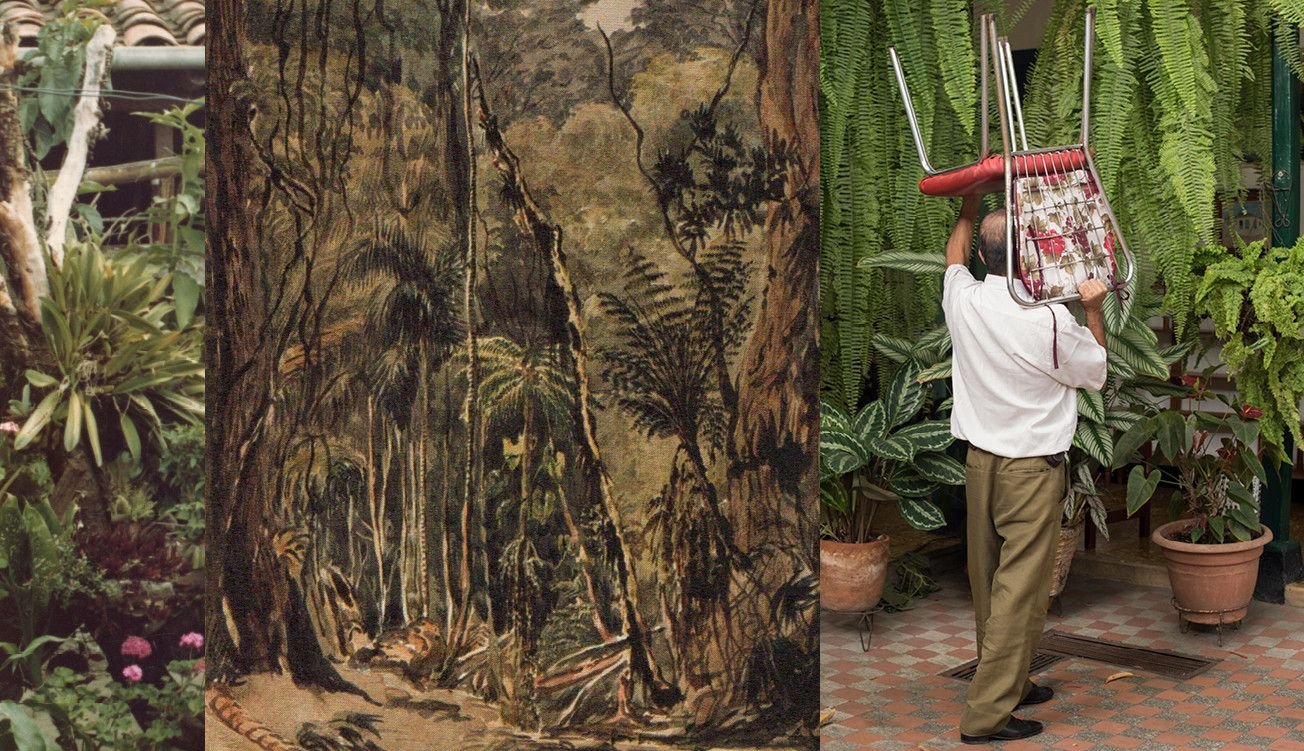
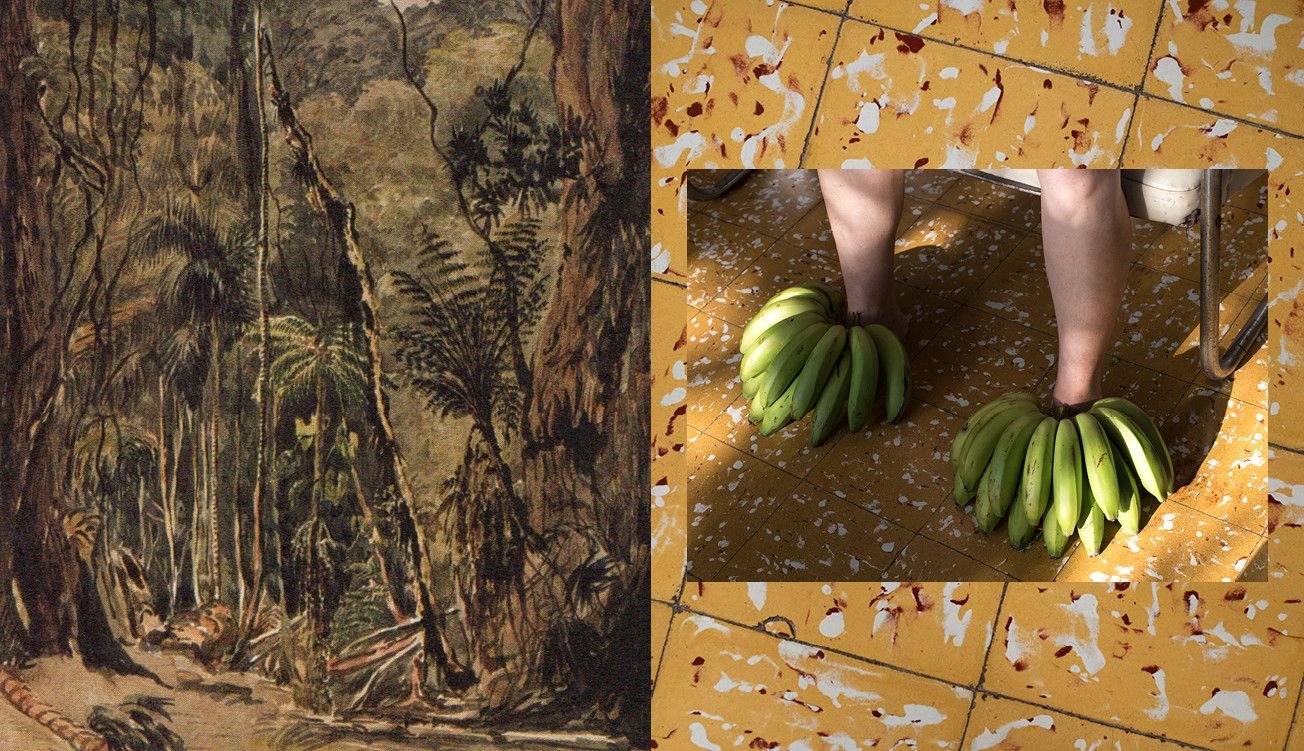
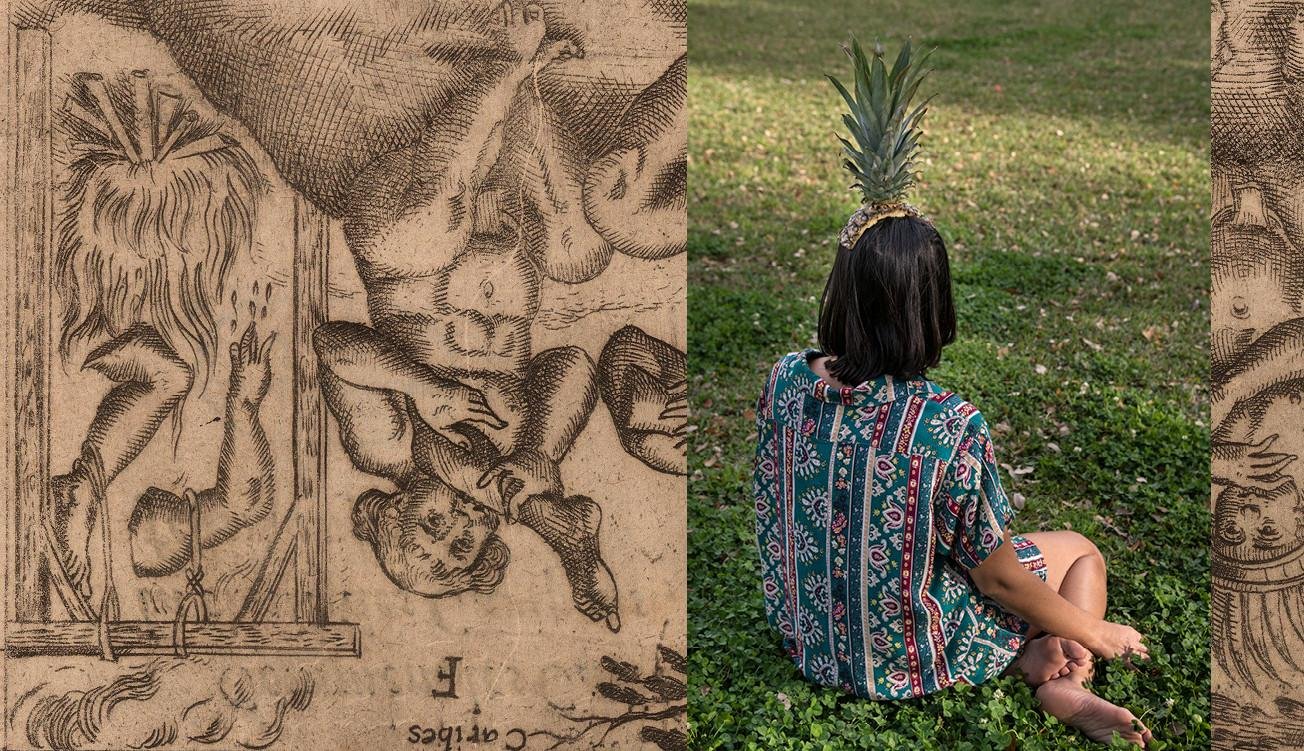
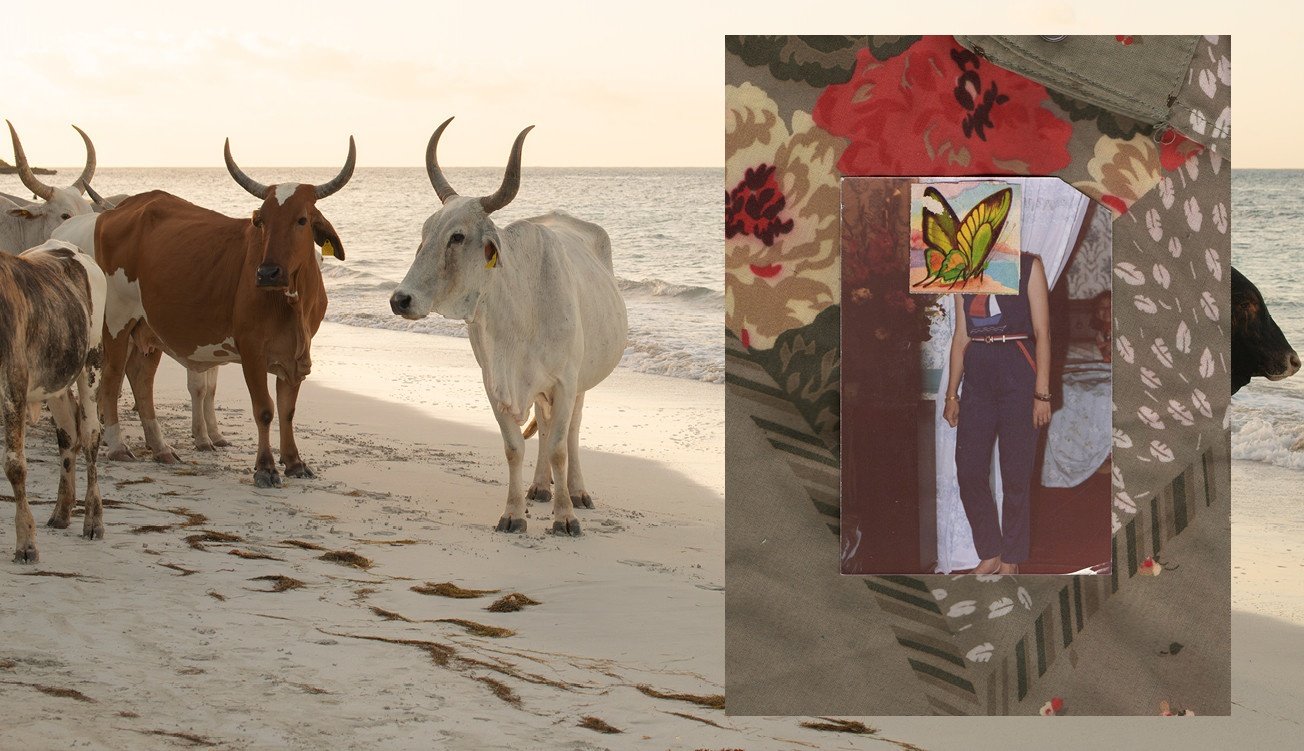
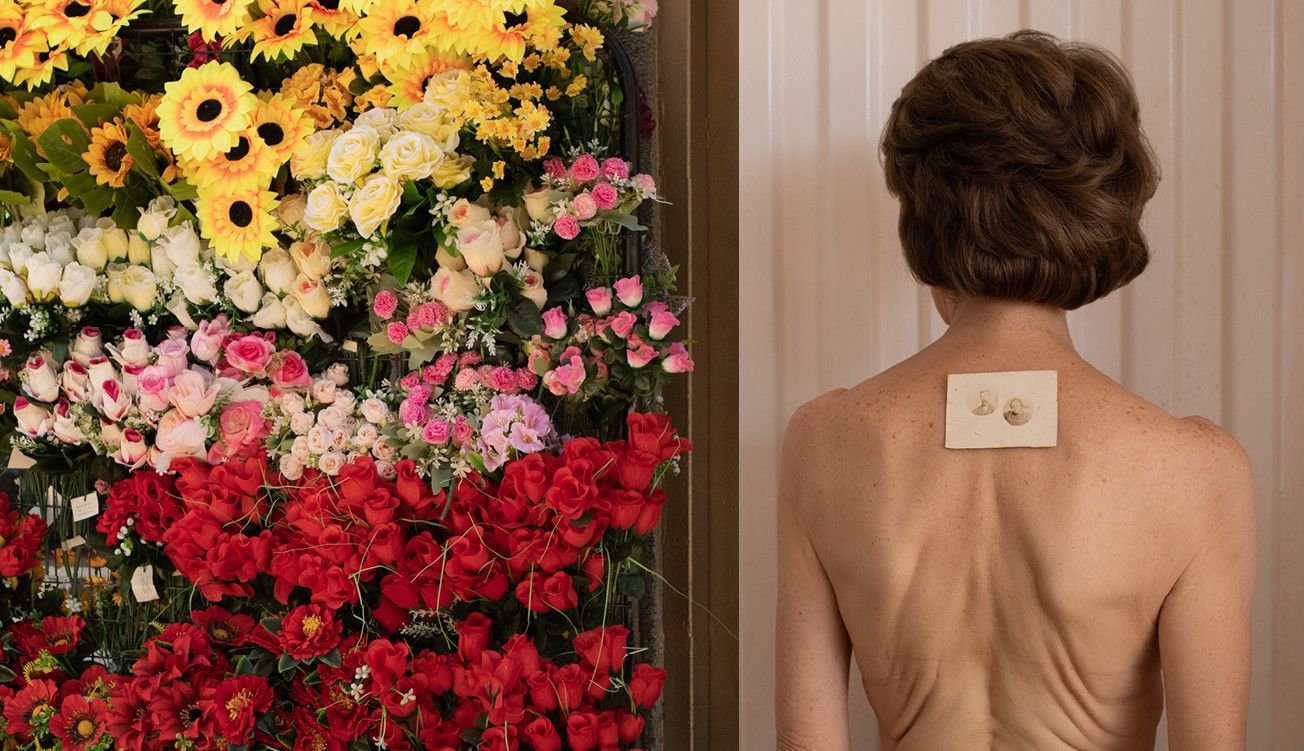
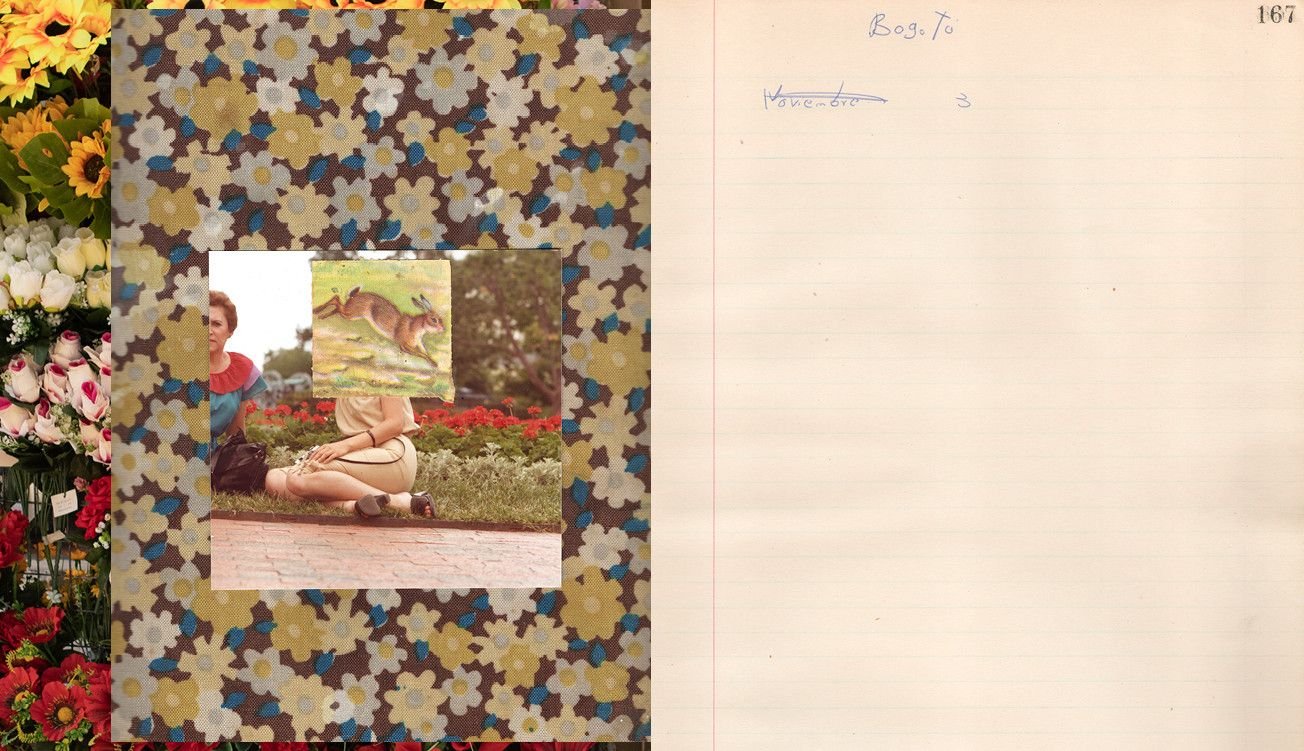
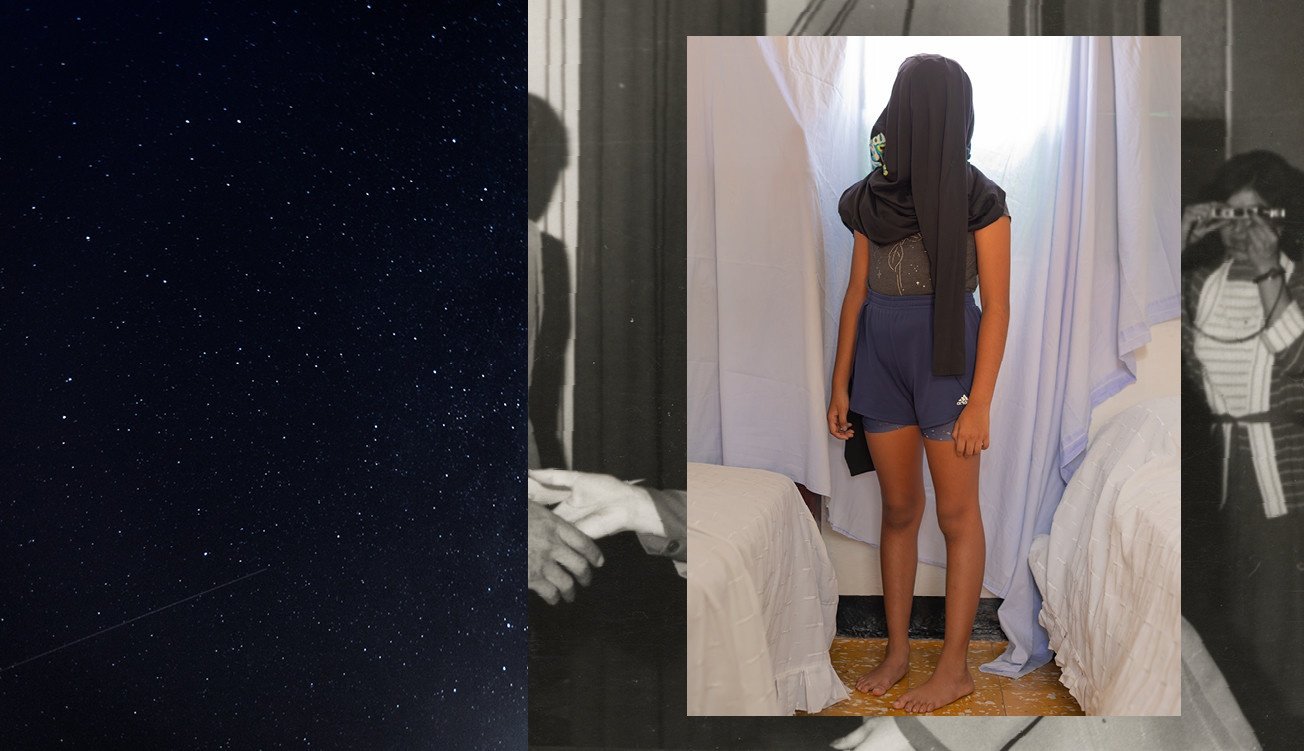
“Who I am: an incomplete archive, full of gaps, reconstructions, and possibilities, continuously rewritten. My subjectivity is a weaving of what I remember, what I have forgotten, what has been imposed on me, and what I choose to be. The definition of who I am moves freely and reconfigures itself at every moment; it is woven from the collective, and exists in constant negotiation—between past and present, self and other, body and territory. The categories by which I define myself are not natural or fixed, but historical and modifiable. My work transits between photographic genres and incorporates elements of weaving, collage, and literature. I do not separate reality from fiction; rather, I intertwine them, opening space for speculation and desire. Beyond questioning the past and present, I imagine possible futures—new ways of inhabiting images, languages, and memory. I am interested in how experience is preserved, erased, inscribed, and reimagined. I use photography as a practice of listening and translation—a continuous re-elaboration of languages that embody rupture and mend: hybrid, migratory, mestizo. My work can be seen as a constellation of fragments woven together, originating from and returning to the body as a space of inscription and resistance. My body of work Somos Animales Poéticos gathers photographs and literary fragments from the past decade of my practice. It presents each image and text as a complete work while contributing to a larger constellation of meaning. This work emerges from three main sources: photographs and text created over the last decade; personal archives (including family photographs, documents, textiles, and childhood illustrations), and historical archives such as colonial drawings and texts. I layer these materials to create a dynamic space that reflects the tensions between the personal and the collective, and between dominant cultural narratives and alternative perspectives. This project contributes to a broader rethinking of photographic discourse from Latin American perspectives. It emphasizes learning from feminisms of the South, literature and other artistic mediums. From my perspective as a Latin American woman, artist, and mother, this work is also a way of reclaiming history and identity in the face of erasure. It affirms photography as a medium of connection, critical thought, and poetic expression, capable of holding the complexities of subjectivity, memory, and cultural translation.”