One Millimeter of Black Dirt, and a Veil of Dead Cows
by Vincent Jendly


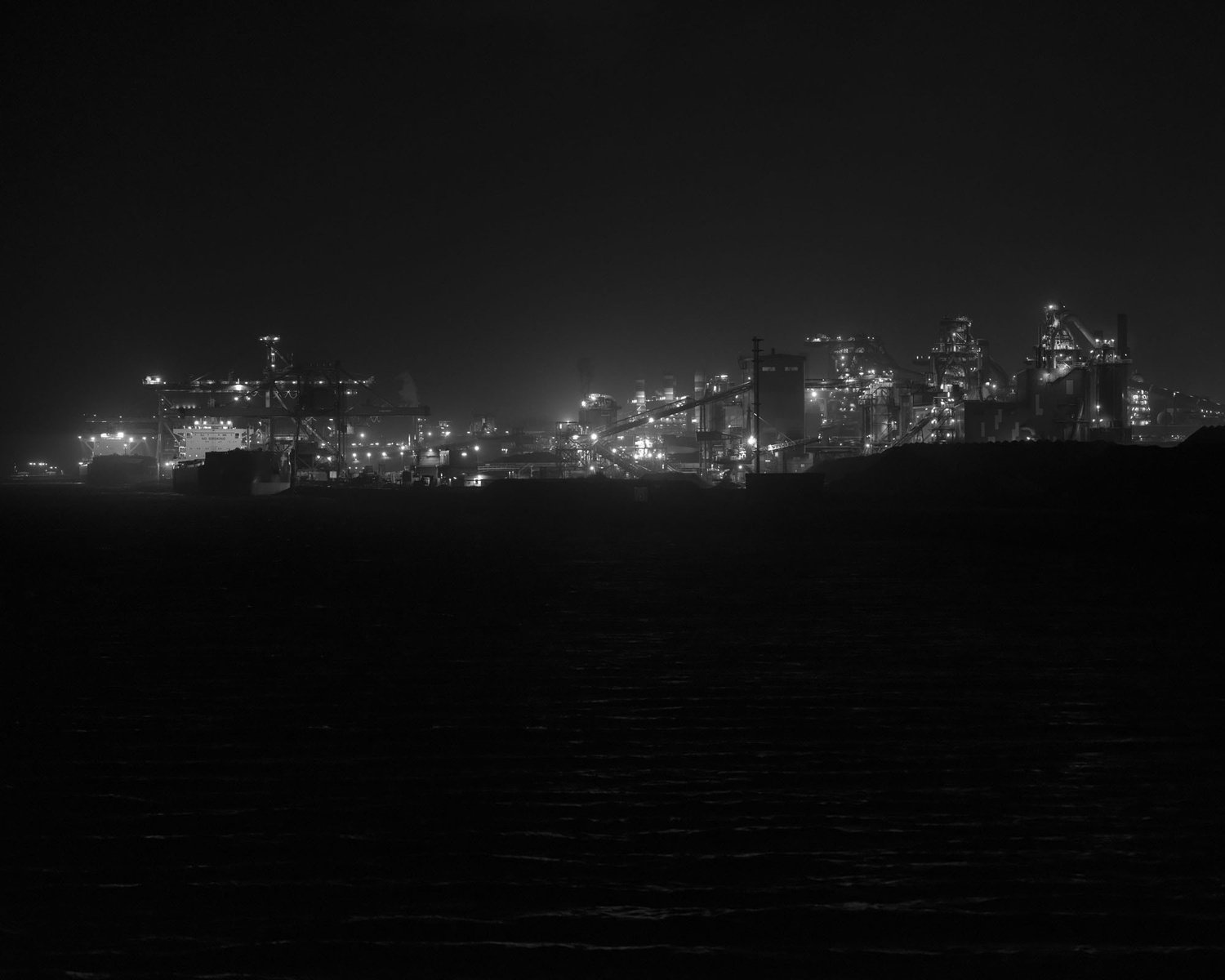
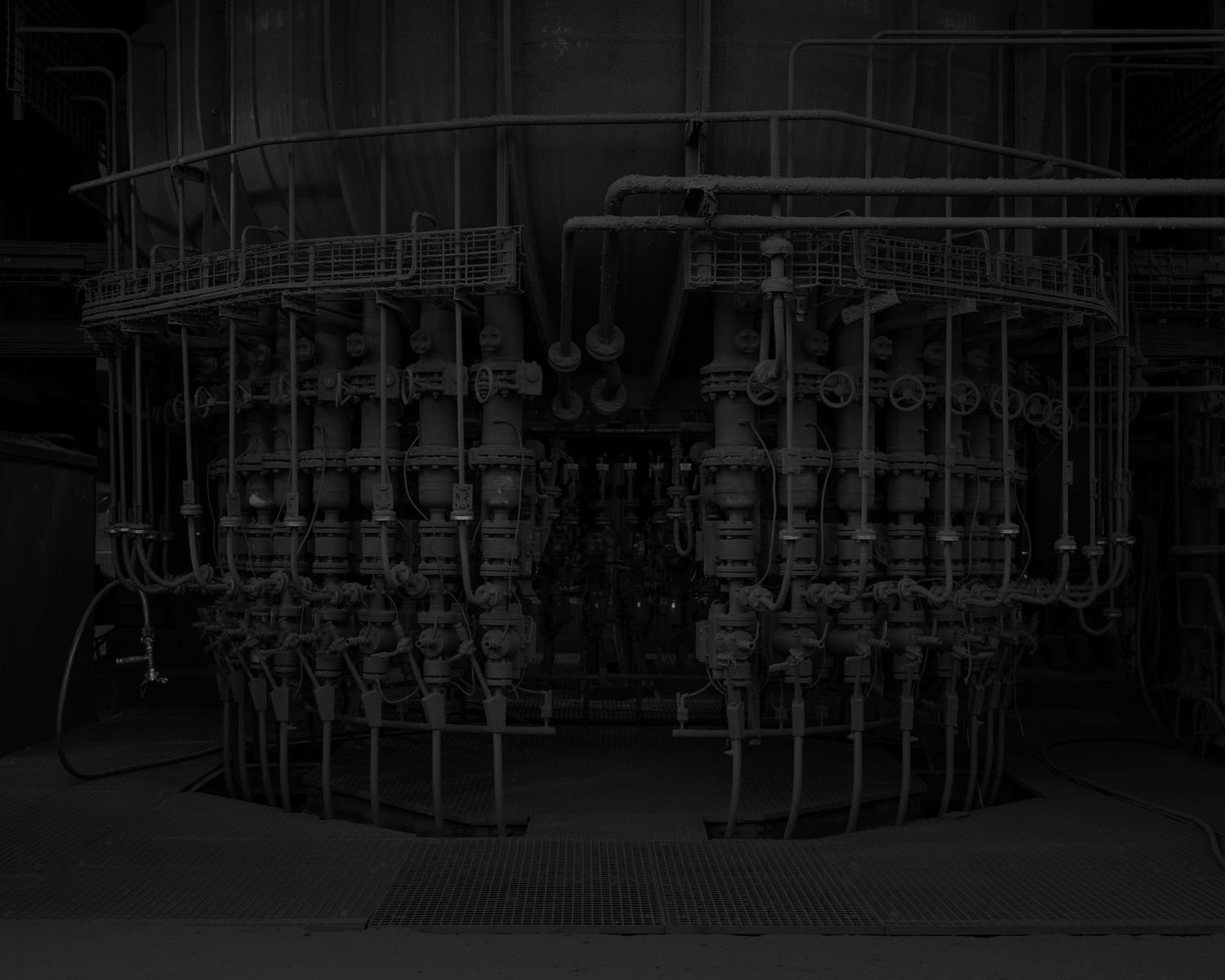
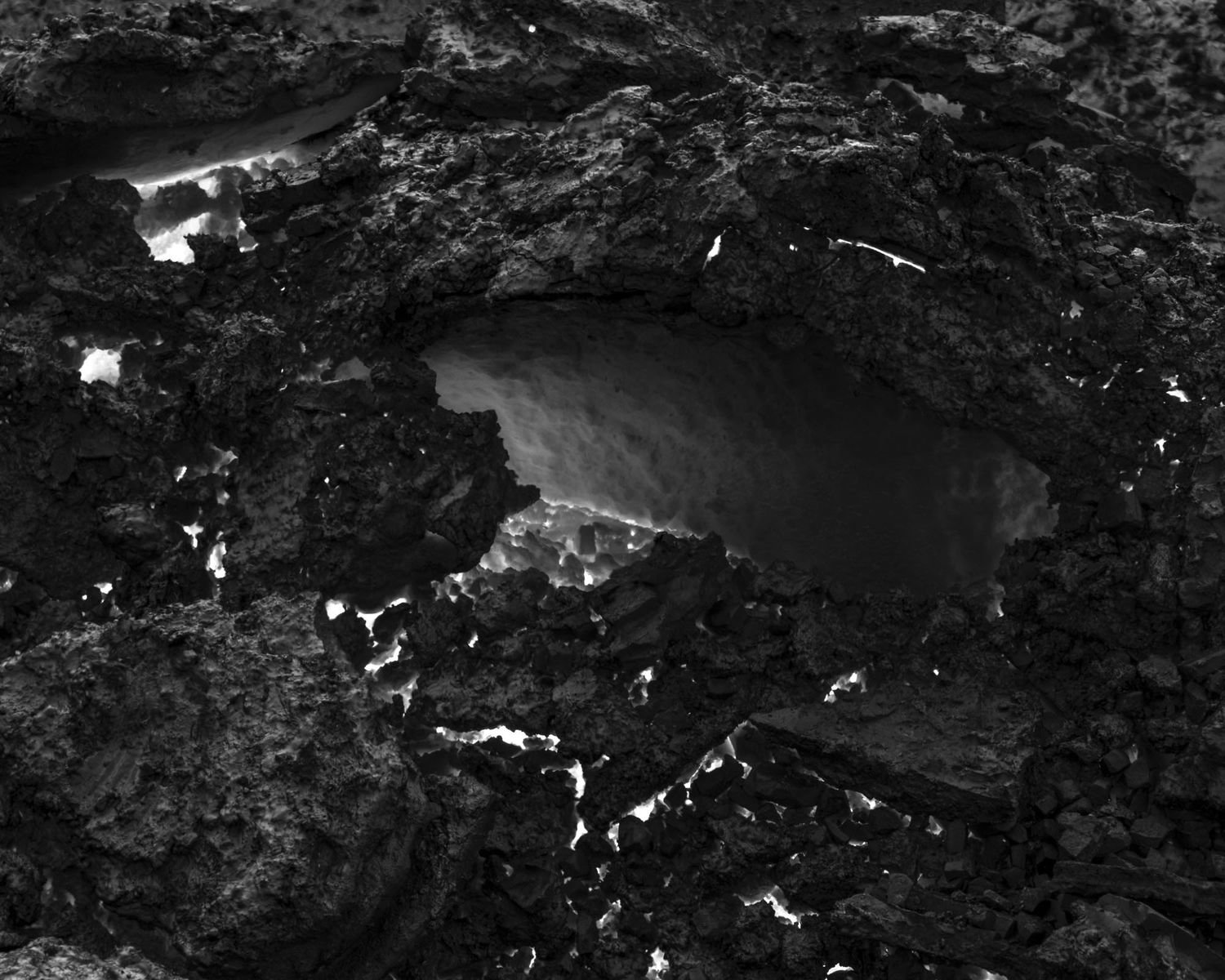
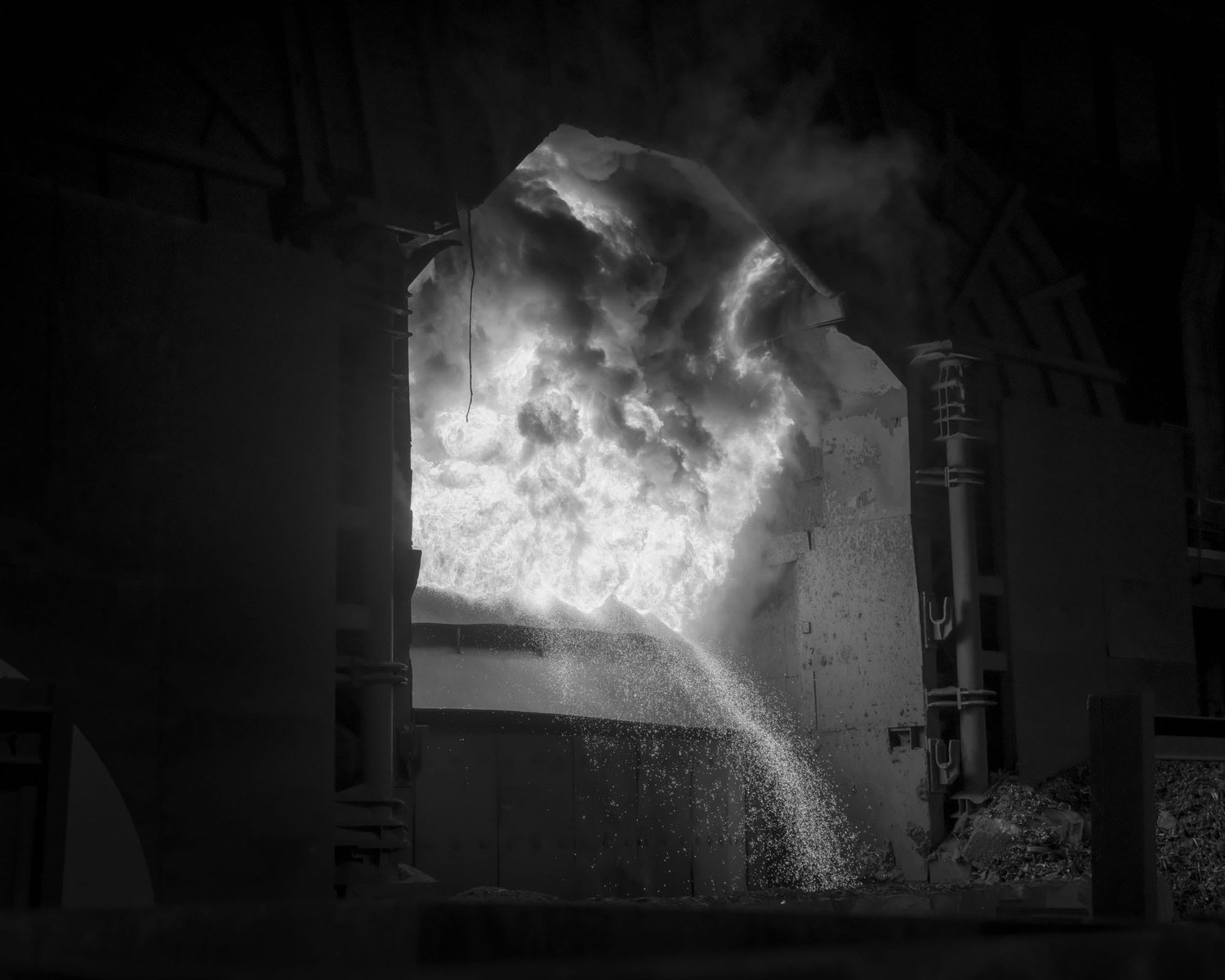
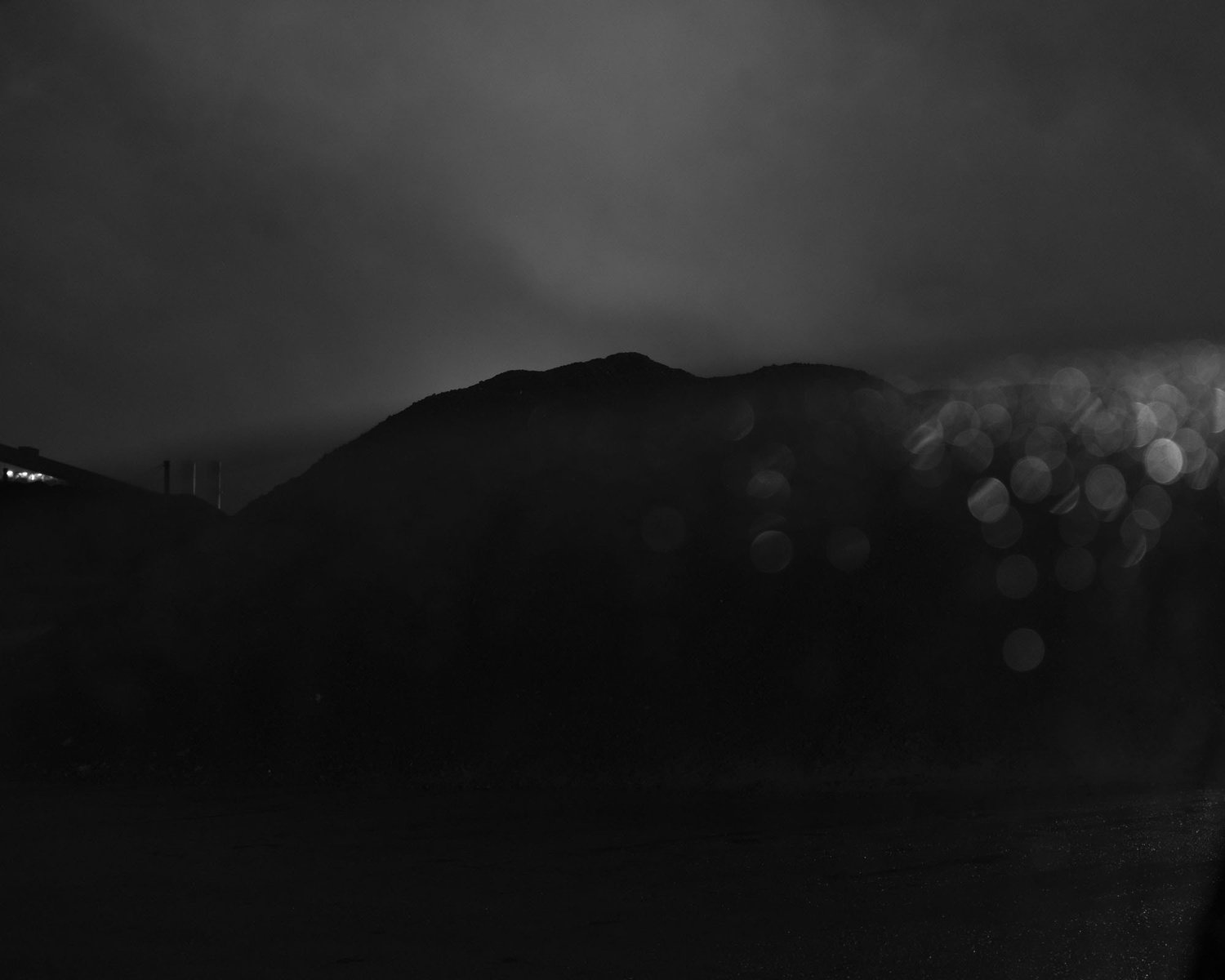
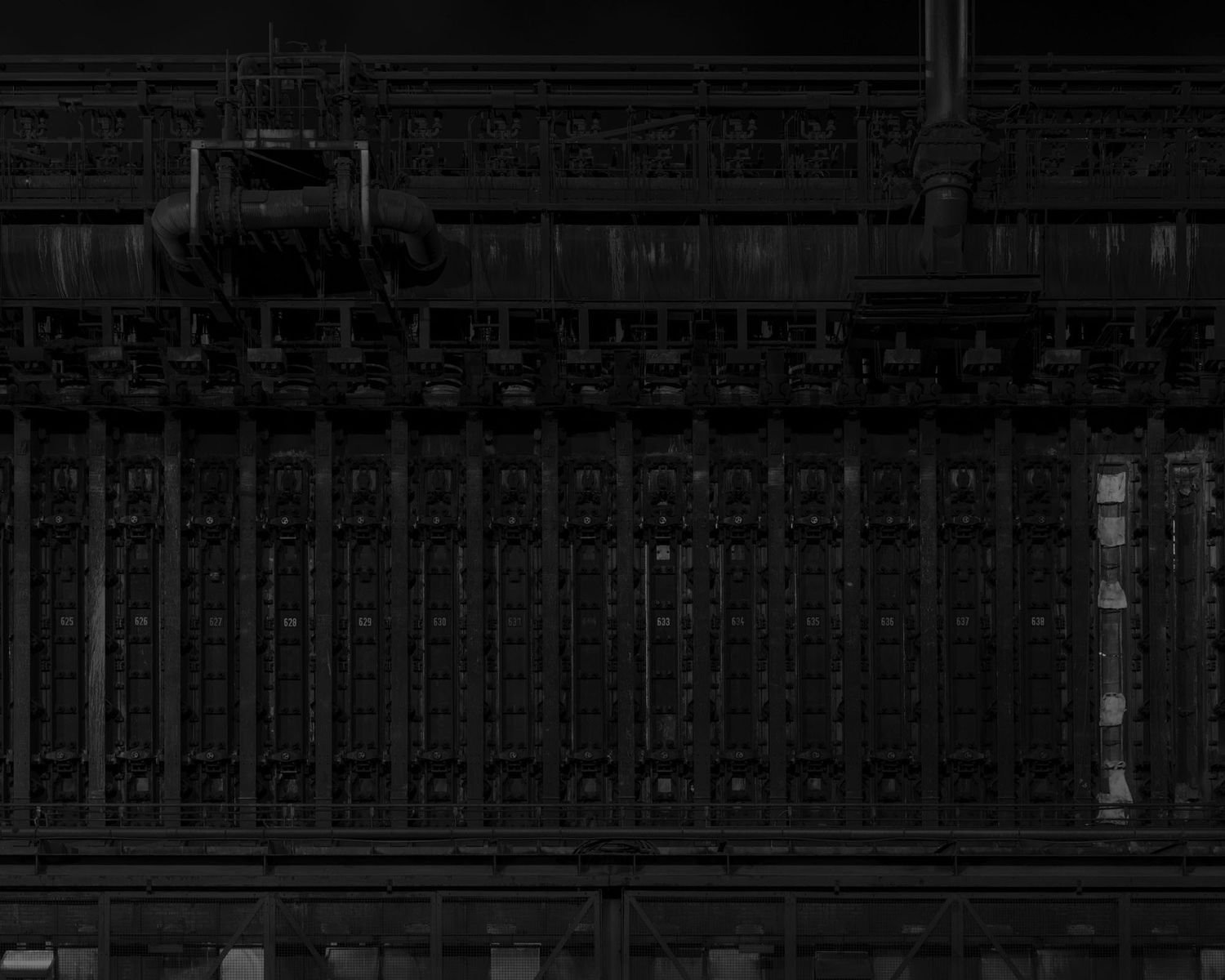
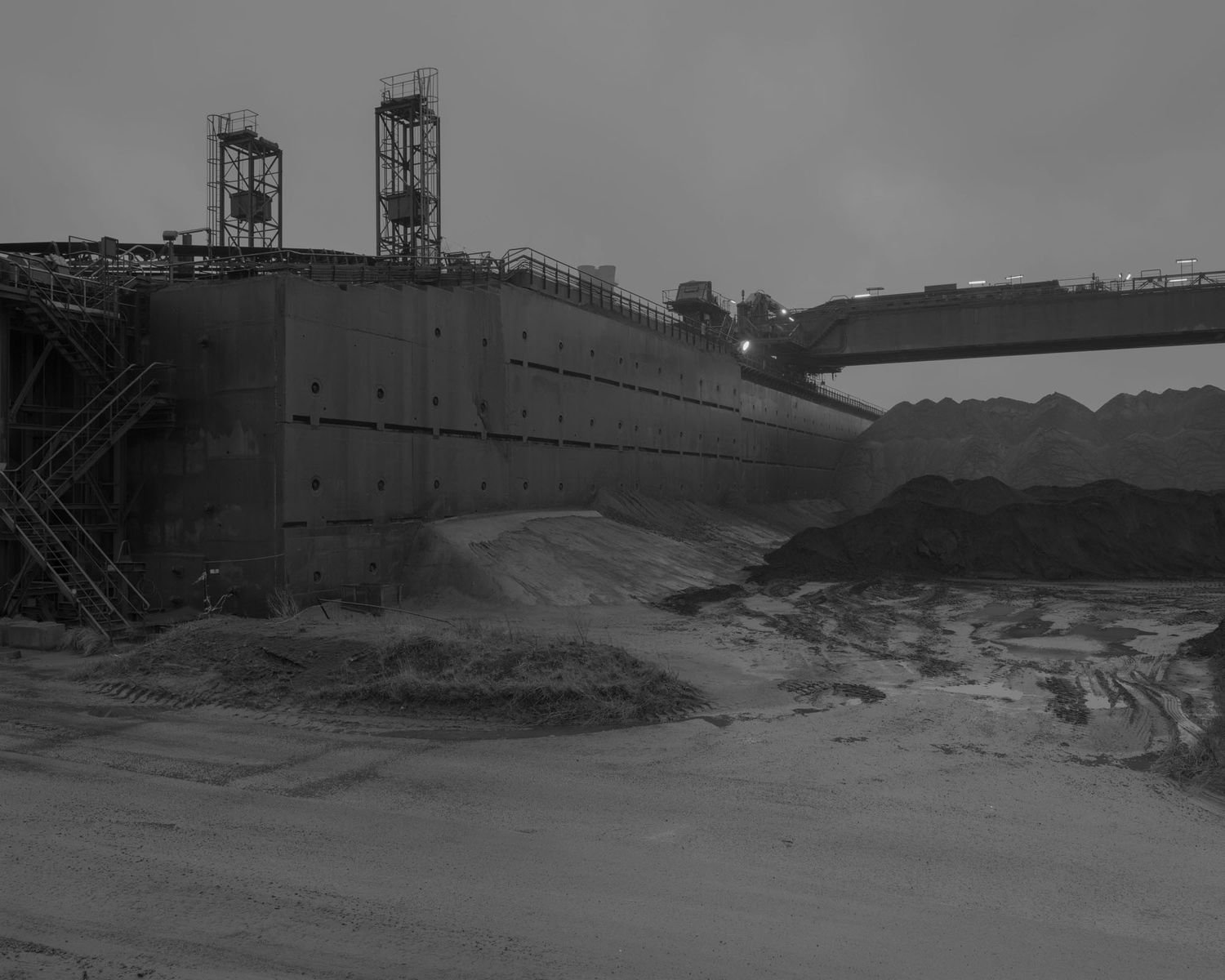
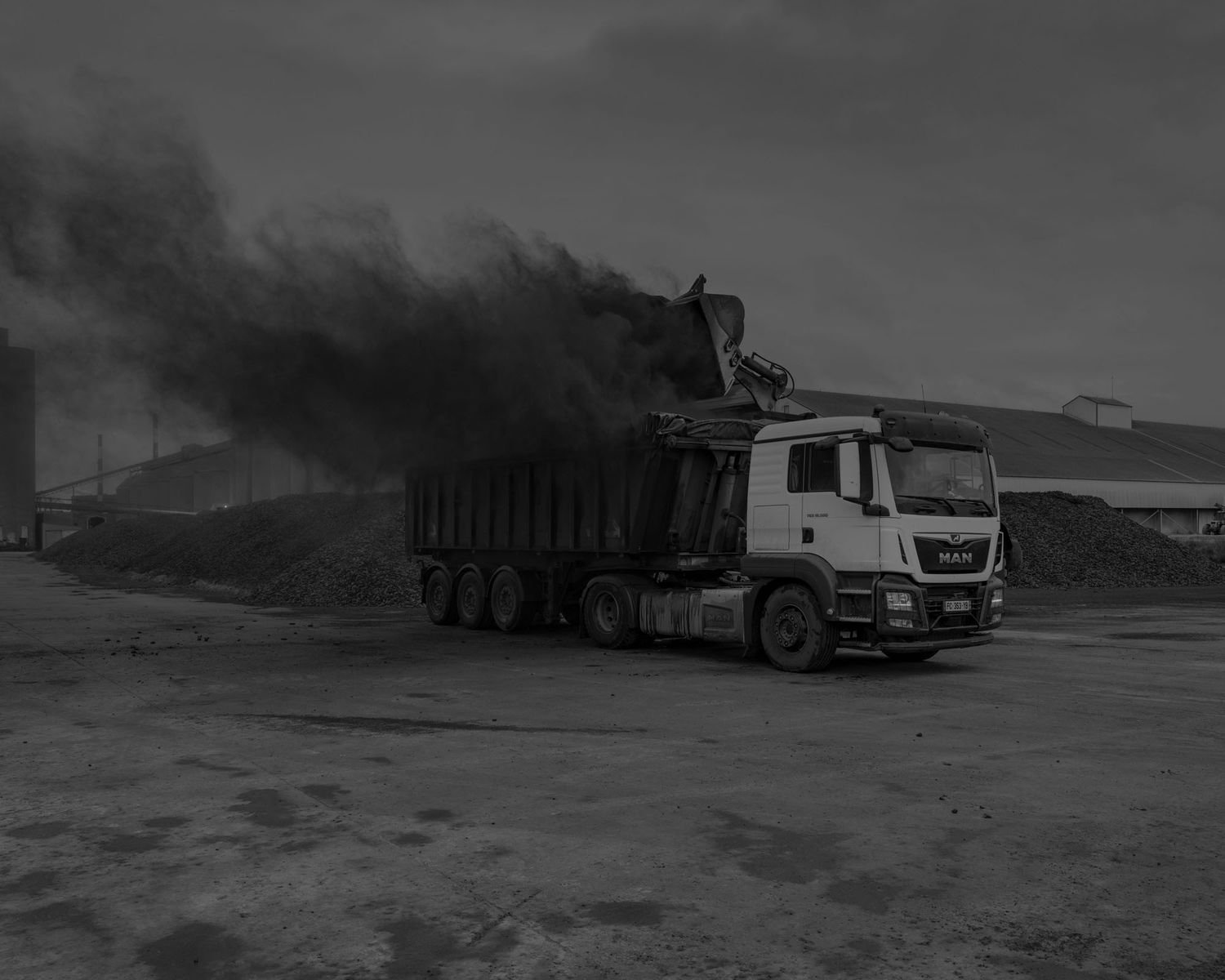
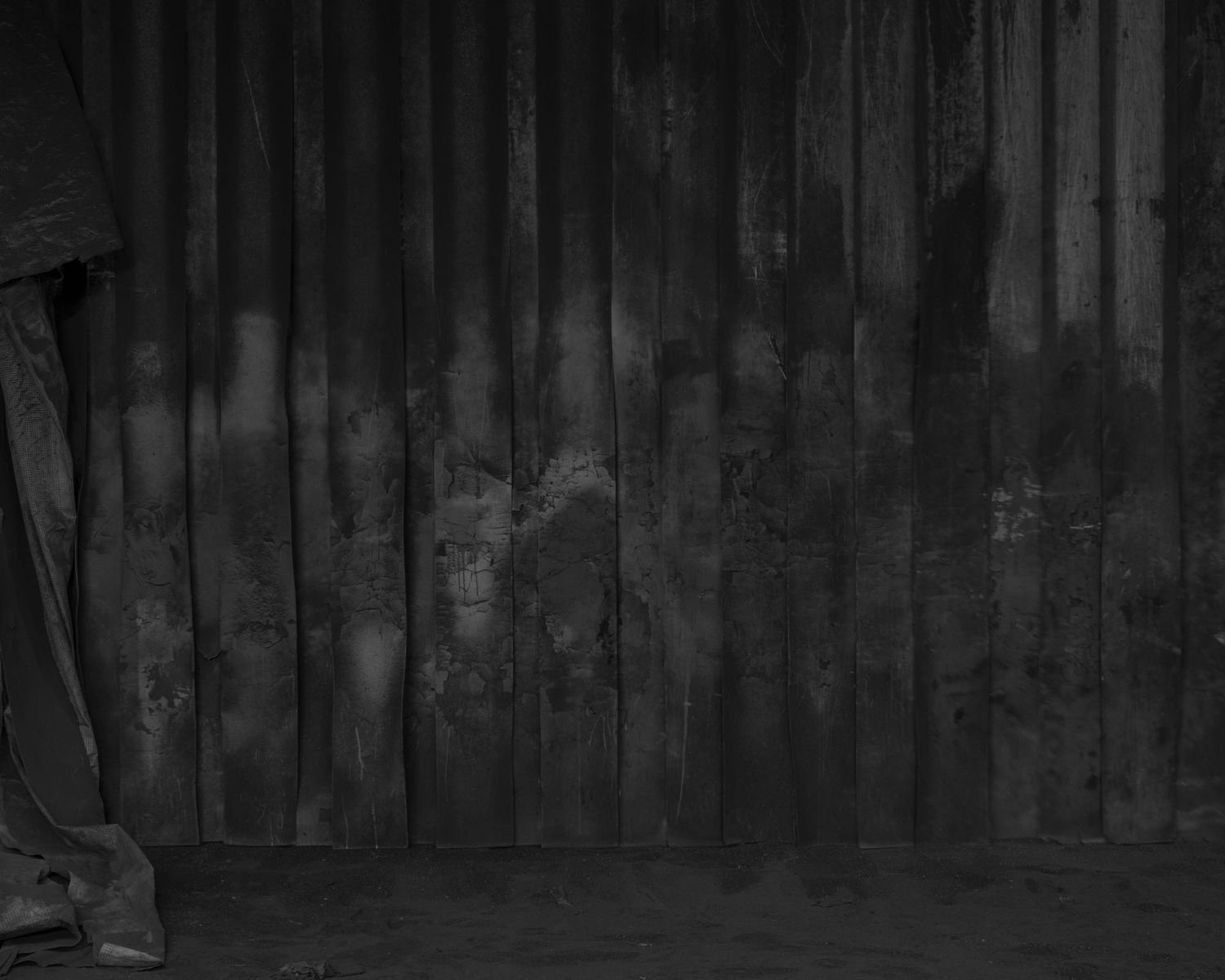
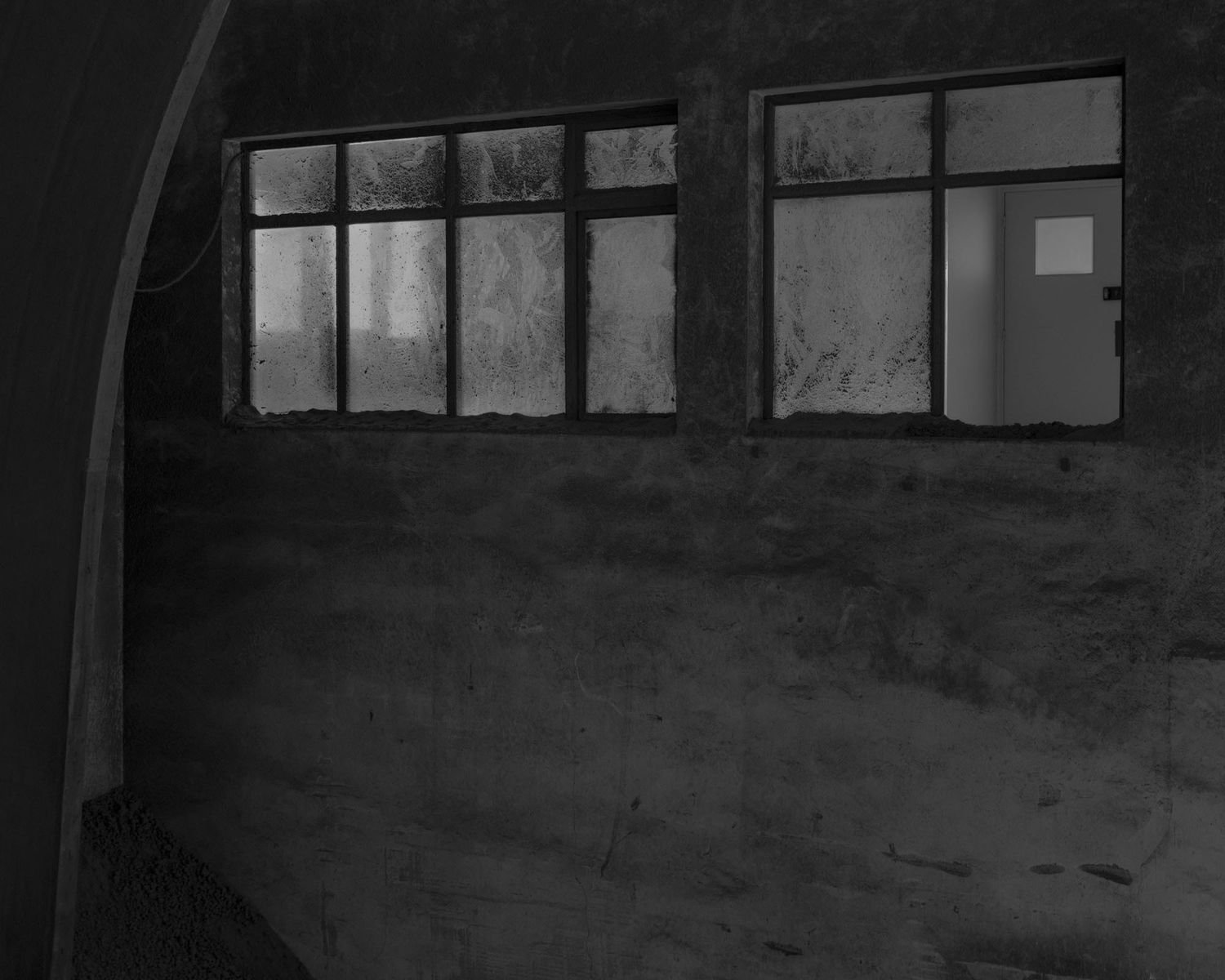
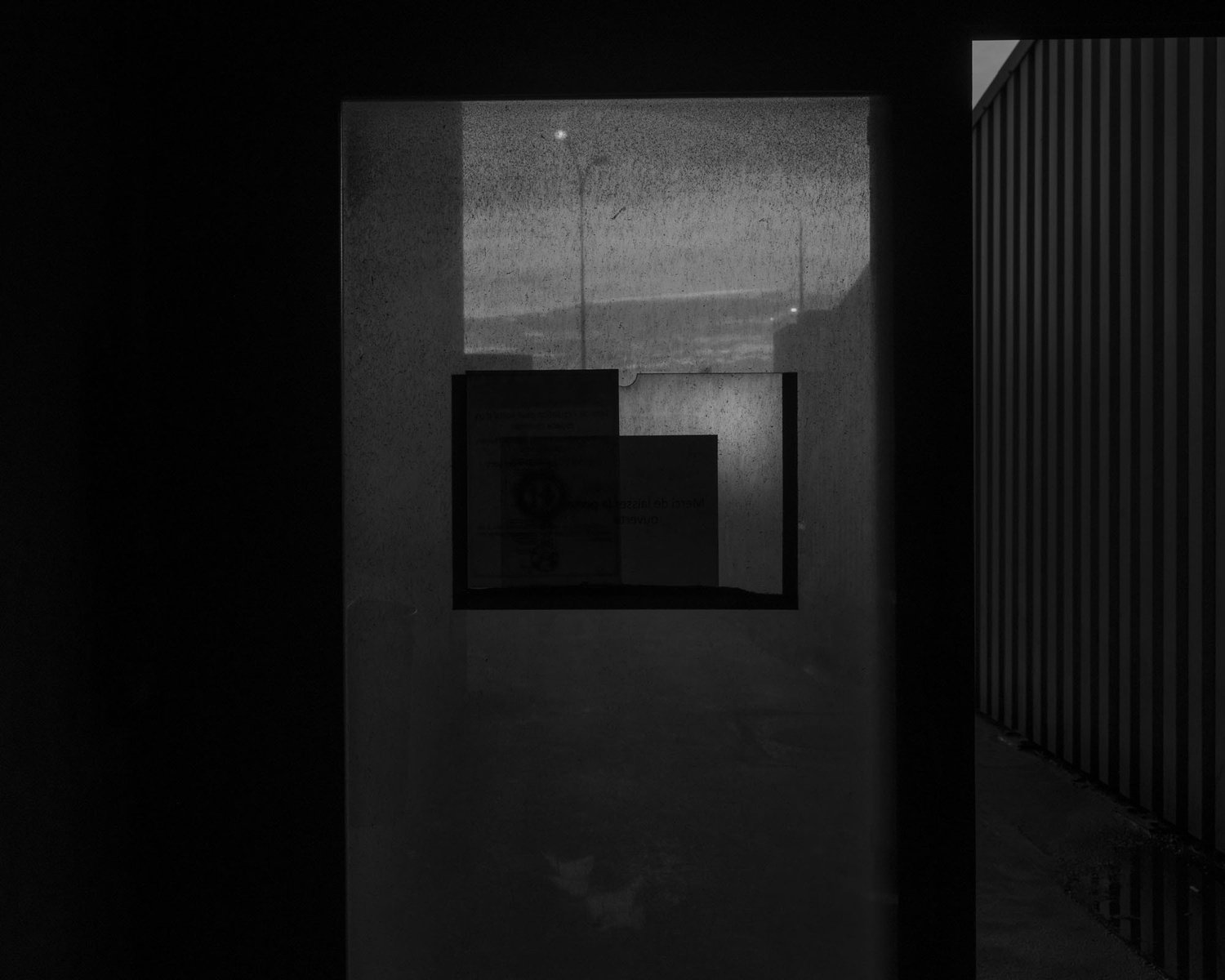
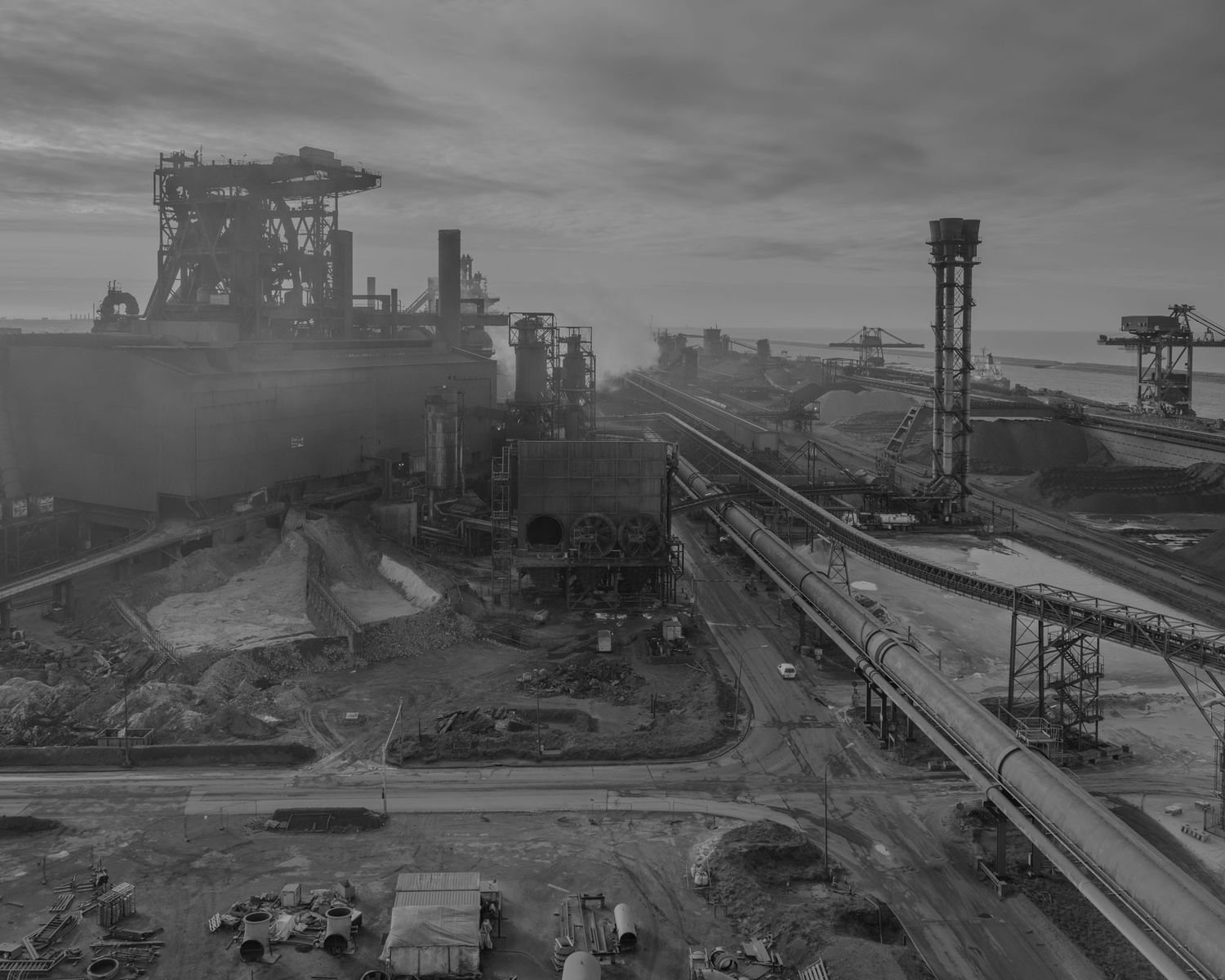
This photographic series is a dive into the port of Dunkirk, an incarnation of the Anthropocene. It offers a vision of a site arisen from the industrial past which let us perceive the human stamp an earthly and geological scale.
As Vincent Jendly explains, this work was born out of astonishment: “ When I discovered the port of Dunkirk, with my feet in the coal mud, I felt as if I were staring at a dark figure from the past, from the time of the Industrial Revolution. I had before me a landscape covered in black sludge and dust, brutal and filthy, transformed to the extreme, a dark and spectacular incarnation of the Anthropocene. This “era of man” evokes one visions of an imminent collapse, with an almost apocalyptic allure. Though a hypothetical prospect, the scale of the marks on this gigantic site made me perceive the stamp of humanity on an earthly scale. Indeed, the impact of our activities is such that humans are becoming a geological force. We’re creating new types of sediment for the future, such as plastiglomerates—a stratum of rock composed largely of microplastics—spread across the entire globe. Another novelty for the paleontologists of the future: due to the disappearance of wild megafauna and our impact on species in general, 93% of the biomass of terrestrial vertebrates is already made up of domestic species, led by cows, which satisfy our unreasonable appetites for meat. It’s even likely that within three centuries, the cow will become the largest animal on Earth—an almost unbelievable prediction. In the digs of the future, is this what will be left of us? A layer of black dirt and a veil of cow fossils?”
Vincent Jendly was born in Fribourg (Switzerland) in 1969. He lives and works in Lausanne. He dedicates himself entirely to photography in a professional way since 2009.